What Two Copies of the Munchkin Gene Do
It can be incredibly confusing when you’re trying to understand the genetics behind breeds like the Munchkin, especially when you hear about terms like "lethal genes" and why certain pairings are strictly avoided. Many people just want to know if these cats are healthy, and it’s frustrating when the scientific jargon makes it feel inaccessible. This guide aims to demystify exactly what happens when a Munchkin cat inherits two copies of the gene responsible for their short legs, and why this genetic reality shapes responsible breeding practices.
The Unique Genetics Behind the Munchkin's Short Stature
The defining characteristic of a Munchkin cat is, of course, their adorable short legs. But what many people don't realize is the very specific genetic mechanism that causes this, and the serious implications that arise if this mechanism is mishandled. It’s not just a cute quirk; it’s a direct result of a particular gene.
Understanding Autosomal Dominant Inheritance
When we talk about the Munchkin's short legs, we're dealing with what geneticists call an autosomal dominant trait. What does that mouthful actually mean for you and your cat? "Autosomal" simply means the gene isn't linked to sex chromosomes, so it affects both male and female cats equally. "Dominant" means that a cat only needs to inherit one copy of this particular gene from one parent to display the trait – in this case, short legs.
Think of it like this: every cat has two copies of each gene, one from mom and one from dad. For the Munchkin gene, let's represent the short-leg gene with a capital 'M' and the normal-leg gene with a lowercase 'm'.
- A cat with two normal-leg genes (mm) will have long, regular-sized legs.
- A cat with one short-leg gene and one normal-leg gene (Mm) will have short legs, because the 'M' gene is dominant. This is your standard Munchkin cat.
- But what about a cat with two short-leg genes (MM)? That's where things get complicated, and where responsible breeding becomes paramount. For a deeper dive into this, you might want to read more about Why Munchkin Dwarfism Is Called Autosomal Dominant.
Why Every Short-Legged Munchkin Carries One Copy
Because the short-leg trait is dominant, a cat only needs one 'M' gene to express it. This means that every single Munchkin cat you see with those characteristic short legs is heterozygous – they carry one copy of the short-leg gene (M) and one copy of the normal-leg gene (m). Their genetic makeup is always Mm. If they had two normal-leg genes (mm), they'd simply be a long-legged domestic cat. And as we're about to explore, if they had two short-leg genes (MM), they wouldn't exist. This understanding is fundamental to how Munchkin cats are bred, and it's a concept that dedicated breeders will always emphasize when discussing How Munchkin Dwarfism Is Inherited.
The Lethal Impact of Two Gene Copies
This is the critical part that often causes concern and is central to the ethical debates surrounding the breed. The gene that gives Munchkins their short legs is not just dominant for leg length; it's also lethal when inherited in two copies.
What Happens with Homozygous Dominant (MM) Kittens
When an embryo inherits two copies of the Munchkin gene (MM), meaning it's homozygous for the dominant short-leg trait, it simply cannot survive. This isn't a condition that a kitten is born with and then suffers from; these embryos fail to develop properly very early in gestation. They are usually reabsorbed by the mother's body, or in some extremely rare cases, they might result in a stillbirth, though this is uncommon because development ceases so early.
The medical term for this type of condition, where two copies of a dominant gene are fatal, is "embryonic lethal." It means that the specific genetic combination (MM) is incompatible with life. This is why you will never see a living cat that has inherited two copies of the Munchkin gene. Understanding the full scope of What the Short Legs Actually Cost a Munchkin involves recognizing this genetic reality.
Why Homozygous Munchkin Kittens Are Never Born
The important takeaway here is that these kittens are never born. A breeder will never produce a litter where some kittens are struggling because they received two copies of the short-leg gene. The genetic reality is that the gestation simply doesn't progress that far. It’s a very early developmental arrest. This is a key distinction from some other genetic conditions where affected animals are born and then require intensive care or face severe health challenges. The Munchkin situation is different; the "affected" embryos don't develop to term. This crucial fact explains Why Homozygous Munchkin Kittens Are Never Born. While the gene responsible for this hasn't been precisely identified, the phenotypic effect is well understood by breeders and geneticists alike, highlighting Why the Munchkin Gene Has Not Been Identified.
Implications for Responsible Breeding
Given the lethal nature of the homozygous dominant gene, responsible breeding practices for Munchkin cats are rigidly defined and strictly adhered to by ethical breeders. This isn't a guideline; it's a fundamental rule of the breed.
Why Two Short-Legged Munchkins Are Never Bred Together
This is the golden rule of Munchkin breeding: two short-legged Munchkin cats are never, ever bred together. Why? Because if you breed two cats that are both (Mm) – meaning both have short legs – the genetic probabilities mean that, on average, 25% of their offspring would inherit two copies of the 'M' gene (MM). As we just discussed, these MM embryos are not viable and will not survive.
An ethical breeder would never knowingly plan a mating that has a guaranteed 25% chance of embryonic death. It's considered irresponsible and goes against the welfare of the queen and the potential litter. This is why you will find universal agreement among reputable breeders on Why Two Short Legged Munchkins Are Never Bred Together. They prioritize the health and viability of every kitten.
The Standard Munchkin Outcross Practice
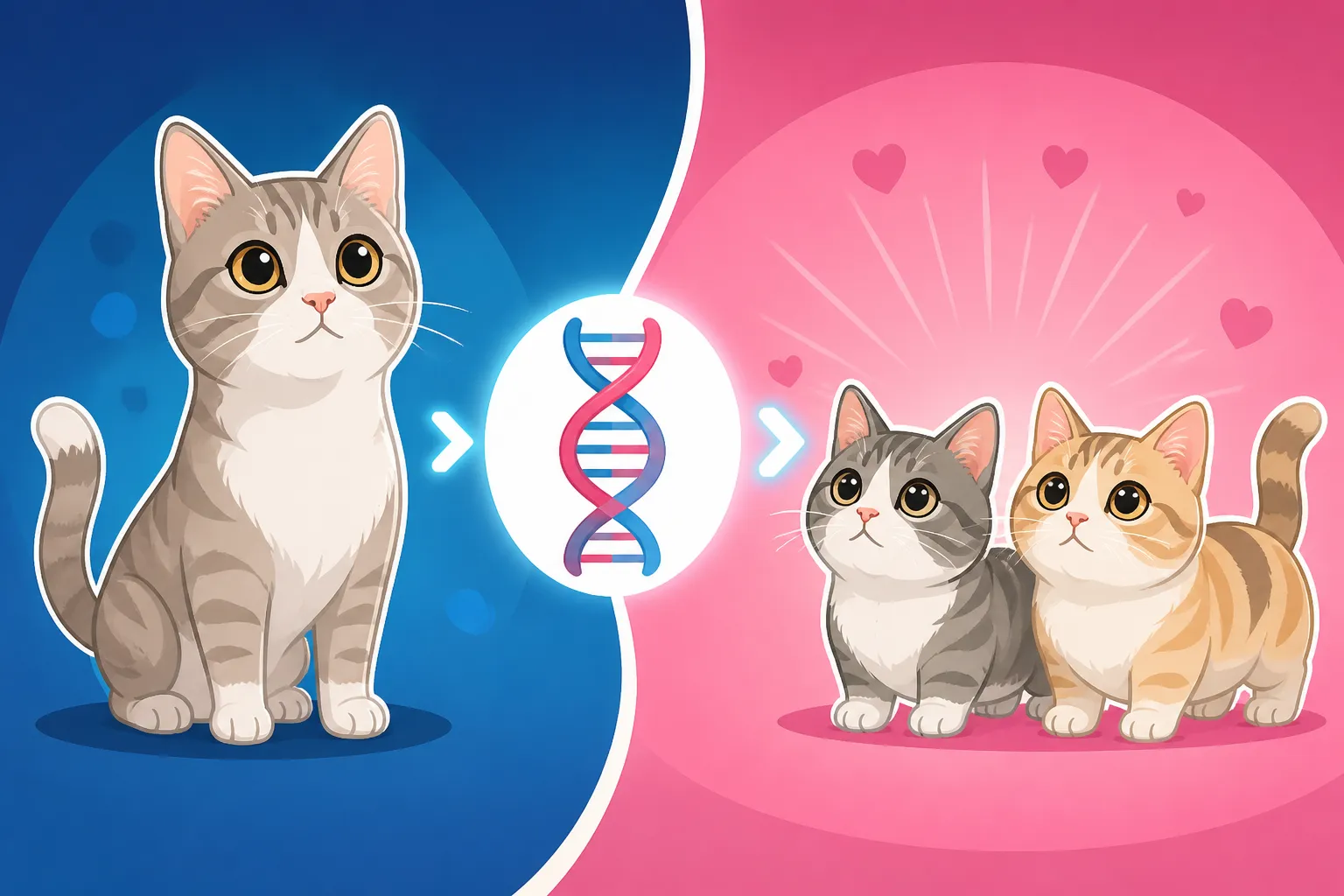
So, if you can't breed two short-legged Munchkins together, how do you get more Munchkin kittens? The answer lies in the "outcross" method. A short-legged Munchkin (Mm) is always bred to a normal-legged cat (mm). This normal-legged cat is referred to as an "outcross."
This pairing eliminates the possibility of producing an MM (lethal) embryo. When you cross an Mm cat with an mm cat, every kitten has a 50% chance of being Mm (short-legged Munchkin) and a 50% chance of being mm (normal-legged, non-Munchkin). This is a predictable and responsible way to continue the breed while avoiding the lethal gene combination. Many reputable breeders will have detailed information about their breeding practices, including showing you the pedigrees of their cats, which can shed light on What a Munchkin Breeder Should Be Able to Show You.
This strategy also plays a vital role in maintaining the genetic health and diversity of the Munchkin breed. By consistently introducing normal-legged domestic cats (outcrosses) into the breeding pool, breeders ensure that the Munchkin gene pool remains wide, preventing many of the problems associated with limited genetic diversity in other breeds. These outcrosses can be specific breeds or well-screened domestic shorthairs, ensuring genetic vitality. You can learn more about Which Domestic Cats Are Used as Munchkin Outcrosses.
Understanding Litter Outcomes
When a responsible breeder pairs a short-legged Munchkin with a normal-legged cat, the outcomes for the kittens are quite straightforward and predictable. It’s not a guessing game; it’s a matter of genetic probability.
The Predicted Ratios from an Outcross Breeding
Let's break down the genetic possibilities when an Mm (short-legged Munchkin) is bred with an mm (normal-legged cat):
- Mm (Munchkin) x mm (Outcross)
- Each parent contributes one gene to each kitten.
- The Mm parent can contribute either an 'M' or an 'm'.
- The mm parent can only contribute an 'm'.
This means:
- There's a 50% chance a kitten will receive 'M' from the Munchkin parent and 'm' from the outcross parent, resulting in an Mm (short-legged Munchkin) kitten.
- There's a 50% chance a kitten will receive 'm' from the Munchkin parent and 'm' from the outcross parent, resulting in an mm (normal-legged) kitten.
So, in every litter from a responsible pairing, you can expect roughly half of the kittens to have short legs and half to have normal-length legs. This ensures that the lethal MM combination is never produced. This predictable outcome is precisely How Many Kittens in a Munchkin Litter Are Short Legged.
The Health of Long-Legged Littermates
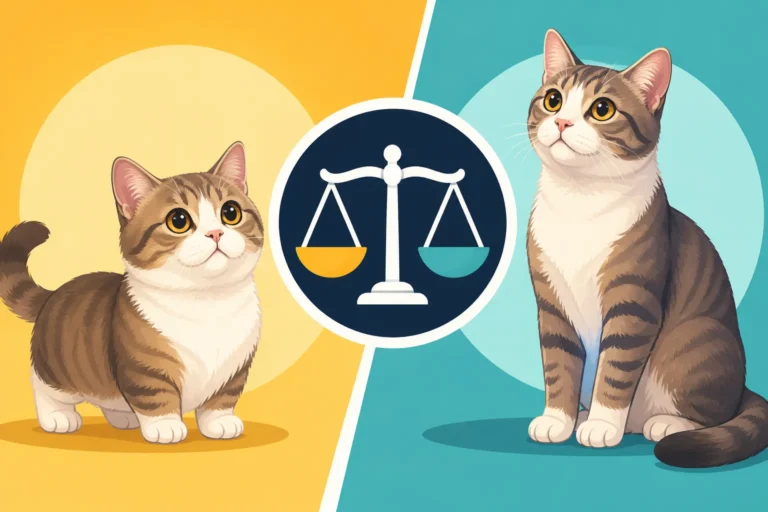
A common question is about the long-legged kittens from a Munchkin litter. Do they carry the gene? Are they somehow "part Munchkin" with hidden health risks? The answer is a clear no. The normal-legged kittens from these litters (genetically mm) do not carry the Munchkin gene at all. They are genetically identical to any other domestic cat that doesn't have the short-leg trait. They will have normal leg length, normal mobility, and none of the potential skeletal considerations associated with the short-leg gene.
These long-legged kittens are often sold as companion pets, sometimes referred to as "Munchkin variants" or "non-standard Munchkins," but genetically, they are just regular cats from a Munchkin breeding program. They do not pass on the Munchkin gene if they are bred (which they typically aren't, as ethical breeders sell them as pets). This fact is important for understanding What Happens to the Long Legged Munchkin Kittens and Why Half a Munchkin Litter Has Normal Legs. This whole strategy demonstrates Why a Munchkin Is Always Bred to a Normal Legged Cat.
Here's a handy table summarizing the genetic crosses and their typical outcomes for Munchkin breeding:
| Parent 1 (Genotype) | Parent 2 (Genotype) | Breeding Type | Possible Kitten Genotypes | Expected Phenotypes & Proportions | Viability of MM Kittens | Responsible Breeding? |
|---|---|---|---|---|---|---|
| Mm (Short-legged) | Mm (Short-legged) | Homozygous-producing | MM, Mm, mm | 25% MM (lethal), 50% Mm (short-legged), 25% mm (normal-legged) | Lethal | No (Irresponsible) |
| Mm (Short-legged) | mm (Normal-legged) | Outcross | Mm, mm | 50% Mm (short-legged), 50% mm (normal-legged) | Not produced | Yes (Standard Practice) |
| mm (Normal-legged) | mm (Normal-legged) | Non-Munchkin | mm | 100% mm (normal-legged) | Not produced | Yes |
This table clearly illustrates why breeding two short-legged Munchkins is considered unethical due to the guaranteed lethal outcome for a portion of the litter. Responsible breeding always utilizes the outcross method, ensuring healthy and viable kittens, whether they have short legs or normal ones.
Disclaimer
Please remember that this information is for educational purposes and should not replace professional veterinary advice. Always consult with a qualified veterinarian for any health concerns regarding your pet.