Why Homozygous Munchkin Kittens Are Never Born
It can be incredibly confusing when you're first learning about Munchkin cats and their unique genetics. You might hear terms like "dominant gene" and "short legs," but then also whispers about "lethal genes" and the fact that you'll never see a kitten born with two copies of that gene. It’s a lot to wrap your head around, and it leaves many prospective owners wondering: if the gene is dominant, why don't some kittens get extra short legs? This guide will dive deep into the fascinating, albeit sometimes sobering, genetic reality of the Munchkin cat, explaining precisely why homozygous Munchkin kittens are never born.
Understanding the Munchkin Gene: A Dominant Trait with a Catch
The defining characteristic of the Munchkin cat – those adorably short legs – is all thanks to a single, naturally occurring genetic mutation. But it's not just any mutation; it's what scientists call an autosomal dominant gene. Understanding this genetic principle is key to unlocking the mystery of why some Munchkin kittens simply don't make it.
What "Autosomal Dominant" Truly Means for Cats
When we say a trait is "autosomal dominant," it means a few crucial things. "Autosomal" tells us the gene isn't linked to sex chromosomes; it's found on one of the non-sex chromosomes. "Dominant" means that a cat only needs to inherit one copy of this specific gene from either parent to express the trait – in this case, short legs. If a cat inherits even one copy of the Munchkin gene, they will have short legs. A cat with normal-length legs does not carry the Munchkin gene at all.
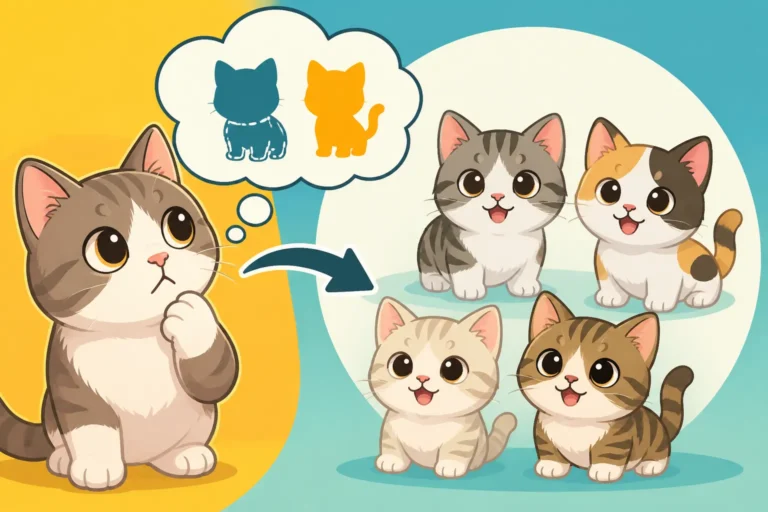
This explains why, if you breed a short-legged Munchkin cat to a normal-legged domestic cat, you'll still get a litter where approximately half the kittens have short legs, and half have normal legs. This is the genetic lottery playing out, and it's also why a Munchkin is always bred to a normal legged cat. The short-legged parent passes on either the short-leg gene or a normal-leg gene. The normal-legged parent can only pass on normal-leg genes. This inheritance pattern is fundamental to understanding how Munchkin dwarfism is inherited.
The Hidden Truth of the Homozygous Gene
Here's where the plot thickens and where the term "autosomal dominant with a catch" comes into play. While having one copy of the Munchkin gene results in a healthy, short-legged cat, inheriting two copies of this specific gene (one from each parent) is lethal. This is what "homozygous" means in this context – having two identical copies of a particular gene.
For the Munchkin gene, this homozygous state leads to severe developmental abnormalities that are incompatible with life. It's a critical piece of information when discussing the genetics of these cats. While breeders diligently work to ensure the health of their lines, this particular genetic quirk is something inherent to the mutation itself. It's not a flaw in breeding practices, but a natural consequence of the gene's dominant yet lethal nature in a double dose. This is precisely why you'll never encounter a short-legged Munchkin that has two copies of the dominant gene.
The Lethal Gene and Early Embryonic Development
The notion of a "lethal gene" might sound alarming, but in the context of Munchkin cats, it's a well-understood genetic reality that directly impacts breeding practices and litter outcomes. It's not about born kittens dying, but about potential embryos never developing fully.
Why Homozygous Kittens Don't Survive Past the Embryo Stage
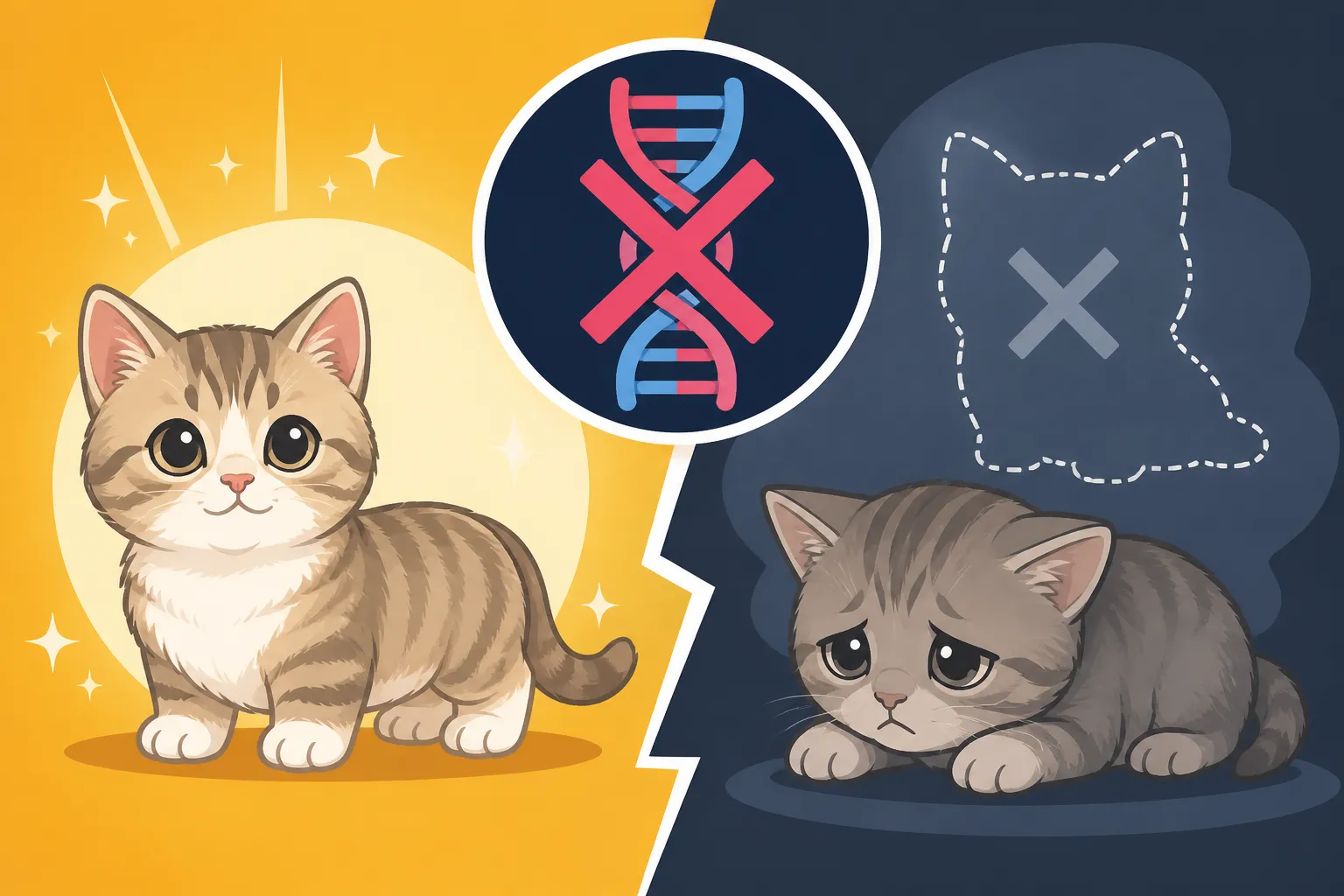
When a kitten inherits two copies of the Munchkin gene (meaning both parents contributed the short-leg gene), the resulting embryo simply doesn't develop properly. These embryos typically fail to implant or are reabsorbed by the mother cat very early in the gestation period, often before the breeder even knows conception has occurred. In some cases, there might be a very early miscarriage that goes unnoticed. This process is usually swift and happens long before the point of viability.
What happens to a homozygous Munchkin embryo is a tragic, yet common, genetic outcome in many species with similar dominant mutations. It means that while the gene is dominant for short legs, it's recessive in its lethality – two copies are required for the lethal effect. So, rest assured, you won't find yourself in a situation where a kitten is born with extreme deformities from this genetic pairing; nature takes its course much earlier. This biological reality underpins the specific breeding protocols followed by responsible Munchkin breeders.
The Impact on Litter Size and Breeding Practices
This lethal homozygous state has a direct, observable impact on Munchkin litters. When two short-legged Munchkins are bred together (which is a practice strongly condemned by ethical breeders due to the risk, even though it's the only way to produce a homozygous kitten), the expectation would be a quarter of the litter being homozygous lethal, half being short-legged, and a quarter being normal-legged. However, because the homozygous embryos don't survive, the actual birth rates will reflect only the viable kittens. This often means smaller litter sizes compared to what might be expected from other cat breeds or from breeding a Munchkin to a non-Munchkin.
This is precisely why two short legged Munchkins are never bred together. The potential for embryonic loss, even if it happens unseen, is considered unethical and unnecessary. Reputable breeders adhere strictly to breeding Munchkins only with normal-legged domestic cats (sometimes referred to as "outcrosses" or "long-legged Munchkins" if they come from Munchkin parentage but inherited the normal-leg gene). This ensures that while some kittens will be short-legged and some normal-legged (which is why half a Munchkin litter has normal legs), no kitten will inherit two copies of the dominant gene, thus avoiding the lethal homozygous outcome. It's a responsible approach that prioritizes the health and well-being of the feline lineage.
Ethical Breeding and Responsible Ownership
Navigating the world of Munchkin cats means understanding not just their unique charm but also the ethical considerations that surround their breeding. A responsible approach is paramount to ensuring the health and happiness of these special felines.
The Importance of Outcrossing with Normal-Legged Cats
One of the most crucial aspects of ethical Munchkin breeding is the practice of outcrossing. As we've discussed, Munchkin cats carrying the short-leg gene must always be bred with a normal-legged cat. These normal-legged partners are often domestic shorthairs or longhairs, or even "non-standard" Munchkins – kittens born from a Munchkin x non-Munchkin pairing who inherited the normal-length leg gene. This practice is vital for two main reasons: firstly, it prevents the creation of homozygous lethal embryos, safeguarding the welfare of the litter. Secondly, it plays a massive role in maintaining a wide and healthy gene pool.
Unlike many established breeds with closed studbooks, the Munchkin breed standard, especially as recognized by TICA (The International Cat Association), explicitly allows for continued outcrossing to healthy domestic cats. This helps to prevent inbreeding and introduces fresh genetic material, mitigating the risk of accumulating other genetic health issues that can sometimes plague highly inbred breeds. The continued use of diverse domestic cats as outcrosses means the Munchkin gene pool stays wide, promoting overall breed vigor and genetic health. This also means that a Munchkin breeder must declare certain diseases, especially those common to their outcross breeds.
Recognizing a Reputable Breeder
For anyone considering bringing a Munchkin into their home, finding a reputable breeder is non-negotiable. An ethical breeder will be completely transparent about their breeding practices, including their understanding of the Munchkin gene and why they never breed two short-legged cats together. They should be eager to answer your questions, not just about the cute kittens, but about the health history of the parents and their entire breeding program.
Here are some signs of a responsible breeder:
- Transparency about genetics: They should clearly explain the autosomal dominant nature of the Munchkin gene and the lethal homozygous trait. They'll emphasize that all their short-legged Munchkins are heterozygous (carrying only one copy of the gene).
- Health screening: A good breeder will conduct health screenings for conditions common in the domestic cats used for outcrossing, such as PKD (Polycystic Kidney Disease) if Persians are in the lineage. They should be able to show you What a Munchkin breeder should be able to show you.
- No "Rug Hugger x Rug Hugger" claims: If a breeder advertises breeding two "super short" or "rug hugger" Munchkins together, run the other way. This indicates either ignorance of the breed's genetics or a reckless disregard for animal welfare.
- Openness about facility and parents: They should allow you to visit their cattery (or provide extensive video tours) to see the living conditions and meet the kitten's parents. Observe the parents' temperament and mobility.
- Focus on welfare, not just looks: A reputable breeder prioritizes health, temperament, and ethical practices over extreme physical traits. They won't market "teacup" or "mini" Munchkins, as these terms are often red flags for irresponsible breeding.
- Support and guarantees: They should offer a health guarantee, a contract, and be available for ongoing support and advice. Many responsible breeders will also have stipulations in their contract about never breeding the cat yourself unless you are a registered, ethical breeder.
When you're asking questions, don't be afraid to delve into their practices, as finding a good match is critical for your future pet's health.
| Genetic Pairing | Genotype Outcome | Phenotype Outcome | Viability |
|---|---|---|---|
| Short-Legged Munchkin x Normal-Legged Cat | 50% Short-Legged, 50% Normal-Legged | 50% Short-Legged, 50% Normal-Legged Cats | 100% Viable Kittens |
| Short-Legged Munchkin x Short-Legged Munchkin | 25% Homozygous, 50% Short-Legged, 25% Normal-Legged | 50% Short-Legged, 25% Normal-Legged (25% not born) | 75% Viable Kittens |
| Normal-Legged Cat x Normal-Legged Cat | 100% Normal-Legged | 100% Normal-Legged Cats | 100% Viable Kittens |
Note: "Short-Legged Munchkin" in this table refers to a heterozygous cat carrying one copy of the dominant short-leg gene.
Living with a Munchkin: Health and Longevity Considerations
Bringing a Munchkin into your life is a joyful experience, but it also comes with a unique set of considerations due to their distinctive physique. Understanding their potential health needs and how to best support them ensures they can live a full, happy life.
Lifespan and Common Health Concerns
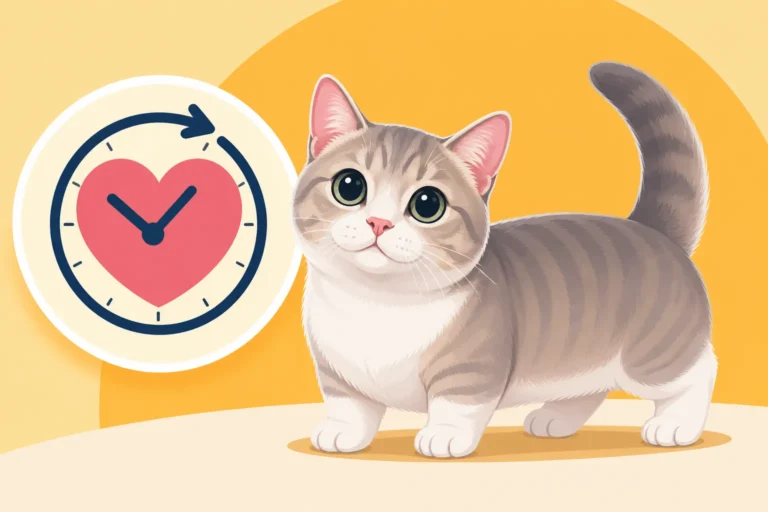
One of the most common questions new Munchkin owners have is about their lifespan. Happily, a well-bred Munchkin usually gets to live for twelve to fifteen years, much like any other domestic cat. Their short legs themselves are not generally associated with pain or discomfort, and they are typically very active and playful. However, their unique body structure does mean there are a couple of health conditions that Munchkin owners should be aware of, even if they aren't directly linked to the lethal gene discussed earlier.
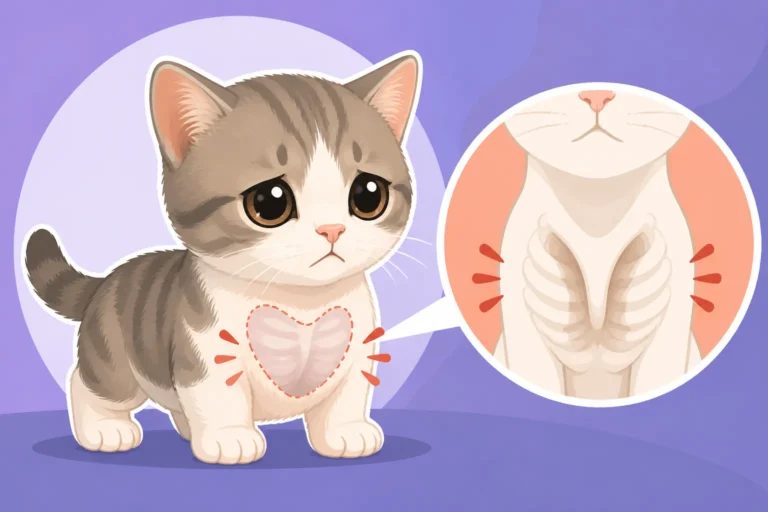
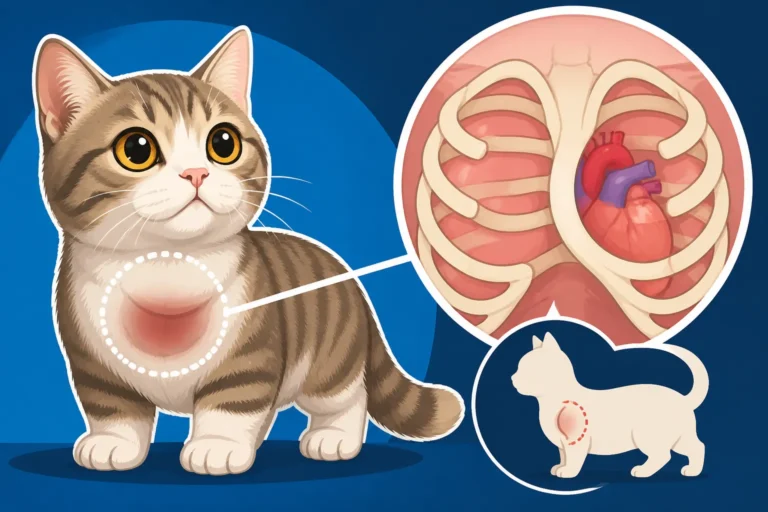
Two conditions that sometimes get associated with the breed are lordosis and pectus excavatum. Lordosis is a spinal condition where the spine curves downwards, and in severe cases, it can compress internal organs. What lordosis does to a Munchkin can range from mild to severe, though severe cases are rare in well-bred lines. Pectus excavatum, also known as "funnel chest," is a congenital deformity of the sternum that results in a sunken chest. While not exclusive to Munchkins, it's something to be aware of. The good news is that these conditions are not inherent to the Munchkin gene itself in the way the lethal homozygous trait is, and responsible breeders work to screen for and avoid lines that show higher incidences. Regular veterinary check-ups are paramount for early detection and management of any health issues. Having a robust pet insurance plan, like one from Healthy Paws, can provide peace of mind by covering unexpected veterinary costs, including those related to spinal or chest issues, should they arise.
Adapting Your Home for a Munchkin's Unique Needs
Living with a Munchkin means making small but significant adjustments to your home environment to ensure their comfort, safety, and long-term joint health. While they are incredibly agile and adaptable, their short legs mean they can't jump as high or as far as a normal-legged cat. This isn't a limitation if you provide the right support; it just means the house changes, not the cat.
Think of it this way: their spine carries a load a normal cat's does not, especially when jumping down. Repeated high impact can put strain on their joints over time. So, to prevent potential issues like early onset arthritis in their shoulders or elbows, you'll want to:
- Provide Ramps and Steps: Give them easy access to their favorite spots like sofas, beds, and window perches. Ramps and steps are Munchkin equipment, not luxuries.
- Low-Entry Litter Boxes: Ensure their litter boxes have a low entry point so they can comfortably walk in and out without straining their back or belly. This also helps prevent cleanliness issues around their hindquarters, which they might struggle to reach if their belly nearly touches the floor.
- Floor-Level Enrichment: Keep their toys, food, and water bowls easily accessible at floor level, or use raised bowls that don't require them to stoop excessively.
- Soft Landings: Consider placing soft rugs or mats around areas where they might jump, to cushion any impacts. Discourage them from attempting excessively high jumps.
By consciously adapting your home, you're not limiting your Munchkin; you're empowering them to navigate their world safely and comfortably. This proactive care, combined with regular vet visits and perhaps the comprehensive coverage of a Healthy Paws plan, will contribute significantly to your Munchkin living a long and vibrant life.
Disclaimer
This article is intended for informational purposes only and does not constitute professional veterinary advice. Always consult with a qualified veterinarian for any health concerns or before making any decisions about your cat's care or treatment.