Why Munchkin Lifespan Data Is Thin
It's a common, heartfelt question for any prospective cat parent: "How long will my beloved feline friend be with me?" But when you're considering welcoming a Munchkin cat into your home, finding clear, straightforward data on their expected lifespan can often feel like searching for a specific thread in a sprawling tapestry. This guide will explore the multifaceted reasons why concrete, expansive lifespan data for Munchkin cats remains thin, and what this means for owners dedicated to providing the best possible care for these unique felines.
The Breed's Relatively Recent History and Controversial Status
One of the primary reasons for the scarcity of detailed lifespan data for Munchkin cats traces back to the breed's relatively recent emergence and the ongoing debates surrounding its ethical breeding. Unlike ancient breeds with centuries of documented history and extensive health registries, the Munchkin is a modern marvel, and its journey from discovery to recognized breed has been anything but smooth.
A Young Breed with Limited Long-Term Studies
The Munchkin cat as a recognized breed is still quite young, with its origin story beginning in the early 1980s and formal recognition by The International Cat Association (TICA) not occurring until 1994. This means that compared to breeds like the Persian or Siamese, which have been around for generations, there simply hasn't been enough time to accumulate vast amounts of longitudinal health and lifespan data across a wide, genetically diverse population. Long-term studies, which track individual animals over their entire lives to gather comprehensive health and mortality statistics, are incredibly resource-intensive and take decades to yield robust results. The foundational cats, Blackberry and Toulouse, launched a breed whose full lifespan trajectory is still being observed by the current generation of breeders and owners. This means data on How Many Years a Well Bred Munchkin Lives is still being established through cumulative owner experience rather than extensive, centralized studies.
The Impact of Breed Recognition Discrepancies
Adding to the complexity is the fragmented approach to the Munchkin's recognition among major cat registries. While TICA championed the breed and granted it Championship status, other prominent organizations, such as the Cat Fanciers' Association (CFA) and the Governing Council of the Cat Fancy (GCCF) in the UK, have explicitly refused to recognize the Munchkin. This lack of universal acceptance means that significant portions of the global cat fancy do not collect data on Munchkins in the same way they do for other breeds. When Why CFA Will Not Register a Munchkin or Why GCCF Refuses the Munchkin is considered, it highlights that veterinary bodies and genetic research funded or supported by these larger organizations might not prioritize studies on a breed they deem controversial or unhealthy. This division directly impacts the scope and consistency of health monitoring and lifespan tracking, leading to inconsistent data sets across different regions and organizations.
Challenges in Data Collection and Reporting
Even beyond the breed's age and recognition issues, several practical challenges contribute to the thinness of Munchkin lifespan data. These often relate to how pet health information is recorded, shared, and analyzed within the broader pet community.
Decentralized Health Records and Lack of Centralized Registries
The cat world, especially for less universally accepted breeds, often operates with decentralized health records. There isn't a single, mandatory global database where every Munchkin's birth, health issues, and date of passing are meticulously logged. Breeders often keep their own records, and individual owners maintain their pets' vet histories, but compiling this information into a cohesive, statistically significant dataset is an enormous undertaking. This means that while individual vets may treat many Munchkins, their collective data isn't easily aggregated to produce breed-specific lifespan averages or common causes of death. This contrasts sharply with some dog breeds or more widely accepted cat breeds where large breed clubs actively gather health statistics from their members over many years. When discussing Which Health Problems the Munchkin Actually Has, getting a clear picture of their prevalence and impact on lifespan is hampered by this lack of centralized reporting.
The Role of Outcrossing and Genetic Diversity
Munchkin breeding protocols necessitate outcrossing to maintain a healthy gene pool. This means Munchkins are consistently bred with domestic non-pedigree cats or other recognized breeds to introduce new genetic material and prevent inbreeding. While essential for genetic health, this practice can complicate the collection of pure Munchkin lifespan data. For instance, if a Munchkin is outcrossed with a domestic shorthair, and their offspring are registered as Munchkins, any health data from these kittens might be influenced by the outcross breed's genetic predispositions rather than solely reflecting the Munchkin gene itself. This makes it harder to isolate specific lifespan factors directly attributable to the Munchkin's short-leg gene. Understanding Why Every Munchkin Litter Is a Carrier Cross is crucial here, as it demonstrates how varied the genetic background of registered Munchkins can be, blurring the lines for clear, breed-specific health analysis. This genetic diversity, while beneficial for overall health, ironically makes precise data collection more challenging for breed-specific lifespan analysis.
Interpreting Existing Information and Owner Experiences
Given the limitations in formal data, how can prospective and current Munchkin owners form a realistic expectation about their cat's lifespan? We have to look at anecdotal evidence, general feline health principles, and infer from known Munchkin-specific health considerations.
General Feline Lifespan Benchmarks and Munchkin Comparisons
Most domestic cats, regardless of breed, typically live between 12 and 18 years, with many living into their early 20s. A commonly asked question is Whether a Munchkin Lives as Long as a Normal Legged Cat. Based on current observations from breeders and owners, healthy, well-cared-for Munchkins often fall within or very close to this general feline lifespan range. The short legs themselves, while distinctive, are not inherently a life-shortening condition in the way some severe genetic disorders are. The overall health and responsible breeding practices play a much larger role. For instance, reputable breeders will openly share information and results from health screenings, helping to ensure the kittens they produce have the best possible start. It's often through these breeders and long-term owners that we start to piece together a picture of The Twelve to Fifteen Years a Munchkin Usually Gets.
Health Concerns That Could Impact Lifespan
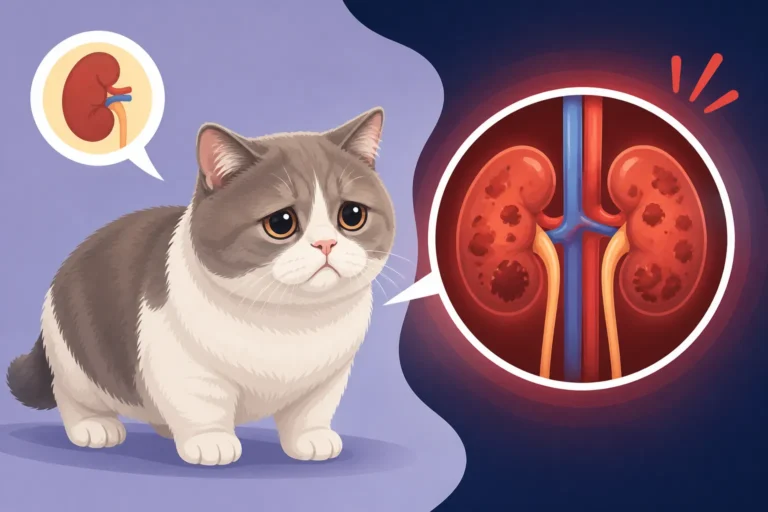
While the short legs aren't fatal, certain health conditions associated with the Munchkin breed or its unique conformation could, if left unmanaged, potentially impact longevity or quality of life. These include conditions like lordosis, pectus excavatum, and a predisposition to joint issues like osteoarthritis due to increased stress on their shorter limbs.
- Lordosis: This spinal curvature, where the spine dips downward, can range from mild to severe. In severe cases, it can compress internal organs, which would undoubtedly shorten a cat's life. However, Why the Frequency of Munchkin Spinal Problems Is Disputed points to the fact that not all Munchkins suffer from this, and careful breeding can minimize its occurrence. Reputable breeders screen their cats, and a thorough vet check for What Lordosis Does to a Munchkin is vital when adopting a kitten.
- Pectus Excavatum: A "sunken chest" deformity can also occur, though it's not unique to Munchkins. Severe cases might impact heart and lung function. Again, screening by a breeder and early veterinary intervention if needed are key to managing this. What Pectus Excavatum Does to a Munchkin's Chest can vary significantly in severity, and mild cases may have no impact on lifespan.
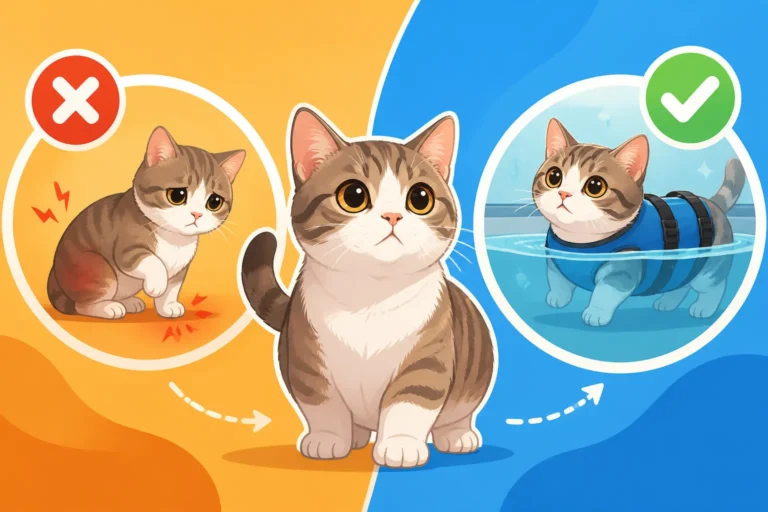
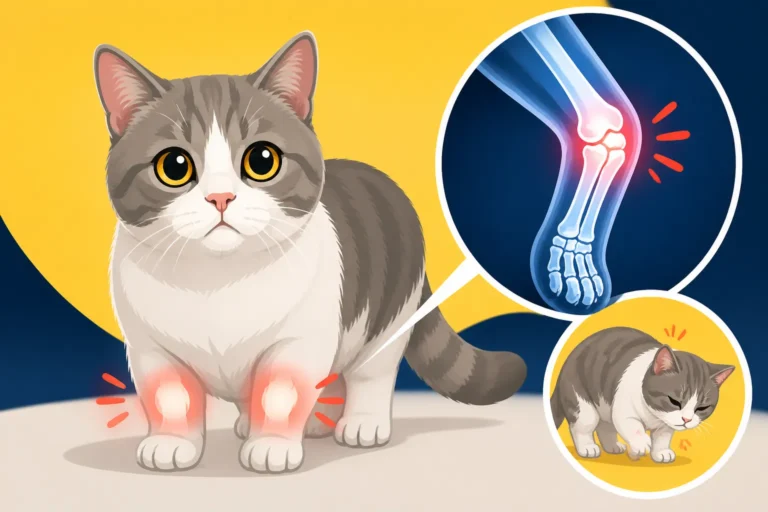
- Osteoarthritis: The unique biomechanics of a Munchkin cat's short legs mean their joints, particularly in the shoulders and elbows, bear a different load compared to a long-legged cat. This can potentially lead to earlier onset or more severe osteoarthritis. Owners need to be vigilant about Whether a Munchkin Gets Arthritis Earlier and implement preventative measures like weight management and joint supplements. A pet insurance policy, perhaps from Healthy Paws, that covers chronic conditions like arthritis can be a huge asset in managing these long-term health needs, ensuring your cat receives the necessary care throughout its life without undue financial strain.
Empowering Owners in the Face of Limited Data
Despite the challenges in finding universal lifespan statistics, owners are not powerless. By focusing on proactive care, informed decision-making, and understanding their individual cat's needs, they can significantly contribute to their Munchkin's longevity and quality of life.
Choosing a Reputable Breeder and Early Vet Care
One of the most impactful steps an owner can take is to choose a truly reputable breeder. A good breeder prioritizes health above all else and will be transparent about their breeding lines, health screenings, and any conditions that may have appeared in their cats. They should be able to show you What a Munchkin Breeder Should Be Able to Show You, including health clearances for parents and a clear understanding of the genetic background of the kittens. This initial due diligence sets the foundation for a healthy life. After bringing your Munchkin home, regular and thorough veterinary care from a vet who understands the breed's unique conformation is paramount. These early vet visits are not just for vaccinations, but also for comprehensive physical exams to identify any potential issues like How Early Lordosis Shows in a Munchkin Kitten or How Early a Munchkin's Chest Should Be Checked. Regular check-ups, especially as your cat approaches senior age, are crucial for detecting age-related conditions early, ensuring the best possible prognosis.
Proactive Health Management and Lifestyle Adaptations
Munchkin owners have a vital role to play in managing their cat's health on a daily basis. This goes beyond just feeding and petting; it involves creating an adapted environment and maintaining meticulous weight control.
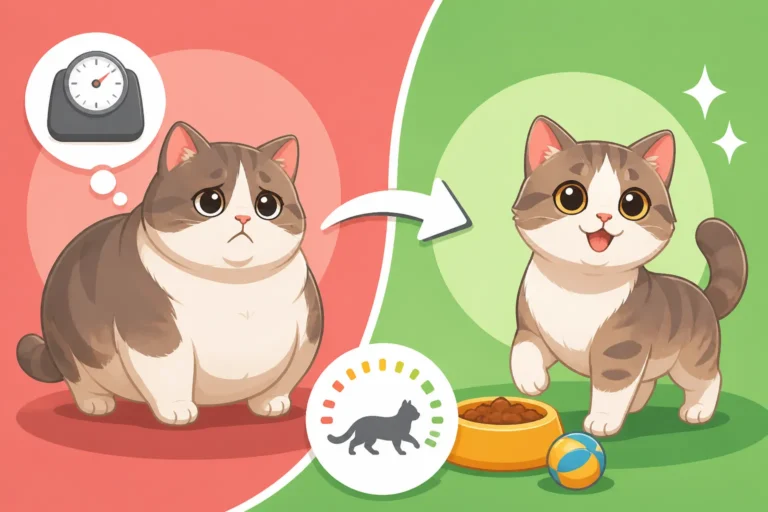
- Weight Management: Given the potential for joint stress, keeping a Munchkin at an ideal weight is perhaps the single most important lifestyle factor. Why Weight Is More Dangerous on a Munchkin is not just theoretical; every extra pound places disproportionate stress on their short limbs and spine. Regular weighing and a carefully portioned diet are non-negotiable.
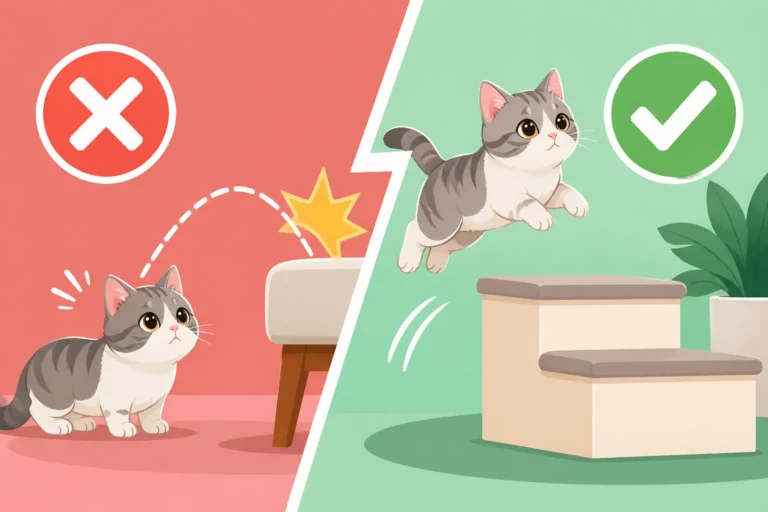
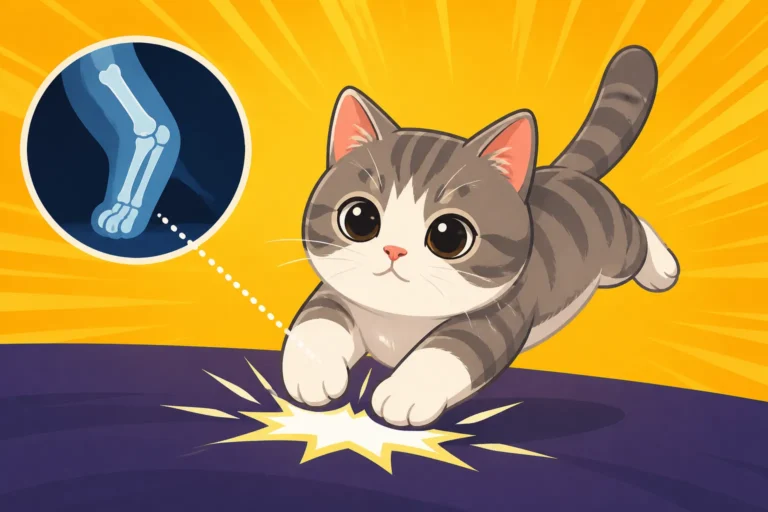
- Environmental Enrichment: Adapting your home to your Munchkin's physical capabilities minimizes strain and encourages activity. This means providing ramps and steps to facilitate easy access to favored resting spots like sofas and beds. Ramps and Steps Are Munchkin Equipment, Not Luxuries, as they prevent risky jumps and hard landings that can exacerbate joint issues over time. This proactive approach to their environment directly contributes to their comfort and reduces the wear and tear on their bodies, potentially extending their healthy, active years.
- Regular Grooming: Due to their short legs and low-slung bodies, many Munchkins, especially long-haired varieties, struggle to groom their hindquarters effectively. This can lead to matting, skin irritation, and even infections. Which Parts of Itself a Munchkin Cannot Reach should be a key consideration in an owner's grooming routine. Regular brushing and occasional sanitary clips are essential to prevent these issues, which, while not directly life-threatening, can certainly impact their quality of life and lead to secondary health problems if neglected. Again, comprehensive pet insurance like that offered by Healthy Paws can help cover unexpected veterinary costs if neglected grooming leads to skin infections or other health complications requiring professional treatment.
What Does Exist: Anecdotal Evidence and Veterinary Consensus
While formal, exhaustive studies on Munchkin lifespan are sparse, a significant body of anecdotal evidence from dedicated breeders and long-term owners, alongside general veterinary observations, paints a picture that is largely positive regarding their longevity.
Breeder and Owner Reports
Many breeders and owners who have lived with Munchkins for years report their cats living long, full lives, often well into their teens. These are the individuals who can attest to How Long a Munchkin Lives based on personal experience across multiple generations of cats. They often maintain meticulous records for their own lines, tracking the health and longevity of their breeding cats and their offspring. This informal, yet extensive, data suggests that the majority of Munchkins, when responsibly bred and properly cared for, do not have a dramatically shortened lifespan compared to other domestic cat breeds. This firsthand experience is invaluable when formal studies are lacking, forming a crucial part of the information available to prospective owners. This is also why engaging with breeders who are part of TICA and adhere to their standards is important, as these breeders are generally more invested in the long-term health and documentation of their cats.
General Veterinary Observations
While many vets may hold reservations about the ethical implications of breeding Munchkins, those who treat them routinely often observe that their daily lives and general health mirror that of other cats, provided specific considerations are met. Why Vets Disagree About the Munchkin often stems from ethical concerns rather than direct observation of universally poor health outcomes. Vets will emphasize the importance of managing weight, providing appropriate environmental enrichment, and being vigilant for signs of joint discomfort or spinal issues. They confirm that with attentive care, a Munchkin can maintain a good quality of life throughout its expected years. When considering Whether a Munchkin Is a Normal Anesthetic Risk, vets generally agree that for routine procedures like neutering, they pose no greater risk than any other cat, assuming a thorough pre-anesthetic workup. This reinforces the idea that their core physiology is robust.
| Factor Affecting Lifespan Data | Impact on Munchkin Lifespan Data Availability |
|---|---|
| Breed Age | Relatively young, not enough time for extensive longitudinal studies. |
| Recognition Status | Not universally recognized by major cat registries, leading to fragmented data collection. |
| Decentralized Records | No central database for health, mortality, and lifespan tracking across the breed. |
| Outcrossing Practices | Introduces genetic diversity, complicating pure breed-specific data analysis. |
| Anecdotal vs. Formal Data | Reliance on owner/breeder reports more than scientific studies for longevity estimations. |
| Specific Health Concerns | Conditions like lordosis and joint issues could impact lifespan, but prevalence data is debated. |
In conclusion, while the precise, scientifically published lifespan data for Munchkin cats may be thinner than for some older, more universally accepted breeds, this doesn't necessarily mean they have a shorter life expectancy. Instead, it highlights the challenges inherent in data collection for a modern, sometimes controversial, breed. By prioritizing responsible breeding, proactive veterinary care, diligent weight management, and thoughtful environmental adaptations, Munchkin owners can confidently aim to provide their short-legged companions with a long, healthy, and happy life. Investing in quality pet care, potentially with a provider like Healthy Paws, can further safeguard your cat's health journey.
Disclaimer
This article is for general informational purposes only and does not constitute professional advice. Laws, prices and regulations vary by location and change over time. Consult a qualified professional for guidance on your specific situation.