How Kidney Disease Arrives in an Old Munchkin
The worry that comes with an aging furry family member is universal, but when you have a Munchkin cat, those concerns can feel even more specific, especially when faced with common senior ailments. Kidney disease is a silent, progressive condition that often affects our feline friends as they get older, and understanding how it can appear in your cherished short-legged companion is crucial for early detection and a better quality of life. This guide will walk you through the nuances of kidney disease in old Munchkins, helping you recognize the signs and navigate their care.
Understanding Feline Kidney Disease in Our Beloved Cats
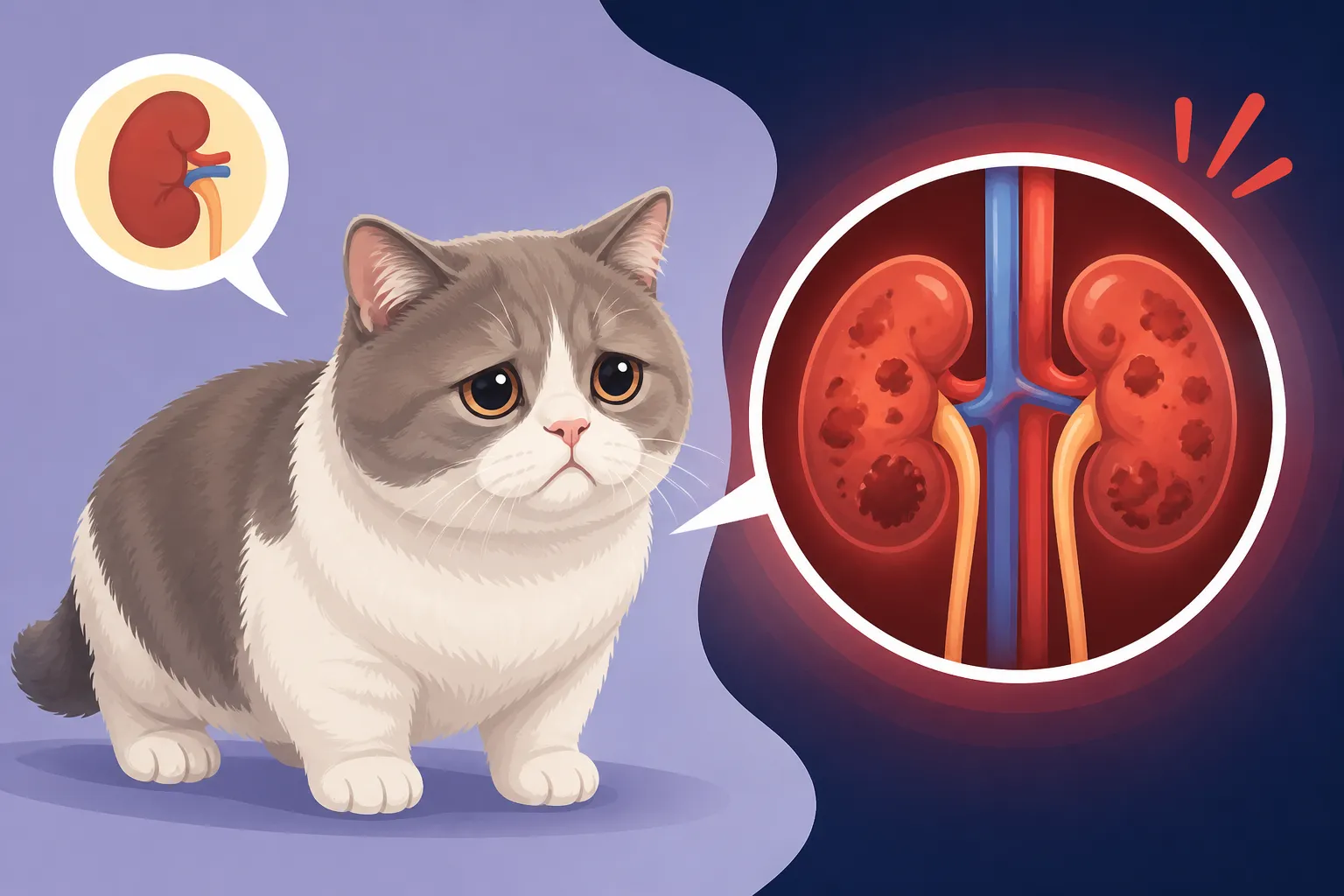
Before we dive into the specifics of our short-legged pals, it’s important to understand what kidney disease, or more accurately, chronic kidney disease (CKD), actually is in cats. Essentially, your cat's kidneys are vital organs that filter waste products from their blood, regulate blood pressure, produce hormones, and help maintain hydration. When they start to fail, these essential functions decline, leading to a buildup of toxins in the body and a host of other problems. It’s a bit like a car engine slowly losing its efficiency over time; the parts just don't work as well as they used to.
The Silent Progression of CKD
One of the most frustrating things about CKD is how stealthy it is. Cats are masters at hiding illness, a survival instinct that makes it incredibly difficult for us, their devoted caregivers, to notice problems until they're quite advanced. The kidneys have a huge functional reserve, meaning that a significant portion of the kidney tissue must be damaged before signs of illness become apparent. By the time symptoms are obvious, your cat might have already lost a considerable amount of kidney function. This silent progression is why regular veterinary check-ups, especially as your Munchkin starts to approach their senior years, are so incredibly important. Catching even subtle changes early can make a world of difference.
Common Causes and Risk Factors for Older Cats
While we often associate kidney disease with aging, it's not simply "old age" that causes it. Various factors contribute to CKD in older cats. Genetics can play a role, though there's no specific kidney disease identified as unique to the Munchkin breed itself. Other health issues, like dental disease leading to chronic infection, high blood pressure, or even certain toxins ingested over a lifetime, can contribute to kidney damage. For a Munchkin, whose physical structure might already present unique challenges, the cumulative effect of a lifetime of compensating for their shorter stature can, indirectly, add to the stress on their overall system, even if not directly causing kidney issues. Keeping an eye on your Munchkin's general health, including regular dental care, is part of preventing secondary conditions that could impact kidney function.
How Kidney Disease Might Present in an Old Munchkin
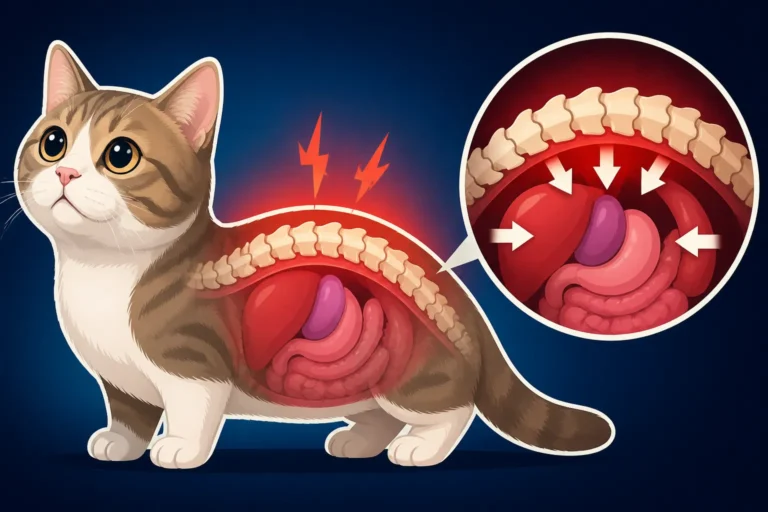
Munchkin cats, with their distinctive short legs, have a different way of moving through the world compared to their long-legged cousins. This unique physiology means that some common signs of illness, including kidney disease, might manifest or be noticed differently by an owner who is accustomed to their cat's particular habits. It's not that their short legs cause kidney disease, but rather how their life, built around those legs, influences how we observe their health.
Subtle Changes in Activity and Mobility
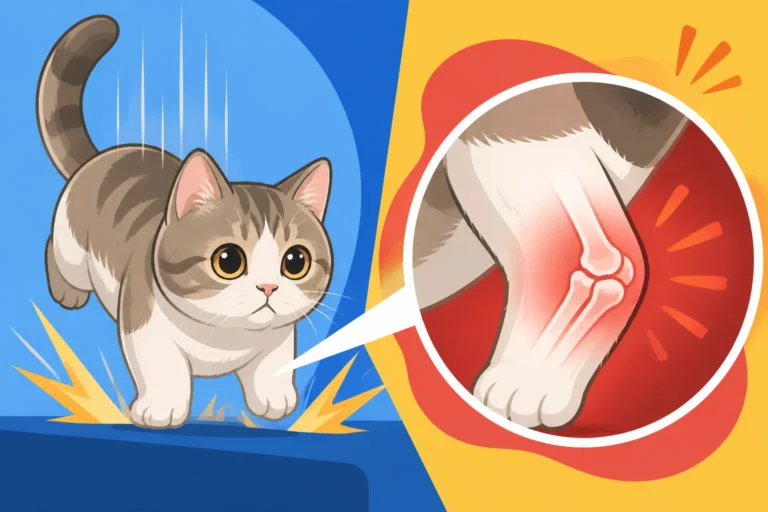
A classic sign of kidney disease in cats is lethargy or a general decrease in activity. For a long-legged cat, you might notice they're no longer leaping onto the kitchen counter or chasing toys with their usual gusto. For a Munchkin, however, jumping high isn't typically part of their repertoire to begin with. Their natural inclination is to use ramps, steps, or multiple smaller jumps to reach elevated spots. So, a subtle decrease in even this limited climbing or playing might be easily overlooked. You might notice they're choosing to stay on the floor more often, or perhaps they're taking longer to navigate their usual ramps, which you might initially attribute to general stiffness in an older cat. It's crucial to differentiate between normal signs of aging and potential illness. For instance, if you're observing What an Old Munchkin Stops Being Able to Do, consider if it's purely age-related or if other underlying health concerns, like kidney issues, could be contributing.
The Impact of Hydration and Litter Box Habits
Increased thirst and urination are hallmark signs of kidney disease. Your Munchkin might start frequenting the water bowl more often, or you might notice their litter box is wetter than usual. However, for a Munchkin, whose belly often sits quite low to the ground and who might use a low-entry litter box (which is essential for their comfort), these changes can be tricky to spot. If your cat already carries some litter on its underside, the exact wetness might be harder to gauge. Moreover, if your Munchkin has developed any spinal stiffness or discomfort with age, like the kind that might prompt you to read about Caring for an Old Munchkin That Has Stopped Climbing, they might find it uncomfortable to adopt their usual squatting position, leading to accidents outside the box or holding it longer, which can exacerbate kidney issues. It's a tricky balance to observe.
Grooming Difficulties and Appetite Shifts
Another less obvious sign can be a decline in self-grooming. Cats are meticulous creatures, but a cat feeling unwell or experiencing discomfort might neglect their coat. For a Munchkin, who already struggles to reach certain parts of their back and hindquarters due to their short legs, this can quickly lead to matting and a scruffy appearance. If you're already needing to assist with How Often to Brush a Munchkin's Back, a sudden increase in matting or a general lack of luster in their fur could be a red flag. Similarly, a reduced appetite or pickiness with food is a common symptom of kidney disease, as toxins build up and make them feel nauseous. While it’s always a challenge to ensure Why an Old Munchkin Needs Its Weight Watched Hardest, a significant and sustained drop in appetite should always warrant a vet visit.
Recognizing the Early Signs in Your Senior Munchkin
Spotting kidney disease in its early stages is key to effective management and giving your Munchkin the longest, most comfortable life possible. As we've discussed, their unique build means you need to be extra vigilant and tuned into their specific behaviors. Think of yourself as a detective, looking for the tiny clues only you, their devoted human, would notice.
Increased Thirst and Urination (PU/PD)
This is probably the most classic and often earliest noticeable sign. You might find yourself refilling the water bowl more frequently, or perhaps your Munchkin is drinking directly from the faucet more often than usual. Coupled with this, you may observe more frequent trips to the litter box, or producing larger volumes of urine each time.
How to observe this in a Munchkin:
- Water Bowl Monitoring: Keep a close eye on how quickly the water dish empties. If you have multiple pets, consider having a dedicated water source for your Munchkin or using a water fountain with a visible reservoir to track consumption. Remember that Whether a Munchkin's Water Should Be Raised Too is important for comfort, but ensure it doesn't obscure your view of their drinking habits.
- Litter Box Tracking: Note the number of times your cat uses the box and the size of the urine clumps. If you're using a low-entry box (which is highly recommended for Munchkins), it can sometimes be harder to notice volume changes compared to a traditional high-sided box, but careful observation is still possible. Scoop frequently to get a baseline.
- Accidents: If your perfectly litter-trained senior Munchkin suddenly starts having accidents outside the box, especially in unusual spots, it could be a sign they can't make it to the box in time due to increased urgency, or even that they associate the box with discomfort.
Changes in Appetite and Weight
A decrease in appetite (anorexia) or a general pickiness with food is very common with kidney disease. The buildup of toxins can cause nausea and a general feeling of malaise. This can lead to weight loss, which, for a cat whose weight needs careful management due to their unique skeletal structure, is particularly concerning.
What to look for:
- Food Disinterest: Does your Munchkin turn their nose up at food they once loved? Are they eating less at meal times, or leaving food uneaten?
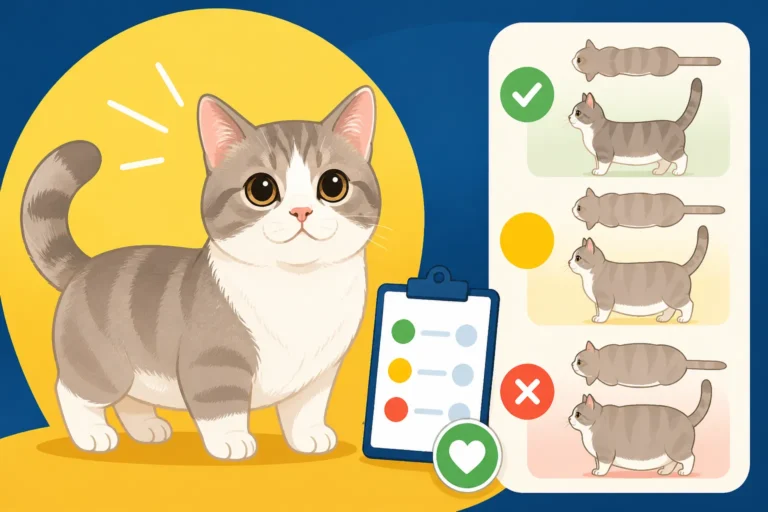
- Weight Loss: This can be subtle. Weekly weigh-ins at home can be incredibly helpful. You might also notice their ribs are more prominent when you feel along their sides, even if their low-slung belly makes them look round overall. Maintaining a healthy weight is vital, so understanding How Much Weight a Munchkin Can Safely Carry is a good baseline.
- Poor Coat Condition: As mentioned, a cat feeling unwell often neglects grooming. If your Munchkin's fur looks dull, greasy, or matted, especially on their back half, it's a symptom that shouldn't be ignored, particularly since Which Parts of Itself a Munchkin Cannot Reach already make grooming a challenge for them.
Lethargy and Weakness
Cats with kidney disease often become less active, spending more time sleeping or resting. They might seem generally weaker, less playful, and less engaged with their surroundings.
Munchkin-specific observations:
- Reduced Play: Even if your Munchkin isn't a high-jumper, they are typically playful on the floor. If they're showing less interest in their favorite wand toys or chasing catnip mice, it's a sign.
- Difficulty with Movement: While a Munchkin might normally navigate ramps or steps with ease, a cat with CKD might find even these movements more effortful. They might be slower, hesitate more, or simply choose not to attempt them. If you notice them struggling with a ramp they once used confidently, consider it a warning sign. You might be checking How to Tell Stiffness From Old Age in a Munchkin but also consider other underlying health issues like this.
Bad Breath (Halitosis) and Vomiting
As toxins build up in the blood, they can cause a distinct, ammonia-like odor on your cat's breath. Vomiting is another common sign, as the toxins irritate the digestive system.
Recognizing these symptoms:
- Unusual Breath Odor: Pay attention when your cat yawns or rubs their face near you. A particularly foul, metallic, or ammonia smell is a red flag.
- Increased Vomiting: While occasional hairballs are normal, frequent vomiting, especially if it contains food and is unrelated to eating too quickly, warrants veterinary attention.
Table: Early vs. Advanced Signs of Kidney Disease in Senior Munchkins
| Symptom Category | Early Signs (Subtle) | Advanced Signs (More Obvious) |
|---|---|---|
| Thirst/Urination | Slight increase in water intake, larger or more frequent urine clumps | Excessive thirst, constant urination, accidents outside litter box, dilute urine |
| Appetite/Weight | Picky eating, less enthusiasm for food, very gradual weight loss | Severe appetite loss, significant rapid weight loss, poor coat condition |
| Activity/Energy | More sleeping, less active play, hesitant with ramps/steps | Profound lethargy, weakness, unwillingness to move, hiding |
| Other Physical | Subtle bad breath, occasional vomiting | Strong ammonia breath, frequent vomiting, mouth ulcers, dull eyes, dehydration |
Managing Kidney Disease in an Older Munchkin
Receiving a diagnosis of kidney disease for your senior Munchkin can be overwhelming, but it's not a death sentence. With proper management and a dedicated care plan, many cats can live comfortably for a significant time after diagnosis. The goal is to slow the progression of the disease, manage symptoms, and maintain their quality of life. This often involves a multi-faceted approach, tailored to your individual cat.
Dietary Management
Diet is often one of the first and most impactful changes a vet will recommend. Kidney-specific diets are formulated to be lower in phosphorus, restricted in protein, and supplemented with omega-3 fatty acids and antioxidants. The lower phosphorus helps prevent further kidney damage, while controlled protein levels reduce the workload on the kidneys.
Munchkin-specific dietary considerations:
- Palatability is Key: Cats can be notoriously picky, and sick cats even more so. Your Munchkin might not immediately take to a new kidney diet. Work with your vet to find a palatable option. This might mean trying different brands, textures (wet vs. dry), or even warming food slightly to enhance its aroma. Patience and persistence are vital here.
- Accessible Bowls: Ensure your Munchkin's food and water bowls are easily accessible without straining their neck or back. Raised bowls can alleviate pressure on their shoulders and spine, making eating more comfortable for them.
- Weight Monitoring: As always, Why an Old Munchkin Needs Its Weight Watched Hardest. Stick to your vet's portion recommendations for the new diet to prevent both obesity and unhealthy weight loss.
Fluid Therapy
Dehydration is a common issue for cats with kidney disease, and keeping them hydrated is paramount. Many cats will require subcutaneous (under the skin) fluid therapy at home. This sounds daunting, but it's a simple procedure that most owners can learn to do with guidance from their vet.
Tips for giving fluids to a Munchkin:
- Comfort is Crucial: Find a comfortable, quiet spot where your Munchkin feels secure. For a Munchkin, this might mean on your lap or on a low, stable surface where they don't feel precarious. Avoid placing them on high tables where they might feel insecure and try to jump off.
- Positive Reinforcement: Make it a positive experience with treats and gentle praise. You might use a puzzle feeder with a low entry point afterward or give them a special treat they love.
- Professional Guidance: Your vet or vet tech will teach you exactly how to administer the fluids, including how to prepare the supplies and monitor the flow rate. Don't hesitate to ask for multiple demonstrations until you feel confident.
Medications and Supplements
Depending on your Munchkin's specific condition, your vet might prescribe various medications to manage symptoms, such as anti-nausea drugs, appetite stimulants, phosphorus binders, or medications to manage high blood pressure. Supplements like B vitamins (to replace those lost through increased urination) or specific kidney support formulas might also be recommended.
Managing medication for your Munchkin:
- Routine and Consistency: Administering medications consistently is crucial. Try to stick to a schedule that fits your daily routine to avoid missing doses.
- Pill Hiding: For pills, consider using pill pockets, a tiny bit of their favorite wet food, or even a pill dispenser if your cat is particularly resistant.
- Accessibility: Ensure all medications and supplies are stored safely but are also easily reachable for you, especially if your Munchkin has specific areas in the house that are already adapted, like a How to Arrange a Munchkin's Room in One Plane.
Environmental Adjustments
Your home environment should be as supportive as possible for your senior Munchkin with kidney disease. Their comfort and ease of access to essential resources are critical.
Munchkin-friendly adjustments:
- Ramps and Steps: Double-check that all their favorite spots – sofas, beds, window perches – are still easily accessible via ramps or steps. As they age and perhaps become weaker, a ramp that was once manageable might now feel too steep. Why an Old Munchkin's Ramps Need Regrading as they get older.
- Multiple Water Sources: Place several water bowls throughout the house, always at floor level or on a slightly raised platform they can comfortably reach. The easier it is for them to drink, the better. Consider a cat fountain to encourage drinking, ensuring it's one they can easily reach into.
- Litter Box Access: Continue using low-entry litter boxes and ensure they are placed in easily accessible locations on every floor of your home, especially if your Munchkin needs to get there quickly. Remember that Why a Munchkin Will Go Outside a Box It Cannot Enter if it becomes too challenging.
Preventative Measures and Ongoing Care for Senior Munchkins
While we can't completely prevent all diseases, especially those associated with aging, there's a lot we can do to give our beloved Munchkins the best chance at a long, healthy life and to catch any issues like kidney disease as early as possible. Proactive care is truly the cornerstone of senior pet ownership.
Regular Veterinary Check-ups and Blood Work
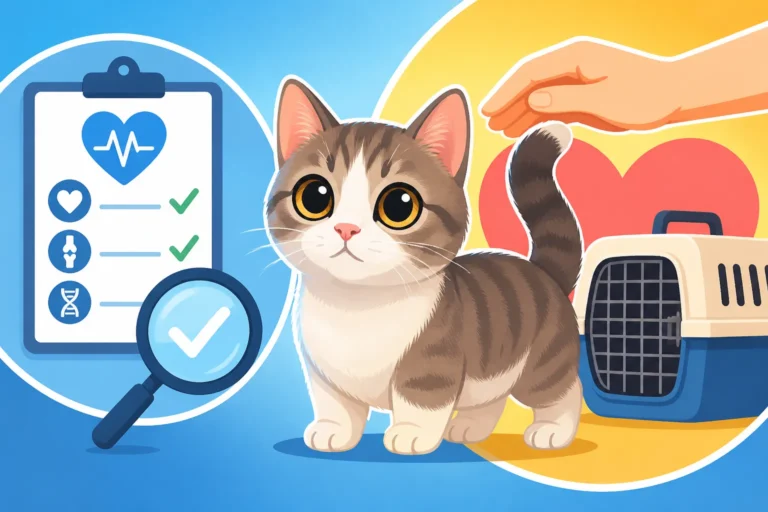
This is perhaps the most important preventative measure. As your Munchkin enters their senior years (typically around 7-8 years old), annual or even bi-annual vet visits become essential. These aren't just for booster shots; they're comprehensive health screenings.
What to expect during senior check-ups:
- Physical Exam: Your vet will perform a thorough physical, palpating their abdomen, checking their teeth, eyes, and ears, and assessing their gait. They will also be checking for any signs of discomfort or changes in body condition.
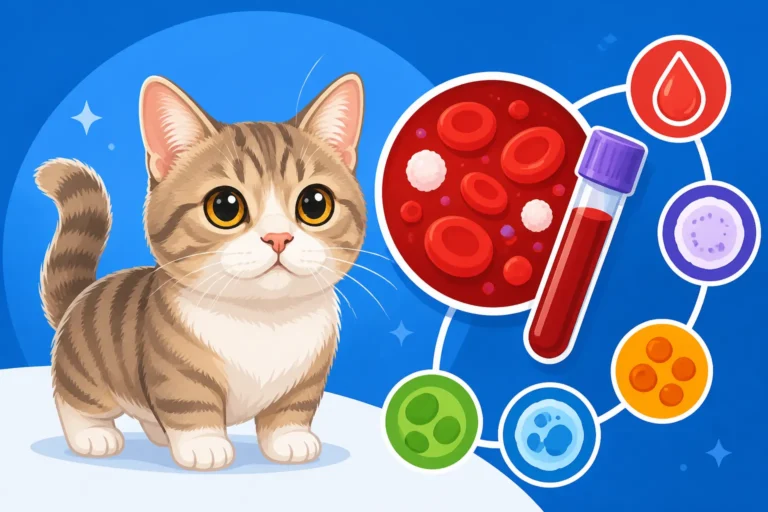
- Blood Work: Crucial for detecting early kidney disease. A senior blood panel often includes a complete blood count (CBC) and a biochemistry profile. Key markers for kidney function are creatinine (CREA), blood urea nitrogen (BUN), and particularly symmetric dimethylarginine (SDMA). SDMA can detect kidney disease much earlier than BUN or CREA, sometimes when only 25% of kidney function is lost, compared to 60-75% for BUN/CREA. Understanding Which Blood Values Matter Most in a Munchkin is essential.
- Urinalysis: A urine sample can provide valuable information about kidney function, including urine specific gravity (how concentrated the urine is), which is an early indicator of kidney issues.
Maintaining a Healthy Weight
We can't stress this enough for Munchkin cats. Their short legs and unique spinal structure mean that every extra pound puts disproportionate stress on their joints and spine. Obesity exacerbates almost every health condition, including kidney disease. An overweight cat is also at higher risk for conditions like diabetes, which can in turn affect kidney health.
Tips for weight management:
- Portion Control: Precisely measure your Munchkin's food according to your vet's recommendations. Don't free-feed; offer meals at set times.
- Appropriate Exercise: Encourage regular, low-impact play that keeps them moving without putting undue stress on their joints. Wand toys at floor level are perfect for this. Even for an older Munchkin, a short play session can help keep their muscles toned and their weight in check.
- Regular Weigh-ins: Weigh your Munchkin at home every week or two to catch any upward trends quickly.
Ensuring Optimal Hydration
Kidneys need water to function efficiently. Encourage your Munchkin to drink as much as possible.
How to boost hydration:
- Multiple Water Sources: Offer several bowls of fresh water around the house.
- Wet Food: Incorporate good quality wet food into their diet, as it has a much higher moisture content than dry kibble.
- Water Fountains: Many cats are enticed by the running water of a pet fountain. Just make sure it's low enough for your Munchkin to comfortably drink from without straining.
Proactive Management of Other Health Conditions
Since many health issues can indirectly impact kidney health, proactive management of any other conditions your Munchkin might develop is crucial. For example, dental disease, if left untreated, can lead to chronic infection and inflammation that places stress on the entire body, including the kidneys. Any spinal issues that might require Why a Munchkin's Budget Should Include X Rays should be addressed to maintain their overall comfort and mobility, thus improving their general resilience.
Pet Insurance as a Support System
For older pets, unexpected health issues can lead to significant veterinary bills. Pet insurance can be an invaluable tool to help manage these costs, giving you peace of mind to pursue the best possible care for your Munchkin without financial stress. Companies like Healthy Paws, for example, offer plans that can cover diagnostics, treatments, and even prescription diets for chronic conditions like kidney disease. It's something many owners consider especially when their cat reaches an age where health concerns become more likely. Researching Whether Pet Insurance Covers a Munchkin's Spine is also a good idea to understand broader coverage options for your specific breed.
By staying proactive, observant, and working closely with your veterinarian, you can navigate the challenges of kidney disease in your old Munchkin and ensure they continue to enjoy their senior years with comfort and dignity.
Disclaimer
This article is for general informational purposes only and does not constitute professional advice. Laws, prices and regulations vary by location and change over time. Consult a qualified professional for guidance on your specific situation.