Which Parts of Itself a Munchkin Cannot Reach
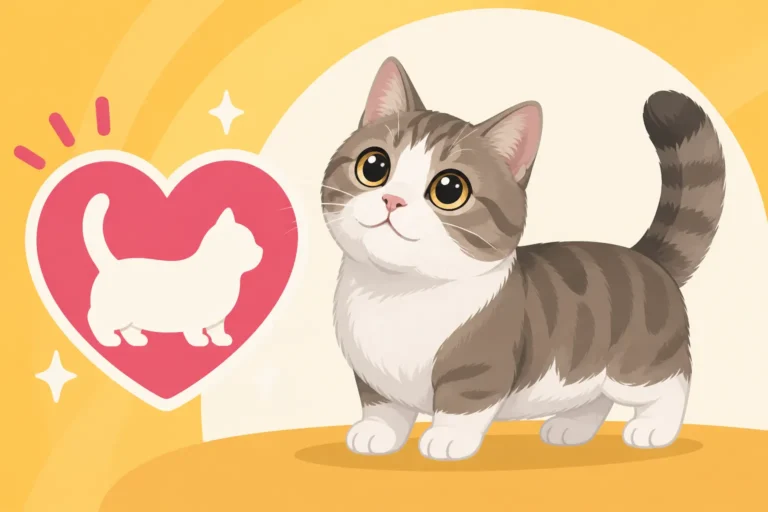
It’s a tough truth that our adorable Munchkin cats, with their uniquely short legs, face some challenges that their long-legged counterparts simply don’t. One of the biggest, and often overlooked, hurdles for these sweet companions is maintaining their own personal hygiene. Many prospective and current Munchkin owners wonder: which parts of itself a Munchkin cannot reach? This comprehensive guide will delve deep into the specific areas your Munchkin might struggle to groom and, more importantly, empower you with the knowledge and tools to provide the loving assistance they truly need to live a comfortable, healthy life.
The Unique Grooming Challenges of a Munchkin Cat
Imagine trying to reach your own lower back or the middle of your shoulders if your arms were significantly shorter than the rest of your torso. That's a pretty close analogy for what a Munchkin cat experiences daily when it comes to self-grooming. Their distinctive physique, while undeniably charming, presents a set of physical limitations that directly impact their ability to keep themselves pristine.
Understanding Their Physical Limitations
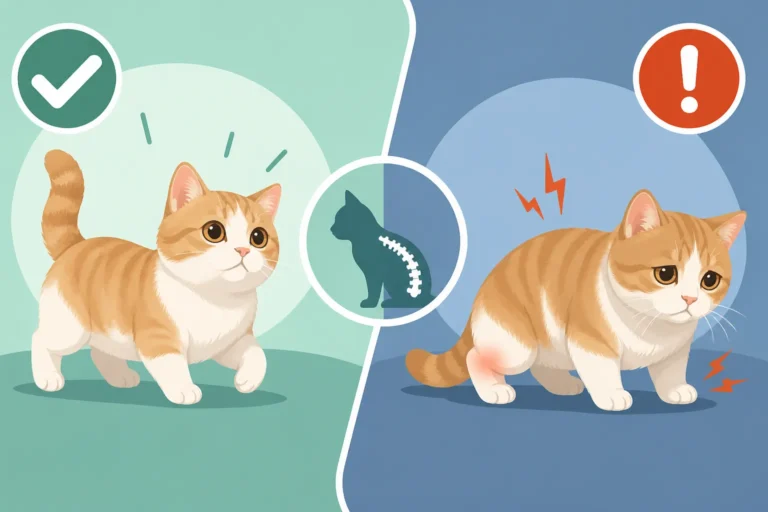
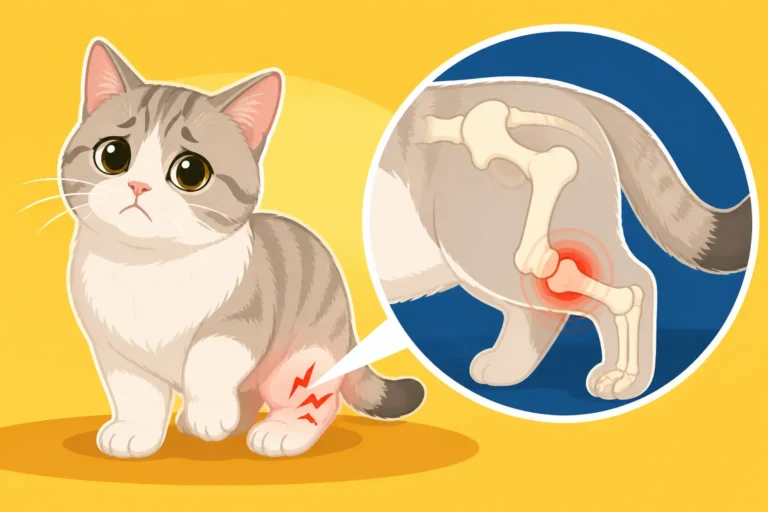
The defining characteristic of a Munchkin cat is their short legs, a result of a genetic mutation known as pseudoachondroplasia. This affects the length of their long bones, making their legs disproportionately shorter compared to their body. While their spine itself is typically of normal length, as discussed in Why a Munchkin's Spine Is Normal Length, the reduced leg length severely impacts their range of motion. A normal cat can twist, contort, and stretch with incredible agility, enabling them to reach almost every inch of their body with their tongue. They can lift their hind legs high to groom their perineal area, arch their back to tackle their lower spine, and even perform acrobatic feats to clean their shoulders.
For a Munchkin, these natural movements are significantly hampered. Their short limbs mean less leverage and a smaller arc of reach. The muscles and joints in their shoulders and hips are constrained by the skeletal structure, making extreme flexion and extension difficult, if not impossible. This isn't just about a bit of stiffness; it's a fundamental physical barrier that prevents them from executing the full repertoire of a cat's typical grooming behaviors. They try, bless their hearts, but their little legs just can't quite get there.
Key Areas They Struggle to Reach
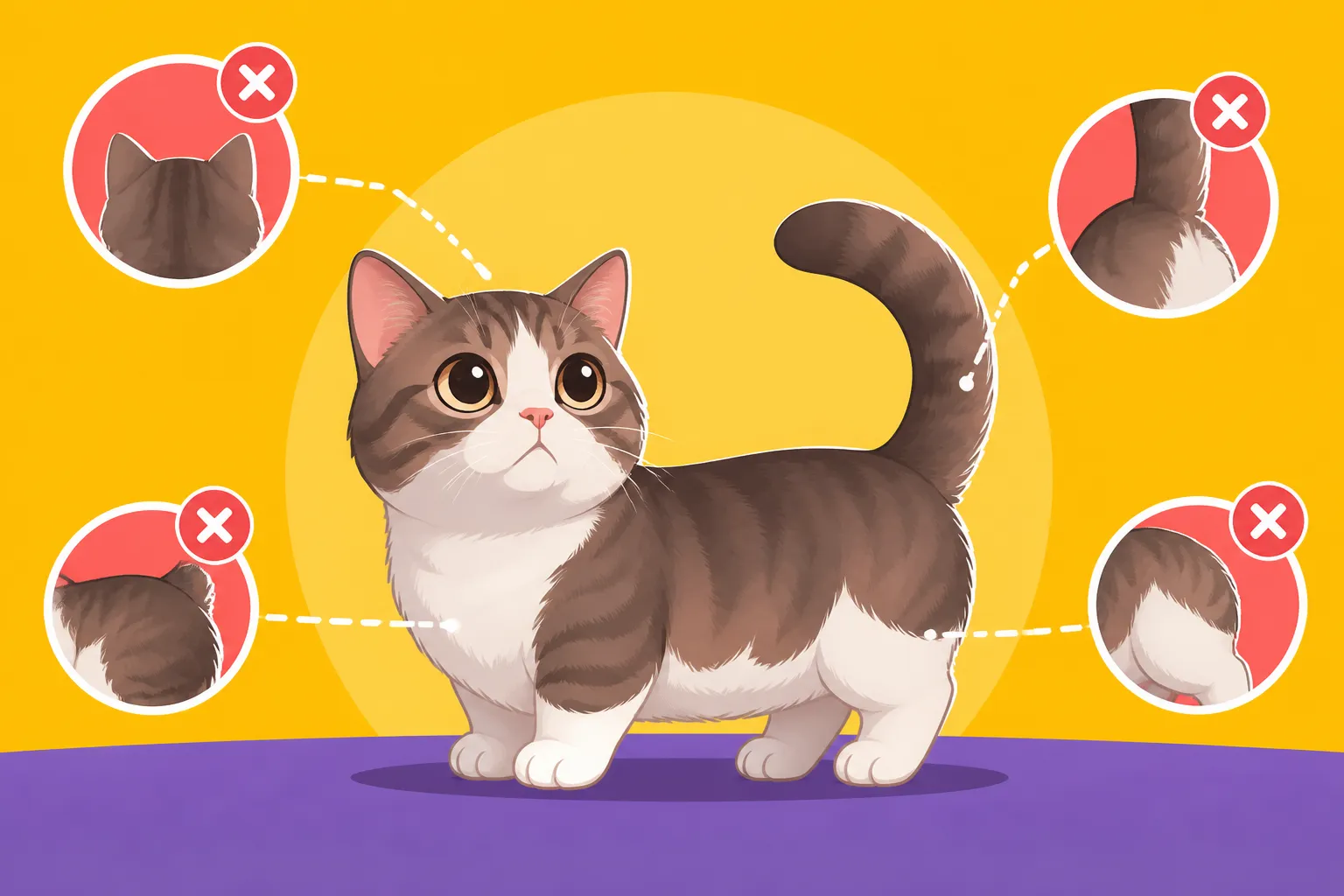
So, where exactly do these adorable short legs fall short? The most common and problematic areas for Munchkin cats to groom effectively are:
- The Lower Back and Base of the Tail: This is perhaps the most obvious challenge. A normal cat can easily arch and twist to reach this area, but a Munchkin’s shorter hind legs and less flexible hip joints make it a real stretch. You might notice their attempts, a sort of desperate wriggling, but they simply lack the reach to get their tongue where it needs to go.
- The Hindquarters and Perineal Area: This is a critical area for hygiene, especially after using the litter box. Without the ability to lift a hind leg sufficiently high or twist far enough, cleaning away fecal matter can be incredibly difficult. This isn't just unsightly; it's a significant health risk, leading to potential skin infections and discomfort.
- Parts of the Belly and Armpits: While they can usually reach the front of their chest and some of their side, the deepest parts of their belly, particularly near their armpits and inner thighs, can be tricky. Their low-slung body, which results in Why a Munchkin's Belly Nearly Touches the Floor, means these areas can also get dirty more easily, making the inability to self-clean even more frustrating for them.
These limitations mean that certain areas of your Munchkin's body are constantly vulnerable to neglect, no matter how much they try. It’s not a lack of effort on their part, but a physical reality that requires human intervention.
Consequences of Incomplete Self-Grooming
When a cat can't properly groom itself, it’s not just about a messy appearance. There are real, tangible health consequences that can arise, ranging from mild discomfort to serious medical issues. Understanding these potential problems is the first step in becoming a proactive and responsible Munchkin owner.
Matting and Skin Irritation
One of the most immediate and visible problems stemming from a Munchkin’s inability to reach their back and hindquarters is the formation of mats in their fur. This is particularly prevalent in long-haired Munchkins, but even short-haired varieties can develop mats if neglected. Mats are dense clumps of tangled fur that pull on the skin, causing significant pain and discomfort. They can restrict movement, making it even harder for the cat to navigate or attempt grooming.
Beyond the physical discomfort, mats create a breeding ground for bacteria and parasites. The trapped moisture and debris beneath matted fur can lead to severe skin irritation, dermatitis, and even open sores. These sores are not only painful but can become infected, requiring veterinary intervention. You might notice your Munchkin scratching excessively or becoming withdrawn if they are suffering from severe matting. It's truly miserable for them. As an owner, you'll soon learn that Whether Matting Becomes a Health Problem in a Munchkin is not a question of 'if,' but 'when,' without proper care. If your beloved Munchkin ends up needing vet care for skin issues due to matting, having pet insurance like Healthy Paws can provide immense peace of mind, covering those unexpected medical costs.
Hygiene Issues Around the Litter Box
This is perhaps the most sensitive, yet critical, area of concern. After a Munchkin uses the litter box, especially for bowel movements, they often struggle immensely to clean their hindquarters thoroughly. Their short legs prevent them from lifting and twisting in the way a normal cat would to access the perineal area. This often results in fecal matter clinging to the fur around their anus and under their tail.
Beyond the unpleasant odor and mess, this can lead to several problems:
- Skin Infections: Constant contact with fecal matter can irritate the delicate skin in the perineal area, leading to inflammation, redness, and bacterial infections.
- Litter Box Aversion: Some Munchkins might start to associate the litter box with discomfort or messiness and begin eliminating outside the box, creating a whole new set of behavioral problems for owners. Ensuring they have a Why a Munchkin Needs a Litter Box It Can Walk Into is crucial, but it doesn't solve the after-care problem.
- Worm Infestations: Fecal contamination can also facilitate the spread of internal parasites if hygiene isn't meticulously maintained.
It's a distressing situation for the cat, causing them chronic discomfort and potentially leading to serious health complications if left unaddressed.
Overlooked Areas and Hidden Discomfort
Beyond the obvious matting and hygiene concerns, a Munchkin's inability to reach certain areas can lead to less apparent, but equally important, issues. These are the "hidden discomforts" that might not be immediately visible but can significantly impact their quality of life. For instance, they might be unable to reach certain itchy spots on their back or feel a small cut or scrape that a long-legged cat would immediately attend to. This means that minor skin irritations, flea bites, or even small wounds can go unnoticed by the cat itself, allowing them to escalate into bigger problems.
Furthermore, a Munchkin’s unique gait and lower body can make them more prone to certain environmental contacts. Their belly fur, which often sweeps the ground, can pick up debris, dirt, or even allergens that they can't effectively groom away. If this build-up isn't regularly cleaned by you, it can lead to persistent skin issues, itching, and discomfort that the cat has no way of alleviating themselves. Vigilance from the owner is absolutely paramount to catch these issues early. If these overlooked areas do lead to veterinary visits, having a pet insurance plan like Healthy Paws can be a tremendous asset, covering eligible accident and illness costs and ensuring your Munchkin gets the care they need without you worrying about the bill.
| Area of Body | Normal Cat's Reach | Munchkin's Reach | Owner's Role |
|---|---|---|---|
| Lower Back | Can arch and twist to groom | Extremely difficult to impossible | Regular brushing, mat checks, gentle massage |
| Hindquarters | Easily lifts hind leg for thorough cleaning | Very limited, often incomplete after litter box use | Sanitary clips, daily wiping, routine inspections |
| Base of Tail | Easily accessible | Challenging, prone to matting | Focused brushing, checks for debris/parasites |
| Deep Belly/Armpits | Can twist and reach | Difficult, especially deeper sections | Regular checks for skin irritation, gentle brushing |
| Rear Legs (Inner) | Good flexibility for cleaning | Restricted, can accumulate dirt/mats | Assistance with cleaning, brushing |
| Outer Shoulders | Can twist and contort | Challenging, especially for thorough grooming | Routine brushing, ensuring no mats form |
Practical Solutions for Assisting Your Munchkin
Given their physical limitations, it becomes clear that owning a Munchkin cat involves a commitment to helping them with their grooming needs. This isn't a chore; it's an essential part of responsible pet ownership that ensures their comfort, health, and happiness. Establishing a consistent routine and being prepared with the right tools will make all the difference.
Establishing a Regular Grooming Routine
The best defense against mats and hygiene issues is a consistent, gentle grooming routine. This isn't about giving them a full bath every week (unless absolutely necessary), but rather making regular brushing and inspection a part of your daily or weekly interactions.
- Frequency: For short-haired Munchkins, a thorough brushing 2-3 times a week might suffice, focusing on their problem areas. For long-haired Munchkins, daily brushing is often essential, particularly around their hindquarters and belly, as highlighted in How Often a Longhaired Munchkin's Back Half Needs Brushing.
- Tools: Invest in good quality grooming tools. A soft-bristle brush is great for overall coat health and bonding. A slicker brush or a fine-toothed metal comb is invaluable for tackling potential mats gently. Keep some pet-friendly wipes on hand for quick clean-ups around their rear.
- Technique: Approach grooming as a positive experience. Start with short sessions, offering treats and praise. Support their body gently, perhaps with them lying on their side on your lap, to access their belly and hindquarters without stressing their back. Always brush in the direction of hair growth. When encountering a mat, don't pull! Gently try to tease it apart with your fingers or the tip of a comb. If it's too tight, it's time for professional help. The goal is to make it a relaxing bonding experience, not a wrestling match.
Remember, consistency is key. Even if you don't find mats every time, the regular brushing helps prevent them and gets your Munchkin accustomed to the process.
Sanitary Clipping and Professional Grooming
Sometimes, regular brushing isn't enough, especially for long-haired Munchkins or those prone to severe matting. This is where sanitary clipping and professional grooming come into play.
- Sanitary Clip: A sanitary clip involves carefully trimming the fur around a cat's anus and perineal area short. This dramatically reduces the chance of fecal matter sticking to the fur and makes daily wiping much easier. It's a game-changer for many Munchkin owners. While some owners learn to do this carefully at home with pet-specific trimmers, it's often best left to a professional groomer or your vet, especially if you're new to it, to avoid accidental nicks. This crucial aspect of care directly addresses Whether a Munchkin Needs a Sanitary Clip.
- Professional Grooming: For serious matting, or if your Munchkin has a very thick or long coat that's difficult to manage at home, a professional groomer is invaluable. They have the specialized tools and expertise to safely remove mats, often with clippers, which is less painful for the cat than trying to brush them out. They can also provide a full body trim if necessary, making at-home maintenance much easier. When choosing a groomer, look for one experienced with cats, particularly those with special needs or specific breed challenges. Ask about their approach to fearful cats and if they have experience with Munchkins. If professional grooming is recommended by your vet due to severe matting or skin issues, some pet insurance providers like Healthy Paws may cover a portion of the cost if it's deemed a necessary medical treatment.
Don't feel like a failure if you need to rely on professionals. They are there to help ensure your Munchkin stays comfortable and healthy.
Daily Checks and Preventative Measures
Beyond the brushing and professional help, proactive daily checks and preventative measures are vital for your Munchkin's well-being.
- Daily Visual and Tactile Checks: Make it a habit to quickly glance at your Munchkin's hindquarters and run your hands over their back and belly every day. Look for any signs of mats forming, redness, swelling, or changes in their skin or fur. Feel for any lumps or bumps that might indicate a problem. Early detection is crucial for preventing minor issues from becoming major ones.
- Post-Litter Box Wipes: Especially for long-haired Munchkins, a quick wipe with a pet-friendly, unscented wet wipe after they use the litter box can prevent a lot of mess and hygiene issues. This simple step can drastically improve cleanliness around their rear.
- Litter Choice and Cleanliness: The type of litter you use can also impact their hygiene. Some litters, especially very fine clay litters, can stick to fur more easily. Consider alternatives if you find this is a persistent problem, keeping Which Litter Sticks to a Munchkin's Belly in mind. More importantly, keep the litter box impeccably clean. Scoop at least twice a day, and perform full litter changes regularly. A clean litter box means less chance of anything adhering to their fur.
- Diet and Hydration: A high-quality diet rich in omega fatty acids can contribute to a healthier coat and skin, making it less prone to matting and irritation. Ensure your Munchkin always has access to fresh water, as good hydration is also key to skin health.
By integrating these practices into your daily life with your Munchkin, you become their personal groomer, health inspector, and best advocate. It's a small price to pay for the joy and companionship these special cats bring into our lives.
Disclaimer
As a helpful and informative guide, this content is not a substitute for professional veterinary advice. Always consult with a qualified veterinarian regarding any health concerns or before making any decisions about your pet's medical care or treatment.