Why CFA Will Not Register a Munchkin
Many prospective cat parents, charmed by the unique appearance of the Munchkin cat, often wonder why they don't see this delightful breed represented in prestigious cat shows or among the registered breeds of a major organization like the Cat Fanciers' Association (CFA). It can be truly frustrating when you're trying to understand the full landscape of cat breeds and keep hitting a wall with certain ones. This guide is here to shed light on exactly why the CFA has chosen not to register the Munchkin cat, delving deep into the reasons and the broader implications for the breed and its enthusiasts.
The Foundation of Cat Fanciers' Association (CFA) Principles
The Cat Fanciers' Association is one of the oldest and most respected cat registries in the world, with a long history of promoting the welfare and natural health of felines. Their policies and decisions regarding breed recognition are deeply rooted in a foundational philosophy that prioritizes robust health, natural conformation, and genetic integrity above all else. When a cat breed applies for recognition, it undergoes rigorous scrutiny to ensure it aligns with these core values. It’s not just about a cute look; it’s about the cat’s entire well-being.
Prioritizing Health and Vigor in Breed Standards
For the CFA, a recognized breed must demonstrate a standard of health and vigor that ensures a good quality of life without inherent genetic predispositions to debilitating conditions. This means looking beyond superficial traits to evaluate the overall impact of a breed's distinguishing characteristics on its physical capabilities and longevity. They aim to safeguard the future of purebred cats by preventing the widespread acceptance of traits that could lead to widespread suffering or veterinary challenges for future generations. It’s a commitment to the animal itself, not just its aesthetic appeal.
For example, a cat breed that struggles with common ailments linked directly to its breed-defining features would likely face an uphill battle for CFA recognition. The association's veterinary advisory committees play a crucial role in assessing these potential health risks, reviewing scientific data, and making recommendations based on what they believe is best for the long-term health of the cat population. This approach ensures that any breed given their stamp of approval is, in their considered opinion, built for a healthy, active life.
The Importance of Natural Conformation
Another cornerstone of CFA's philosophy is the emphasis on natural conformation. This refers to a cat's physical structure and appearance being within the range of what is considered normal for a healthy, athletic feline, capable of typical cat behaviors. Breeds accepted by the CFA generally exhibit proportional bodies, functional limbs, and features that do not impede their ability to move, groom, or interact with their environment naturally. This isn’t to say all CFA breeds look exactly the same – far from it – but rather that their unique traits don't come at a physical cost.
The concern arises when a breed's defining characteristic significantly deviates from this natural conformation, especially if it affects fundamental abilities like locomotion or spinal support. A cat's body is a marvel of engineering, designed for agility and grace. Any alteration that might compromise this natural design, particularly if it's the result of a genetic mutation, is examined with extreme caution. The idea is to preserve the cat's inherent ability to be a cat, in all its agile glory, without physical limitations imposed by selective breeding for extreme traits.
Upholding a Long-Standing Tradition of Welfare
Ultimately, the CFA sees itself as a guardian of feline welfare and upholds a long-standing tradition of ethical breeding practices. Their standards are not just about looks; they are about promoting responsible ownership and breeding that contributes to the overall health and happiness of cats. This means taking a stand against traits or breeding practices that could be perceived as detrimental to an animal's quality of life, even if those traits are popular or in high demand.
The decision not to register a particular breed is rarely made lightly. It reflects a deep-seated belief that recognizing a breed with certain inherent characteristics could send the wrong message about what constitutes healthy breeding. For the CFA, their role extends to educating the public and guiding breeders towards choices that prioritize the cat's well-being above all else. This stance, while sometimes unpopular, is a testament to their unwavering commitment to the animals they represent.
The Specific Concerns About Munchkin Anatomy
The primary reason for the CFA's stance on Munchkin cats stems from their unique anatomy, specifically the genetic mutation responsible for their short legs. While endearing to many, this characteristic raises significant welfare concerns for the association. Understanding the science behind the short legs and their potential impact on the cat's body helps clarify the CFA's position. It’s not just a matter of appearance, but of fundamental skeletal structure.
Understanding Achondroplasia in Cats
Munchkin cats are characterized by a form of dwarfism known as pseudoachondroplasia, which is an autosomal dominant genetic mutation affecting the long bones of the legs. This is distinct from achondroplasia, which also affects the head and spine. In Munchkins, the spine and head typically remain normal length, but the leg bones are significantly shortened. The key word here is "dwarfism," which, while charming in appearance, inherently means a deviation from the typical feline skeletal structure. You can learn more about What Pseudoachondroplasia Does to a Munchkin's Legs and how this impacts their daily life.
This genetic trait, while naturally occurring, is the central point of contention. The CFA, along with many veterinary professionals and other cat welfare organizations, expresses concern that breeding for a known genetic abnormality, even if it appears to cause no immediate distress, can have long-term health implications. The very definition of the breed is tied to this mutation, and it's this fundamental characteristic that triggers their welfare concerns. It's a careful balance between celebrating unique genetics and ensuring those genetics don't compromise health.
The Impact on Spinal Health and Mobility
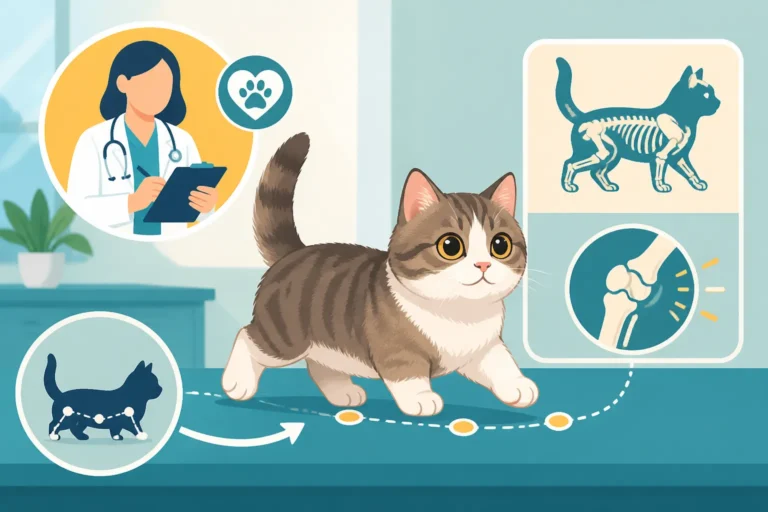
One of the most significant concerns related to the Munchkin's anatomy is the potential impact on spinal health. While their spine is generally of normal length, the shortened legs mean that the vertebral column is often carried closer to the ground, potentially altering the biomechanics of movement and placing unusual stresses on the spine. Think about how a normal cat’s spine is designed to distribute weight and absorb shock through longer, more flexible limbs. When those limbs are short, the dynamic changes entirely.
This altered weight distribution and gait can lead to conditions such as lordosis, a severe inward curvature of the spine, which can compress internal organs and lead to significant discomfort. While not every Munchkin develops severe lordosis, the potential for this and other spinal issues is a major red flag for organizations focused on preventing inherited health problems. Understanding Why a Munchkin's Spine Carries a Load a Normal Cat's Does Not can give you a deeper insight into these structural challenges. Even mild forms of spinal issues could impact a cat's quality of life over its lifespan, leading to chronic pain or reduced mobility later on.
Potential Secondary Health Issues Associated with Short Legs
Beyond direct spinal concerns, the shortened limbs can lead to a host of secondary issues affecting a Munchkin's overall health and well-being. Their inability to jump and climb like other cats means they rely more on horizontal movement, which can put different kinds of strain on their joints, especially their shoulders and elbows. Imagine a cat that constantly lands from small heights on short, rigid legs – the impact has to go somewhere.
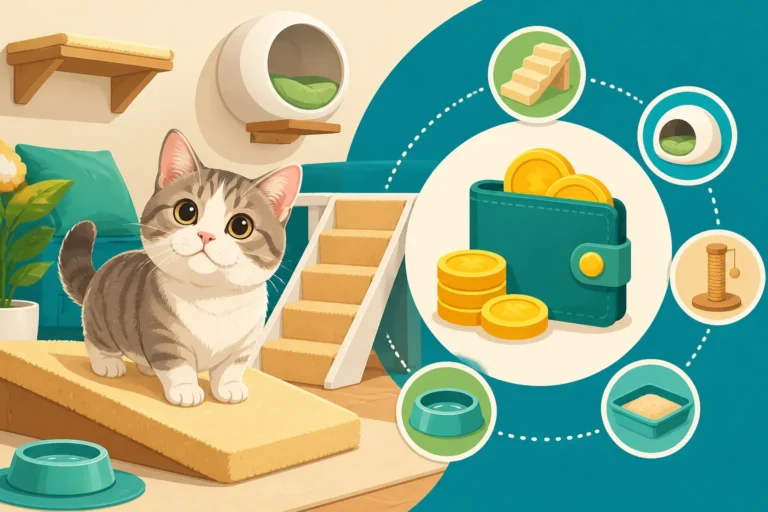
For example, many Munchkin owners find they need to provide ramps or steps to help their cats access furniture, which in a normal cat would be a single effortless jump. This limitation not only impacts their natural behaviors but can also affect their ability to escape perceived threats or even groom themselves properly, especially their hindquarters. We've talked before about Which Health Problems the Munchkin Actually Has and how these manifest. Furthermore, weight management becomes even more critical for a Munchkin because extra pounds place disproportionate stress on their already compromised joints and spine. Companies like Chewy offer a wide range of specialized foods and supplements that can help manage weight and support joint health, but prevention through careful monitoring is key.
The Ethical Dilemma of Breeding for Physical Traits
The CFA's decision also touches upon a broader ethical debate within the cat fancy: the appropriateness of breeding for extreme physical traits, especially those that arise from genetic mutations. This isn't unique to Munchkins; similar discussions have occurred with other breeds over the years, demonstrating a constant tension between aesthetic desires and animal welfare. It's a conversation many dedicated breeders and cat lovers find themselves having.
The Debate Over "Extreme" Features
The term "extreme" in breeding often refers to physical characteristics that significantly deviate from the ancestral form of a species and which may, directly or indirectly, impact the animal's health, comfort, or natural abilities. While some breeds naturally evolved with unique features, others have been developed through selective breeding for specific, sometimes exaggerated, traits. The Munchkin's short legs fall into this category of an "extreme" feature, given its impact on natural feline locomotion.
Critics of such breeding practices argue that prioritizing these unique looks over functional health can lead to suffering for the animals. They point to historical examples in various species where breeding for extreme features led to widespread health problems. The CFA, in its refusal to register the Munchkin, essentially takes a stand on this issue, suggesting that the short legs, while distinctive, cross a line into what they consider an undesirable extreme due to potential health implications.
Balancing Aesthetic Desire with Animal Welfare
This ethical dilemma boils down to a fundamental question: where do we draw the line between appreciating a unique aesthetic and ensuring the best possible welfare for our companion animals? For many Munchkin enthusiasts, the cats are charming, playful, and outwardly appear healthy, leading them to believe that the concerns are overblown. They see a happy cat thriving in its home environment and question why a registry would deny it recognition based on potential issues.
However, organizations like the CFA take a more cautious and preventative approach. They aim to prevent potential welfare issues from becoming widespread by setting high standards for what constitutes a healthy breed. They argue that if a defining trait carries a known risk for significant health problems, even if those problems don't manifest in every individual, it's a responsible choice to not officially endorse the breed. This stance sparks considerable debate, highlighting the passionate differences in opinion on this complex issue.
The Breeder's Responsibility and Public Perception
For breeders, this ethical debate places a significant responsibility on their shoulders. A reputable breeder is expected to prioritize the health and temperament of their animals above all else, ensuring that their breeding practices contribute positively to the breed's genetic health. In the context of breeds with unique or potentially controversial traits, this responsibility becomes even more pronounced. Breeders often face the challenge of educating prospective owners about the specific needs and potential challenges of their chosen breed.
The public's perception also plays a huge role. If a major registry refuses to acknowledge a breed, it often signals to the broader public that there are legitimate concerns about its welfare. This can influence potential pet owners' decisions and create a stigma around the breed, regardless of the individual cat's health. For Munchkin breeders, this means navigating a landscape where their chosen breed is widely adored by some, yet ethically questioned by others, forcing them to be even more transparent about their breeding practices and the health of their lines. Responsible breeders understand the importance of genetic testing and carefully selecting breeding pairs to mitigate known risks.
How Other Registries Approach the Munchkin
It's important to understand that the CFA's stance is not universally adopted across all cat registries globally. The cat fancy is a diverse world, and different organizations have different philosophies, priorities, and criteria for breed recognition. This divergence in opinion often creates confusion for new cat owners trying to understand the full picture of the Munchkin's status.
TICA's Acceptance and Championship Status
In stark contrast to the CFA, The International Cat Association (TICA) officially recognized the Munchkin cat in 1994, granting it Championship status in 2003. TICA is known for being a more progressive registry, often accepting and promoting newer breeds and those with unique characteristics. Their acceptance of the Munchkin was a landmark decision that significantly boosted the breed's profile and legitimacy for many breeders and enthusiasts. You can look into What TICA Championship Status Gives a Munchkin for more details on this.
TICA's position is that, when responsibly bred, Munchkin cats do not suffer from more health problems than other domestic cats. They emphasize that the dwarfism trait specifically affects leg length and does not inherently lead to spinal issues like lordosis or pectus excavatum at a higher rate than in the general cat population, provided breeders select healthy lines and avoid breeding two short-legged cats together. They believe that with careful breeding and owner education, the breed can thrive. This difference in opinion highlights the complexity and often passionate debate surrounding the breed.
The Position of European and International Bodies
While TICA embraces the Munchkin, many European and other international cat associations mirror the CFA's cautious approach, if not an outright ban on breeding. Organizations like the Governing Council of the Cat Fancy (GCCF) in the UK, and various associations in countries like Germany and Norway, refuse to recognize the Munchkin or have outright banned its breeding due to welfare concerns surrounding the genetic mutation. These bodies often cite legislation against breeding animals with traits that cause suffering or inhibit natural movement.
Their arguments often center on the principle that deliberately breeding for a genetic mutation that causes chondrodystrophy (a disorder of cartilage growth) is unethical, regardless of how "cute" the outcome might be. They view the shortened limbs as a potential impediment to the cat's natural agility, escape mechanisms, and long-term joint health, concluding that such a trait should not be perpetuated or glorified through breed recognition. This shows a distinct geographical and philosophical divide within the global cat community regarding the Munchkin.
Why the Cat Fancy Remains Divided
The ongoing disagreement among major cat registries regarding the Munchkin cat is a clear reflection of the diverse opinions and differing priorities within the cat fancy. On one side, there's a strong emphasis on preserving natural health and conformation, often driven by concerns over potential suffering and a desire to avoid endorsing what some see as "designer" traits with inherent risks. On the other side, there's a belief in celebrating genetic diversity and allowing for the development of new breeds, provided there's no proven widespread suffering and responsible breeding practices are followed.
This division makes it challenging for prospective owners to get a clear, unified answer about the breed's ethical standing. It also means that the availability and acceptance of Munchkins vary wildly depending on where you live and which organizations govern cat breeding and showing in that region. The debate is deeply entrenched and represents a fundamental philosophical difference in how different bodies view their role in shaping the future of purebred cats.
What This Means for Munchkin Owners and Breeders
For individuals who adore Munchkin cats, or for breeders dedicated to their lines, the CFA's non-recognition has practical implications. It shapes the landscape of ownership, impacts breeding practices, and highlights the ongoing need for a deep understanding of the breed's unique needs. It requires a more informed and proactive approach to care and advocacy.
Navigating Registration and Show Opportunities
The most direct impact of the CFA's stance for Munchkin owners and breeders is on registration and show opportunities. If you own a Munchkin, you cannot register it with the CFA, nor can you exhibit it in CFA-sanctioned shows. This means that if showing your cat in the most prominent cat fancy events in North America is a dream, the Munchkin breed, for now, won't be able to fulfill that particular aspiration.
However, as mentioned, TICA does recognize the breed, so there are still avenues for showing and registration for Munchkin cats and their derivatives (like the Minuet or Bambino). This means owners who wish to participate in the cat fancy will need to seek out TICA-affiliated clubs and shows. For breeders, this also affects the pedigree and perceived "prestige" of their lines, as CFA papers are often highly sought after for other breeds. It underscores the importance of verifying How to Verify a Munchkin Is Registered at All when purchasing a kitten. It's not necessarily a barrier to enjoyment or responsible breeding, but it certainly defines the arena in which Munchkin enthusiasts operate.
The Importance of Responsible Breeding Practices
Given the ongoing debates and the inherent genetic trait, responsible breeding practices are absolutely paramount for Munchkin breeders. This means going above and beyond standard protocols to ensure the health and well-being of every kitten. A key practice is only breeding a short-legged Munchkin with a normal-legged domestic cat, never two short-legged Munchkins, to avoid the lethal homozygous gene which results in embryo fatality. Understanding What Happens to a Homozygous Munchkin Embryo is critical for any ethical breeder.
Responsible breeders will also perform thorough health screenings, not just for general feline diseases but also specifically looking for any signs of spinal issues like lordosis or chest deformities like pectus excavatum. They should be transparent with potential buyers about the breed's characteristics, potential health considerations, and the adaptations needed in a Munchkin-friendly home. They often provide extensive health guarantees and are committed to lifetime support for the cats they produce. Organizations like Healthy Paws pet insurance can be a valuable resource for owners, but the foundation of good health always starts with ethical breeding.
Focusing on the Health and Well-being of Your Munchkin
For anyone considering bringing a Munchkin into their home, the CFA's position should serve as a prompt for thorough research and a commitment to understanding the specific care needs of the breed. It means being proactive about their health and creating an environment where their unique physical characteristics don't become a disadvantage. You're signing up for a wonderful companion, but also a specific set of responsibilities.
This includes providing low-entry litter boxes, ramps or steps for accessing furniture, and ensuring regular veterinary check-ups that specifically monitor their spinal health and joint function. Their diet needs careful attention to prevent obesity, which can exacerbate joint problems. Also, regular grooming, especially of their hindquarters, is crucial, as they may struggle to reach certain areas. A Munchkin's quality of life depends heavily on an owner who is informed, attentive, and willing to make the necessary accommodations to ensure their comfort and happiness throughout their The Twelve to Fifteen Years a Munchkin Usually Gets.
| Registry | Munchkin Recognition Status | Primary Rationale | Impact on Owners/Breeders |
|---|---|---|---|
| CFA | Not Recognized | Welfare concerns over genetic dwarfism and potential spinal/joint issues. Prioritizes natural conformation and health. | Cannot register or show in CFA events. Highlights ethical debate. |
| TICA | Championship Status | Believes responsible breeding (outcrossing) mitigates health risks. Focuses on good health in individual cats. | Can register and show in TICA events. Encourages breed development. |
| GCCF (UK) | Not Recognized/Banned | Welfare concerns, legislative bans against breeding animals with debilitating traits. | Cannot breed or show in these regions. Strong ethical opposition. |
| Other European Bodies | Varied (often not recognized or banned) | Similar welfare concerns as CFA/GCCF, adherence to national animal welfare laws. | Limited or no breeding/showing opportunities in these countries. |
Disclaimer
This article is for general informational purposes only and does not constitute professional advice. Laws, prices and regulations vary by location and change over time. Consult a qualified professional for guidance on your specific situation.