What a Munchkin Short Enough for the Ring Costs
It’s easy to get swept up in the adorable charm of a Munchkin cat, with their captivating short legs and playful personalities. But when you start looking into bringing one home, especially if you’re dreaming of a cat that meets specific breed standards, the pricing can feel like navigating a maze. Many aspiring owners are simply trying to understand the investment involved in acquiring a Munchkin deemed "show quality" – what that even means, and why those particular kittens carry a higher price tag. This guide aims to demystify the costs associated with a Munchkin cat short enough for the show ring, helping you understand the value behind that initial price.
Understanding the "Show Quality" Designation for Munchkins
When a breeder talks about a "show quality" Munchkin, they're not just using a fancy term; they're referring to a kitten or cat that closely adheres to the breed standard set by feline registries that accept them. This isn't just about cuteness; it's about specific physical traits, health, and temperament that make a cat a strong contender in competition. For the Munchkin, this designation revolves heavily around their defining characteristic: their unique short legs.
What TICA Championship Status Means for a Munchkin
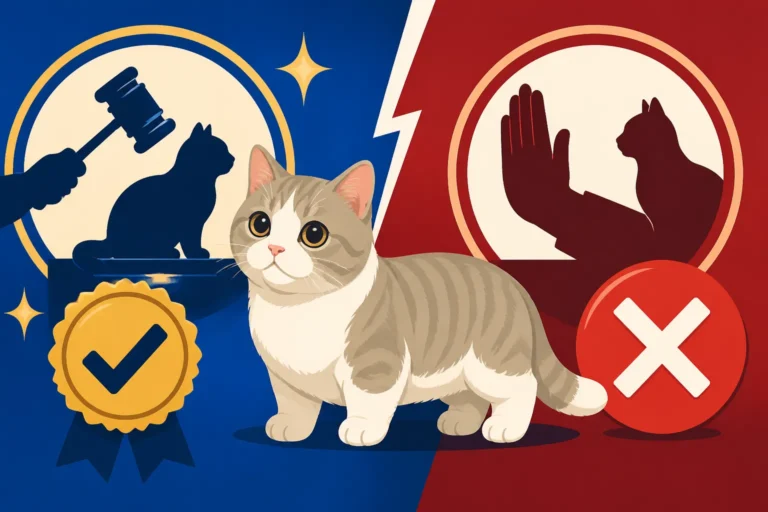
The International Cat Association (TICA) is the primary registry that recognizes and allows Munchkins to compete for championship status. This recognition is a huge deal because it means breeders have a standard to strive for, and judges have a blueprint to evaluate against. When a Munchkin earns championship status, it signifies that the cat has consistently met these stringent criteria in various shows, validating the breeder's efforts and the quality of their lines. For a kitten to even be considered "show quality," it must come from parents with verifiable pedigrees and a history of health and conformational excellence within TICA.
Without TICA's framework, there wouldn't be a consistent standard for what makes a Munchkin truly exemplary. This is why you'll often hear breeders emphasize their cats' TICA registration and show achievements. It’s not just bragging rights; it's a testament to genetic soundness and adherence to the breed's ideal form. The commitment to maintaining and improving the breed through such standards directly impacts the value of a kitten bred for the ring. Understanding this is key to grasping what you are buying when a breed is not recognized by every major registry. If you're curious about how this all began, you can learn more about TICA Judges the Munchkin and CFA Will Not Register It.
How a Munchkin's Legs Are Judged for Show
The defining characteristic of a Munchkin is, of course, its short legs. For a show-quality Munchkin, these legs are not just short; they must possess specific characteristics that align with the breed standard. Judges are looking for legs that are well-muscled and substantial, with medium boning, that are proportionally short. The front legs should appear slightly shorter than the hind legs, and all four should be straight and evenly set. What judges particularly appreciate is a certain type of leg length that is often called a "rug hugger" or "super short." This refers to Munchkins with exceptionally short legs that make them appear to almost "hug" the ground when they walk. This exaggerated shortness, while endearing, is also a highly prized trait in the show ring, often commanding a higher price.
It's not just about absolute shortness, however. The legs must also be free from any obvious deformities, bowing, or angulation issues that could suggest discomfort or functional limitations. A cat might have short legs, but if they are splayed or appear weak, it would be considered a fault. The way a Munchkin moves, with its unique ferret-like gait, is also observed; it should be fluid and unhindered despite the short stature. A "standard Munchkin" might still have short legs, but perhaps not the extreme shortness sought after in the show ring, which directly affects its valuation.
Beyond Legs: Other Factors for Show Quality
While the legs are undoubtedly the most iconic and scrutinized feature of a show-quality Munchkin, they are far from the only factor judges consider. A truly exceptional show cat needs to be a complete package. The body of a Munchkin should be medium in size, with a muscular and well-rounded torso that is normal length, contrasting with its short legs. Its head should be a modified wedge with rounded contours, and large, walnut-shaped eyes that are expressive. Ear size and placement, coat quality (whether shorthair or longhair), and overall condition all contribute to the cat's score.
Moreover, temperament is paramount in the show ring. A show cat needs to be calm, confident, and amiable, allowing judges to handle them without fear or aggression. A shy or stressed cat, no matter how physically perfect, will not perform well in a show environment. Breeders of show-quality Munchkins pay close attention to genetics that promote not just physical beauty but also a stable, friendly disposition. These comprehensive requirements mean that finding a true show-quality Munchkin involves a lot more than just looking for the shortest legs.
Dissecting the Price Tag: Why Show-Quality Munchkins Cost More
The price difference between a pet-quality Munchkin and a show-quality one can be significant, and it’s not without reason. This higher investment reflects the extensive resources, knowledge, and dedication required to produce animals that meet the demanding standards of the show ring. It's a testament to careful planning, genetic screening, and unwavering commitment from reputable breeders.
The Impact of Selective Breeding and Pedigree
Producing a show-quality Munchkin is a labor of love and science. It involves years of selective breeding, where breeders meticulously choose parent cats based on their pedigrees, conformational traits, and health histories. They are aiming to consistently reproduce the desired short-leg phenotype while ensuring the overall health and vitality of the line. This isn't just about pairing any two Munchkins; it's about deep genetic knowledge and understanding how specific traits are inherited. Breeders often spend years cultivating their lines, importing cats from other established catteries to introduce new bloodlines and improve specific characteristics. This strategic approach minimizes genetic risks and maximizes the chances of producing kittens that not only have the desired leg length but also ideal body structure, coat, and temperament.
The pedigree of a show-quality Munchkin will reflect this careful planning, often showing multiple champions in its lineage. This isn't just for bragging rights; it's an indicator of genetic consistency and quality. A strong pedigree offers a certain assurance that the kitten has the potential to develop into a cat that embodies the breed standard. This level of selective breeding, with its associated costs for stud fees, breeding stock, and genetic testing, is a primary driver of the higher price tag for show-quality kittens. For insights into how breeders approach this, you might find How a Breeder Plans a Munchkin Mating to be an illuminating read.
Health Clearances and Early Veterinary Care
Another substantial component of the show-quality Munchkin's price is the comprehensive health screening and veterinary care it receives from conception onward. Reputable breeders invest heavily in health testing their breeding cats for genetic conditions that could impact the kittens. While the Munchkin gene specifically affects limb length, breeders also screen for conditions common in domestic cats or specific to the outcross breeds used to maintain genetic diversity. This might include echocardiograms for heart health, genetic tests for conditions like Polycystic Kidney Disease (PKD) if certain outcrosses are used, and regular general health checks.
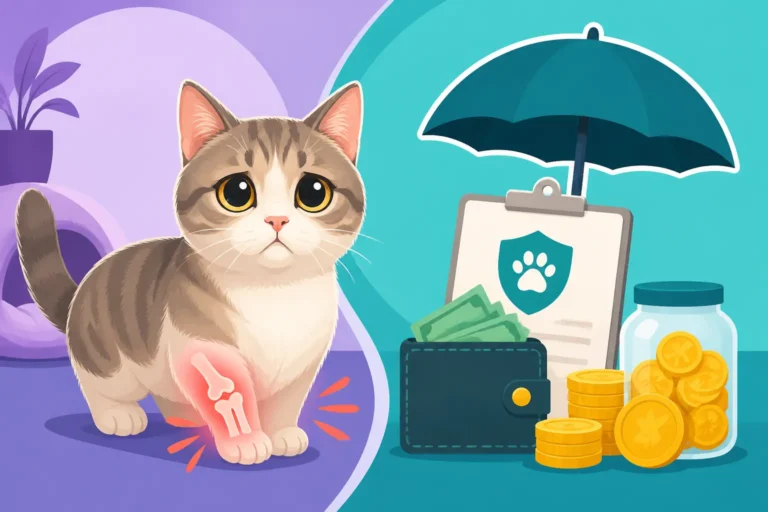
Once kittens are born, they receive meticulous veterinary care. This includes a series of vaccinations, regular deworming, microchipping, and thorough vet checks at crucial developmental stages. A show-quality kitten will typically have multiple vet visits before going to its new home, ensuring it is in peak health and has no underlying issues that could affect its future in the show ring or as a beloved pet. This proactive and extensive veterinary investment is a significant cost for breeders, and it's reflected in the kitten's price. When considering a Munchkin, it's wise to think about pet insurance for ongoing care; companies like Healthy Paws offer various plans that can help manage future veterinary expenses, especially for a breed that might benefit from joint care as it ages. You'll want to know What a Munchkin Kitten Has Had Done by Twelve Weeks before it comes home.
The Breeder's Investment: Time, Resources, and Expertise
Beyond the tangible costs of breeding stock and vet care, the "show quality" price tag also accounts for the immense time, effort, and expertise a reputable breeder pours into their cattery. Breeding isn't a hobby for these individuals; it's a profound commitment. They spend countless hours researching genetics, studying pedigrees, attending shows, and networking with other breeders to improve their lines. They dedicate themselves to the well-being of their cats, providing optimal nutrition, pristine living conditions, and constant socialization. Raising a litter of show-quality kittens involves round-the-clock care, from monitoring the queen during pregnancy and birth to hand-rearing if necessary, and meticulously tracking each kitten's development.
Furthermore, a breeder of show cats will spend time preparing their kittens for the show environment, desensitizing them to handling, noise, and new experiences to ensure they are confident and relaxed when presented to a judge. They act as mentors, educating prospective owners and providing lifelong support. This level of dedication, often spanning decades, is invaluable and cannot be understated. It's this deep investment of personal time, financial resources, and learned expertise that ultimately contributes to the premium associated with a Munchkin deemed short enough for the ring.
The Range of Costs: What to Expect
When it comes to the actual price of a Munchkin, particularly one bred for show, there isn't a single, fixed number. The cost can vary widely, influenced by several key factors that prospective owners should be aware of. Understanding these variables will help you set realistic expectations and make an informed decision.
Price Variation Based on Leg Length and "Rug Hugger" Status
For Munchkin cats, the length of their legs is undeniably the most significant factor influencing their price, especially when aiming for show quality. Kittens with the shortest legs, often described as "rug huggers" or "super shorts," are the most highly prized in the show ring because they best embody the breed's distinct characteristic. These kittens will consistently command the highest prices. Their short stature and unique gait are what judges are looking for, making them rare and desirable.
Conversely, a Munchkin kitten from the same litter might have slightly longer, though still distinctly short, legs. While perfectly healthy and charming, these "standard" Munchkins might not have the extreme leg shortness that gives them an edge in competition. They are still purebred Munchkins, but they may be priced lower than their "rug hugger" siblings, typically falling into the "pet quality" category even if they come from show lines. The degree of shortness is almost like a sliding scale for pricing, with the "shortest of the short" always fetching a premium. This is why Why Shorter Legs Raise a Munchkin's Price is such a crucial piece of information for potential buyers.
Geographic Location and Breeder Reputation
Where you purchase your Munchkin can also play a significant role in its cost. In regions or countries where Munchkins are particularly popular or where breeding is more challenging due to regulations or availability of lines, prices tend to be higher. For example, Munchkin cats are incredibly popular in certain Asian markets, and this demand can drive up prices considerably. Similarly, within a country, breeders in major metropolitan areas with higher costs of living may price their kittens higher than those in more rural settings. It's not uncommon for a Munchkin to cost more in Japan than America, for instance, due to market dynamics and import/export costs.
The reputation of the breeder is equally, if not more, impactful. A cattery with a long-standing history of producing healthy, well-socialized, and champion-titled Munchkins will understandably charge more for their kittens. Their prices reflect their proven track record, their investment in genetic lines, and the assurance of quality they provide. Established breeders often have waiting lists, further increasing the perceived value and cost of their kittens. Conversely, breeders with less experience or those who cannot provide extensive health guarantees or show pedigrees for their breeding cats may offer lower prices, but this often comes with a higher risk of health or conformational issues down the line.
| Factor | Pet Quality Munchkin | Show Quality Munchkin |
|---|---|---|
| Leg Length | Standard short | "Rug Hugger" / Super Short |
| Price Tier | Moderate to High | Significantly Higher |
| Pedigree Focus | Health & Temperament | Champions & Breed Type |
| Health Guarantees | Standard | Extensive & Proactive |
| Breeding Rights | Typically none | Often additional cost |
| Temperament | Friendly, adaptable | Confident, show-ready |
| Purpose | Companion animal | Competition & Breeding |
What's Included (and What's Not) in the Purchase Price
When you inquire about the price of a show-quality Munchkin kitten, it's crucial to understand what that figure actually covers. Typically, the purchase price for a reputable breeder will include the kitten's TICA registration papers (often provided after proof of spay/neuter for pet-only sales, but immediately for show/breeding rights purchases), a health guarantee, initial vaccinations, deworming, and microchipping. Many breeders also send their kittens home with a "starter kit" that might include a small bag of their current food, a favorite toy, and some transitional information. They'll also be transparent about which diseases a Munchkin breeder must declare in their health guarantee.
What is often not included, or comes at a significantly higher cost, are breeding rights. If you intend to show your Munchkin and potentially breed it to further its lineage, the price will be substantially higher than for a pet-only kitten. Breeders are very selective about who they grant breeding rights to, and it often involves extensive interviews and strict contractual agreements to protect their lines and the breed's integrity. Also, remember that ongoing costs for food, litter, and vet care once the kitten is home are your responsibility. Resources like Chewy can be excellent for setting up your new kitten with everything from quality food to litter and toys, ensuring they have a comfortable transition.
Long-Term Financial Commitments Beyond the Purchase Price
Bringing home a show-quality Munchkin is more than just the initial purchase price; it's an ongoing financial commitment. These unique cats, while generally healthy, do have specific needs related to their short stature that impact their daily care and, consequently, your long-term budget.
Ongoing Health and Wellness Costs
Even a perfectly healthy, show-quality Munchkin will incur regular veterinary expenses throughout its life. Annual check-ups are essential, typically involving a physical examination, vaccinations (even for indoor cats, though some specific vaccines may vary), and parasite prevention. As Munchkins age, just like any cat, they can become susceptible to common feline ailments, requiring diagnostic tests or medications. However, due to their unique body structure, there's a particular emphasis on joint health. While Munchkins don't suffer from the hip dysplasia or other severe joint problems seen in some long-legged dwarf breeds, their shorter limbs do carry a different kind of load.
Many owners opt for joint supplements as their Munchkin approaches middle age to support cartilage health and mobility. Regular vet visits should include assessment of their gait and joint flexibility. In some cases, if a Munchkin develops conditions like osteoarthritis (which can happen in any cat, but might be more noticeable on their short limbs), additional veterinary care, pain management, or even specialized therapies might be needed. This is why Why a Munchkin's Vet Year Includes Its Joints is often a consideration for owners. Providing high-quality, joint-supporting food can also be a proactive measure to maintain their well-being.
Essential Adaptations for a Munchkin-Friendly Home
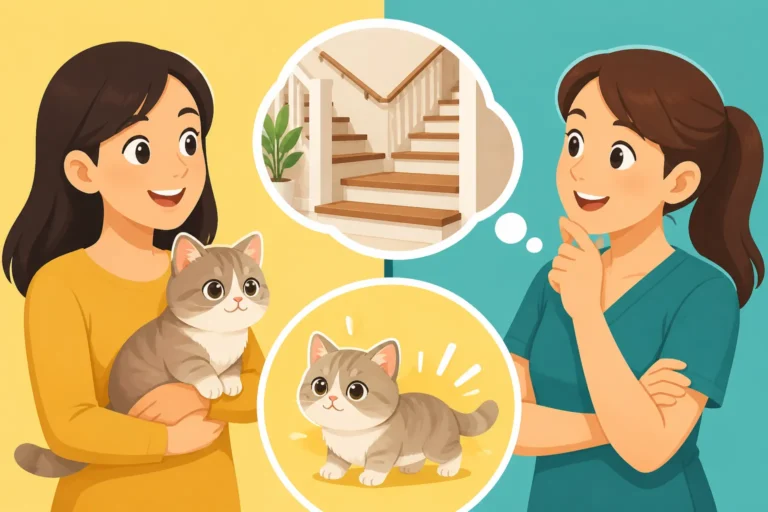
One of the most significant ongoing "costs" that isn't always immediately apparent is the need to adapt your home to your Munchkin's unique physical abilities. Because they cannot jump as high as a normal-legged cat, or sometimes even at all, you'll need to create a world that is accessible at their height. This means investing in ramps and steps to allow them to safely reach their favorite furniture, such as sofas, beds, or window perches. These aren't just luxuries; they are essential equipment to ensure your Munchkin can navigate its environment, avoid repeated strenuous jumps, and maintain its independence.
Beyond ramps, consider low-entry litter boxes to ensure easy access, especially as they get older. Elevated food and water bowls can also reduce strain on their neck and shoulders while eating. You might need to rearrange furniture to create "staircases" or pathways. While the initial setup might be a one-time cost, ongoing maintenance, replacement of ramps, or adapting to new furniture or living situations will be a factor. The cumulative cost of these adaptations can be substantial, as detailed in What a Full Set of Munchkin Ramps Costs, and it's a critical part of Munchkin ownership that directly impacts their quality of life and prevents injury.
Grooming, Food, and General Supplies
Like any cat, a Munchkin requires a consistent budget for daily necessities. High-quality cat food is paramount, especially for a Munchkin, as weight control is incredibly important to avoid extra strain on their joints and spine. Munchkins generally burn fewer calories than their long-legged counterparts due to their lower activity levels and different movement patterns, meaning careful portion control is vital. You can find more information on this in What Feeding a Cat That Burns Less Costs Monthly.
Beyond food, you'll need litter (and perhaps specialized litter for their low bellies), scratching posts, and a variety of toys appropriate for their play style (often floor-level). Grooming is another key area. While shorthaired Munchkins are relatively low maintenance, longhaired varieties, or even shorthairs with dense coats, will require regular brushing, particularly around their hindquarters, which they may struggle to reach themselves. Some owners even opt for professional sanitary clips to prevent matting and maintain hygiene, adding to the recurring costs. These seemingly small, recurring expenses add up over a Munchkin's lifespan, which can easily be twelve to fifteen years.
Disclaimer
This article is for general informational purposes only and does not constitute professional advice. Laws, prices and regulations vary by location and change over time. Consult a qualified professional for guidance on your specific situation.