Why Munchkin Prices Sit Between One and Three Thousand
If you've started looking into bringing a Munchkin cat into your home, you've probably already stumbled across their price tags and experienced a moment of sticker shock. It's not uncommon to see Munchkin kittens listed with a wide range, often sitting squarely between one and three thousand dollars, sometimes even more for particular traits. This guide aims to pull back the curtain on why these charming, short-legged felines command such a price, helping you understand the many factors that contribute to their value.
Understanding the Baseline Cost of a Munchkin Kitten
The initial sticker price of a Munchkin kitten isn't just a number pulled out of thin air; it's a reflection of many underlying costs, dedicated effort, and specific characteristics that make the breed unique. This baseline is established long before a kitten ever leaves its mother, encompassing everything from responsible breeding practices to the specific traits a kitten inherits.
The General Price Range and What Influences It
When you first start your search, you'll notice that Munchkin kittens generally fall into a pretty broad price bracket. You might see some on the lower end, closer to a thousand, while others soar past two or even three thousand dollars. What gives? Well, it’s a mosaic of factors. Think about the basic upkeep for a breeding pair: quality food, regular vet check-ups, necessary vaccinations, and a clean, stimulating environment. Then there’s the genetic health testing that reputable breeders undertake to ensure they're producing healthy kittens, avoiding passing on preventable conditions. This isn't a cheap undertaking, but it's vital for the well-being of the breed.
Beyond these fundamental investments, the individual kitten's characteristics play a huge role. The rarity of certain coat colors or patterns can influence the price, as can the overall conformation and health of the kitten. A kitten showing excellent breed type, robust health, and a delightful temperament will naturally be valued higher. The demand for Munchkins also fluctuates, and like anything popular, high demand can drive prices up.
Regional Differences in Munchkin Pricing
Just like real estate or a fancy cup of coffee, the price of a Munchkin kitten isn't uniform across the globe or even within different regions of a single country. What a Munchkin Costs More in Japan Than America, for example, is a testament to varying demand, availability of breeders, and even local economic conditions. In areas where Munchkin breeding is more established and perhaps more widely accepted by local cat fancy organizations, you might find a more competitive, but still high, price point.
Conversely, in regions where Munchkins are less common, or where there are fewer reputable breeders, the scarcity can drive prices up. Legal restrictions in some countries, where breeding practices that promote specific genetic mutations might be frowned upon or even banned, can also create artificial scarcity, influencing price for those who manage to acquire them. The logistical costs of transport, if you're acquiring a kitten from a different state or country, also factor in, sometimes adding hundreds to the final price.
The Impact of Leg Length and Conformation on Price
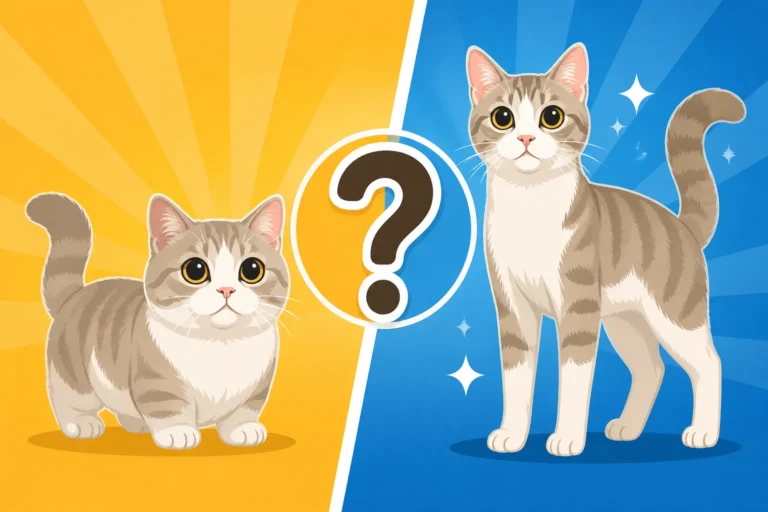
Perhaps the most defining characteristic of a Munchkin cat is its delightfully short legs, and it's no surprise that this trait has a significant impact on its price. Not all short legs are created equal in the eyes of the cat fancy or the market, and breeders often grade kittens based on the degree of dwarfism, which then dictates their value.
Why Shorter Legs Command a Higher Price
It might sound counterintuitive, but the shorter a Munchkin's legs are, the more sought-after and expensive the kitten often becomes. This is largely due to the aesthetic appeal and the "novelty" of the characteristic that defines the breed. The gene for short legs is dominant, but the expression can vary, leading to kittens with legs of differing lengths within the same litter. Breeders often assess these kittens at around twelve weeks to determine their leg length classification. The ideal, for many enthusiasts and for show purposes (where permitted), is a cat whose legs are distinctly short but still allow for agile movement. This unique look is part of What the Short Legs Actually Cost a Munchkin.
The rarity of a truly "super short" Munchkin—one with particularly pronounced short legs—means they are often priced at the higher end of the spectrum. These kittens are often seen as embodying the breed's signature trait most strongly, making them highly desirable for those looking for the quintessential Munchkin appearance.
"Rug Huggers" and Their Premium Value
Taking the "shorter legs equal higher price" concept a step further brings us to the "Rug Hugger" Munchkin. This term refers to cats with exceptionally short legs, so much so that their bellies almost, quite literally, hug the floor. This extreme expression of the Munchkin gene is quite rare, and consequently, these kittens command a premium price. You'll often find that What a Rug Hugger Munchkin Is and Why It Costs More is a topic of much discussion among enthusiasts.
The fascination with the Rug Hugger comes from its exaggerated dwarfism, making it distinct even among other short-legged Munchkins. While charming, it's worth noting that cats with such extreme leg shortness may face slightly different challenges in mobility or reaching certain areas for grooming. Responsible breeders will always prioritize health and functional movement, even for these highly prized individuals.
The Role of Conformation in Pricing
Beyond just the length of the legs, the overall conformation of the Munchkin cat plays a significant role in its pricing. Conformation refers to the cat's physical structure, how well it aligns with the breed standard set by organizations like TICA (The International Cat Association). While TICA Judges the Munchkin and CFA Will Not Register It, TICA's standard guides breeders on what to strive for. A well-proportioned body, a normal-length spine (the dwarfism only affects the long bones of the limbs), a balanced head, and a healthy gait are all critical.
A kitten with excellent conformation, meaning it not only has short legs but also displays overall physical health and balance, will naturally be priced higher than one with minor conformational faults. For instance, while some bowing in the front legs can be common, any signs of severe discomfort, an abnormal gait, or other structural issues would significantly reduce a kitten's value and often lead to it being placed in a pet-only home, or not sold at all. Breeders invest a lot in ensuring the overall health and structure of their lines.
Breeder Reputation, Health Guarantees, and Pedigree
The price you pay for a Munchkin isn't just for the kitten itself; it's also an investment in the breeder's practices, the health and genetic background of the parents, and the assurances they offer. A reputable breeder is transparent about their costs and methods, providing peace of mind that a cheaper, backyard-bred kitten simply cannot.
What a Reputable Breeder Invests In
A reputable breeder doesn't just "have kittens" – they meticulously plan matings, invest heavily in the health of their breeding cats, and provide exceptional care for their litters. This includes regular veterinary check-ups for the parent cats, genetic screening for any inheritable conditions (even though Why the Munchkin Gene Has Not Been Identified for specific tests), and ensuring a clean, stimulating, and safe environment for the kittens to grow up in. They also ensure appropriate socialization, early handling, and often begin litter training and basic grooming routines before the kittens go to their new homes.
All of these efforts contribute to a higher price tag but ultimately mean you're getting a healthier, well-adjusted kitten. A breeder who can clearly articulate their breeding philosophy and show you the environment their cats are raised in, as well as being able to show you What a Munchkin Breeder Should Be Able to Show You, is worth every penny of the higher price they charge. This commitment helps avoid future heartache and potentially massive vet bills down the line.
The Value of Health Screening and Guarantees
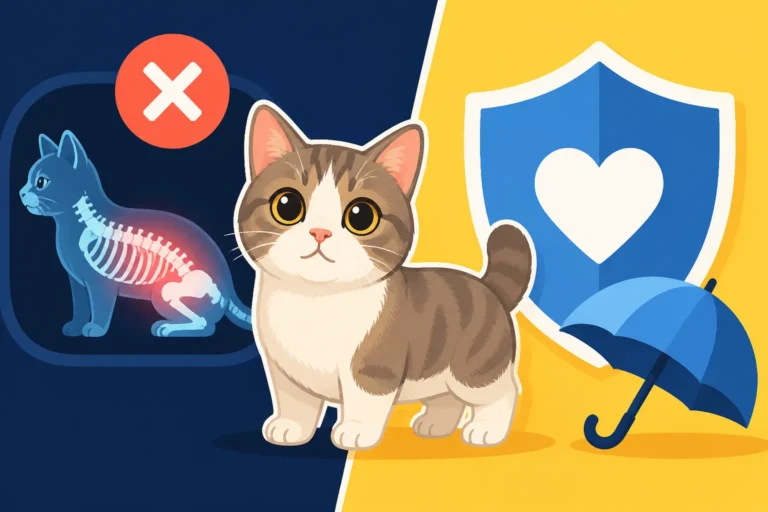
One of the most crucial aspects that justifies a higher price is a breeder's commitment to health screening and the guarantees they offer. This typically involves screening breeding cats for common feline diseases, ensuring they are free from parasites, and having regular vet checks. For Munchkins, while there isn't a specific DNA test for the dwarfism gene itself, breeders should still screen for common feline health issues. Furthermore, some breeders may perform x-rays on their breeding cats to check for spinal issues like lordosis or pectus excavatum, though the frequency of Munchkin spinal problems is disputed.
Many reputable breeders offer a health guarantee, typically for a period after purchase, covering congenital or hereditary diseases. This guarantee provides a measure of financial protection and reflects the breeder's confidence in the health of their kittens. While no guarantee can prevent all future health issues, it signifies a commitment to ethical breeding and the well-being of the cats. This is a far cry from what you might get from a breeder selling an unregistered Munchkin, who often provides no such reassurances.
TICA Registration and Pedigree Lines
For many buyers, especially those interested in showing or simply ensuring their cat is a purebred, TICA registration and a clear pedigree are highly valued. Why Only TICA Papers Exist for a Munchkin is a detail that reputable breeders will explain. TICA is the primary registry that fully recognizes the Munchkin breed, allowing them to compete for championship status. A kitten with TICA registration papers confirms its lineage and adherence to breed standards.
A detailed pedigree allows you to trace your kitten's ancestry, seeing the health and show titles of its parents, grandparents, and beyond. This transparency is vital for understanding the genetic background of your cat and can reassure you about the efforts made to maintain the breed's health and characteristics. Kittens from championship lines, where parents or ancestors have achieved titles in TICA shows, often command higher prices due to the proven quality of their lineage.
Coat Type, Color, and Desirability Factors
Beyond the short legs and the health guarantees, the aesthetic appeal of a Munchkin cat can significantly influence its price. Just like in other cat breeds, certain coat types, colors, and patterns are more rare or simply more popular, leading to higher demand and, inevitably, higher prices.
Longhair vs. Shorthair Munchkin Pricing
Munchkins come in both shorthair and longhair varieties. Both are charming, but sometimes one or the other might be more popular, or one might be a bit rarer to produce consistently, affecting the price. Generally, the price difference isn't as dramatic as that caused by leg length, but it can still be a factor. A longhaired Munchkin, with its flowing, soft coat, might require a bit more grooming, especially in the hindquarters since What a Munchkin Cannot Reach to Groom is a consistent challenge, but many find their appearance utterly captivating.
On the other hand, a shorthaired Munchkin offers a sleek, low-maintenance coat that's still incredibly soft to the touch. The demand for either can be quite cyclical or regional. A breeder might price a longhaired kitten slightly higher if they have fewer of them in a litter, or if there's a particular surge in demand for the "fluffy" look.
Rare Colors and Patterns
The Munchkin breed allows for a vast array of coat colors and patterns, inherited from their diverse outcross breeds. While a standard black or tabby Munchkin is beautiful, certain rare or highly sought-after colors and patterns can elevate a kitten's price. Think of exotic patterns like lynx point, seal point, or calico patterns with distinct, vibrant colors. Sometimes, specific dilutes like blue or cream, or unique patterns like silver or shaded varieties, can fetch a higher price simply due to their rarity and aesthetic appeal.
A breeder who specializes in producing these specific colors or patterns invests time and genetic knowledge to achieve them, and this expertise is reflected in the pricing. These unique appearances contribute to the overall desirability and uniqueness of the individual cat, making them stand out in a litter and capture the hearts (and wallets) of potential owners.
Trends and Demand
Like any commodity, the price of a Munchkin cat can be influenced by current trends and general demand. Social media, celebrity endorsements, or even popular culture can create spikes in interest for certain breeds or specific characteristics, including those of the Munchkin. If Munchkins are trending, breeders might find themselves with long waiting lists, allowing prices to climb. Conversely, if public interest wanes or if the market becomes saturated with more breeders, prices might stabilize or even slightly decrease.
However, the general upward trend for Munchkin prices over the years indicates sustained popularity. People are drawn to their unique appearance and playful, affectionate personalities. It's a testament to their charm that despite ongoing debates about their health and welfare (topics that Why Vets Disagree About the Munchkin delves into), the demand remains strong.
Hidden Costs and Long-Term Expenses to Consider
The initial purchase price of your Munchkin kitten is just the beginning of your financial journey. Owning any pet comes with ongoing costs, but for a Munchkin, there are specific considerations, especially regarding their unique physical needs. Budgeting for these long-term expenses is crucial for responsible ownership.
Initial Setup Costs for a Munchkin-Adapted Home
Bringing a Munchkin home means making some adjustments to your living space to accommodate their short stature. They might not be able to leap onto your sofa or bed as easily as a normal-legged cat, so ramps, steps, or specially designed furniture might be necessary. This is part of Why a Munchkin's House Costs More Than the Cat. Think about low-entry litter boxes – Which Litter Box a Munchkin Can Actually Enter is important for their comfort and hygiene. Special scratching posts that allow them to stretch horizontally rather than vertically are also a good idea.
| Item Type | Description | Price Impact (Relative) |
|---|---|---|
| Kitten Purchase | Varies by breeder, traits, location | High |
| Initial Vet Visit | Check-up, first vaccines | Medium |
| Low-Entry Litter Box | Essential for easy access | Low-Medium |
| Ramps/Steps | For furniture, windowsills | Medium-High |
| Cat Tree (Adapted) | Close-set platforms for climbing | Medium-High |
| Raised Food/Water Bowls | To ease neck strain | Low |
| Specialized Grooming Tools | For hard-to-reach areas | Low |
| Quality Food | Ongoing, critical for joint health | Ongoing Medium-High |
| Pet Insurance | Recommended for unexpected vet bills | Ongoing Medium |
| Toys (Floor Level) | Adapt play to their height | Low |
These initial setup costs, while manageable individually, can add up. Planning ahead and knowing that What Keeping a Munchkin's House Adapted Costs Yearly can be an ongoing budget item will help you provide the best environment for your new companion. Platforms, steps, and sturdy ramps from retailers like Chewy can help ensure your Munchkin can safely access their favorite spots without straining their joints.
Ongoing Care and Potential Veterinary Expenses
Like all cats, Munchkins require regular veterinary care, including annual check-ups, vaccinations, and parasite control. However, due to their unique physiology, there are some specific health considerations that could lead to additional vet expenses. While Munchkins are generally healthy, their short legs and different gait can put stress on their joints over time, potentially leading to conditions like osteoarthritis in later life. This is why Why a Munchkin's Spine Carries a Load a Normal Cat's Does Not is something to be aware of.
Maintaining a healthy weight is absolutely critical for a Munchkin to prevent undue stress on their short limbs and spine, as Why Weight Is More Dangerous on a Munchkin highlights. Feeding a high-quality diet, perhaps even one formulated for joint health, is a wise investment. Regular grooming, especially for longhaired Munchkins or those with difficulty reaching their hindquarters, might involve professional grooming sessions to prevent matting and skin issues.
Insurance and Wellness Plans
Given the potential for specific health concerns, many Munchkin owners consider pet insurance a worthwhile investment. Companies like Healthy Paws offer various plans that can help cover unexpected veterinary costs, from accidents to illnesses. While some insurers might have breed-specific exclusions or higher premiums for certain conditions, finding a policy that covers potential joint issues or spinal conditions, if they arise, can offer significant financial relief. It's worth researching Whether Pet Insurance Covers a Munchkin's Spine before committing.
Beyond insurance, some veterinary clinics offer wellness plans that bundle routine care, such as exams, vaccinations, and sometimes even dental cleanings, at a discounted monthly rate. Considering how much a Munchkin costs over thirteen years, these plans can help spread out the cost of essential preventative care. Providing a diet rich in appropriate nutrients can also contribute to their long-term health and potentially reduce vet visits.
Disclaimer
This article is for general informational purposes only and does not constitute professional advice. Laws, prices and regulations vary by location and change over time. Consult a qualified professional for guidance on your specific situation.