Why Only TICA Papers Exist for a Munchkin
It can be incredibly confusing and even frustrating when you delve into the world of purebred cats, especially if you're looking at a Munchkin. Many prospective owners are surprised to learn that while other breeds boast registrations from multiple prestigious organizations, Munchkin papers almost exclusively originate from one specific registry. This guide will clarify why The International Cat Association (TICA) is virtually the sole source for official Munchkin cat registration papers, and what that means for you as an owner.
Understanding Cat Registries and Breed Recognition
Before we dive into the specifics of the Munchkin, it's helpful to understand how cat registries work. Think of them as the gatekeepers of purebred catdom. They are organizations that maintain pedigrees, establish breed standards, and often host cat shows. Their primary goal is to promote responsible breeding and preserve the characteristics of specific cat breeds.
There are several major cat registries around the world, each with its own set of rules and a list of recognized breeds. For a breed to be "recognized," it generally means the registry acknowledges its existence, pedigree, and standard characteristics. However, there's a significant difference between basic recognition for registration and being granted "championship status." Championship status means the breed can compete in shows for titles, which is a big deal for breeders and the breed's overall prestige.
The process for a new breed to gain recognition is often a long and arduous one. It typically involves demonstrating a consistent lineage, a stable gene pool, a clear breed standard, and crucially, proving that the breed's unique traits do not come with inherent health or welfare issues. This last point is where many debates arise, and it's particularly relevant to the Munchkin cat. Some breeds sail through this process, while others face significant hurdles, often due to concerns about their health or the ethics of breeding for certain physical traits. The consensus among registries isn't always uniform, leading to situations where one organization might fully embrace a breed that another staunchly rejects.
TICA's Acceptance of the Munchkin
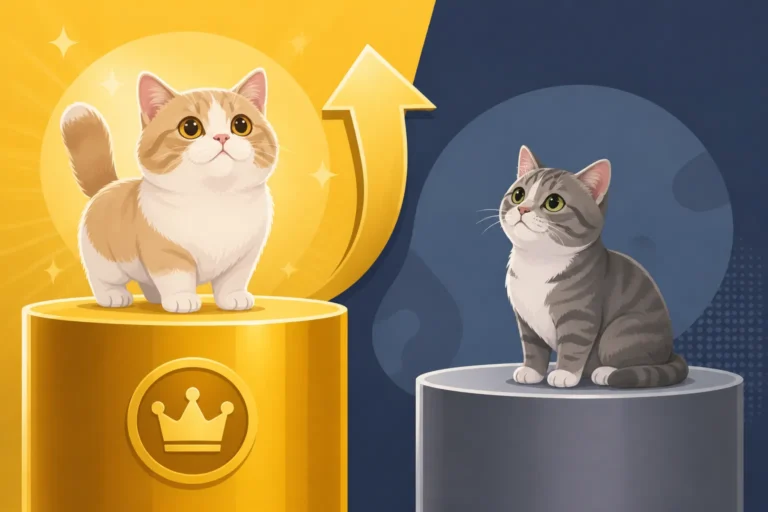
The International Cat Association (TICA) stands out as the primary registry that has embraced the Munchkin cat. Their journey with the breed began in 1994 when TICA first accepted the Munchkin into its new breed development program. This was a pivotal moment for the breed, giving it a platform and a path toward official recognition. TICA's philosophy tends to be more inclusive of new breeds and natural mutations, as long as they meet certain health and welfare criteria that the association establishes. They approach new breeds with a focus on observing generations for consistent traits and overall health.
TICA's decision to recognize the Munchkin, and later grant it championship status, was not without controversy. There was considerable debate within the cat fancy community, with some judges and members strongly opposing the recognition due to concerns about the breed's unique short-legged characteristic. In fact, a judge reportedly resigned over TICA's acceptance of the Munchkin, highlighting the depth of feeling on both sides. Despite the dissent, TICA moved forward, providing a framework for responsible breeding and showing of Munchkins.
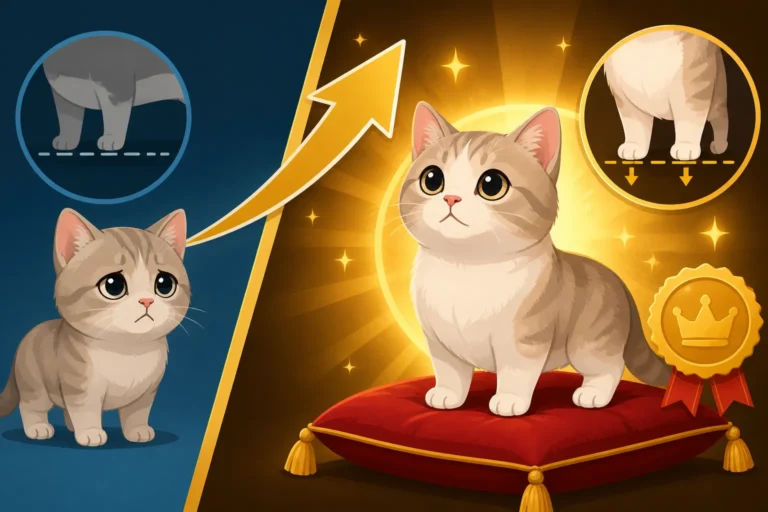
For TICA, granting championship status to the Munchkin meant that breeders could officially register their cats, participate in TICA-sanctioned shows, and earn titles. This status is vital for the breed's legitimacy and growth. It encourages breeders to adhere to a strict breed standard, which describes the ideal physical characteristics and temperament of a Munchkin. When you see a Munchkin with "papers" or a "pedigree," it almost invariably traces back to TICA registration, proving its lineage and adherence to the TICA standard. What TICA Championship Status Gives a Munchkin is a deep dive into what this recognition truly means for the breed.
Why Other Major Registries Decline the Munchkin
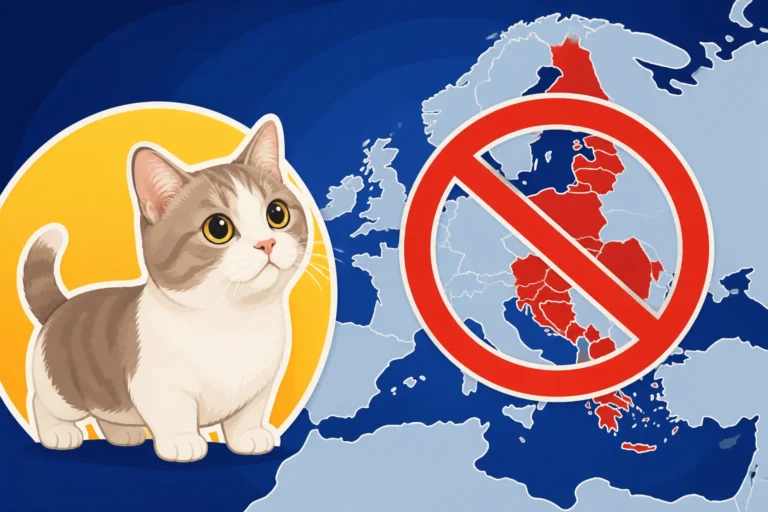
While TICA has championed the Munchkin, many other prominent cat registries worldwide have taken a different stance, refusing to recognize or register the breed. The most well-known example in North America is the Cat Fanciers' Association (CFA), which is one of the largest and oldest registries. Why CFA Has Never Accepted the Munchkin is a testament to the fact that their position has remained firm for decades. Similarly, the Governing Council of the Cat Fancy (GCCF) in the United Kingdom and many other European registries like FIFe (Fédération Internationale Féline) also decline to recognize the Munchkin.
The core reason for these refusals often revolves around ethical and welfare concerns. The short legs of the Munchkin cat are a result of a genetic mutation known as pseudoachondroplasia, which is a form of dwarfism. Opposing registries and veterinary organizations argue that breeding for such a physical anomaly, which can restrict movement and potentially lead to spinal issues like lordosis (a severe inward curvature of the spine) or pectus excavatum (a sunken chest), is unethical. They fear that deliberately perpetuating a trait that could compromise a cat's health and natural mobility goes against the principles of responsible animal welfare. What Welfare Bodies Say About the Munchkin sheds more light on the broader ethical debate.
These registries believe that a cat's ability to run, jump, and interact with its environment without impediment is paramount. They see the Munchkin's characteristic gait and inability to jump to normal heights as a direct consequence of a debilitating genetic condition, even if many Munchkin owners report their cats lead active and happy lives. The refusal to register the breed means that cats bred as Munchkins cannot compete in their shows, be listed in their pedigrees, or be officially recognized under their standards. This creates a clear division within the cat fancy, with passionate arguments on both sides regarding what constitutes a healthy and ethically bred cat.
The Implications of TICA-Only Registration for Owners
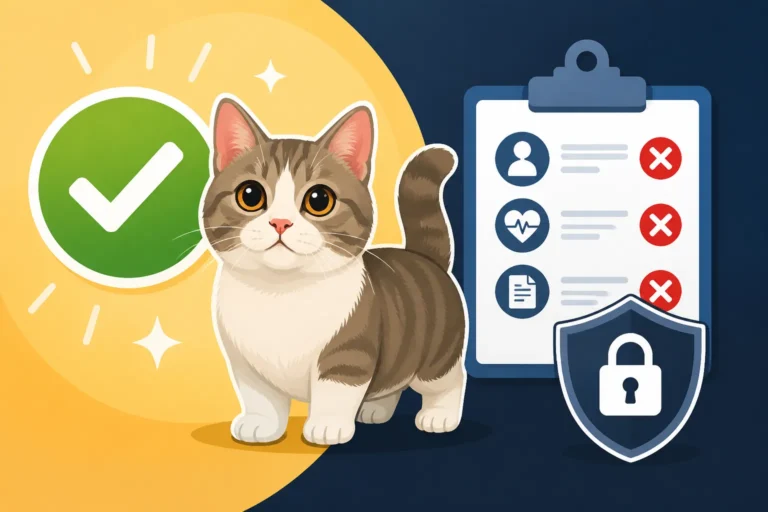
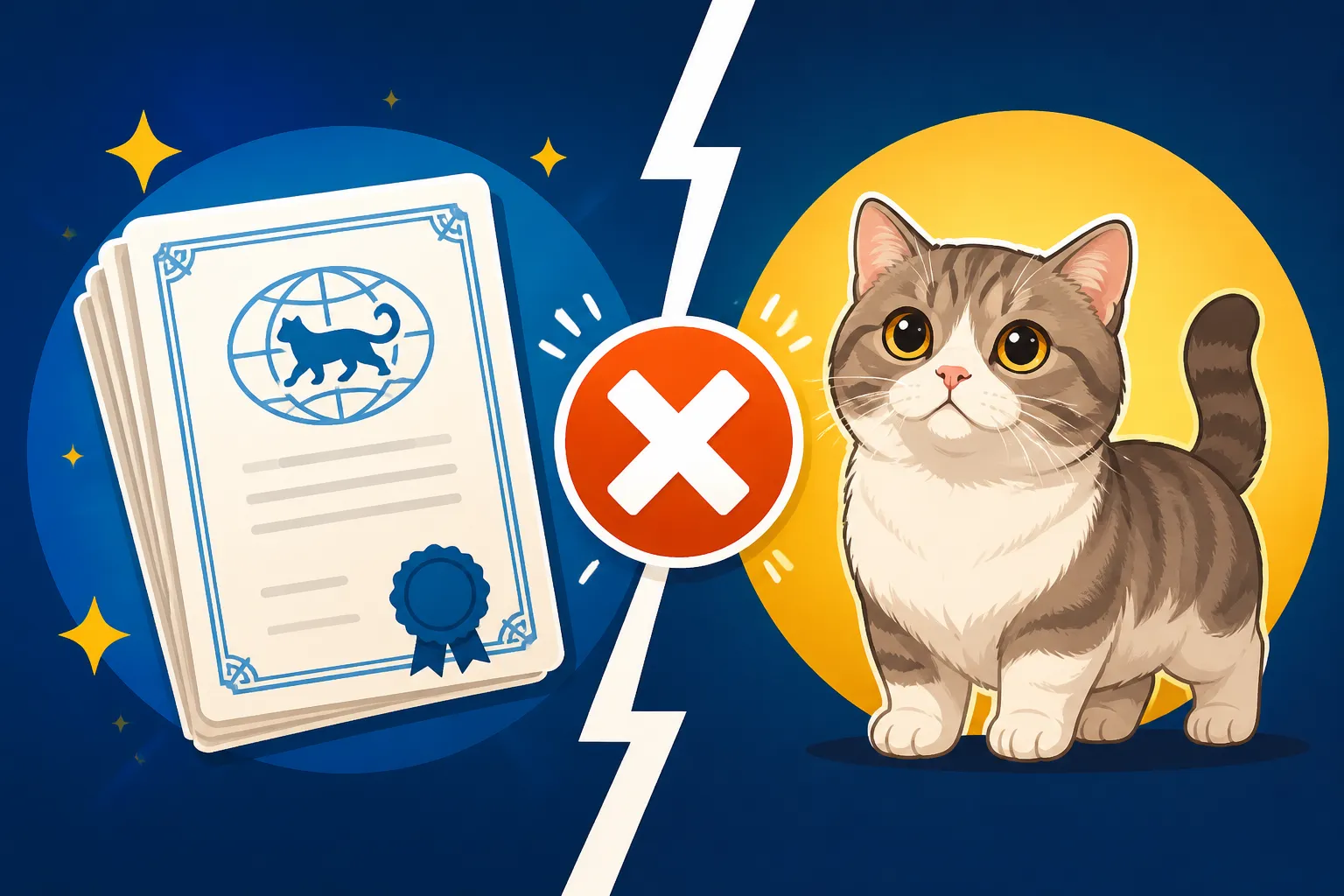
For you, as a Munchkin owner or prospective owner, the fact that only TICA papers exist has several implications. First and foremost, if you are looking for a pedigreed Munchkin, you must look for TICA registration. Any breeder claiming to have papers from another major registry for a purebred Munchkin is either mistaken or, unfortunately, misrepresenting their cats. Knowing how to verify if a Munchkin is registered at all can save you from potential scams. How to Verify a Munchkin Is Registered at All is a crucial resource in this regard. Without TICA papers, your Munchkin cat might still be a short-legged cat, but it wouldn't be recognized as a pedigreed Munchkin.
While TICA registration gives your cat official recognition, it does limit certain avenues. For instance, if you dreamed of showing your Munchkin at a CFA-sanctioned event, that simply won't be possible. Furthermore, depending on where you live, the breed's controversial status might influence public perception or even some veterinary opinions. It's not uncommon for vets to have strong opinions on breeds with known genetic predispositions, and while TICA works to ensure health standards, you might encounter differing viewpoints.
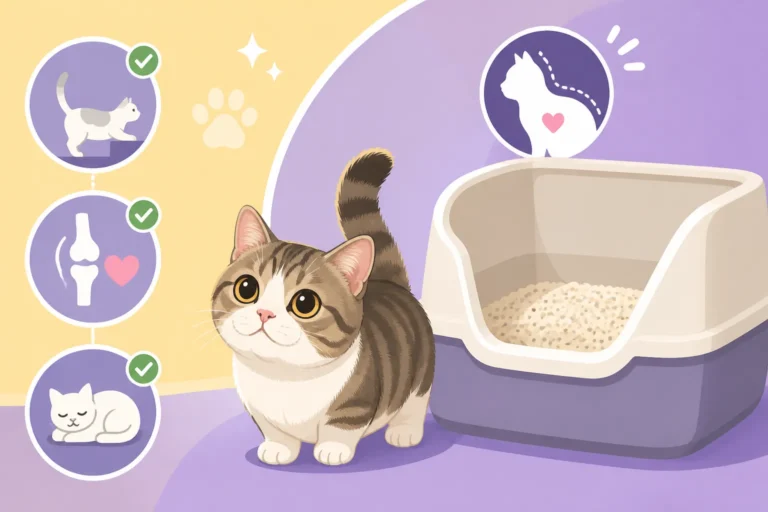
From a practical standpoint, owning a TICA-registered Munchkin means you are part of a community that recognizes and supports the breed. You can access TICA's resources, participate in their events, and connect with other Munchkin enthusiasts. When it comes to everyday care, you'll still need to consider their unique physical needs, such as providing ramps to access furniture or low-entry litter boxes. Places like Chewy offer a wide range of specialized pet supplies, from joint-supporting foods to pet steps, which can be invaluable for your Munchkin. Similarly, while pet insurance can be a lifesaver, it's worth noting that some insurers might have specific clauses or higher premiums for breeds with certain predispositions, so it’s always wise to check with providers like Healthy Paws about their coverage for conditions like those sometimes associated with Munchkins. Planning for these needs is part of responsible Munchkin ownership.
Here’s a quick overview of how the major registries typically view the Munchkin:
| Registry Name | Recognition Status for Munchkin | Championship Status | Primary Reason for Stance |
|---|---|---|---|
| The International Cat Association (TICA) | Recognized | Yes | More open to natural mutations; established breed development program and health standards. |
| Cat Fanciers' Association (CFA) | Not Recognized | No | Ethical concerns regarding dwarfism and potential associated health issues. |
| Governing Council of the Cat Fancy (GCCF) (UK) | Not Recognized | No | Welfare concerns over breeding for physical anomalies. |
| Fédération Internationale Féline (FIFe) (Europe) | Not Recognized | No | Opposes breeding cats with genetic defects or physical deformities. |
| Australian Cat Federation (ACF) | Not Recognized | No | Ethical and welfare concerns. |
Ultimately, while the lack of universal recognition might seem like a hurdle, for a Munchkin owner, TICA papers are the gold standard. They signify that your cat comes from a recognized lineage within the only major organization willing to embrace and regulate the breed. It means you have a record of your cat's heritage and a connection to the official world of Munchkin cat breeding and showing. Remember to consult with your veterinarian about the best care practices, including nutrition, to ensure your short-legged friend lives its happiest, healthiest life.
Disclaimer
This article is for general informational purposes only and does not constitute professional advice. Laws, prices and regulations vary by location and change over time. Consult a qualified professional for guidance on your specific situation.