Why CFA Has Never Accepted the Munchkin
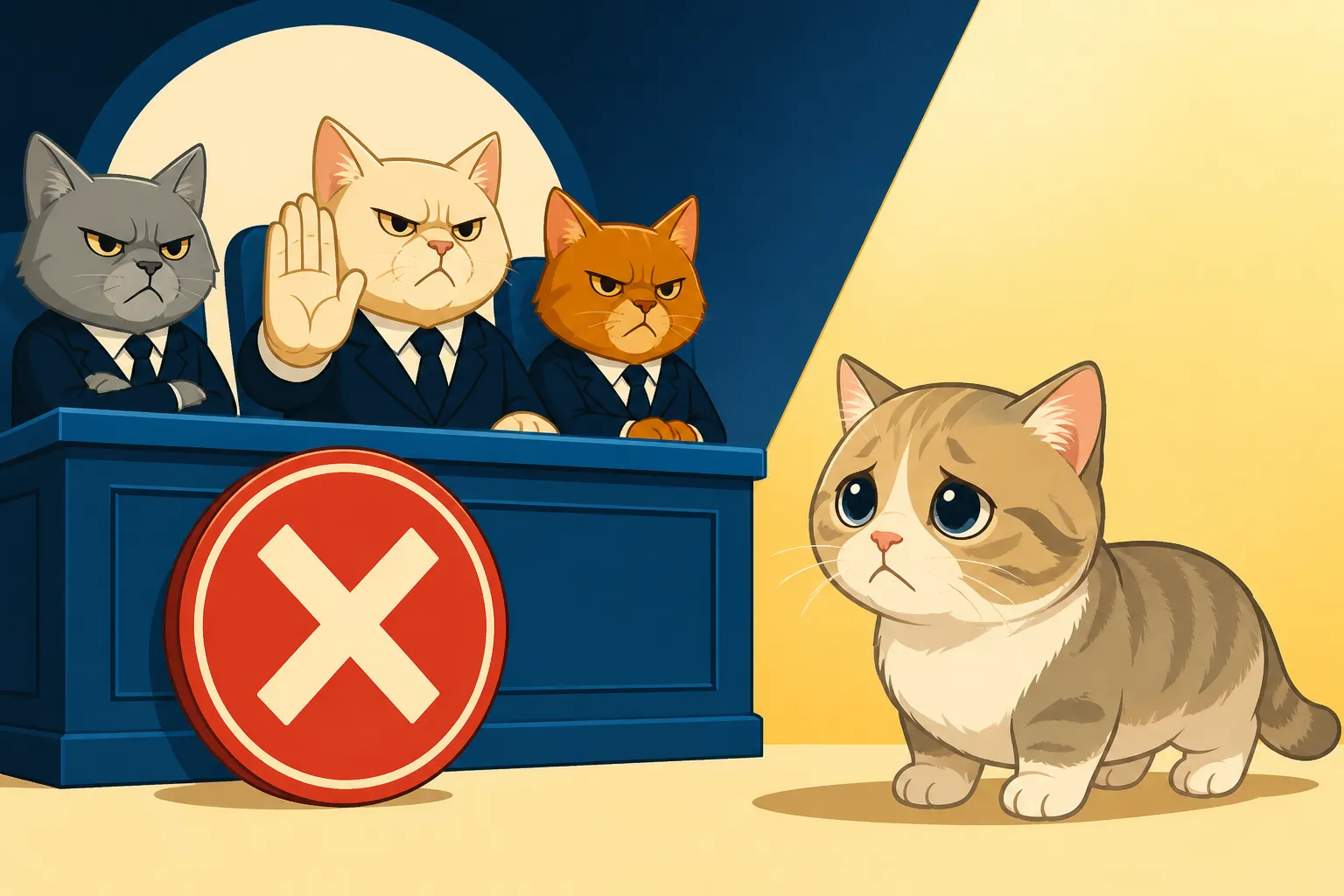
It's incredibly confusing and often frustrating for prospective cat parents when you're looking into a breed like the Munchkin, only to find vastly different opinions and recognition statuses from various feline organizations. You might see them celebrated in some circles and completely shunned in others. This guide will delve deep into why the Cat Fanciers' Association (CFA), one of the oldest and most respected cat registries in the world, has a long-standing policy of not accepting the Munchkin cat, exploring the specific ethical and health considerations that underpin their decision.
The Rigorous Path to Breed Recognition
Becoming a recognized cat breed by a major association like the CFA is no small feat. It's not just about a unique look or a charming personality; it involves a deeply scrutinized process that prioritizes the long-term health, genetic integrity, and overall welfare of the feline population. When you're dreaming of a new furry family member, it’s easy to get caught up in the aesthetics, but behind the scenes, organizations like the CFA are looking at much more profound aspects.
More Than Just a Cute Face: Standards and Health
The CFA, like many venerable registries, has a fundamental commitment to promoting the health and well-being of all cats. When a new breed applies for recognition, it undergoes a meticulous evaluation that considers everything from its physical characteristics to its genetic background and potential for inherited health issues. The goal is to ensure that any breed they endorse can live a healthy, pain-free life, free from conditions that might cause suffering or require constant veterinary intervention. This isn't about being exclusionary; it's about being responsible stewards of feline health. They want to be certain that what makes a breed unique doesn't also compromise its quality of life.
Consider the detailed breed standards they publish for accepted breeds – they describe ideal physical traits, yes, but those traits are always intertwined with health. A strong, healthy body structure, clear eyes, good dental alignment, and a robust immune system are always paramount. Anything that deviates significantly from a healthy, functional feline anatomy raises red flags. This commitment means they often set a very high bar, ensuring that cats recognized under their umbrella aren't prone to debilitating conditions simply because of their breed characteristics. It's a proactive approach to breed preservation and health.
The Ethical Compass of Cat Fanciers' Association (CFA)
Beyond just the physical health of individual cats, the CFA also operates with a strong ethical framework. This framework guides their decisions on which breeds to recognize, pushing them to consider the broader implications of breeding certain traits. They have a responsibility to not only current cats but future generations. This ethical stance is why certain genetic mutations, even if they result in an undeniably "cute" or novel appearance, can be deemed unacceptable. The core question often revolves around whether the defining characteristic of a breed inherently compromises its natural abilities or introduces significant health risks.
Their ethical compass means they actively work to discourage practices that could lead to suffering. They believe in breeding for health, temperament, and genetic diversity within healthy parameters. This is precisely where the Munchkin cat comes into direct conflict with their principles. They view certain traits as deformities rather than distinct breed characteristics, especially if those traits are linked to a genetic condition that could potentially cause pain or limit a cat's natural movements and behaviors. For them, it’s not just about what can be bred, but what should be bred, with the cat's welfare at the absolute forefront.
The Genetic Heart of the Matter: Munchkin Dwarfism
To understand why the CFA holds its position, we need to talk about the defining characteristic of the Munchkin: its short legs. This isn't just a physical trait; it's the manifestation of a specific genetic mutation that impacts bone growth. It's the crux of the entire debate surrounding the breed.
What Makes a Munchkin's Legs Short?
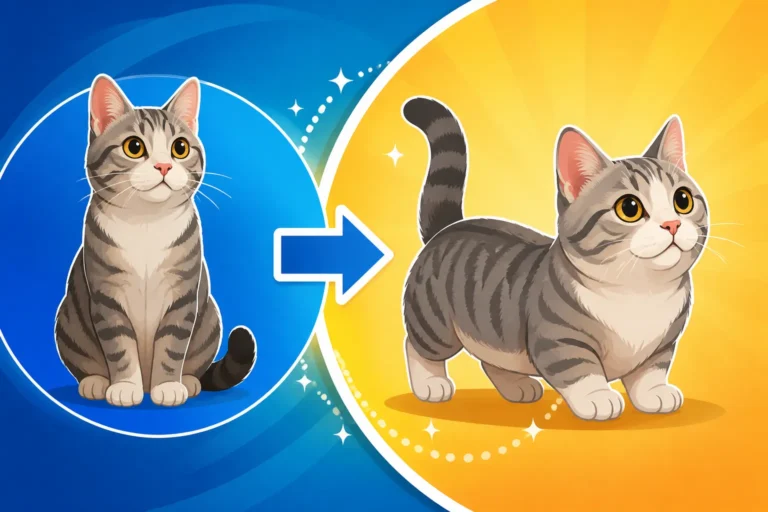
The short legs of the Munchkin cat are due to a form of dwarfism called pseudoachondroplasia. This genetic mutation specifically affects the long bones of the legs, causing them to be significantly shorter than those of a typical cat, while the body and head remain normal in size. It's not a condition that develops over time; kittens are born with this trait. Think of it like a naturally occurring genetic variation, but one that has profound implications for the cat's skeletal structure and mobility. While proponents often point out that Munchkins can run, jump, and play, the way they do these things is fundamentally altered by their limb structure. They have to adapt their movements, often employing different mechanics than a cat with normal leg length. This is what concerns welfare advocates and organizations like CFA.
It's important to differentiate this from other forms of dwarfism or genetic conditions. This specific gene causes disproportionate dwarfism, where only certain parts of the body are affected. This means a Munchkin isn't just a "small cat"; it's a cat with legs that are significantly shorter in proportion to its otherwise normal-sized torso. This unique physical configuration is at the heart of the health concerns, as it affects how the cat moves, lands from jumps, and carries its own weight. Why a Munchkin's Spine Carries a Load a Normal Cat's Does Not is a direct consequence of this altered anatomy.
The Dominant and Potentially Lethal Gene
The genetic trait for short legs in Munchkins is inherited as an autosomal dominant gene. This means a cat only needs to inherit one copy of the gene from either parent to express the short-legged trait. However, and this is critical for the CFA's perspective, this gene is also considered lethal in two copies. What does that mean? It means that if a kitten inherits two copies of the Munchkin gene (one from each short-legged parent), it will not survive. These homozygous embryos typically die in utero, leading to smaller litter sizes and, tragically, the unseen loss of life before birth. Munchkin Dwarfism Is Dominant and Lethal in Two Copies delves deeper into this somber reality.
This lethal aspect is a major ethical hurdle for many organizations. Breeding practices that knowingly result in the death of unborn kittens, even if it's not visible to the casual observer, are considered by many to be irresponsible and unethical. It's a stark reminder that while the visible result might be a charming short-legged cat, the genetic reality carries a significant cost. This is why you'll often hear that Why Two Short Legged Munchkins Are Never Bred Together – a responsible breeder will always outcross a Munchkin to a normal-legged cat to avoid this tragic outcome. The very mechanics of breeding them responsibly highlight the problematic nature of the gene itself.
CFA's Stance: Prioritizing Health and Welfare Above All Else
The CFA's decision to not accept the Munchkin isn't arbitrary; it's a direct reflection of their core values and their interpretation of feline welfare. They view the Munchkin's defining characteristic through a lens of health and ethical responsibility, rather than mere aesthetic appeal.
The Fundamental Objection to Inherited Deformities
The Cat Fanciers' Association considers the Munchkin's short legs to be an inherited deformity rather than a naturally occurring, benign variation. For them, a "deformity" is a condition that inherently compromises a cat's normal physical function or predisposes it to health problems. The shortened long bones of a Munchkin's legs fall into this category because they can impact the cat's gait, its ability to jump and land, and potentially put undue stress on its joints and spine over time. It's not just about whether the cat can get around, but whether its skeletal structure is optimally designed for feline movement and longevity.
They worry about conditions like lordosis, an excessive inward curvature of the spine, which has been observed in some Munchkins. Lordosis Is the Spinal Curve the Munchkin Argument Is About. They also voice concerns about pectus excavatum, a sunken chest, although studies on its prevalence in Munchkins compared to other breeds are debated. Pectus Excavatum and the Munchkin's Sunken Chest. From the CFA's perspective, promoting a breed whose defining trait is directly linked to such skeletal anomalies, even if they aren't universally present, is a step they are unwilling to take. They prioritize structural soundness and the absence of known genetic predispositions to such issues.
Why the Munchkin Gene Is a "Disqualifying" Trait
In the world of cat shows and breed registries, certain traits are considered "disqualifying." These are features that prevent a cat from being shown or recognized within a particular breed standard, usually because they indicate a significant health problem, a deviation from type that would compromise the breed, or an ethical concern. For the CFA, the gene responsible for Munchkin dwarfism is precisely one of these disqualifying traits. They see it as fundamentally compromising the natural athleticism and robust skeletal structure that define a healthy cat.
Their reasoning is rooted in the belief that deliberately breeding for a trait that is considered an inherited deformity is contrary to their mission of promoting healthy cats. They believe that if the defining characteristic of a breed is directly tied to a genetic condition with potential health risks – including the lethal outcome for homozygous embryos – then it doesn't meet their standards for recognition. This stance is firm and has remained unchanged, despite the breed's growing popularity elsewhere. They are essentially saying that, for them, the short legs are not a charming trait, but a significant health and welfare concern that they cannot endorse. This is part of the larger debate, Why Vets Disagree About the Munchkin.
A Divergence of Philosophy: CFA vs. Other Registries
The fact that the Munchkin is recognized by some prominent associations, while being firmly rejected by the CFA, highlights a significant philosophical divide within the cat fancy world. It's not a universal condemnation, but a matter of differing priorities and interpretations of ethical breeding.
The TICA Approach to Novelty Breeds
In stark contrast to the CFA, The International Cat Association (TICA) does recognize the Munchkin cat, and has granted it Championship Status since 1995. TICA's philosophy is often described as more progressive and open to new breeds, particularly those with unique or novel characteristics. They tend to focus on the individual cat's ability to live a normal, healthy life, and if the cat appears to do so despite its unique features, they are more inclined to accept it. Their approach is less about preventing any potential genetic issue and more about observing the actual health and functionality of the breed in practice. What TICA Championship Status Gives a Munchkin is a testament to this different approach.
TICA's recognition pathway allows for what they call "new breeds" or "preliminary new breeds" to be developed and showcased, giving space for unique genetic mutations to establish themselves. For TICA, the Munchkin's short legs are seen as a novel, distinct feature that sets it apart, and their assessment concluded that the cats could generally thrive and engage in typical feline behaviors. This isn't to say TICA completely ignores health, but their threshold for what constitutes an acceptable "novelty" versus a "deformity" is clearly different from the CFA's. This divergence means breeders who want to register and show Munchkins have a clear path through TICA, but not through CFA.
The Broader International Landscape of Acceptance
Beyond TICA and CFA, the acceptance of the Munchkin varies significantly across the globe. Many major international cat registries and welfare organizations align more closely with the CFA's conservative stance. For example, organizations like the Governing Council of the Cat Fancy (GCCF) in the UK, the Fédération Internationale Féline (FIFe) in Europe, and the Australian Cat Federation (ACF) do not recognize the Munchkin breed, often citing welfare and ethical concerns regarding the health implications of breeding for dwarfism. These bodies often take a proactive stance against any breed that is perceived to have a genetic mutation that could inherently compromise the cat's health or quality of life. Which Registries Refuse the Munchkin Today offers more detail on this global picture.
This global division reflects deeply held beliefs about what constitutes responsible breeding. Those who reject the Munchkin often argue that deliberately breeding for a condition that affects skeletal integrity, especially one linked to homozygous lethality, is a step too far. They believe that the long-term health of the cat should never be secondary to novel appearance. This is why many veterinary associations also express concerns or outright oppose the breeding of Munchkins, often siding with the more cautious registries.
The Ongoing Debate: Breeder Perspectives and Welfare Concerns
The discussion surrounding the Munchkin is rarely calm or universally agreed upon. It’s a breed that truly polarizes opinion, with passionate arguments on both sides. Understanding these perspectives is key to grasping why the CFA’s stance, while firm, is part of a much larger, ongoing dialogue.
Arguments from Proponents of the Munchkin
Munchkin breeders and enthusiasts often counter the welfare concerns by asserting that their cats are generally healthy, active, and suffer no more than other cat breeds. They emphasize the breed's playful, curious, and affectionate nature, arguing that their short legs don't prevent them from living full, happy lives. Many point to the fact that Munchkins can run fast, play fetch, and navigate their environment with surprising agility, albeit with some modifications to their jumping technique. They also highlight that responsible breeders diligently outcross their Munchkins to normal-legged cats to avoid the lethal homozygous gene expression, ensuring that kittens are only born with one copy of the gene. What a Munchkin Breeder Should Be Able to Show You often includes proof of careful breeding practices.
Proponents also argue that many purebred cats have genetic predispositions to certain health issues, and Munchkins are no different in that regard. They believe that with proper care, a suitable environment (like providing ramps instead of high jumps), and regular veterinary check-ups, Munchkins can thrive. They often feel that the opposition is based on outdated information or an overly rigid interpretation of what constitutes a "normal" cat, overlooking the joy and companionship these unique felines bring to their families. Finding appropriate products, like low-entry litter boxes and ramps, is crucial for these owners, and pet supply retailers like Chewy often carry a wide range of suitable items.
Unwavering Concerns from Veterinary and Welfare Bodies
Despite the passionate defense from breeders, many veterinary organizations and animal welfare groups remain steadfast in their opposition to the Munchkin breed. Their primary concerns revolve around the potential for health problems directly related to the shortened limbs and altered spinal structure. They emphasize that while many Munchkins may appear healthy, the underlying genetic condition predisposes them to certain risks. The cumulative stress on joints, particularly shoulders and elbows, from their unique gait and jumping mechanics, is a major worry, potentially leading to early onset arthritis.
Furthermore, the risk of lordosis (spinal curvature) and pectus excavatum (sunken chest), even if not universally present, is a serious concern for these groups. They argue that breeding for a characteristic that carries such risks is inherently unethical. The concept of "breeding for deformity" is central to their objection. They believe that ethical breeding should aim to reduce genetic health risks, not introduce them for aesthetic purposes. The fact that the gene is lethal in two copies is also a significant ethical red flag, as it means every planned breeding has a hidden cost in terms of non-viable embryos. This moral imperative is why What Welfare Bodies Say About the Munchkin often includes strong condemnations of the breed. It’s about more than just managing a cat; it’s about the fundamental ethical responsibility of how we create companion animals.
The Impact of Non-Recognition on the Munchkin Breed
The CFA's non-recognition, alongside similar stances from other major registries, creates a unique landscape for the Munchkin breed and its owners. It doesn't mean the breed ceases to exist, but it significantly shapes its trajectory and public perception.
The Reality for Munchkin Owners and Breeders
For individuals who own or breed Munchkins, the CFA's non-recognition primarily means they cannot participate in CFA-sanctioned shows or register their cats with the organization. This limits their options for exhibition and breeding within a universally recognized framework. While they can still breed and register their cats with TICA or other accepting registries, the CFA's stance carries significant weight in the broader cat fancy and often influences public opinion and veterinary advice. It means a Munchkin will never achieve the same level of mainstream, universally accepted "pedigree" status as a Persian or a Siamese registered with the CFA.
Munchkin owners often find themselves needing to advocate for their pets and educate others about the breed, sometimes facing judgment or misunderstanding due to the controversies. They learn to adapt their homes with features like ramps or steps from a place like Chewy to help their short-legged companions navigate furniture safely, minimizing strain on their joints. The lack of universal recognition also impacts the availability of comprehensive breed-specific health studies, as organizations like CFA would typically contribute to or promote such research for their recognized breeds. This can leave owners feeling isolated in their search for information and specialized care.
What CFA's Stance Signals to the Broader Feline Community
The CFA's refusal to recognize the Munchkin sends a clear and strong message to the global feline community, including prospective cat owners, other breeders, and veterinarians. It signals that, from their ethical standpoint, breeding for extreme physical traits that could lead to health compromise is irresponsible. This stance often bolsters the arguments of animal welfare advocates and veterinarians who counsel against purchasing breeds with known genetic predispositions to health problems. It legitimizes the concerns about breeds developed around physical anomalies.
In essence, the CFA acts as a gatekeeper, upholding what they believe are the highest standards for feline health and welfare. Their decision, though controversial, serves as a consistent reminder of the ethical considerations involved in modern animal breeding. While the Munchkin will undoubtedly continue to be bred and adored by many, the CFA's unwavering position ensures that the conversation about ethical breeding practices and the potential health implications of specific genetic traits remains at the forefront of the cat fancy world. This is Why Some Vets Refuse to Recommend a Munchkin, reflecting the broader professional concerns echoed by organizations like the CFA.
To summarize the key differences in recognition for the Munchkin cat:
| Registry/Organization | Stance on Munchkin Recognition | Primary Reasoning |
|---|---|---|
| Cat Fanciers' Association (CFA) | Does NOT accept or recognize the Munchkin. | Views short legs as an inherited deformity that compromises feline welfare and health. Concerns about potential spinal and joint issues (e.g., lordosis, early arthritis) and the ethical implications of breeding a gene that is lethal in two copies. Prioritizes structural soundness and health. |
| The International Cat Association (TICA) | Does accept and grants Championship Status to the Munchkin. | Considers short legs a novel and distinct characteristic. Focuses on the breed's observed ability to live a healthy, active life, adapting to their physical traits. Supports the development of new and unique breeds, provided they meet general health standards. |
| Governing Council of the Cat Fancy (GCCF – UK), FIFe (Europe), ACF (Australia) | Do NOT accept or recognize the Munchkin (generally). | Aligns with CFA's ethical and welfare concerns regarding breeding for a genetic mutation that may lead to health complications or compromise a cat's natural movement and quality of life. Many explicitly prohibit breeds with such genetic deformities. |
Disclaimer
This article is for general informational purposes only and does not constitute professional advice. Laws, prices and regulations vary by location and change over time. Consult a qualified professional for guidance on your specific situation.