Which Registries Refuse the Munchkin Today
Many prospective Munchkin cat owners find themselves navigating a confusing landscape of information, particularly when it comes to breed recognition. It can be disheartening to learn that a cat you adore isn't universally accepted, leading to questions about its legitimacy, health, and future. This guide aims to clear up that confusion, diving deep into which prominent cat registries refuse to recognize the Munchkin breed, why they've made those decisions, and what these policies mean for Munchkin owners and breeders today.
The Foundation of Cat Registries and Their Standards
Before we delve into specific organizations, it's really helpful to understand what cat registries are all about and the crucial role they play in the world of purebred cats. They're not just fancy clubs; they're the gatekeepers, the record-keepers, and the standard-bearers for feline breeds.
What Cat Registries Do
At its heart, a cat registry serves several key functions for pedigree cat breeds. Firstly, they register cats, keeping meticulous records of pedigrees to track lineage and ensure genetic diversity within recognized breeds. This helps breeders maintain the integrity of their lines and prevents inbreeding. Secondly, they develop and uphold breed standards, which are detailed descriptions of what an ideal cat of a particular breed should look like, how it should behave, and its overall conformation. These standards cover everything from eye color and coat texture to leg length and tail set. Thirdly, many registries host cat shows and events, providing a platform for breeders to exhibit their cats and for judges to assess how well individual cats conform to the breed standard. This also promotes the breeds and helps educate the public. Lastly, and perhaps most importantly, they often advocate for the health and welfare of all cats, including purebreds, by promoting responsible breeding practices.
How Breed Standards Are Developed
The process of developing a breed standard isn't a quick or easy one; it's a journey that often takes years, sometimes even decades. When a new cat type emerges, typically through a natural mutation or a deliberate crossbreeding program, enthusiasts work to establish a consistent "look" and temperament. They document these traits and present them to a registry. Initially, a breed might be accepted into an "experimental" or "new breed" program. During this phase, breeders strive to consistently reproduce the desired traits, track genetic health, and demonstrate that the breed is viable and distinct. The standard itself is a living document, refined over time by breed committees and approved by the registry's board. It's a careful balance of aesthetic ideals and practical health considerations.
The Role of Health and Welfare in Recognition
This is where things can get really contentious, especially for breeds like the Munchkin. For many registries, the health and welfare of the animals they register are paramount. They have a responsibility not just to preserve breeds but to ensure that those breeds are healthy and thriving, without inherent conformational issues that lead to suffering. When a breed is being considered for recognition, part of the evaluation process rigorously scrutinizes any potential health problems linked to its defining characteristics. If a particular trait, such as extremely short legs in the Munchkin, is seen to predispose the cat to significant health issues or compromise its quality of life, a registry may refuse to grant full recognition. This is often the core of the debate surrounding some breeds, highlighting the tension between maintaining unique traits and ensuring ethical breeding practices.
The Cat Fanciers' Association (CFA) and the Munchkin
The Cat Fanciers' Association (CFA) is one of the largest and most influential cat registries in the world, particularly in North America. Their stance on the Munchkin cat is clear and has remained steadfast over the years, making them a significant voice among those who refuse to recognize the breed.
CFA's Historical Stance on New Breeds
CFA has a long-standing tradition of being quite conservative when it comes to recognizing new breeds. Their philosophy tends to prioritize breeds with a long history of stability, documented health, and natural development. While they do occasionally open their doors to new breeds, the bar is set incredibly high. The emphasis is typically on breeds that have evolved naturally or been developed through careful, selective breeding without introducing traits that might be considered detrimental to the cat's fundamental well-being or function. They look for robust health, good temperament, and a solid genetic foundation that has been proven over many generations. This careful, measured approach means that any breed presenting with unique physical characteristics that could raise health questions often faces an uphill battle for CFA recognition.
The Specific Reasons for Munchkin Rejection
CFA's refusal to register the Munchkin stems directly from concerns over the breed's defining characteristic: its disproportionately short legs. The Munchkin's dwarfism is caused by an autosomal dominant gene that results in shortened long bones in the legs, while the body itself remains normal length. This condition, known as pseudoachondroplasia, is viewed by CFA as a genetic deformity that could potentially compromise the cat's health, mobility, and overall quality of life. The association believes that actively breeding cats with such a mutation, especially one that leads to a skeletal anomaly, goes against their ethical guidelines for promoting sound feline health and welfare. They highlight potential risks like spinal problems (such as lordosis) and joint issues that could arise from the altered skeletal structure. Essentially, they prioritize what they consider the cat's natural physical capabilities over a novel appearance. This position is echoed by many welfare organizations who share the concern for the cat's long-term comfort and ability to move freely without strain. Why CFA Will Not Register a Munchkin goes into more detail about this.
What This Means for CFA Breeders and Exhibitors
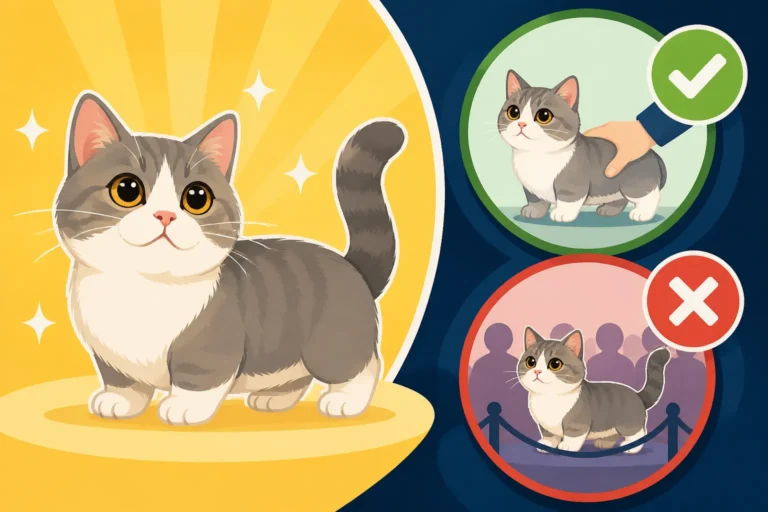
For breeders who are passionate about the Munchkin cat, CFA's non-recognition means they cannot register their cats with this organization, nor can they participate in CFA-sanctioned shows or events. This lack of recognition within such a prominent registry can certainly feel like a barrier, limiting opportunities for breed promotion and the formal establishment of pedigrees within that specific system. It can also create a divide within the cat fancy, where some breeders only work with recognized breeds, while others dedicate themselves to developing newer breeds like the Munchkin through different avenues. Owners looking for cats registered with CFA will find no Munchkins listed, reinforcing CFA's message about the breed's unsuitability for their standards. However, it's important to remember that CFA is just one registry, and others have different policies, which we'll explore next.
The Governing Council of the Cat Fancy (GCCF) and Its Stance
Moving across the pond to the United Kingdom, the Governing Council of the Cat Fancy (GCCF) holds a similar, strong position against the recognition of the Munchkin cat. As the primary governing body for pedigree cats in the UK, their influence is considerable.
GCCF's Emphasis on Health and Natural Conformation
The GCCF has a very clear ethos that places significant emphasis on the health, welfare, and natural conformation of cats. Their standards and policies are designed to ensure that pedigree cats registered under their banner possess traits that do not cause them distress, pain, or functional impairment. They are particularly wary of breeds developed from genetic mutations that lead to anatomical abnormalities. For the GCCF, a cat should be able to move, jump, play, and live a full, unencumbered life without its physical structure hindering it. They generally favor breeds that can perform natural feline behaviors with ease and without undue strain on their bodies. This commitment to "natural conformation" means that any breed showcasing a characteristic that could be seen as an exaggeration or a physical limitation often faces immediate scrutiny and likely refusal. Why GCCF Refuses the Munchkin delves into this in more detail.
The Welfare Concerns Leading to Their Decision
The decision by GCCF to refuse the Munchkin breed is rooted firmly in welfare concerns directly related to its chondrodysplastic dwarfism. Like the CFA, the GCCF views the shortened legs as a detrimental genetic mutation. They worry about the potential for spinal issues, particularly lordosis, where the spine sags downwards, and pectus excavatum, a condition where the breastbone is sunken. These conditions, while not present in every Munchkin, are considered potential risks associated with the altered skeletal structure. The concern is that breeding for short legs inherently increases the probability of these or other musculoskeletal problems. The GCCF also considers the broader impact on a cat's quality of life: its ability to jump to safety, climb, groom itself fully, or move without putting excessive strain on its joints and spine. They believe that promoting a breed with such inherent physical limitations is not in the best interest of feline welfare. This isn't just a regulatory decision; it's a moral one, driven by a desire to protect cats from suffering.
Implications for Munchkin Owners in GCCF Regions
If you're an owner or considering becoming one in a region where GCCF is the dominant registry, such as the UK, the implications of their non-recognition are quite significant. Firstly, your Munchkin cat cannot be registered with GCCF, nor can it be shown in any GCCF-sanctioned events. This means the formal pedigree documentation within the UK system for Munchkins simply doesn't exist. Secondly, the GCCF's stance often influences veterinary professionals and animal welfare organizations in the region. Vets might be more cautious or even critical of the breed, and welfare bodies frequently issue statements expressing concerns about its ethical breeding. This can lead to a more challenging environment for Munchkin owners, who might face judgment or difficulty finding support compared to owners of GCCF-recognized breeds. It also means that finding breeders who adhere to high ethical standards and operate outside of the mainstream registry framework becomes crucial, demanding thorough research and due diligence from prospective owners. For supplies, thankfully, places like Chewy are excellent resources, regardless of breed recognition status, offering everything from specialized joint support food to low-entry litter boxes.
Other International Registries and Their Policies
Beyond the major players like CFA and GCCF, the global landscape of cat registries is diverse, with varying opinions and policies regarding the Munchkin cat. It's a patchwork of acceptance, refusal, and outright bans that can be quite confusing.
Fédération Internationale Féline (FIFe) and Similar Organizations
Several other prominent international registries, like the Fédération Internationale Féline (FIFe), also refuse to recognize the Munchkin cat. FIFe, which has member organizations across Europe, Asia, and South America, adopts a very similar welfare-driven approach to GCCF and CFA. Their ethical guidelines explicitly state that they will not accept breeds where the defining characteristic is considered detrimental to the animal's health or normal function. This includes conditions like dwarfism that can lead to mobility issues or skeletal deformities. Similarly, other national and regional registries in countries such as Australia (Australian National Cats Inc. – ANCATS) and New Zealand have also chosen not to recognize the Munchkin, citing similar welfare concerns. These organizations often align with the sentiment that breeding for extreme features or known genetic conditions that could impair a cat's life is ethically questionable. This widespread refusal among influential bodies speaks volumes about the significant welfare debate surrounding the breed. What Welfare Bodies Say About the Munchkin gives more context here.
Registries That Do Accept the Munchkin (e.g., TICA)
It's important to note that not all registries refuse the Munchkin. The most notable exception, and indeed the registry that granted the Munchkin full championship status, is The International Cat Association (TICA). TICA is generally known for being more progressive and open to new and developing breeds. They recognized the Munchkin in the mid-1990s, after a period of provisional status, and it can be shown in their championship classes. TICA's position is that Munchkin cats are generally healthy and suffer no more health problems than other domestic cats, provided they are bred responsibly (e.g., Munchkins are only bred to normal-legged cats to avoid homozygous embryos). This acceptance by a major international registry means that Munchkin breeders have a legitimate platform for registration, showing, and breed development. However, the fact that TICA is often the only major registry to accept the breed highlights the deep divisions within the cat fancy regarding its ethical status. You can learn more about this by reading TICA Took the Munchkin In and a Judge Resigned Over It.
Varying Ethical and Health Perspectives Globally
The differing stances among registries reflect a broader global disagreement on the ethics of breeding certain physical traits. In some countries, like Germany and Norway, breeding cats with known genetic conditions that impair health (like the Munchkin's dwarfism) is either severely restricted or outright banned under animal welfare laws. These bans reflect a legal interpretation of what constitutes "torture breeding" or breeding that causes suffering. In contrast, in other regions, where there are no such specific laws or where a major registry like TICA accepts the breed, breeding continues. This creates a complex situation for owners and breeders, as the legality and social acceptance of the Munchkin can vary dramatically from one country or even state to another. This global divergence underscores that the debate isn't just about feline aesthetics, but about fundamental ethical questions regarding animal breeding and welfare. Owners often need to understand Whether a Munchkin Is Legal to Breed Everywhere before considering ownership.
Understanding the Ethical Objections to Munchkin Breeding
The core of why so many registries refuse the Munchkin isn't just about tradition or preference; it's deeply rooted in ethical considerations surrounding the breed's unique genetic trait. When we talk about "ethical objections," we're really discussing the potential impact of breeding practices on the individual cat's health and well-being.
The Dwarfism Gene and Its Consequences
The defining feature of the Munchkin cat—its short legs—is caused by a naturally occurring genetic mutation that results in a form of chondrodysplasia, or dwarfism. This is the same type of mutation seen in breeds like the Dachshund or Corgi in dogs. The gene responsible is autosomal dominant, meaning only one copy is needed for a cat to display the short-legged trait. However, and this is crucial, it's considered lethal in two copies; kittens inheriting two copies of the gene (homozygous) do not survive to birth. This means that Munchkin Dwarfism Is Dominant and Lethal in Two Copies. Breeders must always outcross a short-legged Munchkin to a normal-legged cat to avoid this outcome.
The immediate consequence of this gene is the disproportionately short limbs. While many Munchkins appear to adapt well, critics argue that this altered bone structure puts undue stress on their joints and spine. They point to an increased risk of conditions such as lordosis, where the spine curves excessively downwards, and pectus excavatum, a malformation of the chest wall. While breed proponents argue that these conditions are not statistically more prevalent in Munchkins than in the general cat population, the ethical concern remains: is it responsible to breed for a trait that is known to be associated with such skeletal anomalies, even if they don't manifest in every individual?
Concerns About Quality of Life and Mobility
Beyond the direct medical conditions, many of the ethical objections center on the potential impact on a Munchkin's overall quality of life and natural feline behaviors. Cats are inherently agile creatures, designed for climbing, jumping, and intricate grooming. The shortened legs of a Munchkin cat undeniably alter these abilities. They can't jump as high or as gracefully as their long-legged counterparts, and their altered gait means they move differently. While many Munchkins are remarkably playful and active on the ground, critics question whether a cat that cannot easily reach high places for safety or observation is truly living its best, most natural life.
Consider grooming: a cat's flexibility is key to keeping its coat pristine. Munchkins can sometimes struggle to reach all parts of their back or hindquarters, which might lead to matting or hygiene issues if owners don't intervene. This means owners must be proactive with grooming, sometimes using tools readily available at pet supply stores like Chewy. The question then becomes, should we be breeding cats that require human intervention for such basic, natural functions? These are the deeper ethical dilemmas that lead registries to take a firm stance. What the Short Legs Actually Cost a Munchkin in terms of quality of life is a frequent talking point.
The Controversy of Breeding for "Novelty"
Another significant aspect of the ethical debate is the idea of breeding animals for "novelty" or purely aesthetic reasons, particularly when those traits might compromise the animal's health. The Munchkin's short legs are undeniably unique and visually appealing to many, contributing to its popularity. However, opponents argue that intentionally propagating a genetic mutation that causes dwarfism, purely for a distinctive look, crosses an ethical line. They contend that this prioritizes human preference over the animal's inherent physical soundness.
This concern extends to the creation of "hybrid" breeds, where the Munchkin is crossed with other breeds, sometimes introducing multiple genetic mutations, such as the Sphynx (Bambino) or the Scottish Fold (Scottish Kilt). Why Munchkin Hybrids Stack Two Mutations is a major point of contention, as stacking mutations like dwarfism and osteochondrodysplasia (the Scottish Fold ear fold gene, which also affects cartilage and bone) can lead to even more severe health problems. For many welfare-focused registries, the potential for compounding health issues makes these "designer" breeds particularly problematic, reinforcing their stance against the foundational Munchkin breed itself.
The Impact of Non-Recognition on Owners and Breeders
For those who love Munchkin cats, the refusal of recognition by major registries isn't just an abstract policy; it has very real, tangible effects on their experience as owners and the future of the breed.
Limited Show Opportunities and Breed Development
One of the most immediate impacts for Munchkin breeders and enthusiasts is the severely limited opportunities for showing their cats. With major organizations like CFA, GCCF, and FIFe refusing recognition, Munchkins cannot compete in the vast majority of prestigious cat shows worldwide. This means breeders cannot earn championship titles through these avenues, which are often seen as benchmarks of quality and breed conformity. This restriction can make it harder for breeders to gain visibility, attract buyers, and contribute to the formal development and refinement of the breed standard outside of TICA.
Without widespread recognition, breeders also lack the broader oversight and guidance that established registries provide for health testing and ethical practices. While dedicated Munchkin breeders often form their own clubs and uphold strict internal standards, the absence of universal validation from a larger body can leave the breed more vulnerable to irresponsible breeding practices by those less committed to welfare. This makes it crucial for prospective owners to research breeders thoroughly, looking for transparency and a commitment to health.
Challenges for Insurance and Veterinary Care
While not universally true, owners of non-recognized breeds like the Munchkin can sometimes face unique challenges when it comes to practical aspects like pet insurance or even certain veterinary interactions. Some pet insurance providers might view breeds with known genetic predispositions or controversial health profiles differently. While most policies will cover accidents and illnesses, there might be specific exclusions or higher premiums if the insurer identifies the breed as being at higher risk for certain conditions related to its conformation, such as spinal or joint issues. It's always wise for Munchkin owners to check policy details carefully and disclose their cat's breed upfront.
Furthermore, while the vast majority of veterinarians will provide excellent care for any cat, some vets hold strong opinions about the ethical implications of certain breeds. Why Vets Disagree About the Munchkin is a common discussion in the veterinary community. Owners might occasionally encounter a vet who is critical of the breed or less familiar with its specific needs, especially if they practice in regions where the Munchkin is not recognized or is subject to bans. This necessitates finding a vet who is not only skilled but also open-minded and willing to work with Munchkin owners to ensure the best possible care for their unique feline companions.
The Importance of Responsible Breeding Practices Regardless of Recognition
Ultimately, whether a breed is recognized by a major registry or not, the onus of responsibility falls squarely on the shoulders of individual breeders and owners. For Munchkin cats, given the controversies, responsible breeding practices are absolutely paramount. This includes:
- Health Screening: Thoroughly health testing all breeding cats for conditions that affect all felines (like heart disease) and keeping a close eye on skeletal health. What a Munchkin Breeder Should Be Able to Show You should include health records of parents.
- Ethical Pairings: Always breeding a short-legged Munchkin to a normal-legged cat to prevent the lethal homozygous gene combination.
- Temperament: Ensuring that breeding cats have excellent, stable temperaments.
- Environment: Raising kittens in a stimulating, clean, and appropriate environment.
- Transparency: Being open and honest with prospective buyers about the breed's characteristics, potential health considerations, and the importance of adapting the home for a Munchkin's unique physical needs. This includes providing ramps and steps, which are not luxuries but necessities, often found on sites like Chewy.
| Registry / Organization | Stance on Munchkin Recognition | Primary Reason for Stance | Geographic Influence (Examples) |
|---|---|---|---|
| The International Cat Association (TICA) | Recognizes | Believes Munchkins are healthy if bred responsibly, has championship status. | Global (North America, Europe, Asia) |
| Cat Fanciers' Association (CFA) | Refuses | Concerns over genetic deformity (dwarfism) and potential health/welfare issues (spine, joints). | Primarily North America |
| Governing Council of the Cat Fancy (GCCF) | Refuses | Strong emphasis on natural conformation; views dwarfism as detrimental to welfare (spinal, mobility risks). | United Kingdom |
| Fédération Internationale Féline (FIFe) | Refuses | Ethical opposition to breeding for traits that compromise health or normal function (dwarfism, mobility). | Europe, Asia, South America |
| Australian National Cats Inc. (ANCATS) | Refuses | Cites welfare concerns related to the short-legged mutation and potential health problems. | Australia |
| World Cat Federation (WCF) | Recognizes | While some national member clubs may have bans, WCF generally allows the breed, often with health stipulations. | Global (Europe, Asia, Americas) |
For owners, understanding Why a Munchkin's Legs Are Short but Its Body Is Not and how that impacts its movement and care is essential for providing a supportive home environment. This knowledge allows them to proactively adapt their homes with features like ramps or lower furniture, helping their Munchkin live a comfortable and joyful life, regardless of registry opinions.
Disclaimer
This article is for general informational purposes only and does not constitute professional advice. Laws, prices and regulations vary by location and change over time. Consult a qualified professional for guidance on your specific situation.