What a Bambino Is and How It Relates to the Munchkin
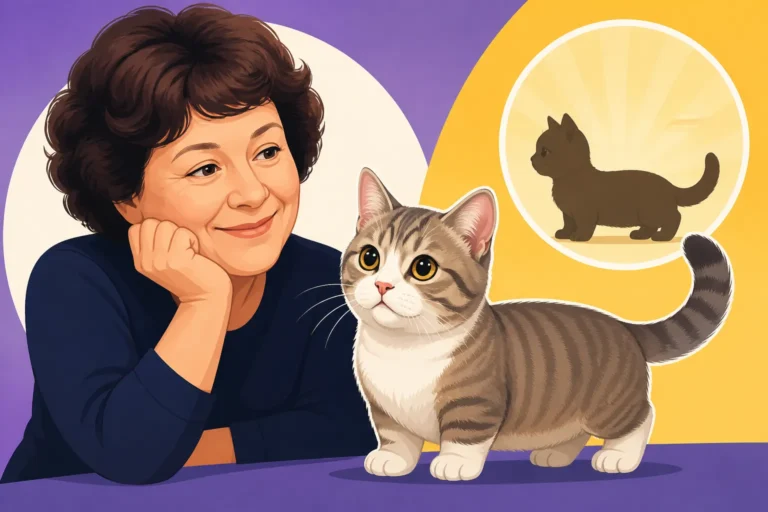
A Bambino is generally described as a short-legged, hairless cat developed from Munchkin and Sphynx ancestry. That combination can look distinctive, but it also raises practical questions about inheritance, health, grooming, and how consistently the name is used. This guide explains what the Bambino is, how it relates to the Munchkin, and what to consider before bringing one home.
What a Bambino is
The Munchkin and Sphynx traits behind the name
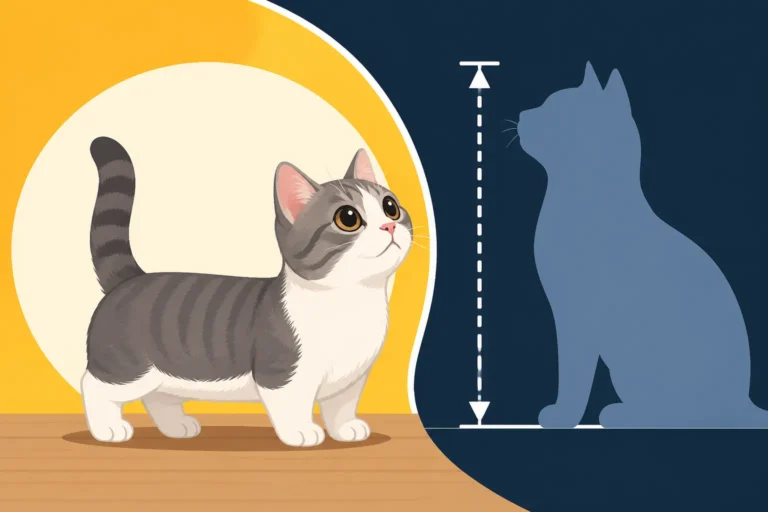
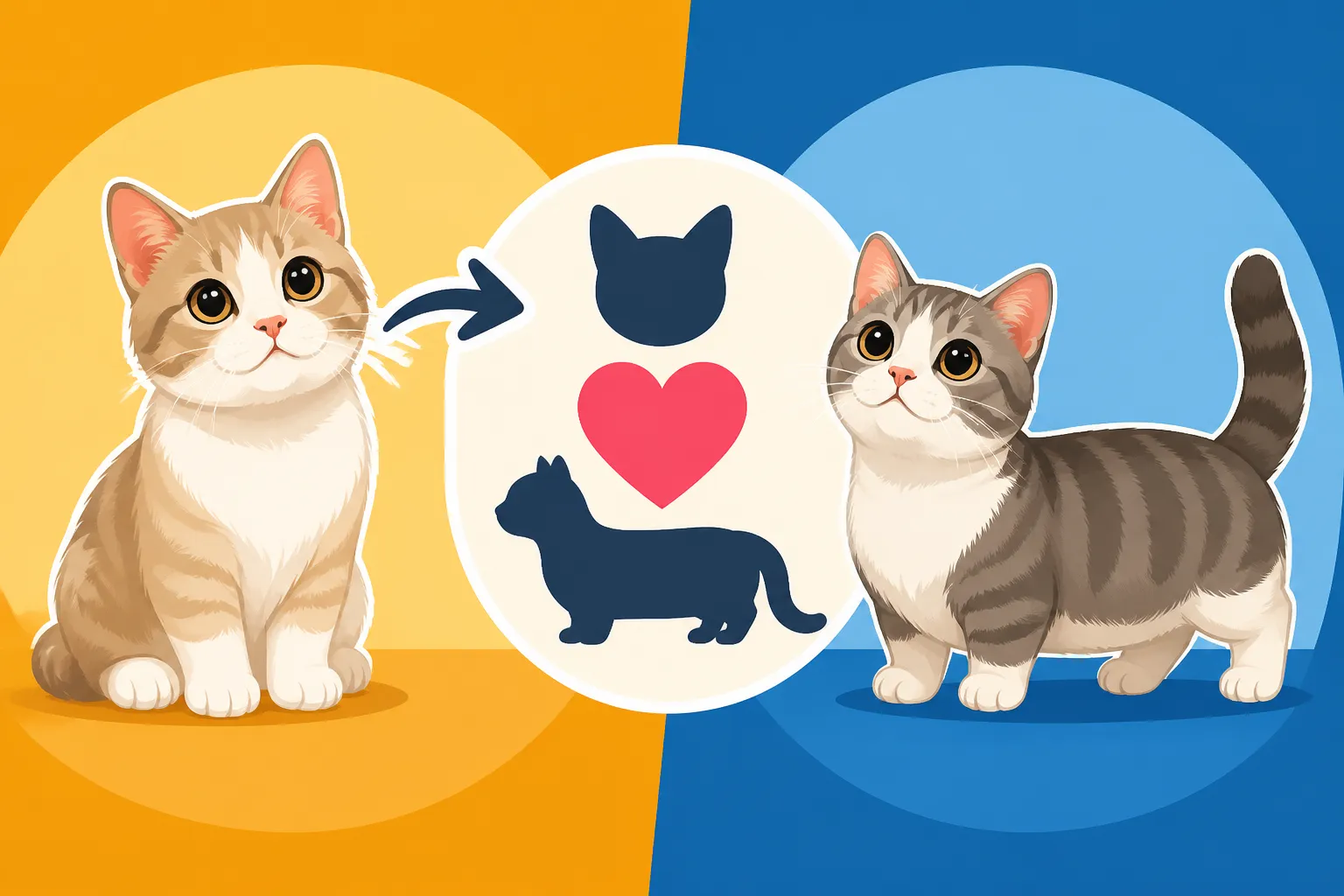
A Bambino is usually described as combining the Munchkin’s short legs with the Sphynx’s hairless appearance. The Munchkin contributes a form of short-limbed dwarfism, while the Sphynx contributes a hairlessness trait. A Bambino’s distinctive look is therefore not a single feature: it is the result of combining traits associated with two different breed backgrounds.
The word “Bambino” is used for cats bred to show this combination, but breed names do not guarantee identical ancestry, appearance, or health. Cats sold under the label may vary in body type, coat coverage, leg length, and pedigree. If a seller uses the name, ask what the cat’s parents are and what registration, if any, supports the description. The history of the Munchkin side is explored in How the Bambino Was Made From a Munchkin.
It also helps to separate appearance from health. A hairless cat is not necessarily a Bambino, and a short-legged cat is not automatically a Munchkin or a Bambino. A veterinarian can assess a cat’s body and movement, but a label alone cannot establish its ancestry or predict its future health.
How a Bambino differs from a Munchkin
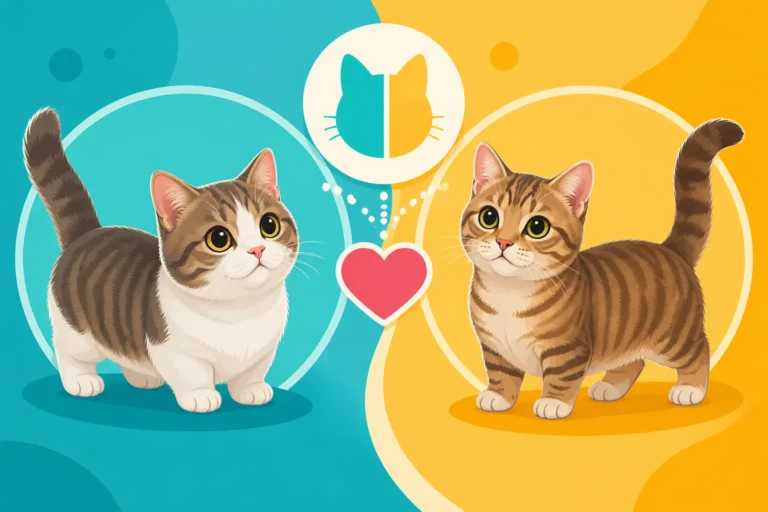
A Munchkin is known for short legs, but its coat can be short or long, and it may have a wide range of colors and patterns. A Bambino is generally presented as hairless or nearly hairless as well as short-legged. In other words, the Bambino’s look combines two traits, while the Munchkin’s defining feature is its leg length.
| Feature | Munchkin | Bambino |
|---|---|---|
| Typical identifying trait | Short legs | Short legs and hairlessness |
| Coat | Shorthaired or longhaired; many colors and patterns | Usually hairless or with fine, sparse fuzz |
| Breed background | Munchkin lines and permitted outcrosses vary | Commonly described as combining Munchkin and Sphynx ancestry |
| Everyday care considerations | Movement access, weight management, grooming needs depend on coat | Munchkin-related access needs plus regular skin and temperature care |
| What the name can tell you | A breed label, not a health guarantee | A type label whose use and recognition may vary |
These are general descriptions rather than guarantees about an individual cat. Some hairless cats have a soft covering of fine hair, and cats with similar appearances may have different backgrounds. For a closer look at the Munchkin itself, see How a Munchkin Differs From a Dwarf Cat.
What the combination means for inheritance and health
Two visible traits do not equal one simple health story
The Bambino’s appearance brings together traits that have different genetic backgrounds. Munchkin short legs are associated with a dominant inherited trait, while Sphynx hairlessness has a separate inheritance pattern. The visible result does not make the two traits interchangeable, and a breeder’s description cannot substitute for a clear account of the parents and their health history. For background on the Munchkin trait, read Why Munchkin Dwarfism Is Called Autosomal Dominant.
There is also a broader welfare question: intentionally combining traits can make it harder to distinguish the appeal of a particular appearance from the needs of the animal carrying it. That does not mean every Bambino will be ill or uncomfortable. It does mean buyers should ask what health checks have been done, how the cat moves, and what support the breeder offers if a problem appears.
Short legs alone do not tell you whether a cat is in pain, and hairlessness alone does not establish that a cat has a medical condition. Look at the individual animal. Does it walk and play comfortably? Can it reach food, water, resting spots, and its litter box? Does its skin appear irritated? If anything seems unusual, a veterinary examination is more useful than assumptions based on breed descriptions.
Health questions to discuss with a veterinarian
For a short-legged cat, a vet can evaluate gait, joint comfort, body condition, and spinal development. Ask what changes to watch for as the cat grows, and whether any examination or imaging is appropriate for that individual. A kitten’s playful behavior is encouraging, but it cannot answer every question about later mobility. The wider debate around combining breed traits is discussed in Why Munchkin Crosses Worry Veterinarians and Why Stacking Mutations on a Munchkin Is Criticized.
Hairless cats need attention to skin and temperature as well. Without a normal coat, skin may collect oils and can be more exposed to friction, cold, or direct sun. Ask a veterinarian how to clean the skin safely and whether the cat needs clothing or other protection in your home. Do not apply human lotions, essential oils, or medicated products unless a vet specifically recommends them.
A responsible breeder should be able to discuss health history honestly, explain which examinations have been completed, and tell you what is not known. Be cautious if someone promises that a Bambino is guaranteed to be free of health problems, dismisses questions about movement or skin, or pressures you to pay before you can review the kitten’s records. What a Munchkin Breeder Should Be Able to Show You offers useful questions to adapt when evaluating a breeder of cats with Munchkin ancestry.
What daily care may involve
Making the home easy to navigate
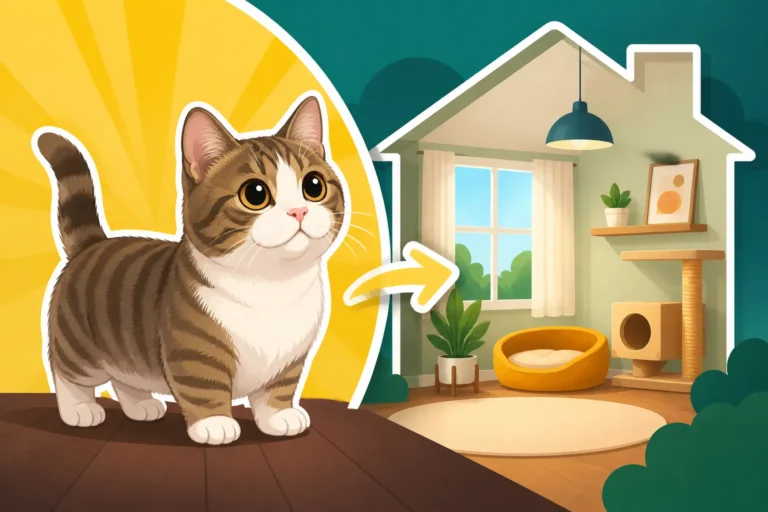
A Bambino with short legs may have difficulty reaching furniture or high resting places that other cats access with one jump. Instead of expecting the cat to adapt to a standard setup, provide stable steps or a gentle ramp to favorite places. Keep frequently used resources—especially food, water, a bed, and a litter box—within easy reach.
Watch how the cat actually uses the room. A ramp that looks sensible to you may be too steep, slippery, or unstable for a small cat to trust. Add traction, secure it so it does not shift, and introduce it gradually with treats or play. If you are choosing supplies online, Chewy is one retailer where you may find ramps or low-entry litter pans; check the item’s dimensions and stability rather than relying on the product name alone.
A low-entry litter box can make access easier, while higher sides may help contain litter. The best arrangement depends on the individual cat and the box design. Keep the box on the same level as the cat’s main living area when possible, and notice whether the cat enters, turns around, and exits comfortably. For a Munchkin-focused discussion of box access, see Which Litter Box a Munchkin Can Actually Enter.
Caring for hairless skin and keeping the cat comfortable
Hairless does not mean maintenance-free. Skin may need regular observation and, if advised by a veterinarian, gentle cleaning. Look for redness, flaking, unusual odor, sores, or persistent scratching. If a problem appears, avoid trying several products at once; contact your vet so the cause can be assessed before the skin becomes more irritated.
Temperature matters too. A hairless cat may seek warm resting places, but heating pads and other heat sources can burn skin if they are too hot or difficult for the cat to leave. Offer cozy bedding in a comfortable indoor spot, and make sure the cat can move away from warmth whenever it wants. Protect the cat from prolonged direct sun, and ask your veterinarian what precautions make sense for your home and climate.
Ordinary household planning helps: keep a soft bed near the places where the cat spends time, avoid letting it roam outdoors unsupervised, and check that clothing—if used—does not rub or restrict movement. You can find basic grooming supplies through retailers such as Chewy, but choose products labeled for cats and ask your vet before using anything on sensitive or irritated skin. Regularly inspect the cat rather than assuming its skin is fine because it looks smooth.
Choosing a Bambino thoughtfully
Questions to ask before committing
Ask the breeder to explain the kitten’s parentage and show you the available records. Find out how the kitten has been examined, whether it has received routine veterinary care, and what the breeder knows about the health of its parents and close relatives. Ask to see the kitten walking and playing on a level surface, not only posed for photographs.
Also ask what happens if a vet identifies a health concern after the kitten comes home. A written agreement should explain the breeder’s policies clearly, without replacing your own veterinary care. If a seller avoids straightforward questions, will not share basic documentation, or treats an unusual appearance as proof of superior health, slow down. A careful decision is worth more than being rushed into choosing a kitten.
Consider your home and routine, too. Can you provide indoor protection from temperature extremes? Are you ready to keep skin care and mobility access in mind as the cat ages? If stairs separate the cat from its litter box or resting place, could you make the essentials accessible on one level? These are practical questions, not reasons to assume a Bambino cannot thrive.
How to weigh the ethical question
People disagree about breeding cats for physical traits, particularly when those traits may affect movement or require additional care. Supporters may point to affectionate personalities and individual cats that appear active and comfortable. Critics focus on the deliberate selection of unusual body features and the possibility that the cat’s needs are being treated as secondary to its appearance. Reading Whether Buying a Munchkin Is an Ethical Decision can help frame the related discussion without assuming that every cat or breeder is the same.
A useful standard is to put the individual cat’s comfort first. Look beyond photographs and marketing language. Ask whether the cat can move freely, groom itself as much as its body allows, reach essential resources, and live without repeated discomfort. Ask a veterinarian about risks specific to that cat rather than relying on blanket claims from either supporters or critics.
If you already live with a Bambino, thoughtful care can make a meaningful difference: maintain a healthy body condition, keep essential resources accessible, watch for changes in movement or skin, and arrange veterinary care when something seems wrong. A Bambino is related to the Munchkin through its short-legged ancestry, but its hairlessness adds separate care considerations. Understanding both parts of that combination is the most practical starting point.
Disclaimer
This article is for general informational purposes only and does not constitute professional advice. Laws, prices and regulations vary by location and change over time. Consult a qualified professional for guidance on your specific situation.