How a Munchkin Differs From a Dwarf Cat
It’s easy to get lost in the sea of adorable cat pictures online and fall in love with a Munchkin, only to then hear confusing or even alarming terms like "dwarf cat." This can leave you wondering if a Munchkin is just a cute term for a cat with a serious health issue, or if there's a real, important distinction to be made. This guide is here to untangle that confusion, explaining precisely how a Munchkin differs from other types of dwarf cats, what their unique genetic makeup means for their health and behavior, and why understanding these nuances is so important for their care.
Understanding "Dwarfism" in Cats: More Than Just Short Legs
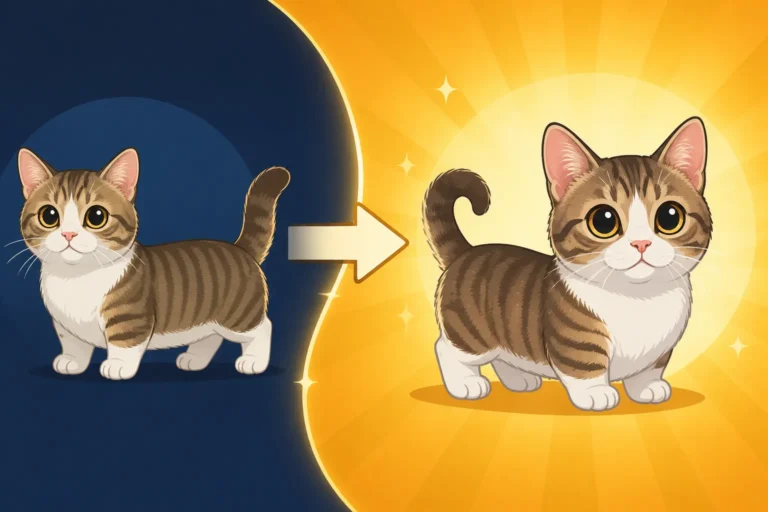
When we talk about "dwarfism" in cats, it’s not a single, simple condition. Just like in humans or dogs, feline dwarfism can manifest in various ways, and not all forms are created equal in terms of health implications or how they affect a cat's life. The term itself can sometimes be a bit of a catch-all, leading to misunderstandings, especially when people are new to the world of cats with unique physical traits. It’s important to remember that while a Munchkin is undeniably a dwarf cat, its specific form of dwarfism is distinct from others you might encounter.
The Scientific Definition of Dwarfism
Scientifically speaking, dwarfism, or chondrodysplasia, refers to a genetic condition that results in disproportionate or miniature growth. In cats, this most commonly affects the long bones of the legs, leading to noticeably shorter limbs compared to the rest of the body, which typically maintains a normal size. This is what we call disproportionate dwarfism. There are also rarer forms of proportionate dwarfism where the entire body is smaller than average, but this is less common and usually tied to different genetic mutations or underlying health conditions. The key takeaway is that dwarfism isn't just about being small; it's about how that smallness occurs and which parts of the body are affected.
The underlying cause is almost always a spontaneous genetic mutation, which then gets passed down through breeding if it's found to be desirable or unique. These mutations affect the growth plates of the bones, causing them to stop growing prematurely. While the outward appearance might seem similar across different dwarf conditions – short legs being the most obvious sign – the exact genetic pathway and the array of potential secondary health concerns can vary quite dramatically. This is where the specific distinction of the Munchkin comes into play, as its particular gene mutation dictates its characteristics and challenges.
Different Forms of Feline Dwarfism
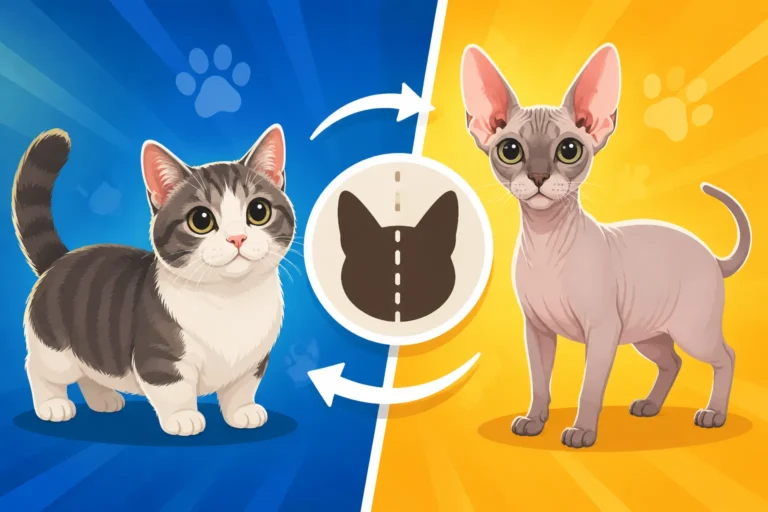
Beyond the Munchkin, other forms of feline dwarfism exist, some recognized, many not. For instance, some cats might have pituitary dwarfism, which affects overall growth and can lead to a host of internal health problems due to hormonal imbalances. These cats are usually proportionately smaller, not just short-legged, and often suffer from issues like skin problems, dental issues, and a compromised immune system. This is a much more severe condition than the Munchkin's specific type of dwarfism. Then there are conditions that cause skeletal malformations beyond just short legs, affecting the spine, skull, or other bone structures in ways that can be genuinely debilitating.
It's critical to understand that not all short-legged cats are Munchkins, and not all forms of dwarfism are benign. Some cats might develop short legs as a symptom of a broader, more complex genetic disorder that affects multiple body systems. These conditions are often associated with significant pain, reduced mobility, and a greatly shortened lifespan, sometimes even making it difficult for kittens to survive to adulthood. This highlights why responsible breeding and proper veterinary diagnosis are so important when dealing with any cat exhibiting dwarf characteristics, ensuring that the animal's welfare is always the top priority.
Why Some Dwarf Conditions Are More Problematic
The severity of a dwarf condition largely depends on which genes are affected and how widespread their impact is on the cat's development. Conditions that affect critical organ development, spinal integrity, or lead to chronic pain are, of course, far more problematic. For example, some forms of dwarfism can lead to severe spinal deformities, making movement incredibly painful or even impossible, or can compress internal organs, leading to respiratory or digestive issues. These are the kinds of dwarf conditions that raise serious ethical concerns within the veterinary community and among animal welfare organizations.
Contrast this with the Munchkin, where the primary and consistent manifestation of their specific genetic mutation is shortened long bones. While Munchkins do have their own set of potential health considerations, which we will explore, their condition typically does not lead to the same catastrophic organ malformations or systemic failures seen in other, more severe forms of dwarfism. This difference in primary impact is why the Munchkin can be a controversial but generally functional cat, whereas other forms of dwarfism would prevent a cat from living a comfortable, relatively normal life. It’s the difference between a specific genetic trait and a comprehensive genetic defect.
The Munchkin's Specific Genetic Mutation: Pseudoachondroplasia
The Munchkin cat stands apart because its short legs are due to a very specific, well-understood genetic mutation known as pseudoachondroplasia. This isn't just a random occurrence; it's the defining characteristic of the breed and differentiates it significantly from other forms of feline dwarfism that might appear similar at first glance. Understanding this particular genetic anomaly is key to understanding the Munchkin cat itself, its unique traits, and its specific health considerations.
What Pseudoachondroplasia Actually Is
Pseudoachondroplasia is a form of dwarfism where the cartilage and bone growth plates develop abnormally, resulting in significantly shorter long bones in the limbs. Crucially, the spine, skull, and other bones develop to a normal length and size. This means a Munchkin has a body and head proportionate to a regular-sized cat, but its legs are strikingly short. This is why you'll hear the term "disproportionate dwarfism" applied to Munchkins – their legs are short, but the rest of them isn't. What Pseudoachondroplasia Does to a Munchkin's Legs delves deeper into the specifics of how this affects their limb development. It's a localized effect, largely sparing the central skeletal structures from the deformities seen in more severe forms of dwarfism.
This specific mutation affects the cat's ability to produce or properly utilize certain growth factors in the cartilage, which are essential for the elongation of bones during development. While the bone structure itself is typically normal in terms of density and integrity, it simply doesn't grow to the length it would in a non-Munchkin cat. This is an important distinction, as it means the cat isn't suffering from brittle bones or a systemic skeletal fragility, but rather a targeted reduction in limb length. It's not a disease in the conventional sense that can be "cured," but a permanent genetic trait.
How the Munchkin Gene Is Inherited
The Munchkin gene is an autosomal dominant gene. This means a cat only needs to inherit one copy of the gene from either parent to express the short-legged trait. If a cat inherits two copies, however, the outcome is very different and, unfortunately, lethal. This genetic reality dictates the strict breeding practices for Munchkin cats. A Munchkin cat, by definition, will always be heterozygous, meaning it carries one copy of the short-leg gene and one copy of the normal-leg gene. Munchkin Dwarfism Is Dominant and Lethal in Two Copies explains this in greater detail. This dominant inheritance pattern means that every time a Munchkin is bred, approximately half of the kittens in the litter will inherit the short-leg gene, and half will inherit two normal-leg genes, resulting in long-legged kittens.
Breeders must always cross a short-legged Munchkin with a normal-legged cat (often referred to as a "Munchkin variant" or an approved outcross breed like a domestic shorthair). Breeding two short-legged Munchkins together is strictly forbidden and unethical because it carries a 25% chance of producing kittens that inherit two copies of the short-leg gene. These homozygous kittens do not survive. This carefully managed breeding practice ensures the health of the litters and perpetuates the breed without causing unnecessary suffering, which is a testament to responsible breeders adhering to genetic principles.
The Lethal Homozygous Gene
The critical aspect of the Munchkin's pseudoachondroplasia gene is that it is embryonic lethal in two copies. This means that if an embryo inherits two copies of the dominant short-leg gene (one from each parent), it will not develop past an early stage and will be reabsorbed by the mother's body, never making it to birth. This is why you will never see a Munchkin cat that is "shorter" than a typical Munchkin due to carrying two copies of the gene; such a cat simply doesn't exist. This phenomenon is a stark reminder of the delicate balance of genetics and why responsible breeding is paramount.
This lethal outcome prevents any cats from suffering from the effects of inheriting a double dose of the gene, which would likely result in a far more severe and debilitating form of dwarfism. It's a natural genetic mechanism that, while sad for the lost embryos, ultimately protects the born kittens from potentially unmanageable health issues. Therefore, any Munchkin cat you encounter, regardless of how short its legs are, only carries a single copy of the gene. This genetic reality underpins the Munchkin's unique position among dwarf cat breeds and is a cornerstone of understanding its health profile.
Physical Characteristics: What Makes a Munchkin Visibly Unique
Beyond the basic definition of dwarfism, the Munchkin cat presents a very specific set of physical characteristics that visually distinguish it from other cats, both regular-legged and other forms of dwarfism. It's not just about having short legs; it's about the proportion of those legs to the rest of the body, and the way this unique structure influences their movement and even their charming habits. These characteristics are central to their breed standard and what makes them instantly recognizable.
The Signature Short Legs and Normal Body Length
The most striking feature of a Munchkin cat, of course, is its short legs. However, what's equally important is that their body length and overall size are otherwise perfectly normal for a domestic cat. Unlike some forms of dwarfism that might result in a miniature cat with a proportionately smaller body, the Munchkin maintains the torso and head size of a regular feline. Imagine a domestic shorthair or longhair cat, and then simply shorten its limbs. That's essentially the Munchkin's blueprint. Why a Munchkin's Spine Is Normal Length further elaborates on this crucial aspect, highlighting that the primary skeletal impact is confined to the limbs.
This normal body length is vital because it means their internal organs, spine, and other critical systems are generally not compressed or deformed in the way they might be with other dwarf conditions. Their short legs are a consequence of the long bones (femur, tibia, humerus, radius, ulna) being abbreviated, while the bones of the spine and skull largely escape the effect of the mutation. This structural integrity is a significant reason why Munchkins are often considered to be robust and athletic despite their stature, allowing them to lead active, playful lives with appropriate care.
Comparing Leg Proportions to Other Breeds
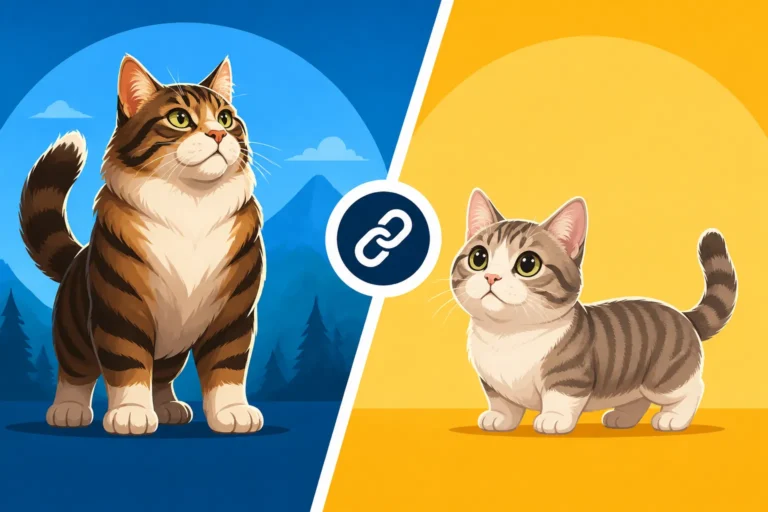
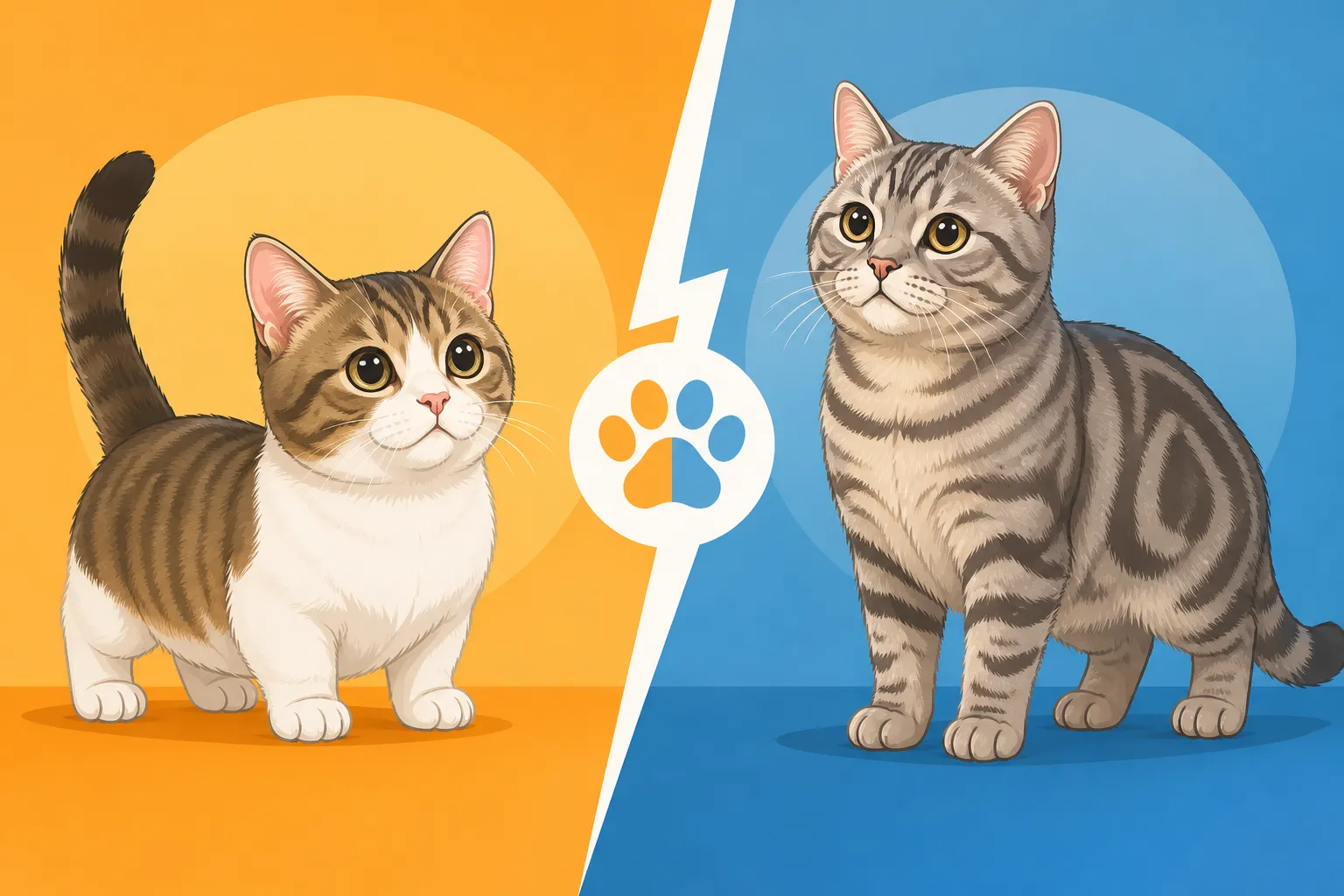
When you place a Munchkin next to a regular domestic cat, the difference in leg length is immediately apparent. A typical Munchkin's legs might be anywhere from half to two-thirds the length of a non-Munchkin cat's. Their front legs often appear slightly shorter than their hind legs, and sometimes they can have a slight bowing, or "bandy-legged" appearance, due to the way their growth plates develop. This unique leg structure gives them a distinctive gait, often described as a ferret-like or waddling motion, especially when they're running at top speed. They aren't slow, just different in their movement.
It's also important to note that within the Munchkin breed, there's a range of leg lengths, from "standard" to "rug hugger," with rug huggers having the shortest legs of all. These terms describe the degree of pseudoachondroplasia, but all still fall within the spectrum of the same genetic mutation. This variation means that some Munchkins might appear more agile than others, but all will display the fundamental short-legged trait. This variation is a natural part of the breed and not necessarily an indicator of better or worse health, provided the cat comes from responsible breeding and has no other associated deformities.
The Distinctive "Prairie Dog" Sit
One of the most endearing and unique behaviors of the Munchkin cat, directly linked to its physical structure, is its "prairie dog" sit. Because their hind legs are proportionally longer than their front legs, and their spine is flexible and normal in length, Munchkins can often sit up on their hindquarters, like a prairie dog or a rabbit, to get a better view of their surroundings. They use their short front paws to balance, giving them a very upright posture. The Prairie Dog Sit Only a Munchkin Does beautifully illustrates this characteristic behavior.
This posture isn't just cute; it's a clever adaptation to their limited vertical reach. When they can't jump onto a counter or reach something high up, sitting up allows them to survey the scene and satisfy their curiosity. It's a natural behavior for them and typically doesn't cause discomfort or strain on their spine. In fact, it's a clear indicator of their otherwise flexible and healthy spinal structure. This specific behavior is a hallmark of the Munchkin breed and something you won't commonly see in cats with other, more debilitating forms of dwarfism that might compromise spinal flexibility.
Beyond Legs: Potential Health Concerns Associated with Munchkins
While Munchkins generally enjoy good health and a normal lifespan, it would be inaccurate and irresponsible to claim they have no breed-specific health considerations. Their unique skeletal structure, though primarily affecting leg length, can predispose them to certain conditions that prospective owners should be aware of. These aren't inevitable diseases, but rather potential issues that require vigilant observation and proactive care. Understanding these possibilities is part of being a responsible Munchkin owner.
Lordosis: The Spinal Curve We Worry About
One of the most discussed potential health concerns in Munchkins is lordosis. Lordosis is a condition where the spine curves downwards, creating a noticeable dip in the back, particularly in the lumbar region. While not exclusive to Munchkins, their specific genetic background and skeletal structure can, in some cases, make them more prone to this condition than other breeds. In mild cases, a cat might show no symptoms at all, but severe lordosis can be very serious. What Lordosis Actually Is in a Munchkin provides a comprehensive explanation. In its most severe form, lordosis can lead to compression of the chest cavity, affecting breathing and potentially putting pressure on internal organs.
The concern arises because, unlike the pseudoachondroplasia gene, lordosis is not definitively understood to be directly linked to the short-leg gene itself, but rather potentially an associated condition that arises from developmental factors or other genetic predispositions that can be present in some lines. This makes it crucial for breeders to screen their cats and avoid breeding any animals that exhibit even mild signs of lordosis. For owners, regular veterinary check-ups and being observant of your cat's posture and movement are key to early detection. A cat with severe lordosis may show signs of discomfort, reduced energy, or difficulty moving freely.
Pectus Excavatum: A Sunken Chest
Another condition sometimes seen in Munchkins, though again, not exclusively, is pectus excavatum, often referred to as a "sunken chest" or "funnel chest." This is a congenital deformity of the sternum (breastbone) and rib cage, where the sternum grows inwards towards the spine, rather than outwards. The severity can range from a very mild indentation that has no impact on health, to a severe compression of the heart and lungs, leading to respiratory and cardiac issues. What Pectus Excavatum Does to a Munchkin's Chest delves into the specifics of this condition. When severe, it can dramatically impact a cat's quality of life, causing breathing difficulties, reduced stamina, and even heart problems.
Like lordosis, pectus excavatum is not directly caused by the pseudoachondroplasia gene, but some studies and anecdotal evidence suggest a higher prevalence in breeds with specific skeletal conformations, which might include Munchkins. Responsible breeders will meticulously check kittens for any signs of pectus excavatum, as early detection is important. In severe cases, surgical correction may be an option, but milder cases often require no intervention. Owners should be vigilant about any signs of labored breathing, especially during play or exercise, and ensure their vet routinely checks their Munchkin's chest conformation.
Joint Health and Mobility in Munchkins
Given their unique leg structure, it's natural to wonder about a Munchkin's joint health. While their legs are shorter, the joints themselves are typically formed correctly, meaning they are not inherently prone to dislocations or severe deformities like hip or elbow dysplasia at a higher rate than other breeds. However, the biomechanics of their shorter limbs mean that their joints, particularly in the shoulders and elbows, bear a different kind of load during movement and impact. This different weight distribution can potentially lead to earlier onset of osteoarthritis if not properly managed. Whether a Munchkin Gets Arthritis Earlier provides insight into this concern.
Maintaining a healthy weight is paramount for a Munchkin to minimize stress on these joints. An overweight Munchkin will carry every extra pound directly on its short limbs, accelerating wear and tear. Furthermore, while Munchkins are incredibly agile and adaptable, excessive high-impact jumping from significant heights should be discouraged to protect their joints over the long term. Providing ramps and steps to high places is not just convenient for them, it's a preventative measure. Regular, appropriate exercise, a balanced diet, and potentially joint supplements (under veterinary guidance) can help support their long-term mobility and comfort, ensuring they can continue to run and play with their signature zest.
Marketing Misconceptions: The "Teacup" and Other Falsehoods
The popularity of Munchkin cats, and indeed any unique-looking breed, unfortunately, creates fertile ground for misinformation and unscrupulous breeding practices. It's a frustrating reality that the desire for something "special" can lead to people being misled by marketing terms that have no basis in reality or by breeders who prioritize profit over animal welfare. Understanding these misconceptions is crucial for anyone considering adding a Munchkin to their family, ensuring you make an informed and ethical choice.
Why "Teacup Cat" Is Not a Breed
One of the most persistent and problematic marketing terms you'll encounter is "teacup cat." Let's be absolutely clear: "teacup" is not a recognized cat breed. It's a marketing term used to describe unusually small cats, often created by intentionally breeding runts or cats with genetic mutations that cause overall proportionate dwarfism. While Munchkins are small due to their short legs, a "teacup Munchkin" specifically implies a cat that is significantly smaller in overall size than a standard Munchkin. This is where the dangers arise.
True proportionate dwarfism, where a cat is tiny all over, is usually associated with severe health issues like organ failure, hormonal imbalances, and a compromised immune system. These cats often have a significantly reduced lifespan and a poor quality of life, constantly battling illness. Breeders who intentionally produce "teacup" cats are often doing so by breeding unhealthy individuals or promoting conditions that lead to severe medical problems, all for the sake of marketability. When you see a "teacup Munchkin" advertised, it's a huge red flag that the breeder might be cutting corners on health and ethics. Always remember, a healthy Munchkin is a cat with normal body size and shortened legs, not a miniature version of a cat.
The Dangers of Unregulated Breeding for Extreme Size
The pursuit of "teacup" or "miniature" traits through unregulated breeding practices poses significant dangers to feline welfare. Breeders who prioritize extreme smallness often overlook critical health screening, perpetuating genetic conditions that cause suffering. They might breed cats too young, too frequently, or without proper genetic testing to ensure healthy offspring. The result is often kittens born with severe health defects, chronic illnesses, and shortened lives. These animals require extensive veterinary care from an early age, often living with pain or significant disabilities that could have been avoided with responsible breeding.
Furthermore, these breeders often operate outside of recognized cat registries, meaning there are no breed standards or ethical guidelines to hold them accountable. This lack of oversight makes it incredibly difficult for potential buyers to verify the health, parentage, or true breed characteristics of a kitten. The allure of a uniquely tiny pet can unfortunately override good judgment, leaving unsuspecting owners with pets that face a lifetime of health challenges. Always seek breeders who are registered with organizations like The International Cat Association (TICA) and who adhere to strict health and ethical standards. What a Munchkin Breeder Should Be Able to Show You provides excellent guidance on what to look for.
How to Identify a Reputable Breeder
Identifying a reputable Munchkin breeder is paramount to avoiding these marketing pitfalls and ensuring you bring home a healthy, well-socialized kitten. First and foremost, a good breeder will never use terms like "teacup" or "miniature" to describe their Munchkins. They will speak in terms of "standard" or "rug hugger" leg length, which refers to the degree of pseudoachondroplasia within the healthy spectrum of the breed. They will be transparent about their breeding practices, including the fact that they always breed a Munchkin to a normal-legged cat to avoid the lethal homozygous gene.
A reputable breeder will also be eager to discuss the potential health considerations of the breed, such as lordosis or pectus excavatum, and will be able to show you health clearances for the parent cats, or at least discuss how they screen for these conditions in their lines. They will allow you to visit their cattery (or provide extensive video tours if a visit isn't possible) to see the living conditions and interact with the kittens and their parents. They'll ask you just as many questions as you ask them, ensuring their kittens go to good homes. Avoid any breeder who seems cagey, pushes for a quick sale, or cannot provide proper documentation and health assurances. Your investment in a Munchkin kitten should extend beyond the purchase price to a commitment to its lifelong well-being. Why a Munchkin's House Costs More Than the Cat underscores the financial commitment of long-term care.
Here’s a quick comparison of terms:
| Term | Meaning | Health Implications | Breeding Ethics |
|---|---|---|---|
| Munchkin Cat | Specific genetic mutation (pseudoachondroplasia) causing short legs. Normal body and head size. | Generally healthy, but watch for lordosis, pectus excavatum, joint wear. | Responsible breeding involves crossing with normal-legged cats only. |
| "Dwarf Cat" | Broad, general term. Can refer to Munchkins or other forms of dwarfism. | Highly variable, from Munchkin-like health to severe systemic issues. | Can be responsible (Munchkin) or highly unethical (severe conditions). |
| "Teacup Cat" | Marketing term for extremely small cats (often result of breeding runts or severe dwarfism). | Very high risk of severe health problems, organ issues, short lifespan. | Highly unethical, often involves breeding unhealthy cats for size. |
| "Miniature Cat" | Similar to "Teacup," refers to overall tiny size, not just short legs. | High risk of health issues if bred intentionally for extreme smallness. | Often unethical if achieved through irresponsible breeding. |
Behavioral Differences: Adapting to a Low Rider Life
One of the most charming aspects of living with a Munchkin cat is observing their incredible adaptability and unique behavioral traits, all shaped by their short stature. It’s easy to assume that their short legs would severely limit their capabilities, but you’d be surprised. While they might not scale the heights of a normal-legged cat, they compensate with a fascinating array of movements and problem-solving skills, making them incredibly engaging companions.
Munchkins Are Normal Cats That Cannot Reach
At their core, Munchkins are just like any other domestic cat in terms of personality, intelligence, and desire to explore. The key difference, as many owners will tell you, is that A Munchkin Is a Normal Cat That Cannot Reach. This isn't a limitation that frustrates them into submission; instead, it often fuels their ingenuity. They have the same innate curiosity, hunting instincts, and desire to climb and survey their territory as any other cat, but they simply have to achieve these goals in different ways. They don't seem to "know" they are different in a way that causes them distress; they just operate within their physical parameters.
This means a Munchkin will still attempt to climb, play, and interact with its environment with the same enthusiasm as its long-legged cousins. They are playful, intelligent, and often very social creatures who thrive on interaction. Their inability to jump onto a tall bookshelf simply means they’ll find another route, or perhaps content themselves with exploring the lower shelves with equal vigor. Their physical difference is a characteristic, not a disability that defines their entire existence, though it does influence how they navigate the world.
Ingenious Adaptations for Climbing and Playing
While a Munchkin might not make a single, soaring leap to the top of a refrigerator, they are incredibly adept at finding alternative routes. They are expert "stair-climbers" and will use furniture, cat trees with closely spaced platforms, and even human legs as ladders to reach desired heights. They tend to be very agile on the ground, often described as having a ferret-like darting movement, which helps them navigate quickly. How a Munchkin Gets Where It Wants Without Jumping is a fascinating read on their problem-solving skills. They might not jump high, but they can jump surprisingly far horizontally, and their low center of gravity makes them quite stable when running and turning corners.
When it comes to playtime, Munchkins are just as energetic and engaged as any other cat. They love chasing toys along the floor, pouncing, and wrestling. You might find them perfectly happy with wand toys that dangle near the ground, or puzzle feeders that don't require high climbs. Their intelligence often comes through in their problem-solving to access hidden treats or favorite napping spots. This adaptability means that while their environment might need some adjustments, their capacity for joy and play is undiminished, making them wonderfully entertaining pets.
The Importance of an Adapted Environment
Because Munchkins navigate the world differently, creating an adapted environment is crucial for their safety, comfort, and enrichment. This isn't about making their lives restrictive; it's about empowering them to safely access all the places they naturally want to explore without undue strain or risk of injury. Ramps and pet steps become essential furniture additions, allowing them easy access to sofas, beds, windowsills, and other elevated surfaces they can't jump to directly. A multi-level cat tree with platforms spaced closer together is far more suitable than one designed for long-legged climbers.
Beyond vertical access, consider their ground-level needs. Low-entry litter boxes are a must to prevent straining or discomfort when entering and exiting, especially as they age. Food and water bowls might need to be slightly raised to prevent them from stooping too low and putting strain on their neck and shoulders. Soft landings below any areas they might still attempt to jump from can also be a good idea. Thinking proactively about their physical needs ensures that their home environment supports their natural behaviors and prevents potential joint issues in the long run. When considering getting a Munchkin, it’s not just about the cat; it’s about reshaping parts of your home for their unique needs.
Ethical Considerations and Breed Recognition
The Munchkin cat is arguably one of the most polarizing breeds in the cat fancy. Its existence sparks passionate debate, often centered around ethical questions of breeding for specific physical traits, particularly those that involve forms of dwarfism. Understanding these discussions, and the positions of various cat registries and welfare organizations, is vital for any potential owner to make an informed and responsible decision.
Why Major Cat Registries Disagree on the Munchkin
The disagreement over the Munchkin cat’s recognition is a perfect microcosm of the broader debate. The International Cat Association (TICA) officially recognized the Munchkin as a breed in 1994, granting it championship status in 2003. TICA’s argument is that the Munchkin's dwarfism, being pseudoachondroplasia, is a specific genetic mutation that primarily affects leg length without causing widespread debilitating health issues or pain, allowing the cats to lead normal, active lives. They see it as a unique, naturally occurring mutation worthy of recognition and preservation, provided responsible breeding practices are followed. Why TICA Took the Munchkin In and a Judge Resigned Over It illustrates the intensity of this debate from its early days.
However, other major cat registries, such as the Cat Fanciers' Association (CFA) and the Governing Council of the Cat Fancy (GCCF) in the UK, vehemently refuse to recognize the Munchkin. Their primary objection stems from concerns about animal welfare, arguing that breeding for any form of dwarfism, even pseudoachondroplasia, is inherently unethical if it compromises a cat’s natural mobility or predisposes it to spinal or joint problems. They view the short legs as a genetic deformity that could lead to suffering and consider it irresponsible to intentionally perpetuate such a trait. This fundamental disagreement highlights differing philosophies on what constitutes a "healthy" and "ethical" breed standard.
The Debate Over Breeding for Specific Traits
The ethical debate extends beyond just the Munchkin to the broader concept of breeding for specific, often exaggerated, physical traits in companion animals. Critics argue that when humans selectively breed for traits like extreme brachycephaly (flat faces), excessive skin folds, or in this case, shortened limbs, they are often prioritizing aesthetic appeal over the animal's functional health and welfare. They point to the associated health problems that often arise from such traits, such as breathing difficulties in flat-faced breeds or skin infections in wrinkled breeds.
Proponents, on the other hand, argue that responsible breeding, coupled with careful health screening, can manage these traits to minimize or eliminate associated health issues. They emphasize that many breeds, even traditional ones, carry predispositions to certain conditions, and that focusing solely on the "short legs" without acknowledging the Munchkin's generally good health is a misrepresentation. They advocate for education and strict adherence to breed standards that prioritize health. This complex discussion underscores the responsibility breeders and owners bear in ensuring that genetic uniqueness does not come at the cost of an animal's well-being.
The Breeder's Responsibility to Health and Welfare
Ultimately, the ethical burden falls heavily on the individual breeder. A truly responsible Munchkin breeder goes far beyond simply producing kittens with short legs. Their commitment to health and welfare is paramount. This means meticulously screening their breeding cats for conditions like lordosis and pectus excavatum, even if they aren't directly linked to the short-leg gene. It means strictly adhering to outcrossing guidelines, never breeding two short-legged Munchkins together. It means providing a stimulating, adapted environment for their cats and kittens, ensuring they develop proper mobility and social skills.
Furthermore, a responsible breeder will be transparent with prospective owners about the breed's characteristics, potential health considerations, and care requirements. They will offer a health guarantee and be available for support throughout the cat's life. They understand that their role is not just to create beautiful cats but to produce healthy, well-adjusted companions. What a Munchkin Breeder Should Be Able to Show You outlines the critical transparency and health checks that define a truly ethical breeding program. Owners, in turn, have the responsibility to thoroughly research breeders, ask tough questions, and prioritize the long-term health and well-being of their cat over fleeting trends or lower prices.
Disclaimer
This article is for general informational purposes only and does not constitute professional advice. Laws, prices and regulations vary by location and change over time. Consult a qualified professional for guidance on your specific situation.