How the Kinkalow Was Made From a Munchkin
Many cat lovers are drawn to the unique charm of hybrid breeds, but sometimes the journey of how these fascinating felines came to be can be a bit murky. If you've ever wondered about the origins of the adorable Kinkalow, with its distinctive curled ears and short legs, you're looking at a purposeful creation born from the fusion of two beloved breeds – and it all started with the Munchkin cat providing its defining short-legged characteristic. This guide will walk you through the careful breeding process that brought the Kinkalow into existence, explaining how two very different cats contributed to this captivating hybrid.
Understanding the Kinkalow: A Brief Introduction to a Hybrid Breed
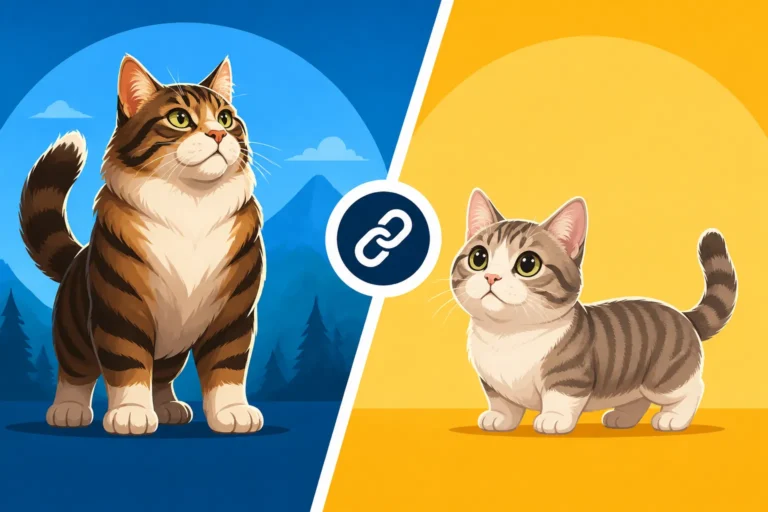
The Kinkalow cat is one of those incredibly endearing breeds that often makes people do a double-take. It's not just a cute face; it's a testament to selective breeding, combining the most striking features of its parent breeds into one harmonious package. Essentially, a Kinkalow is a hybrid feline, meaning it’s a cross between two established breeds, designed to inherit specific traits from each. In this case, breeders aimed for the short, distinctive legs of the Munchkin and the charming, curled ears of the American Curl.
This isn't a naturally occurring breed that just popped up in someone's backyard. The Kinkalow is the result of deliberate efforts by dedicated breeders who saw the potential for a new type of cat with a very specific aesthetic and temperament. They weren't just throwing two cats together; they were carefully selecting individuals with the desired traits, understanding the genetics involved, and working towards a vision. The whole idea behind a breed like the Kinkalow is to offer something truly unique to cat enthusiasts, bringing together traits that are delightful on their own but even more captivating when combined. It's like taking two amazing ingredients and creating a completely new, delicious recipe.
What Makes a Kinkalow a Kinkalow?
At its core, a Kinkalow is defined by its two most prominent physical features: its short legs and its curled ears. Without these, it simply wouldn't be a Kinkalow. The short legs, often referred to as "dwarfism," are inherited directly from the Munchkin side of its family tree. These aren't just slightly shorter legs; they are markedly shorter, giving the cat a unique, low-slung appearance often compared to a ferret or a Dachshund. Yet, despite their length, these legs are robust and allow the Kinkalow to run, play, and generally behave like any other cat, albeit with a slightly different gait and jumping ability.
Then there are the ears. The gentle backward curl of the ears is the signature trait passed down from the American Curl. These ears aren't just decorative; they contribute to the Kinkalow's alert and often whimsical expression. The degree of curl can vary, from a slight curve to a more pronounced, almost crescent shape, but the characteristic backward bend is always present. Beyond these two defining physical traits, Kinkalows are typically medium-sized cats with a well-muscled body, often displaying the soft, silky coat of the American Curl parent. Their personalities tend to be playful, curious, and very affectionate, a wonderful blend of the outgoing nature of both foundation breeds.
The Munchkin Contribution: Short Legs and Controversy
The story of the Kinkalow truly begins with the Munchkin cat, a breed whose very existence has sparked considerable debate within the cat fancy. The Munchkin is famous (or infamous, depending on who you ask) for its exceptionally short legs, a trait that arises from a spontaneous genetic mutation. This mutation, which causes a form of dwarfism known as pseudoachondroplasia, is an autosomal dominant gene. This means that only one copy of the gene is needed for the cat to display the short-legged characteristic, and it also means that Munchkin Dwarfism Is Dominant and Lethal in Two Copies. Breeders have learned that two short-legged Munchkins should never be bred together because kittens inheriting two copies of the gene do not survive. Instead, a short-legged Munchkin is always bred with a normal-legged domestic cat, ensuring that Why Every Munchkin Litter Is a Carrier Cross.
The Munchkin breed itself only truly emerged as a recognized breed in the cat world in the 1980s, gaining provisional status with The International Cat Association (TICA) in 1994, and full championship status in 2003. This journey was not without its challenges, as many traditional cat registries, such as the Cat Fanciers' Association (CFA), have refused to recognize the breed due to concerns over its health and welfare, believing that the short legs could lead to spinal and joint issues. This controversy is a significant part of the Munchkin's history and has shaped how subsequent hybrid breeds like the Kinkalow are perceived and developed.
The Genetic Basis of Short Legs
The distinctive short legs of the Munchkin, and by extension the Kinkalow, are directly linked to a specific genetic mutation. This mutation affects the long bones in the legs, causing them to be significantly shorter than those of a typical cat, while the spine remains a normal length. This is Why a Munchkin's Legs Are Short but Its Body Is Not. It’s a form of dwarfism, but unlike some other forms, the Munchkin's dwarfism doesn't typically impact the cat's overall size or health in the same way, though concerns persist. The legs are robust, and the cats are generally agile, able to run, play, and navigate their environment with surprising speed, especially on flat surfaces.
However, the short legs do present certain limitations. Munchkins cannot jump as high as normal-legged cats, and activities that involve a lot of vertical movement can put extra strain on their joints and spine. This is why responsible Munchkin ownership often involves adapting the home environment with ramps and steps. For breeders creating hybrid cats like the Kinkalow, understanding this genetic trait is paramount. They must ensure that the Munchkin parent is healthy, well-structured, and that the breeding practices adhere to ethical guidelines, always outcrossing with a non-Munchkin to avoid health complications associated with homozygous dwarfism. The aim is to achieve the charming short legs without compromising the cat's well-being.
Munchkin's Role in Hybrid Breeds
The Munchkin, despite the ongoing debate, has proven to be a popular foundation breed for creating new hybrid breeds. Its dominant short-legged gene makes it relatively easy to pass this characteristic onto offspring when bred with other cat breeds. This is why Every Short Legged Breed Descends From the Munchkin, essentially. Breeders see the Munchkin as a means to introduce a unique, eye-catching physical trait into various feline lineages, resulting in diverse breeds such as the Minuet (Munchkin x Persian), the Bambino (Munchkin x Sphynx), and, of course, the Kinkalow.
The desire to create these new breeds often stems from a love for the Munchkin's unique appearance combined with other desirable traits from different breeds, whether it's the distinctive ears of the American Curl, the curly coat of the LaPerm, or the hairless skin of the Sphynx. However, this practice also brings renewed scrutiny. Critics often argue that combining multiple genetic mutations or extreme physical traits can compound potential health issues, raising questions about the ethics of such breeding programs. For instance, Why Munchkin Hybrids Stack Two Mutations can be a serious concern for some veterinarians and welfare organizations. When selecting a Munchkin parent for a Kinkalow cross, breeders look for cats that not only have excellent leg conformation but also come from lines known for good health, minimizing the risk of passing on undesirable traits.
The American Curl: Adding Unique Ear Appeal
The other half of the Kinkalow's genetic makeup comes from the American Curl, a breed recognized for its distinctive, gracefully curled ears. Unlike the Munchkin, the American Curl's unique ear trait is a naturally occurring spontaneous mutation that first appeared in a stray kitten in Lakewood, California, in 1981. This cat, a long-haired black female named Shulamith, became the matriarch of the entire American Curl breed. Her ears, instead of pointing straight up, gently curve backward from the base, giving the cat an alert and almost surprised expression.
The American Curl is known not just for its ears but also for its generally robust health and a wonderfully affectionate and playful temperament. They are curious, people-oriented cats who love to be involved in household activities and are often described as having a kitten-like personality well into adulthood. This combination of unique physical traits and delightful disposition made the American Curl an ideal choice for breeders looking to create a new hybrid cat that was not only visually striking but also possessed a friendly and engaging character.
The Science Behind the Curled Ears
The curled ear trait in American Curls is caused by an autosomal dominant gene, similar in its inheritance pattern to the Munchkin's short legs. This means that a cat only needs to inherit one copy of the gene from either parent to display the curled ears. Kittens are born with straight ears, and the curl gradually develops and "sets" over the first few weeks of life, usually becoming permanent by around 16 weeks of age. The degree of curl is graded, with a higher grade indicating a more pronounced curl, though extreme curling that would compromise the ear canal is undesirable and is typically avoided in breeding.
Crucially, unlike some other ear mutations in cats (like the Scottish Fold's folded ears, which are linked to a severe skeletal condition), the American Curl's ear curl is not associated with any known health problems or cartilage defects. This is a significant factor in its favor when chosen as a foundation breed for hybrids. Responsible breeders for both purebred American Curls and Kinkalows always prioritize the health of the ears, ensuring they are flexible and easy to clean, without any narrowing of the ear canal that could lead to infections. This commitment to health means that the distinctive curl can be enjoyed without undue worry for the cat's well-being.
Temperament and Health Benefits from the Curl
Beyond their distinctive ears, American Curls bring a host of other desirable qualities to the Kinkalow breed. They are renowned for their wonderful temperaments: sweet-natured, playful, intelligent, and very social. These cats tend to form strong bonds with their human families and are often described as "Velcro cats" because of their desire to be close to their owners. They adapt well to various living situations and generally get along famously with children, other cats, and even cat-friendly dogs. This amiable nature is a huge asset to the Kinkalow, ensuring that the hybrid breed is not just visually appealing but also a joy to live with.
From a health perspective, the American Curl is generally a robust and healthy breed with a good lifespan. They are not predisposed to many breed-specific genetic health conditions, which contrasts somewhat with the ongoing debates surrounding the Munchkin's health. By carefully selecting healthy American Curl parents, Kinkalow breeders aim to introduce this strong health lineage into the hybrid, mitigating some of the concerns that might arise from the Munchkin side. The goal is always to create a cat that is not only beautiful and unique but also enjoys a long, healthy, and active life. This blend of good health and great temperament makes the American Curl an excellent choice for a hybrid breeding program.
The Creation Process: Marrying Two Unique Traits
The Kinkalow breed was first developed in the United States in the mid-1990s by Terri Harris, a breeder who sought to combine the captivating short stature of the Munchkin with the charming curled ears of the American Curl. Her vision was to create a cat that embodied the best of both worlds, possessing both these distinct physical characteristics in a healthy, well-adjusted feline. The process was one of careful selective breeding, starting with foundation cats that perfectly exemplified the desired traits of each parent breed. This wasn't a quick endeavor; it required patience, genetic understanding, and a commitment to producing sound, healthy animals.
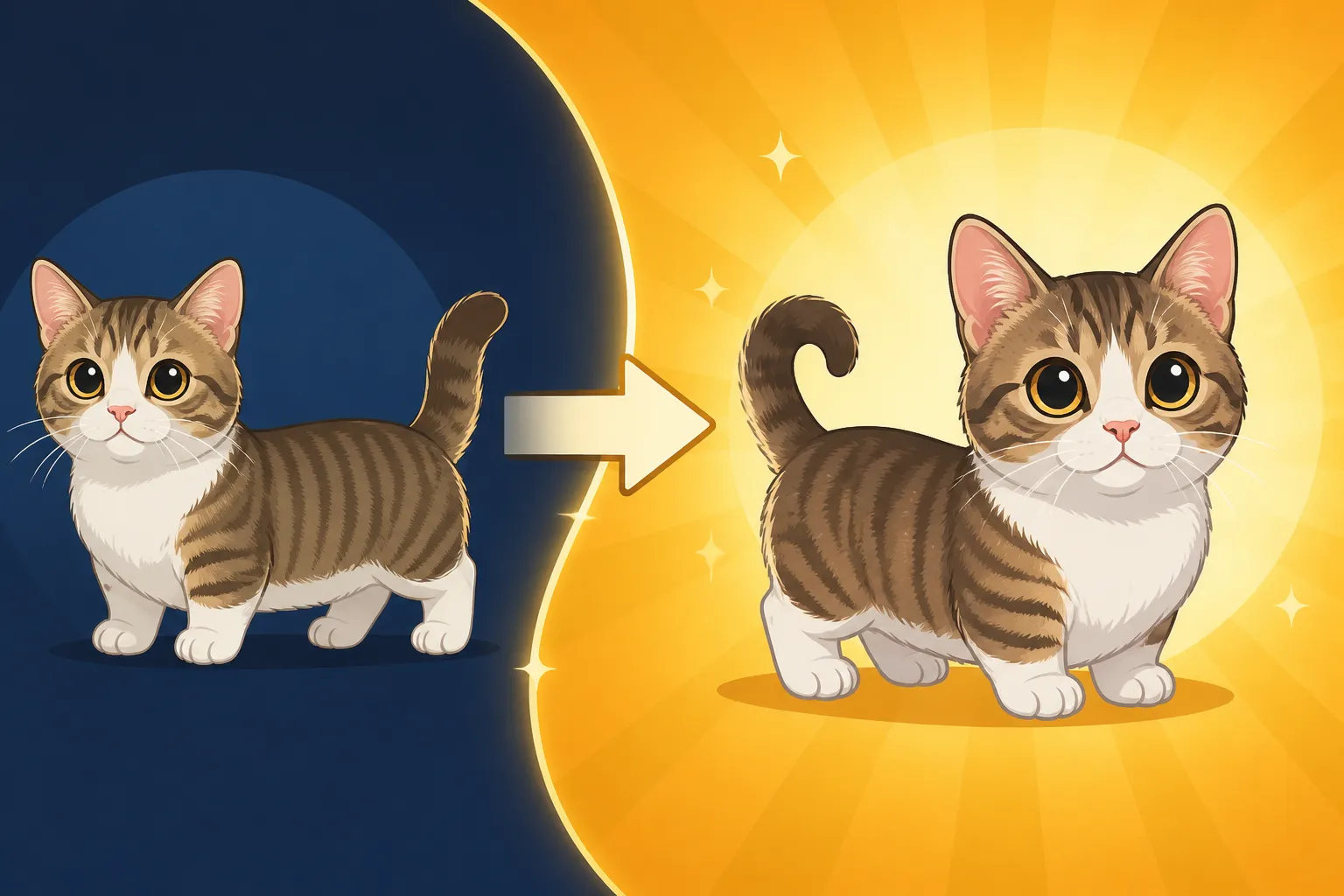
The initial crosses involved breeding a Munchkin cat with an American Curl. Because both the short legs and the curled ears are dominant genetic traits, the first generation of kittens (known as F1) would often display both characteristics. However, simply getting a kitten with both traits isn't the end goal. Breeders then work through subsequent generations, refining the breed standard, ensuring consistency in appearance, and, most importantly, rigorously screening for health. It's a journey of selecting the best examples from each litter to continue the breeding program, always keeping an eye on temperament and overall well-being.
The First Generation Crosses
The foundational step in creating the Kinkalow involves breeding a Munchkin cat with an American Curl. Let's say we have a short-legged Munchkin, which carries one copy of the short-leg gene (M) and one normal-leg gene (m). We then breed it with an American Curl that has curled ears, meaning it carries one copy of the curled-ear gene (C) and one normal-ear gene (c). The resulting kittens in the first generation (F1) have a high probability of inheriting both the short-leg trait and the curled-ear trait, because both are dominant genes.
Imagine a Punnett Square for just one gene at a time, then combine them. For example, roughly half of the kittens from the Munchkin cross would have short legs. Similarly, if the Curl parent passes on its dominant curled ear gene, those kittens will have curled ears. So, a significant portion of the F1 litter would display both of the desired characteristics. However, these first-generation cats aren't yet "Kinkalows" in the established sense. They are the initial stepping stones, demonstrating that the combination is genetically viable. They are assessed for the quality of their traits, their health, and their temperament, and only the most promising individuals are selected to continue the breeding program into the next generations.
Establishing the Breed Standard and Health Screening
Once the initial crosses confirm the viability of combining the traits, the real work of establishing a breed begins. This involves a multi-generational process of selective breeding to solidify the desired characteristics and ensure genetic diversity. Breeders work to produce Kinkalows that consistently exhibit the right leg length, the correct ear curl, a well-proportioned body, and a stable, friendly temperament. This is where a breed standard comes into play, a written description of the ideal physical and behavioral traits of the breed. Without a standard, breeders would simply be producing random combinations, not a recognized breed.
Health screening is an absolutely critical component of this process. Reputable breeders will conduct thorough health checks on all breeding cats, including genetic testing for any known inherited conditions in either the Munchkin or American Curl lines. They are vigilant for signs of Lordosis Is the Spinal Curve the Munchkin Argument Is About or Pectus Excavatum and the Munchkin's Sunken Chest in the Munchkin lineage, and always ensure the American Curl's ears are healthy and not prone to issues. The goal is not just to create a cat with unique looks but one that is fundamentally healthy and free from debilitating conditions. Breeders often advise new owners to continue regular vet checks and to consider pet insurance, just as you would for any purebred cat. Sometimes, great suppliers like Chewy offer pet insurance options to help cover unexpected vet bills.
Key Characteristics of the Kinkalow
So, what does a fully-fledged Kinkalow look like and behave like? They are generally medium-sized cats, weighing typically between 5 to 10 pounds, though males might be a bit larger. Their body is usually muscular and well-proportioned, appearing normal in length, contrasting with their short, sturdy legs. Their head is typically rounded with large, expressive eyes that are often set wide apart, contributing to their endearing gaze. Of course, the defining features remain the legs and the ears.
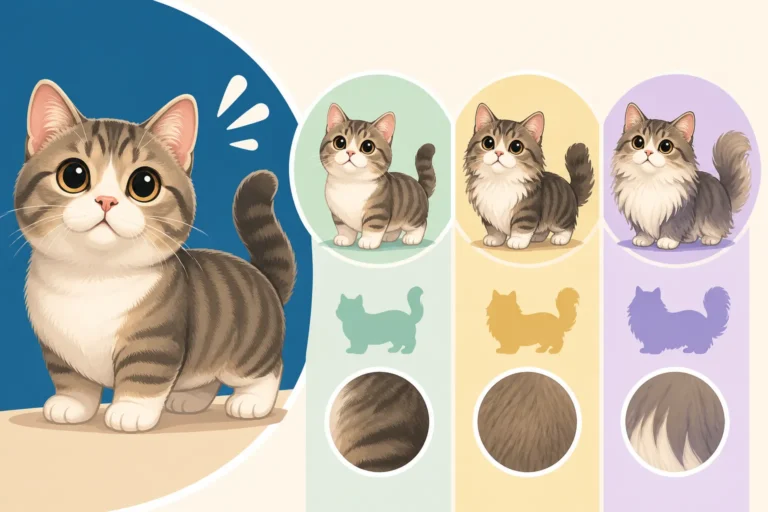
Their coat can vary in length, inherited from either parent. Some Kinkalows have a short, plush coat, while others may have a longer, softer coat, often with a slight wave. All coat colors and patterns are possible, making each Kinkalow unique in its appearance beyond the core traits. Their tail is usually proportional to their body, tapering to a rounded tip, and often carried upright when the cat is active and alert. Overall, the Kinkalow presents a striking yet balanced appearance, a harmonious blend of its distinctive ancestors.
Physical Traits: Legs, Ears, and Body Type
Let's dive deeper into the physical hallmarks of the Kinkalow. The short legs are, of course, the most noticeable feature. They are solid and well-boned, not fragile, allowing the cat to be quite agile on the ground. You might observe a slight bowing in their front legs, a characteristic often seen in Munchkins, but it should not impede their movement or cause discomfort. A good Kinkalow will move fluidly, despite its low stature.
The ears are equally defining. They should be moderately large, set high on the head, and curl smoothly backward in an arc, without appearing stiff or rigid. The tips of the ears should be rounded and soft to the touch, and the cartilage at the base of the ear should be flexible. The inside of the ear should be open, allowing for easy cleaning. A common misconception is that the curl is permanent and unmoving, but a healthy American Curl ear, and therefore a Kinkalow ear, is quite flexible and capable of normal movement. The body itself is typically moderate and well-muscled. Breeders aim for a cat that is robust, neither too cobby nor too svelte, reflecting the healthy build of both parent breeds.
| Trait | Munchkin Contribution | American Curl Contribution | Kinkalow Manifestation |
|---|---|---|---|
| Leg Length | Short, sturdy | Normal | Short, sturdy legs |
| Ear Shape | Normal, upright | Curled backward | Curled backward ears |
| Body Size | Medium | Medium | Medium, well-muscled body |
| Coat Length | Short or long | Short or long | Short or long, all colors/patterns |
| Temperament | Playful, curious | Affectionate, outgoing | Playful, affectionate, intelligent |
Kinkalow Temperament and Behavior
Beyond their captivating looks, Kinkalows are prized for their delightful personalities. They tend to be intelligent, inquisitive, and highly affectionate cats, often described as having a zest for life. This is a cat that loves to play, often engaging in energetic bursts of activity, chasing toys along the floor, and exploring every nook and cranny of their home. Their short legs don't hinder their playful spirit; in fact, they often add to their unique charm, as they 'burrow' and 'pounce' with great enthusiasm.
Kinkalows are generally very people-oriented and thrive on companionship. They enjoy being part of family activities and are often found following their owners from room to room. Many Kinkalows are lap cats, happy to cuddle up for a nap or a quiet evening. They typically get along well with children and other pets, provided they are introduced properly. Their intelligence means they can be clicker-trained and enjoy puzzle toys. They possess the characteristic "Munchkin sit" or "prairie dog" posture, where they sit up on their hind legs to get a better view, a unique behavior passed down from their short-legged ancestor. This blend of playful energy and loving devotion makes the Kinkalow a truly rewarding companion for the right family.
Living with a Kinkalow: Care and Considerations
Bringing a Kinkalow into your home means embracing their unique needs and ensuring their environment supports their distinctive physical characteristics. While they are generally hardy and adaptable cats, their short legs and curled ears do necessitate some specific considerations, primarily around mobility and hygiene. Understanding these aspects before you adopt is key to providing a long, happy, and healthy life for your Kinkalow. This isn't about pampering; it's about practical adjustments to ensure they can thrive.
Remember, a Kinkalow is a cat with short legs, not a disabled cat. They are fully capable of navigating their world, but we, as their human companions, need to make sure that world is set up for their success. This often means thinking about how they access elevated spaces, how they groom themselves, and how their diet might impact their overall health, especially their joints. Being proactive in these areas can prevent many potential issues down the line and ensure your Kinkalow lives a life full of joy and comfortable movement.
Adapting Your Home for Short Legs
The most significant adaptation for a Kinkalow revolves around its mobility. Due to their short legs, Kinkalows cannot jump as high as normal-legged cats. This isn't a limitation that makes them unhappy, but it does mean that certain high places will be inaccessible to them. You'll need to think about providing Ramps and Steps Are Munchkin Equipment, Not Luxuries if you want them to reach sofas, beds, or windowsills safely and comfortably. Instead of forcing them to jump down from heights, which can put strain on their spine and joints over time, offer them a gentle slope or a series of low steps.
Think about the layout of your home from a Kinkalow's perspective. Can they easily reach their favorite sleeping spots? Is their food and water bowl at a comfortable height, perhaps a slightly raised one to avoid neck strain? Why a Munchkin's Food and Water Belong at Floor Level or just slightly elevated is good practice. Even their litter box needs consideration; a low-entry litter box is essential so they can walk in and out without difficulty, preventing accidents outside the box. Products like a pet ramp for beds or sofas from a retailer like Chewy can be a game-changer for their daily comfort and independence.
Ear Care and Grooming Needs
The curled ears of the Kinkalow, while adorable, do require a bit of extra attention to ensure they remain healthy. Because the ears curl backward, they can sometimes trap dirt and wax more easily than straight ears, making them prone to infections if not regularly cleaned. Weekly ear checks are a must. Gently wipe the visible parts of the ear with a damp cloth or a veterinarian-approved ear cleaner, ensuring you don't probe too deeply into the ear canal. The good news is that the American Curl's ears are generally healthy and flexible, unlike some other curled-ear breeds, making this routine care relatively straightforward.
Grooming for the Kinkalow also needs a thoughtful approach. While they are generally good self-groomers, their short legs can sometimes make it difficult for them to reach certain spots on their back or hindquarters, especially for long-haired Kinkalows. This means regular brushing from you will be essential, not just for coat health but also to prevent matting, particularly in areas they can't easily reach. Grooming the Half of a Munchkin It Cannot Reach is a common part of ownership for short-legged cats. For long-haired Kinkalows, occasional professional grooming or a "sanitary clip" around the rear might be necessary to keep things clean and comfortable.
Health and Lifespan Considerations
Kinkalows are generally healthy cats with a good lifespan, typically ranging from The Twelve to Fifteen Years a Munchkin Usually Gets. However, as with any breed derived from parent breeds with specific traits, there are health considerations to be aware of. From the Munchkin side, there's always the potential for conditions related to their spinal health, such as lordosis (a severe inward curvature of the spine) or pectus excavatum (a sunken chest), though reputable breeders actively screen for these and try to eliminate them from their lines. This is why What a Munchkin Breeder Should Be Able to Show You regarding the health of their breeding cats is so important.
From the American Curl side, the ear curl itself is not associated with genetic health problems, making it a relatively safe trait to incorporate. Overall, responsible breeding practices are paramount to ensuring the health of Kinkalows. Regular veterinary check-ups are vital, and discussing any concerns about their legs or ears with your vet is always a good idea. Maintaining a healthy weight is also extremely important for Kinkalows, as extra pounds can put undue stress on their short legs and spine. Why Weight Is More Dangerous on a Munchkin is a truism that applies to Kinkalows as well. A balanced diet and appropriate exercise will contribute significantly to their overall well-being.
Disclaimer
This article is for general informational purposes only and does not constitute professional advice. Laws, prices and regulations vary by location and change over time. Consult a qualified professional for guidance on your specific situation.