How the Lambkin Was Made From a Munchkin
The world of pedigree cats is fascinating, full of dedicated breeders striving to bring unique and beautiful companions into our lives. But sometimes, these journeys involve combining truly distinctive traits, leading to breeds that spark both admiration and considerable discussion. If you've ever found yourself wondering about those adorable, curly-coated cats with famously short legs, you're likely thinking about the Lambkin – a breed whose very existence is a testament to purposeful breeding. This guide will walk you through the thoughtful, and sometimes controversial, path that led to the creation of the Lambkin, explaining how it emerged from the combination of two very special feline lineages.
The Munchkin Foundation: Short Legs and Controversy
Before we can truly understand the Lambkin, we must first delve into the origins of one of its parent breeds: the Munchkin. This breed is undeniably characterized by its short legs, a trait that immediately catches the eye and often raises questions. The story of the Munchkin is one of a spontaneous genetic mutation that was observed, nurtured, and eventually established as a breed.
Tracing the Munchkin's Roots: Blackberry and Toulouse
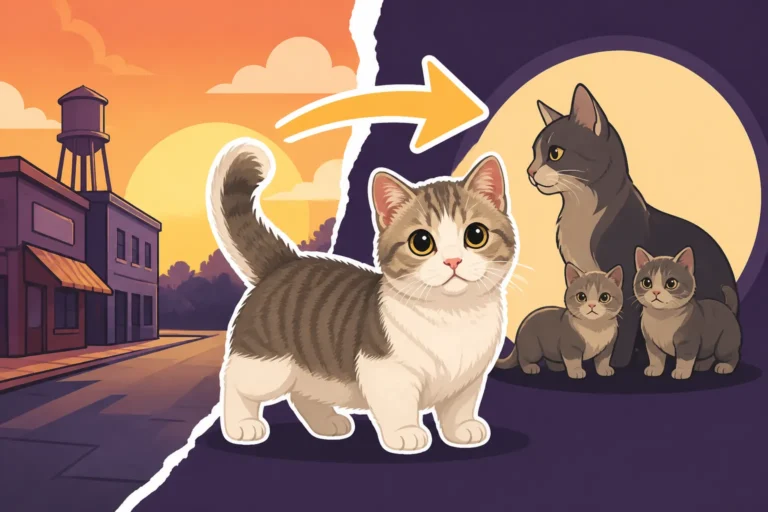
The Munchkin's tale begins in Rayville, Louisiana, in 1983. A music teacher named Sandra Hochenedel found two pregnant stray cats under a truck. One of these cats, a black shorthair, possessed strikingly short legs. She named this cat Blackberry. Blackberry went on to have a litter of kittens, half of whom inherited her unique short-legged trait. Hochenedel gave one of these short-legged male kittens, named Toulouse, to her friend Kay LaFrance. It was from these two cats, Blackberry and Toulouse, that the entire Munchkin breed line is descended. Blackberry and Toulouse Are the Two Cats Behind Every Munchkin. This spontaneous mutation, rather than being bred for initially, was simply noticed and then perpetuated by those who found the cats charming and healthy despite their unusual stature.
The early enthusiasts of the Munchkin breed believed these cats were not suffering from any debilitating conditions related to their short stature, unlike some other forms of dwarfism. They appeared to run, play, and generally behave like any other domestic cat, just closer to the ground. This observation was key to their continued development as a breed.
The Genetic Trait of Dwarfism and Its Implications
The short legs of the Munchkin cat are due to a genetic condition called chondrodysplasia, a form of dwarfism. However, it's important to understand that this is not the same as other forms of dwarfism seen in cats or other animals. In Munchkins, the mutation affects the length of the long bones in the legs, while the spine and body length remain typical for a domestic cat. This is why their bodies don't appear compressed or abnormally short; rather, their legs appear disproportionately short in comparison. The Munchkin gene is an autosomal dominant gene, meaning only one copy of the gene is needed for a cat to express the short-legged trait. This also means that if a kitten inherits two copies of the gene, it is lethal, and homozygous embryos do not survive to term. This is Why Two Short Legged Munchkins Are Never Bred Together.
This genetic reality means that a short-legged Munchkin will always carry only one copy of the gene and will always produce a mixed litter when bred to a normal-legged cat. Roughly half of the kittens in a litter will inherit the short legs, while the other half will have normal leg length, carrying no copies of the gene. This constant outcrossing to normal-legged domestic cats is essential for the breed's health and genetic diversity.
Introducing the Selkirk Rex: The Curly Coat Gene
With the foundation of the Munchkin's short legs established, the next crucial ingredient for the Lambkin is a cat with a curly coat: the Selkirk Rex. This breed brought another delightful and distinctive physical trait into the genetic mix.
The Selkirk Rex: A Story of Spontaneous Curls
The Selkirk Rex also began with a spontaneous mutation, much like the Munchkin, but this time affecting the coat. In 1987, in Montana, a breeder named Jeri Newman found a unique kitten in a litter from a rescued cat. This kitten had an unusually curly coat, unlike any other in the litter. Newman adopted this curly-haired kitten and named her Miss DePesto. Miss DePesto was later bred to a black Persian cat, and her kittens showed that the curly coat trait was dominant. This meant that even when bred to a non-curly cat, some kittens would inherit the curls. This was the genesis of the Selkirk Rex breed.
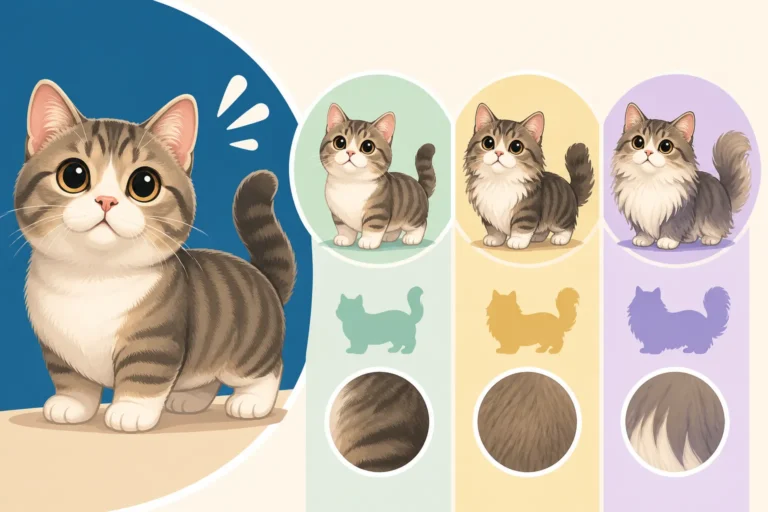
The Selkirk Rex is known for its plush, curly coat, which can vary in tightness from loose waves to dense, woolly curls. Unlike some other Rex breeds, the Selkirk Rex has all three hair types (guard hairs, awn hairs, and down hairs), giving its coat a fuller, softer feel, almost like a sheep's fleece. This contributes to its "teddy bear" appearance, making it a very appealing breed.
Understanding the Dominant Curly Coat Gene
The curly coat of the Selkirk Rex is also governed by a dominant gene, but it's a completely different gene than the one responsible for the Munchkin's short legs. This is a critical point when discussing the Lambkin. The gene causing the Selkirk Rex's curls (often designated as "Se") results in a softer, looser curl than the Devon Rex or Cornish Rex, for example. Like the Munchkin's short-leg gene, only one copy of the Selkirk Rex curl gene is needed for the cat to express the curly coat. However, unlike the lethal homozygous condition of the Munchkin gene, a Selkirk Rex can carry two copies of the curly gene without any known adverse health effects, though it might result in a more intensely curly coat.
Breeders of Selkirk Rex cats carefully manage their breeding programs to maintain the health and vigor of the breed, ensuring that the curls come with a robust constitution and a pleasant temperament. The texture and curl development can sometimes take up to two years to fully mature, which is something new owners learn to appreciate as their kitten grows.
The Birth of the Lambkin: Combining Two Unique Traits
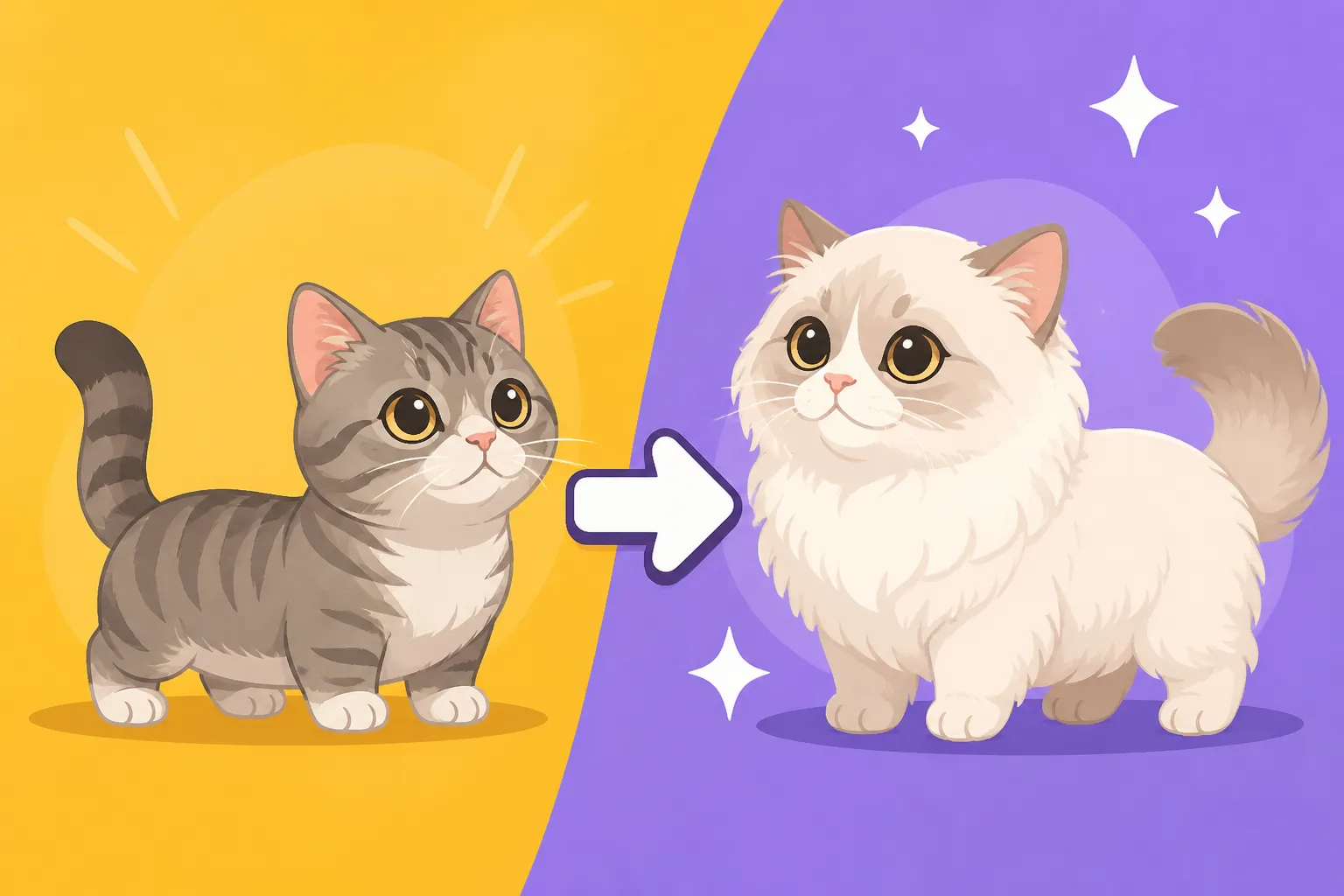
The creation of the Lambkin cat was a deliberate and visionary act, bringing together the distinctive features of both the Munchkin and the Selkirk Rex. The goal was to produce a cat with the short, endearing legs of a Munchkin and the plush, curly coat of a Selkirk Rex.
The Vision Behind the Lambkin: A Curly-Haired Dwarf Cat
The idea to combine these two breeds likely stemmed from a desire to create a cat with truly unique aesthetics: a short-legged, curly-haired companion that looked reminiscent of a lamb, hence the name "Lambkin." The aim was to create a cat that captured the hearts of enthusiasts seeking an even more distinctive appearance. This involved understanding how dominant genes interact and how to responsibly bring them together. The vision was to maintain the health and desirable temperaments of both parent breeds while introducing a new, charming combination of traits.
This process isn't just about throwing two cats together; it requires deep knowledge of genetics, careful selection of breeding stock, and a long-term commitment to the health and welfare of the resulting kittens. Breeders often face criticism for developing breeds with genetic mutations, especially when combining them. This is why transparency and meticulous health screening are so vital.
The Breeding Program: Careful Selection and Ethical Considerations
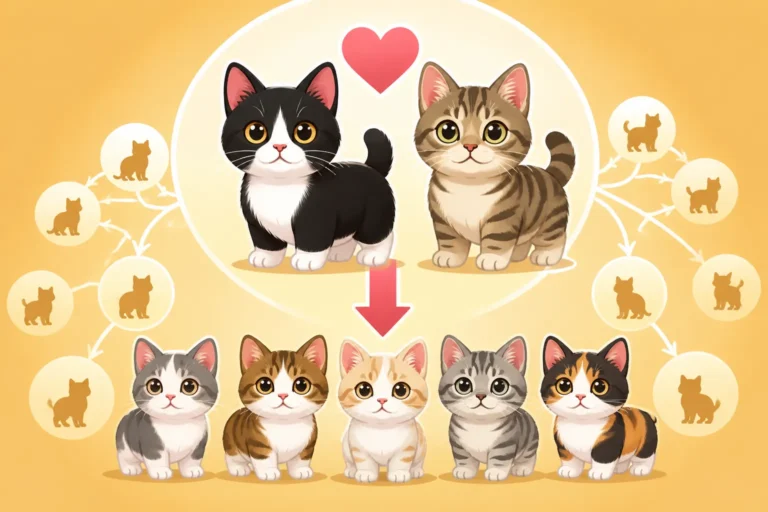
To create a Lambkin, a breeder would typically cross a Munchkin (short-legged, normal-coated) with a Selkirk Rex (normal-legged, curly-coated). Because both the short-leg trait and the curly-coat trait are dominant, there's a good chance of getting kittens in the first generation (F1) that express both traits. This means some kittens in the litter could have short legs and curly fur. Why Munchkin Hybrids Stack Two Mutations is a critical piece of the puzzle here, as combining two distinct genetic mutations requires extra vigilance.
Here's a simplified breakdown of the genetic possibilities in such a cross:
- Munchkin parent (MmSs): M = short legs (dominant), m = normal legs (recessive); S = straight coat (recessive), s = curly coat (dominant) – Wait, the Selkirk Rex has dominant curly, so the S/s here is incorrect. Let's re-evaluate the notation. M for Munchkin gene (short legs), m for normal legs. R for Rex gene (curly coat), r for normal coat. So a Munchkin is Mmrr (short legs, straight coat). A Selkirk Rex is mmRr (normal legs, curly coat). A Lambkin would be MmRr (short legs, curly coat).
Let's use a more conventional genetic notation for clarity:
- Munchkin gene for short legs: L (dominant)
- Normal leg gene: l (recessive)
- Selkirk Rex gene for curly coat: C (dominant)
- Normal coat gene: c (recessive)
So, a typical Munchkin would have genotype Llcc (short legs, straight coat). A typical Selkirk Rex would have genotype llCc (normal legs, curly coat).
When these two are bred, the F1 generation can produce:
- LlCc: Short legs, curly coat (A Lambkin!)
- Llcc: Short legs, straight coat (A Munchkin-like cat)
- llCc: Normal legs, curly coat (A Selkirk Rex-like cat)
- llcc: Normal legs, straight coat (A normal domestic cat)
This illustrates that not every kitten in the first cross will be a Lambkin, which means breeders must carefully select individuals with the desired combination of traits for future breeding. Ethical breeding practices dictate thorough health screenings for both parent breeds to minimize the risk of passing on any hereditary conditions. This includes looking for common issues that can affect either parent breed. For example, some breeders might use health DNA tests from companies like Chewy to screen for known conditions in their lines.
| Trait \ Breed | Munchkin | Selkirk Rex | Lambkin |
|---|---|---|---|
| Leg Length | Short | Normal | Short |
| Coat Texture | Straight (various) | Curly (dense, plush) | Curly (dense, plush) |
| Coat Length | Shorthair/Longhair | Shorthair/Longhair | Shorthair/Longhair |
| Origin of Mutation | Spontaneous (dwarfism) | Spontaneous (curly hair) | Combination of both |
| Primary Association | "Dachshund of cats" | "Poodle of cats" | "Lamb-like cat" |
The breeding process is a journey of several generations, often involving backcrossing to solidify traits and ensure genetic health. This meticulous work is critical to creating stable lines of Lambkins that consistently display the desired short legs and curly coat, all while prioritizing their well-being.
Characteristics of the Lambkin Cat
Once successfully bred, the Lambkin emerges as a truly distinctive feline, carrying the hallmark features of both its parent breeds. It's a cat designed to turn heads, but its unique physicality also comes with specific considerations for care and lifestyle.
Distinctive Physical Traits: Short Legs and Curly Fur
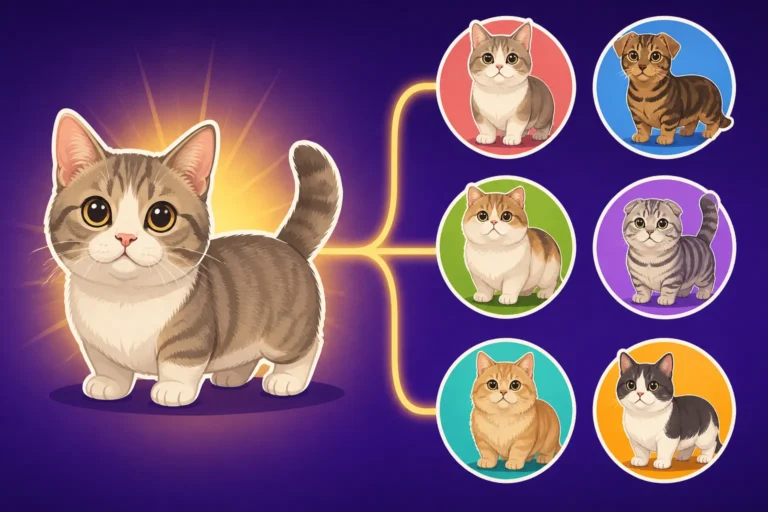
The most striking features of the Lambkin are, without a doubt, its short legs and its wonderfully curly coat. Imagine the compact, low-slung body of a Munchkin, topped with the soft, springy curls of a Selkirk Rex. Their legs are proportionally short, similar to their Munchkin ancestors, meaning they sit closer to the ground than a typical cat. However, their body length and proportions remain otherwise normal, preventing the spinal issues associated with some other forms of dwarfism. Why a Munchkin's Spine Is Normal Length helps explain this.
The coat can be either longhaired or shorthaired, with the curls being more apparent in the longhaired variety, giving them that adorable "lamb-like" appearance. The texture is plush and soft, often described as woolly or like a teddy bear, and these curls can be quite unruly, adding to their charm. Their heads tend to be round with full cheeks, and they often have large, expressive eyes that peek out from beneath their curly brows. Their ears can also have a slight curl or crinkle to the hair, adding to the overall textured look.
Temperament and Personality: What to Expect from a Lambkin
Beyond their unique looks, Lambkins are generally known for their delightful temperaments. They tend to inherit the playful, inquisitive, and social nature of both Munchkins and Selkirk Rexes. Lambkins are often described as affectionate lap cats who enjoy being part of the family action. They are typically good-natured and tolerant, making them suitable companions for various households. Their short legs don't seem to deter them from playing with gusto; they might not jump as high as other cats, but they are surprisingly fast and agile on the ground. A Munchkin Is a Normal Cat That Cannot Reach.
They often form strong bonds with their human companions and thrive on interaction. Don't be surprised to find a Lambkin following you from room to room, eager to be involved in whatever you're doing. They often retain a kitten-like playfulness well into adulthood, enjoying games with toys and engaging in playful antics. Their sweet and gentle disposition makes them wonderful pets for those seeking a loving and interactive feline friend.
Specific Care Needs for a Lambkin
Caring for a Lambkin requires an understanding of both its short legs and its curly coat. The short legs mean adapting their environment to ensure they can access everything they need without excessive jumping or strain. This includes providing ramps or steps to help them reach sofas, beds, or windowsills. Ramps and Steps Are Munchkin Equipment, Not Luxuries. Low-entry litter boxes are also essential, as they can struggle to climb into high-sided ones. You might find items like this on a pet supply retailer like Chewy. Their short stature also means they might not be able to groom their hindquarters as effectively as a normal-legged cat, especially if they are longhaired. This brings us to their other prominent feature: the curly coat.
The Selkirk Rex's curly coat, while beautiful, requires regular grooming to prevent matting and tangles. This is particularly true for longhaired Lambkins. Daily or every-other-day brushing with a wide-toothed comb is usually necessary to keep the curls from becoming a matted mess. Special attention should be paid to areas like the armpits, belly, and hindquarters, where mats are most likely to form. For shorthaired Lambkins, less frequent brushing might suffice, but it’s still important. Regular grooming not only maintains their coat health but also provides an opportunity to bond with your cat and check for any skin issues that might develop underneath the dense fur. Grooming the Half of a Munchkin It Cannot Reach is especially relevant here.
Challenges and Recognition
The creation of breeds like the Lambkin, which combine two distinct genetic mutations, inevitably brings forth discussions about ethics, health, and breed recognition. These conversations are important for ensuring responsible breeding practices and the welfare of the animals.
Ethical Considerations in Breeding Compound Mutations
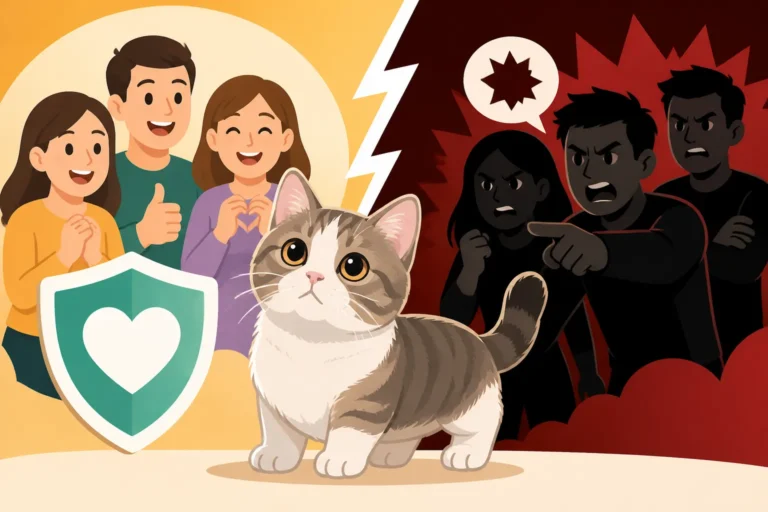
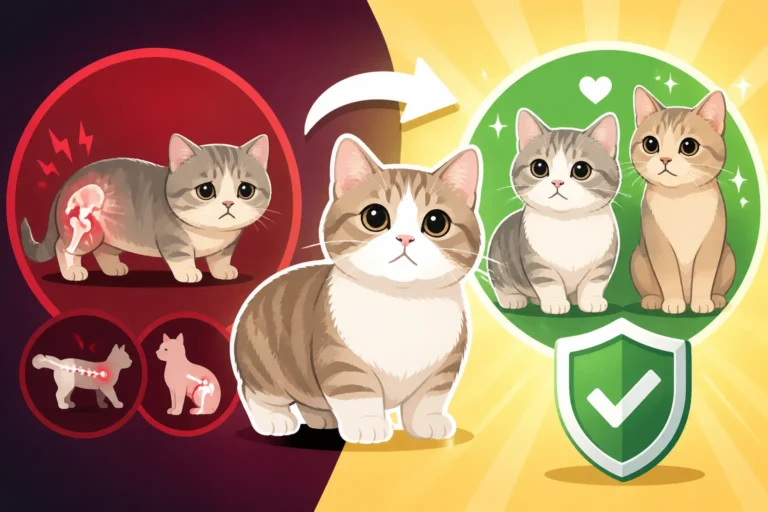
Breeding cats with specific genetic mutations, especially when combining two different ones, often raises ethical concerns among veterinarians and animal welfare advocates. The primary concern is always the potential for compounding health issues. While both the Munchkin and Selkirk Rex mutations are generally considered benign by their proponents, critics argue that any deviation from natural feline anatomy can predispose cats to problems. For the Munchkin, concerns often revolve around potential spinal issues or joint strain, though responsible breeders strive to minimize these risks by ensuring proper conformation. Why the Frequency of Munchkin Spinal Problems Is Disputed touches on this. For the Selkirk Rex, the curls themselves don't pose significant health risks beyond grooming needs, but general breed health remains a priority.
When these two mutations are combined in the Lambkin, the ethical debate often intensifies. Proponents argue that careful breeding and selection minimize risks, and that a healthy, well-cared-for Lambkin enjoys a good quality of life. Critics, however, fear that stacking mutations could increase the likelihood of unforeseen health complications or exacerbate existing predispositions. This tension highlights the importance of choosing a responsible breeder who prioritizes health testing, genetic diversity, and transparent communication about potential health issues.
Recognition Status and Breeder Responsibilities
As a relatively new and still developing breed, the Lambkin does not have widespread recognition from major cat fancy associations. The International Cat Association (TICA) is generally more accepting of new breeds and those with unique genetic mutations, and the Munchkin is fully recognized by TICA. However, for a hybrid breed like the Lambkin, full championship status can be a long and arduous process, requiring multiple generations of consistent breeding, strict adherence to a breed standard, and demonstrable health and vigor across the lines. TICA Judges the Munchkin and CFA Will Not Register It. Many other organizations, particularly those in Europe, explicitly prohibit the breeding of cats with dwarfism or other conformational abnormalities due to welfare concerns.
This lack of universal recognition places a greater responsibility on individual breeders to adhere to high ethical standards. Responsible Lambkin breeders will:
- Health Test: Conduct comprehensive health screenings on all breeding cats, including genetic tests for conditions prevalent in either parent breed.
- Prioritize Welfare: Ensure that their breeding practices do not produce cats with exaggerated features that compromise their quality of life.
- Educate Buyers: Be open and honest with prospective owners about the specific care requirements and any potential health considerations unique to the Lambkin breed.
- Maintain Records: Keep meticulous records of pedigrees and health histories to track genetic lines and avoid inadvertently multiplying risks.
- Avoid "Double-Dominant" Breeding: Never breed two short-legged cats together, as this results in lethal homozygous kittens.
Ultimately, prospective owners must do their due diligence, research breeders thoroughly, and understand the commitment involved in caring for a unique breed like the Lambkin. A healthy Lambkin can be a wonderful, loving companion, but their special traits demand informed and responsible ownership.
Disclaimer
This article is for general informational purposes only and does not constitute professional advice. Laws, prices and regulations vary by location and change over time. Consult a qualified professional for guidance on your specific situation.