Which Coat Lengths the Munchkin Standard Allows
A Munchkin’s short legs often draw the eye first, but coat length is another detail that can leave prospective owners and new exhibitors unsure what is actually allowed. The Munchkin standard permits both shorthaired and longhaired coats. This guide explains what that distinction means, how coat length affects grooming and judging, and what it does not tell you about a cat’s health or quality.
What coat lengths the Munchkin standard allows
Both shorthaired and longhaired Munchkins are accepted
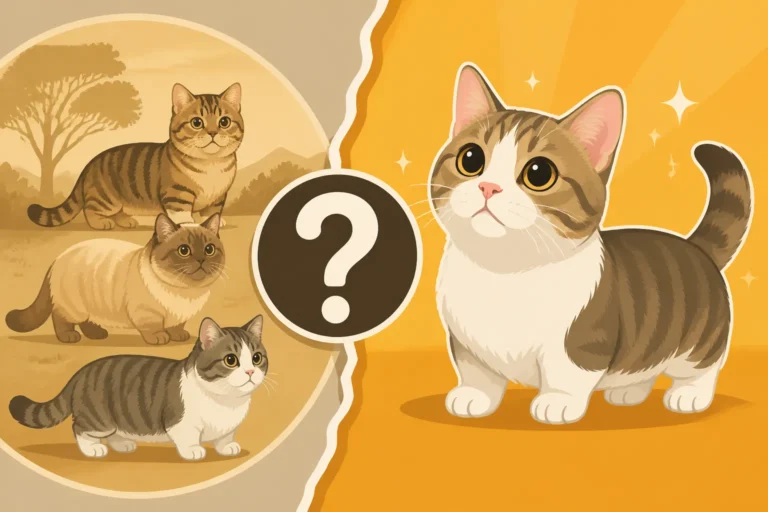
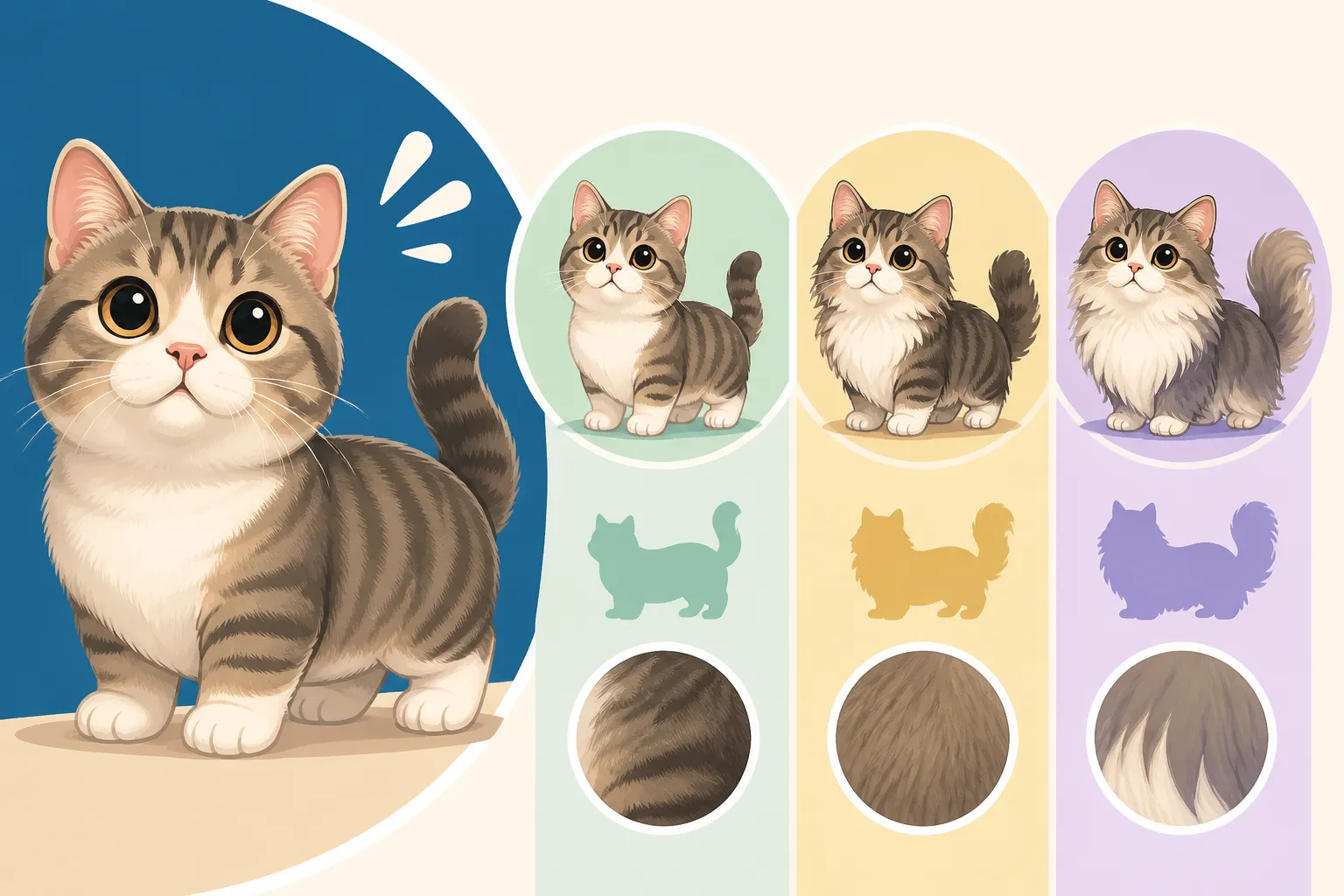
The Munchkin standard allows two coat-length varieties: shorthaired and longhaired. A Munchkin does not have to have one particular length to fit the breed description. Both varieties can share the breed’s characteristic short legs and generally proportionate body, while looking quite different because of their coats.
That distinction is about the length and presentation of the coat, not a different leg type. A fluffy Munchkin is not automatically a different breed, and a sleek, close-coated Munchkin is not less of a Munchkin because its fur is short. The standard describes the type being judged; it does not make long hair a more desirable or more “authentic” version.
If you are comparing a pet with a show description, it helps to read the breed criteria as a whole rather than focusing on one striking feature. What the TICA Munchkin Standard Asks For gives the broader picture of the characteristics used to describe the breed. For a quick comparison of the permitted coat varieties across Munchkins, see Which Coat Lengths a Munchkin Comes In.
Coat length is separate from color and pattern
Length, color, and pattern are different aspects of a cat’s appearance. A Munchkin’s coat can be short or long, and its color and markings are considered separately. A particular coat length does not, by itself, determine whether a cat may have a certain color or pattern.
This can be confusing in photos because color and pattern may look more dramatic on a long coat. A dark tabby’s stripes, for example, might appear softened by longer fur, while the same pattern on a short coat can look more sharply defined. The visual effect changes, but the underlying color and pattern are not the same thing as coat length. Which Colors a Munchkin Comes In and Whether a Munchkin Can Be Any Pattern explore those separate questions.
For anyone looking at a kitten listing, avoid treating a seller’s wording about “rare” fur or markings as proof of show quality. A cat’s appearance involves more than one feature, and a photograph may not show coat texture or the cat’s movement clearly. What a Munchkin Looks Like Against the TICA Standard can help put the coat in context alongside the rest of the cat.
| Feature | Shorthaired Munchkin | Longhaired Munchkin |
|---|---|---|
| Accepted coat length | Yes | Yes |
| Different leg requirement | No | No |
| Routine grooming focus | Regular brushing and skin checks | More frequent combing, especially where fur tangles |
| Common areas to inspect | Undercoat, belly, and areas where the cat rests | Hindquarters, underside, tail, and behind the legs |
| Does coat length alone prove show quality? | No | No |
The standard describes a variety, not a grooming schedule
A breed standard is not a day-to-day care manual. It helps describe and assess a cat’s type in a show context, but it does not tell an owner exactly how often to brush an individual cat. Coat density, shedding, age, activity, and the cat’s tolerance for handling all affect the grooming routine that works at home.
That matters because two cats with the same general coat length may need different amounts of attention. One shorthaired cat may shed heavily during seasonal changes, while another has a coat that stays easy to manage with light brushing. A longhaired Munchkin may develop tangles quickly in areas that rub against furniture or are difficult for the cat to reach.
Coat care is also not a substitute for evaluating overall health. A glossy coat can be reassuring, but it does not establish that a cat has a healthy spine, joints, or chest. Likewise, a coat that looks a little unkempt may simply need brushing rather than indicating a breed-specific problem. Ask a veterinarian about concerning changes such as sudden hair loss, persistent skin irritation, or a coat that changes alongside a noticeable shift in appetite or behavior.
How short and long coats differ in everyday care
Shorthaired coats still need routine attention
Short hair can be easier to comb through, but it is not “no-maintenance” fur. Regular brushing helps remove loose hair and gives you a chance to notice flakes, small scabs, or areas of irritation. It can also help a cat become comfortable with being handled, which is useful for nail checks and general home care.
A shorthaired Munchkin’s low body means the belly and underside may come into contact with floors, bedding, or litter more often than they would on a taller cat. During grooming, take a quick look beneath the chest and along the belly rather than brushing only the back. If the cat dislikes being rolled over, work in brief sessions while it is relaxed and supported on a stable surface.
Use a gentle brush or comb suited to the coat and stop if the cat shows pain, fear, or escalating frustration. A calm, short session is more useful than trying to finish the whole cat in one go. If you need basic grooming supplies, you can compare options at a local pet store or retailer such as Chewy, but choose tools for the individual cat’s coat and comfort rather than buying a large kit by default.
Longhaired coats need closer checks for tangles
Longhaired Munchkins often need more hands-on coat care, especially on the underside and around the back half. Fur in these areas can tangle when it rubs against the floor, bedding, or the litter box. A cat may also struggle to groom every spot equally well, so it is sensible to check areas that are easy to overlook.
Use your fingers first to feel for small knots. Then work through any loose tangles gently with a comb, starting at the ends of the fur and moving gradually toward the skin. Pulling a comb straight through a tight mat can hurt and make the cat wary of future grooming. If a mat is close to the skin or does not loosen easily, ask a groomer or veterinarian for help rather than cutting it out with scissors.
A practical routine can be simple: a brief comb-through several times a week, with extra checks after the cat has used the litter box or spent time in a dusty, leafy, or otherwise messy area. The right schedule depends on the cat. Guidance on How Often a Longhaired Munchkin's Back Half Needs Brushing and Which Comb Suits a Longhaired Munchkin can help you tailor the routine without turning grooming into a daily struggle.
Some owners pick up a comb or grooming wipes while ordering other pet supplies. Chewy is one place shoppers may look, but the important thing is the tool’s suitability: avoid harsh brushes, use a comb that does not snag, and introduce it gradually. If grooming causes repeated distress or you find mats returning quickly, ask a veterinary professional whether another care approach is appropriate.
The Munchkin’s reach can affect either coat type
A cat’s ability to groom itself is not determined by coat length alone. Munchkins may find certain areas harder to reach because of their body shape and short legs, and individual flexibility varies. Long fur makes missed spots more visible, but short fur can still collect dirt or loose hair underneath the body.
After litter-box use, check whether fur around the rear is clean. For a longhaired cat, a small amount of debris caught in the coat may be easier to notice and remove early. For either coat type, recurring mess, skin redness, or sensitivity around the rear deserves attention rather than repeated scrubbing at home.
If you are unsure which areas need help, Grooming the Half of a Munchkin It Cannot Reach covers the broader care issue. Make grooming a predictable, gentle routine: choose a quiet time, support the cat securely, and reward cooperation. Forcing a cat into a long grooming session can create a lasting dislike of combs and handling.
What coat length means in a show or kitten search
A coat should be assessed in context
In a show setting, coat length is one part of the cat’s presentation. It should be considered alongside the body, head, legs, condition, and other features described in the applicable standard. A long coat may make the outline look softer or fuller; a short coat may make the body’s shape easier to see. Neither visual effect alone tells you how the cat will be evaluated.
For a pet owner, the practical question is usually less about show placement and more about whether the coat fits your household. A longhaired cat can be a lovely choice if you are willing to check for tangles and build in regular brushing. A shorthaired cat may suit someone who wants a simpler grooming routine, while still requiring ordinary care and occasional checks.
If you are visiting a breeder, ask to see the kitten moving around and to handle it gently if the breeder permits. Look for a coat that is reasonably clean and cared for, but do not make a decision based on a single posed photo. A video or in-person visit can reveal whether the fur is tangled, whether the kitten moves comfortably, and how it responds to ordinary handling.
Ask clear questions about the kitten’s coat and care
A useful conversation with a breeder should cover more than whether a kitten is called shorthaired or longhaired. Ask what grooming the kitten is used to, whether its coat tangles in particular areas, and what tools or routine the breeder recommends. If the kitten is longhaired, ask whether you can see the underside and hindquarters so you understand the coat’s condition beyond the face and back.
You can also ask how the breeder distinguishes coat length from other appearance claims. Terms such as “extra fluffy,” “rare,” or “show quality” are not a replacement for clear information about the kitten’s age, health history, and registration or pedigree details. A responsible conversation should leave you with practical care expectations, not pressure to pay more for a particular look.
It is reasonable to ask whether the kitten has been examined by a veterinarian and what records will come with it. Coat quality can change with age, diet, season, and health, so no seller can promise that a kitten’s adult coat will remain exactly as it appears in a current photograph. Treat claims about future appearance cautiously and focus on the cat in front of you.
Coat length does not settle welfare or breed questions
People sometimes assume that a longhaired Munchkin is healthier, more comfortable, or more suitable for a show than a shorthaired one. Coat length alone cannot answer those questions. It describes fur, not the cat’s mobility, comfort, temperament, or long-term health.
Similarly, a cat’s coat does not tell you whether its body type is appropriate, whether it has inherited health concerns, or whether a breeding decision was responsible. Those questions require a broader look at the cat and its background. A polished coat is nice, but it should not distract you from asking about veterinary care, the parents, and how the breeder assesses kittens.
For owners already living with a Munchkin, the most useful approach is to work with the cat’s actual needs. Keep the coat clean and untangled, adapt grooming to the cat’s tolerance, and discuss persistent skin or coat changes with a veterinarian. For shoppers comparing grooming tools, Chewy may be among the retailers they browse, but a product listing cannot replace advice for a cat with mats, skin problems, or pain during handling.
Choosing a routine that fits your Munchkin
Start with a gentle, repeatable schedule
Begin with short grooming sessions so your cat can learn that brushing is ordinary and safe. Pick a time when the cat is relaxed, use a comfortable surface with good traction, and support the body without twisting the legs or pulling the coat. If your Munchkin prefers to stand, groom a small area at a time instead of insisting on a position it resists.
For a short coat, check for loose fur, flakes, and dirt, then brush gently as needed. For a long coat, run your fingers over the underside and hindquarters before using a comb. If you feel a knot, separate it gently rather than dragging the comb from root to tip in one forceful stroke. Finish before your cat becomes agitated, even if you have not covered every area.
Keep grooming equipment nearby so you are not chasing a cat through the house with a brush. Some people keep a comb beside the spot where their cat likes to rest; others store supplies near a grooming area. If you buy supplies from Chewy or another retailer, read the product description carefully and choose a tool that matches the coat rather than assuming that one brush works for every cat.
Notice changes rather than chasing a perfect coat
The goal is a comfortable, clean cat, not a coat that looks professionally styled every day. Watch for new tangles, a change in shedding, greasy or dull fur, bald patches, and sensitivity when you touch a particular area. A pattern that changes suddenly is more important than minor variations in how the coat looks from week to week.
If your cat repeatedly resists grooming, consider whether the position, tool, or length of the session is uncomfortable. Pain can also make handling unpleasant, so a new reaction should not automatically be dismissed as stubbornness. A veterinarian can help assess skin problems or discomfort, while a qualified groomer can advise on safe handling of difficult mats.
Both permitted Munchkin coat lengths can be managed with patient, routine care. The best choice for a household is the one whose grooming needs fit the owner’s time and the individual cat’s comfort, not the one that looks most dramatic in a photograph.
Disclaimer
This article is for general informational purposes only and does not constitute professional advice. Laws, prices and regulations vary by location and change over time. Consult a qualified professional for guidance on your specific situation.