Which Colors a Munchkin Comes In
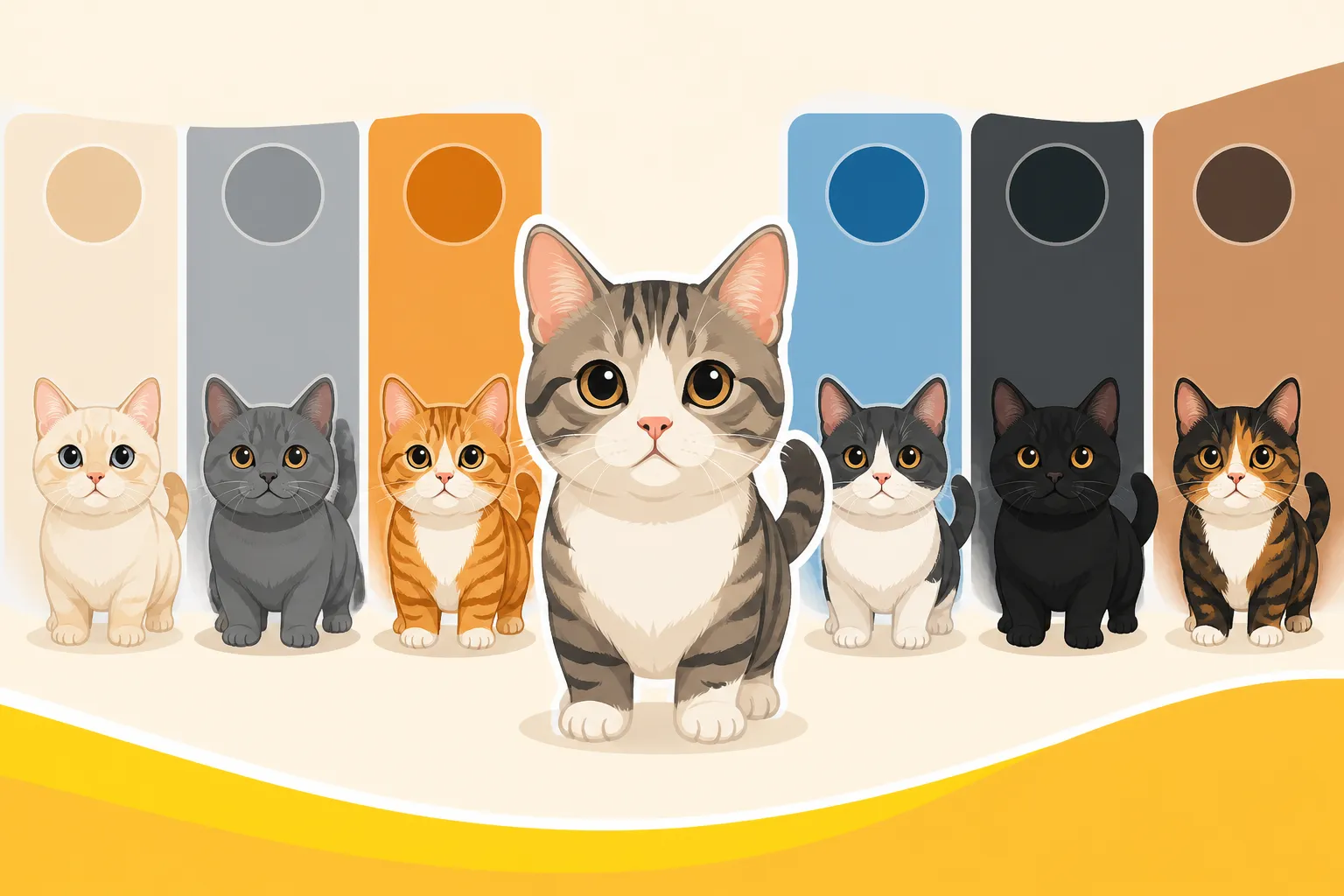
When you think of a Munchkin cat, the first thing that often comes to mind is their uniquely short legs, which certainly make them stand out in a crowd. But it's easy to get so caught up in their distinctive silhouette that you forget they're still felines, and like all cats, they boast an incredible spectrum of coats. This guide is here to dive deep into the vibrant world of Munchkin cat colors and patterns, helping you appreciate the full visual diversity of this charming breed.
Understanding Munchkin Coat Diversity
It's truly amazing just how many different looks a Munchkin cat can have. Unlike some purebreds that are limited to a very specific set of colors or patterns, Munchkins are a veritable rainbow, and that's largely due to their unique history and breeding practices.
The Influence of Outcrosses on Color
The Munchkin breed was established through a natural genetic mutation, and to maintain a healthy and robust gene pool, breeders regularly "outcross" them to domestic shorthair and longhair cats, as well as certain other approved purebreds. This practice is absolutely crucial for the breed's health and genetic diversity. What it also means, however, is that Munchkins can inherit virtually any coat color or pattern that exists within the general domestic cat population.
Think about it: if you breed a short-legged Munchkin to a beautiful black domestic shorthair, you're likely to get kittens with short legs, but also with black coats. If the outcross is a striking calico, then suddenly you open up the possibility of calico Munchkins. This constant influx of new genetics from diverse feline backgrounds ensures that the Munchkin gene pool remains wonderfully wide, giving them an almost limitless palette of colors and patterns. Why the Munchkin Gene Pool Stays Wide The initial founding cats, Blackberry and Toulouse, brought their own foundational colors into the mix, but every subsequent outcross has expanded the available genetic tapestry dramatically.
TICA Standard and Color Recognition
When it comes to official recognition, The International Cat Association (TICA) is the main registry for Munchkin cats. TICA is known for being quite progressive and inclusive with its breed standards, and this applies significantly to the Munchkin's coat. Unlike many older, more established breeds that might have strict rules about what colors or patterns are acceptable for showing, TICA's Munchkin standard is remarkably open.
Generally speaking, TICA accepts Munchkins in "any color or pattern," as long as it's a naturally occurring feline coat color. This means you won't find any exotic, unnatural hues, but pretty much anything you'd see on a domestic cat is fair game for a Munchkin. This flexibility is a huge part of why Munchkins are so visually diverse. Breeders aren't restricted to a handful of acceptable shades; they can celebrate and develop cats in an astonishing array of beautiful colors and patterns, making each litter an exciting surprise. What the TICA Munchkin Standard Asks For It allows for individual preferences and ensures that the focus remains on the cat's health and conformation, rather than arbitrary color rules.
Common Solid Colors and Their Nuances
Solid colors are perhaps the most straightforward, yet they carry their own subtle beauty and variations. These are cats whose fur is a single, uniform color from root to tip, without any stripes, spots, or patches of white.
The Classic Solids: Black, White, and Red (Orange)
Let's start with the big three. You'll find plenty of Munchkins sporting these foundational shades:
-
Black: Often referred to as "ebony" or "solid black," these Munchkins are stunningly sleek. Their fur is a deep, rich black, sometimes with a glossy sheen that catches the light beautifully. If a black Munchkin spends a lot of time in the sun, their fur might develop a reddish-brown tinge, which is completely normal and often referred to as "rusting." A true solid black cat should ideally have black paw pads and a black nose. They exude an air of mystery and sophistication, often having striking green or gold eyes that stand out against their dark fur.
-
White: A pure white Munchkin is truly a sight to behold. Their fur is completely unpigmented, giving them a pristine, almost ethereal look. White cats can come with various eye colors, but perhaps the most iconic are those with brilliant blue eyes. It's important to note that dominant white cats, especially those with blue eyes, have a higher statistical incidence of deafness. Not all white cats with blue eyes are deaf, and not all deaf cats are white, but it's a trait that responsible breeders are very aware of and test for. A healthy white coat is smooth and bright, showing off the Munchkin's adorable physique without any distractions.
-
Red (Orange): Genetically, what we often call "red" in cats is more accurately described as "orange" or "ginger." These Munchkins can range from a pale, creamy orange to a deep, fiery marmalade. Red cats often have charming freckles on their noses and paw pads. Interestingly, it's very rare for a red cat to be truly solid; most red cats, if you look closely, will have faint tabby markings, often called "ghost tabby" markings. This is because the gene for red color is closely linked to the tabby gene. Red Munchkins have a warm, friendly appearance that is incredibly popular and instantly recognizable.
Diluted Solids: Blue, Cream, and Lilac/Fawn
The world of cat colors gets even more interesting when we introduce the concept of dilution. A specific gene, when present, can dilute the intensity of a cat's base color, creating lighter, softer shades.
-
Blue: If you take a black cat and apply the dilute gene, you get a "blue" cat. In cat fancy terms, "blue" refers to a beautiful shade of grey. Blue Munchkins can range from a light, silvery grey to a deep, slate grey, often with matching grey paw pads and nose leather. They have a wonderfully plush and soft appearance, often described as having a sophisticated and calm aura. Their eyes are typically green or gold, providing a lovely contrast to their cool-toned fur.
-
Cream: The dilute version of a red (orange) cat is "cream." Cream Munchkins are often a pale, warm-toned off-white, sometimes with hints of apricot or peach. Like red cats, cream cats often show faint ghost tabby markings if you look closely, as the underlying tabby pattern is still present, just diluted. They have a gentle and sweet look, and their soft color is very appealing. Cream Munchkins are less intensely colored than their red counterparts but carry the same warmth in their hues.
-
Lilac and Fawn: These are even more specialized dilute colors, arising from further dilution of less common base colors like chocolate and cinnamon.
- Lilac: This stunning color is the dilute version of chocolate. Lilac Munchkins have a delicate, pinkish-grey or lavender hue, often described as a warm, mushroom grey. It's a truly unique and elegant color that's less common but highly sought after for its distinctive beauty. Lilac cats often have rosy-beige paw pads.
- Fawn: This is the dilute of cinnamon. Fawn Munchkins are a pale, warm tan or beige color, lighter and more golden than lilac. It's an even rarer color, often found in breeds where chocolate and cinnamon genetics are more established. Both lilac and fawn Munchkins showcase the incredible depth and complexity of feline genetics.
Patterns and Markings that Adorn Munchkins
Beyond solid colors, Munchkins can display an array of intricate patterns and markings, making each individual cat a unique work of art.
Tabby Patterns: Mackerel, Classic, Spotted, and Ticked
The tabby pattern is perhaps the most ancient and common of all feline coat patterns. If you see a domestic cat with stripes, spots, or swirls, it's a tabby. All tabbies share a distinctive "M" marking on their forehead, often referred to as the "scarab mark." Munchkins can proudly wear any of the main tabby variations:
-
Mackerel Tabby: This is the classic "tiger stripe" pattern. Mackerel tabbies have narrow, parallel stripes running down their sides, perpendicular to their spine, resembling the bones of a fish (hence "mackerel"). These stripes are evenly spaced and distinct, creating a very wild and agile look. Their legs and tails are also typically ringed with stripes.
-
Classic Tabby (Blotched Tabby): Sometimes called "marbled" or "blotched," the classic tabby pattern features broad, swirling bands of color on the sides, often forming a distinct "bullseye" or oyster shell shape on the flank. The markings are less linear and more organic, giving them a somewhat bohemian or artistic appearance. A classic tabby's stripes tend to be thicker and less uniform than a mackerel's, creating a beautiful, flowing design.
-
Spotted Tabby: Spotted tabbies have, as the name suggests, spots! These spots can vary greatly in size and shape, from small, distinct dots to larger, irregular blotches. Genetically, the spotted tabby is often a modified mackerel tabby where the stripes have been broken up into spots. This pattern gives the Munchkin a wild, almost leopard-like appearance, adding a touch of exoticism to their charming nature.
-
Ticked Tabby: The ticked tabby is a fascinating pattern where individual hairs have bands of different colors along their length, giving the coat a shimmering, iridescent quality without obvious stripes or spots on the body. This is famously seen in Abyssinian cats. While the body might appear solid, you'll still typically see ghost tabby markings on the face, legs, and tail, along with the tell-tale "M" on the forehead. The ticking creates a lovely depth of color, making the cat look almost painted with subtle shifts in hue as they move.
Bicolor and Tricolor (Calico/Tortoiseshell)
These patterns involve patches of color, often with the addition of white, creating some of the most striking and beloved feline appearances.
-
Bicolor: A bicolor Munchkin has patches of any solid color (or even a tabby pattern) combined with white. The amount and placement of white can vary immensely, from a small locket on the chest to extensive white markings covering more than half the body. Common bicolor patterns include "tuxedo" cats (black with white paws, chest, and face), "van" patterns (color only on the head and tail, rest is white), or "harlequin" (large patches of color on white). The contrast between the color and the crisp white is always eye-catching.
-
Tortoiseshell (Tortie): A tortoiseshell Munchkin is a cat with patches of black and red (orange) fur, or their diluted versions (blue and cream), without any white. The patches are usually distinct and intermingled, creating a mosaic effect. Tortoiseshell cats are almost exclusively female. This is due to the genetics of coat color, where the orange gene is carried on the X chromosome. Because females have two X chromosomes, they can express both black and orange, while males (XY) typically only express one or the other. Torties are often said to have "tortitude" – a distinct personality that is vibrant and sassy!
-
Calico: A calico Munchkin is essentially a tortoiseshell cat with the addition of white spotting. So, you'll see distinct patches of black, red (orange), and white. Just like torties, calico cats are almost universally female, for the same genetic reasons. The crisp white patches against the black and orange make for a truly stunning and unmistakable appearance. The size and distribution of these three colors can vary widely, but the combination is always striking and brings a lot of personality to the coat.
Specialized Colors and Less Common Variations
Beyond the everyday hues, there are some truly exquisite and less common colorations that can appear in Munchkins, often stemming from specific genetic modifiers or traits.
Pointed Patterns: Siamese, Ragdoll, and Mink
These patterns are characterized by darker coloration on the "points" of the cat – the face, ears, paws, and tail – with a lighter body. This is due to a form of temperature-sensitive albinism, where pigment only fully develops in cooler areas of the body.
-
Traditional Point Colors: Munchkins can inherit the classic point colors seen in breeds like the Siamese.
- Seal Point: Dark brown, almost black points, with a creamy body.
- Blue Point: Slate grey points with a bluish-white body.
- Chocolate Point: Warm, milk-chocolate points with an ivory body.
- Lilac Point: Pinkish-grey points with a frosty white body.
The contrast between the dark points and the lighter body is very elegant, and these cats typically have beautiful blue eyes. Variations like lynx points (pointed cats with tabby stripes on their points) also exist, adding another layer of complexity.
-
Ragdoll-like Points / Snowshoe Points: While technically a specific breed's characteristics, the general style of pointing can vary. Some Munchkins might display a more muted form of pointing, or have white mitts/markings on their paws reminiscent of a Snowshoe cat. This simply shows the influence of their diverse outcross heritage.
-
Mink and Sepia: These are intermediate expressions of the colorpoint gene, falling between full color (like a solid black cat) and the extreme temperature-sensitive pointing of a Siamese.
- Mink: Mink Munchkins have points that are richer and darker than traditional points but still clearly defined. Their body color is also darker than a pointed cat, showing a stronger contrast. Mink cats typically have stunning aqua-colored eyes, a unique trait.
- Sepia: Sepia is the darkest expression of the colorpoint gene. These cats have minimal contrast between their points and body, sometimes appearing almost solid, but with richer, deeper tones on their extremities. Their eyes are typically gold or green. Both mink and sepia add another layer of depth to the Munchkin's possible coat patterns.
Silver, Smoke, and Shaded Varieties
These patterns involve a unique genetic modifier called the "inhibitor gene," which restricts the amount of pigment in each hair shaft, particularly at the base.
-
Silver: The silver gene removes the warm, yellow tones from the undercoat, leaving it pale, often silvery-white. This gene is always expressed in conjunction with a tabby pattern. So, you might have a Silver Mackerel Tabby or a Silver Classic Tabby. The silver undercoat creates a striking contrast with the darker tabby markings, giving the cat a shimmering, almost metallic appearance. The beauty of a silver tabby Munchkin lies in the crispness and sparkle of its coat.
-
Smoke: When the inhibitor gene acts on a solid-colored cat, it produces a "smoke" pattern. A smoke Munchkin will appear solid colored at first glance, but if you part their fur, you'll see a dramatic, pale, silvery-white undercoat. For example, a Black Smoke Munchkin looks like a solid black cat, but when it moves, the flashes of silver underneath create an ethereal, smoky effect. The contrast is truly captivating and adds a dynamic quality to the coat.
-
Shaded / Chinchilla: These are extreme forms of the silver gene where only the very tips of the individual hairs are colored, creating an incredibly delicate, shimmering, and often ethereal appearance.
- Shaded: In a shaded Munchkin, about one-third of each hair shaft is tipped with color. This gives the cat a lighter, veiled appearance, like a ghostly version of its true color.
- Chinchilla: In a chinchilla Munchkin, only the very lightest tips of the hairs are colored – about one-eighth of the hair shaft. This creates an almost pure white appearance with a shimmering overlay of color, like a light dusting. Chinchilla Munchkins are often strikingly beautiful, with sparkling coats that seem to glow. These patterns are very rare and require specific breeding.
Other Unique Colorations: Chocolate, Cinnamon, and Their Dilutes
While black and red are the most common base colors, some Munchkins can also sport variations of brown and reddish-brown.
-
Chocolate: This is a rich, warm, dark brown color, similar to milk chocolate. It's less common than black or red in the general cat population but is a recognized color. A chocolate Munchkin is absolutely stunning, with a deep, velvety coat and often green or gold eyes. Their paw pads and nose leather will also be a warm brown.
-
Cinnamon: Cinnamon is a lighter, reddish-brown color, warmer and often more reddish than chocolate. It's a truly beautiful, unique shade that is even rarer than chocolate. Cinnamon Munchkins have a vibrant, almost autumnal hue, and their light, reddish-brown paw pads and nose leather complete the look.
As mentioned earlier, both chocolate and cinnamon can be further diluted into lilac and fawn, respectively, showcasing the intricate genetic dance behind every cat's coat. These specialized colors, along with their dilutions, contribute to the truly incredible spectrum of possibilities within the Munchkin breed.
The Importance of a Healthy Coat, Regardless of Color
No matter the stunning color or intricate pattern your Munchkin displays, the underlying health of their coat is paramount. A vibrant, soft coat isn't just for aesthetics; it's a key indicator of your cat's overall well-being.
Coat Health and Grooming for All Munchkins
Maintaining your Munchkin's coat is a vital part of their care, and it's something you, as their human, will need to be actively involved in. Their short legs, while undeniably adorable, do present some unique grooming challenges. They simply can't reach all the spots a long-legged cat can. This is especially true for their hindquarters and belly, which can become neglected during self-grooming.
Regular brushing is essential, even for shorthaired Munchkins, to remove loose hair, prevent matting, and distribute natural skin oils for a healthy sheen. For long-haired Munchkins, brushing becomes even more critical. Their flowing locks can quickly tangle and form painful mats, particularly in the areas they struggle to reach. How Often a Longhaired Munchkin's Back Half Needs Brushing These mats aren't just unsightly; they can pull on the skin, causing discomfort, irritation, and even skin infections if left untended. It’s important to pay extra attention to their underside and rear. Why a Munchkin's Belly Needs Checking Weekly
Consider a weekly grooming routine, and for long-haired varieties, you might even need daily touch-ups. When grooming, gently check their skin for any redness, bumps, or flaky patches that might be hidden under their beautiful fur. A good quality brush or comb can make all the difference. Chewy has a fantastic selection of brushes and combs specifically designed for cats, making it easier to keep your Munchkin's coat pristine, no matter its length or color. Getting your Munchkin accustomed to grooming from a young age will make the process much smoother for both of you. Which Parts of Itself a Munchkin Cannot Reach
How Diet Affects Coat Luster
What goes into your Munchkin's body has a direct and significant impact on the health and appearance of their coat. A dull, dry, or flaky coat can often be a sign that something is amiss with their nutrition.
A high-quality diet rich in essential fatty acids, particularly Omega-3s and Omega-6s, is crucial for promoting a shiny, soft, and healthy coat, as well as good skin health. These fatty acids help maintain the skin's barrier function, reduce inflammation, and contribute to the strength and luster of the hair shafts. Look for cat foods that list ingredients like fish oil, flaxseed, or salmon as sources of these beneficial fats.
Beyond specific supplements, a generally balanced and complete diet, appropriate for your cat's age and activity level, provides all the necessary vitamins, minerals, and proteins to support robust hair growth and healthy skin. Dehydration can also impact coat quality, so always ensure your Munchkin has access to fresh, clean water. You can find many high-quality cat foods known for promoting skin and coat health on platforms like Chewy, ensuring your Munchkin's beautiful color truly shines. Investing in good nutrition is one of the best ways to ensure your Munchkin's coat, whatever its color or pattern, remains a testament to their overall health.
| Color/Pattern Category | Description | Common Examples | Eye Color (Typical) | Genetic Basis (Simplified) |
|---|---|---|---|---|
| Solid | Uniform color throughout the coat, no stripes, patterns, or white patches. | Black, White, Red (Orange), Blue, Cream | Green, Gold, Blue (White cats) | Dominant solid gene (non-agouti), various color genes |
| Tabby | Distinct striped, blotched, spotted, or ticked patterns with an "M" on the forehead. | Mackerel, Classic, Spotted, Ticked | Green, Gold | Agouti gene + tabby pattern modifier genes |
| Parti-Color | Patches of two or more distinct colors, including white. Often large, well-defined blocks of color. | Calico (Tortie + White), Bicolor, Van | Green, Gold | White spotting gene + color genes (e.g., orange, black) |
| Tortoiseshell | Intermingled patches of black and red (orange), or their diluted versions, without white. Almost always female. | Black Tortie, Blue-Cream Tortie | Green, Gold | X-chromosome linked orange gene + black gene |
| Pointed | Darker color on extremities (face, ears, paws, tail), with a lighter body. | Seal Point, Blue Point, Lilac Point | Blue | Temperature-sensitive albinism gene |
| Mink/Sepia | Intermediate expressions of the point gene; points are richer than traditional points. Mink has aqua eyes. | Mink, Sepia | Aqua (Mink), Green, Gold (Sepia) | Intermediate expression of point genes |
| Silver/Smoke | Pale, silvery-white undercoat with color on the tips. Can be with tabby patterns (Silver) or solid (Smoke). | Silver Tabby, Black Smoke | Green, Gold | Inhibitor gene (removes pigment from hair base) |
| Shaded/Chinchilla | Only the very tips of the hairs are colored, creating a shimmering, frosted effect. | Shaded Silver, Chinchilla Silver | Green, Gold | Extreme expression of the inhibitor gene |
| Chocolate/Cinnamon | Warm brown (chocolate) or reddish-brown (cinnamon) solids. Less common than black or red. | Chocolate, Cinnamon | Green, Gold | Specific recessive genes for chocolate/cinnamon |
Disclaimer
This article is for general informational purposes only and does not constitute professional advice. Laws, prices and regulations vary by location and change over time. Consult a qualified professional for guidance on your specific situation.