How Big an Adult Munchkin Gets
It’s a natural question to wonder just how big an adult Munchkin cat truly gets, especially when you see those adorably short legs. Many people assume these cats are tiny all over, like a miniature version of a regular feline, but that's a common misconception that often leads to confusion and sometimes, to unrealistic expectations about their care. This guide aims to clear up those myths and give you a realistic picture of the average size and build of a fully grown Munchkin, helping you understand their unique physicality and what it means for their well-being.
Understanding the Munchkin's Unique Proportions
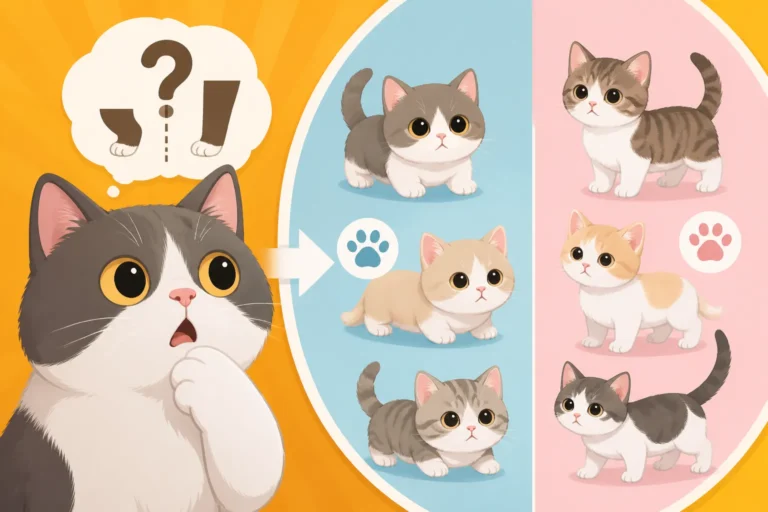
When we talk about a Munchkin cat, the first thing everyone notices are those distinctively short legs. However, it's crucial to understand that this leg length doesn't translate to an overall miniature or "teacup" sized cat. They are quite unique in their build, setting them apart from other breeds.
More Than Just Short Legs: Body Length and Build
Imagine a typical domestic shorthair cat. Now, picture that same cat, but with legs that are significantly shorter, as if they've been magically compressed. That’s essentially what you're looking at with a Munchkin. Their body length, torso, and even head size are generally comparable to what you’d expect from an average house cat. This often surprises people who expect a uniformly small animal. Instead, they get a cat with a standard-sized body navigating the world on much shorter limbs.
This proportional difference is what gives the Munchkin its distinctive appearance. They shouldn't be delicate or frail-looking. A healthy adult Munchkin should have a well-muscled, sturdy body, with a rounded chest and a solid feel. Their chest is generally broad, and their hips are well-developed, supporting a body that is not miniature in scale. The term "dwarf" often conjures images of an animal that is tiny in every dimension, but for a Munchkin, it specifically refers to their limb length, not their overall mass or frame.
The Genetic Factor: Why the Legs Are Short but the Body Isn't
The unique physical characteristic of the Munchkin – its short legs – is due to a genetic mutation that causes pseudoachondroplasia. This isn't a form of dwarfism that stunts overall growth. Instead, it specifically affects the long bones in the limbs, causing them to develop shorter than usual. Think of it like this: the blueprint for the cat's body, head, and spine remains mostly unchanged, but the sections for the leg bones are significantly truncated.
This is a critical distinction, as it means the Munchkin's internal organs and skeletal structures, like the spine, develop to a relatively normal length and size. You can learn more about this in Why a Munchkin's Spine Is Normal Length. The mutation doesn't impact the growth plates of the vertebrae or the development of internal organs, which is why a Munchkin typically has a body and torso that appear proportionate to a regular-sized cat, just closer to the ground. It’s a fascinating genetic quirk that truly defines the breed, and understanding it helps us appreciate that they aren't merely "small" cats but cats with a specific, limb-shortening trait. We also know that Munchkin Dwarfism Is Dominant and Lethal in Two Copies, meaning the gene is very specific in how it manifests.
Typical Weight Ranges for Adult Munchkins
Understanding the typical weight of an adult Munchkin is crucial for their health and well-being. Unlike breeds where size is the defining feature, with Munchkins, it's their unique proportions that dictate how weight impacts them.
Average Weight for Males vs. Females
Generally speaking, an adult female Munchkin cat typically weighs between 5 to 8 pounds (approximately 2.3 to 3.6 kg). Male Munchkins tend to be a little larger and more muscular, usually weighing in at 6 to 9 pounds (approximately 2.7 to 4.1 kg). These figures are, of course, averages, and individual cats can fall slightly outside these ranges based on their genetics, diet, and activity levels. Just like with any cat breed, there will be variations, and what truly matters is that your Munchkin maintains a healthy body condition, which is paramount given their unique physiology.
A healthy Munchkin should feel solid and muscular, not bony or overly padded. You should be able to feel their ribs gently with light pressure, and they should have a discernible waist when viewed from above. It’s always best to consult with your veterinarian to determine the ideal weight range for your individual cat, as they can assess their specific build and health needs.
The Critical Importance of Weight Management
For a Munchkin cat, maintaining an ideal weight isn't just about looking good; it's absolutely vital for their long-term health and comfort. Because of their short legs, their spine and joints carry a disproportionately heavier load compared to a long-legged cat. Every extra ounce of weight places additional stress on their already unique skeletal structure, particularly their shoulders, elbows, and spine. This is Why Weight Is More Dangerous on a Munchkin.
Even a small amount of excess weight can significantly increase the risk of joint problems, exacerbate existing conditions like osteoarthritis, and reduce their mobility and quality of life. An overweight Munchkin might struggle to groom themselves properly, leading to matting and skin issues, and they may find it harder to navigate their environment, even with appropriate ramps and steps. Careful portion control, a balanced diet, and regular play are non-negotiable for Munchkin owners. Using a food delivery service like Chewy to ensure you always have their specific diet food on hand can be a real help in keeping their weight in check. Tracking their weekly weight and adjusting their food intake accordingly is a proactive measure that can make a huge difference in their overall well-being.
Height at the Shoulder: The Defining Characteristic
When people envision a Munchkin, it's often their striking height—or lack thereof—that comes to mind. This is truly their signature trait, and it has a profound impact on their daily lives.
How Short is "Short"? Measuring a Munchkin's Stature
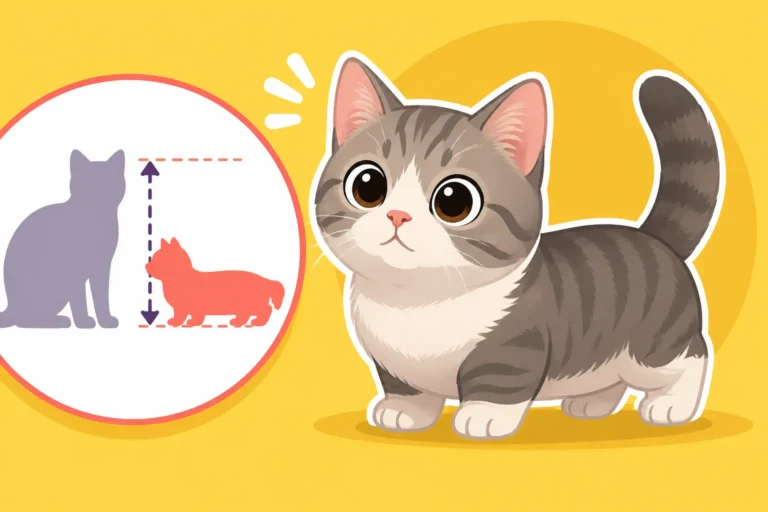
The defining feature of a Munchkin cat is undeniably its height at the shoulder, which is significantly lower than that of a standard domestic cat. While an average domestic cat might stand around 9-10 inches (23-25 cm) tall at the shoulder, a Munchkin will typically measure much less. Generally, you can expect an adult Munchkin to stand anywhere from 5 to 7 inches (approximately 12.7 to 17.8 cm) from the floor to the top of its shoulder blade.
It's important to note that even within the Munchkin breed, there's a range of leg lengths. Some are categorized as "standard" Munchkins, while others might be "rug huggers" or "super short," which implies even shorter limbs and thus a lower stature. This variation means that while all Munchkins are characterized by short legs, the exact degree of "shortness" can differ. The shortest examples hold the world record, such as The Munchkin That Set the Shortest Cat Record. This low profile is not just a cute aesthetic; it fundamentally changes how they interact with their environment.
Impact of Height on Daily Life and Adaptations
A Munchkin's low stature has a direct and significant impact on their daily life, necessitating specific adaptations in their home environment. Unlike their long-legged counterparts who can effortlessly leap onto counters, shelves, or tall cat trees, Munchkins are considerably limited in their vertical capabilities. While they are surprisingly agile and fast on the flat, they simply cannot reach heights that other cats take for granted. You’ll find that A Munchkin Is a Normal Cat That Cannot Reach.
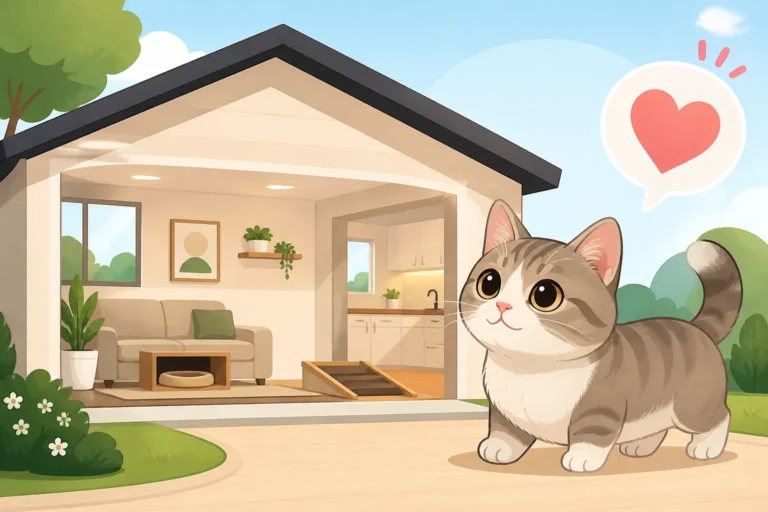
This means owners must consciously create a "Munchkin-friendly" home. Ramps, steps, and strategically placed furniture become essential tools to help them access sofas, beds, windowsills, and other elevated spots. Without these aids, a Munchkin might become frustrated, isolated, or even injure themselves attempting jumps that are too high. Things like Ramps and Steps Are Munchkin Equipment, Not Luxuries are not optional; they are fundamental for ensuring your Munchkin can lead a fulfilling and comfortable life. Their food and water bowls might also need to be raised slightly to prevent straining their necks, and litter boxes must have low entry points they can easily step into.
When a Munchkin Reaches Its Full Adult Size
Understanding the growth trajectory of a Munchkin cat helps new owners know what to expect and ensures they can provide appropriate care during their developmental stages.
Growth Trajectory from Kitten to Adult
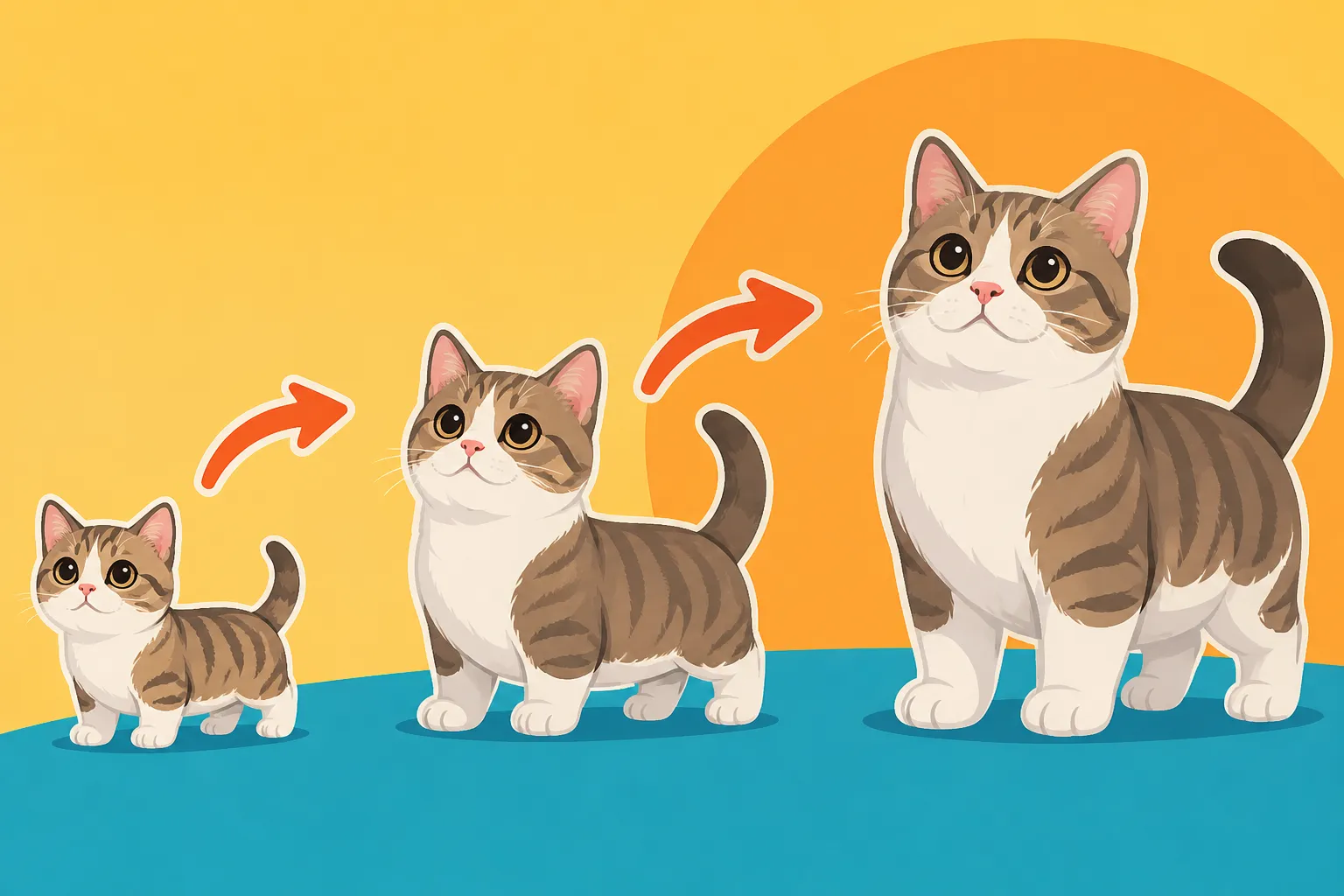
Like most domestic cat breeds, Munchkin kittens grow rapidly in their first few months. Their most significant growth in height, particularly in their unique limb development, typically occurs within the first year. By about 12 to 18 months of age, most Munchkins will have reached their full skeletal maturity, meaning their legs and body length will be at their adult dimensions. While their height will largely be set by this point, they may continue to "fill out" in terms of muscle mass and overall weight until they are about two to three years old. This filling out is crucial for developing a strong, healthy body that can support their short limbs.
During kittenhood, it’s especially important to monitor their growth, diet, and activity. Overfeeding a Munchkin kitten can put undue stress on their developing joints and spine, potentially leading to issues later in life. A responsible breeder will often provide guidance on this, and early veterinary check-ups are essential to ensure healthy development, including palpating the spine to check for any abnormalities. You should also be aware that A Munchkin Kitten's First Year of Learning Its Limits is a critical time for their physical and behavioral development.
Factors Influencing Individual Size Variation
Even within a breed with such a distinctive trait, individual Munchkins can vary in their overall size. Genetics play a significant role; remember that Munchkins are always outcrossed to domestic cats with normal leg length to maintain genetic diversity. The size and build of the non-Munchkin parent can influence the overall frame and weight of the kittens. For instance, if an outcross is a larger domestic shorthair, the Munchkin offspring might tend towards the higher end of the weight and body length spectrum. You can find more details about this in Which Domestic Cats Are Used as Munchkin Outcrosses.
Beyond genetics, nutrition is paramount. A well-balanced, high-quality diet during growth and adulthood contributes to healthy bone and muscle development. Activity levels also matter; active Munchkins tend to be leaner and more muscular, while sedentary ones might be prone to weight gain, which as we've discussed, is a major concern for this breed. General health, including any underlying conditions, can also play a role in their ultimate size and condition. A good breeder will be transparent about the size of the parent cats and their lines, giving you a better idea of what to expect from your kitten.
Dispelling Myths: "Teacup" and "Dwarf" Labels
The unique appearance of the Munchkin has unfortunately led to a lot of misinformation and the misuse of certain terms in the pet market. It's crucial for prospective owners to understand the correct terminology to avoid scams and support ethical breeding.
Why "Teacup" is a Misleading Marketing Term
The term "teacup" is one you might encounter, but it's important to understand that it is not a recognized breed descriptor for Munchkin cats, or for any feline breed, for that matter. It's a marketing term, often used to suggest an unnaturally miniature animal, implying a cat that remains perpetually kitten-sized. This is incredibly misleading for Munchkins. While their legs are short, their bodies are generally of normal size and weight. A Munchkin is not a scaled-down version of a cat; it's a cat with typically sized organs and torso on shorter legs.
Breeders who advertise "teacup Munchkins" are often either misinformed or, more concerningly, are using manipulative language to sell smaller, potentially unhealthy cats. Sometimes, these "teacup" cats might be runts of a litter, or suffer from underlying health issues that stunt their growth, leading to a smaller size. Responsible Munchkin breeders focus on health and adherence to the breed standard, which describes a medium-sized cat with short legs, not a tiny, fragile "teacup" animal. When purchasing supplies, services like Chewy focus on providing appropriate products for a cat's actual size and needs, not on promoting misleading labels.
The Nuance of "Dwarfism" in Munchkins
The word "dwarfism" can also be a bit confusing when applied to Munchkins. In a broad medical sense, dwarfism refers to a condition of short stature resulting from a medical or genetic condition. In the case of Munchkin cats, their condition is indeed a form of dwarfism, specifically pseudoachondroplasia, which affects the long bones of the limbs. However, the nuance is that this condition does not result in a proportionally small cat. As discussed, their torso, head, and internal organs are typically of normal size.
This distinction is vital because "dwarf" can sometimes be misinterpreted to mean a proportionally tiny creature, which is not what a Munchkin is. They are not small in the way a "teacup" dog might be, where the entire skeletal structure is scaled down. Instead, it's a specific limb-shortening effect on an otherwise normal-sized feline body. Understanding this helps to contextualize the unique needs and care requirements of the breed and moves away from potentially sensationalist or misunderstood labels. Always remember that Teacup and Dwarf Are Marketing Words, Not Munchkin Words, and look for information from reputable sources.
What a Munchkin Looks Like Against the TICA Standard
The International Cat Association (TICA) is the primary registering body for Munchkin cats, and their breed standard provides a clear guideline for what a well-bred Munchkin should embody in terms of size and conformation.
TICA's Emphasis on Moderate Body Type
According to The International Cat Association (TICA) breed standard, the Munchkin should be a medium-sized cat with a moderate body type. This means they should not be overly large or cobby, nor should they be overly slender or delicate. The ideal Munchkin possesses a well-muscled body, presenting a sturdy and robust appearance that balances its short legs. Their chest should be rounded and firm, and their hips should be solid and well-developed. The TICA standard specifically values overall balance and good health above extreme traits.
While the short legs are the defining feature and are assessed for length, the overall health and proportion of the rest of the cat are given significant weight. A judge in a TICA show ring would be looking for a cat that moves freely and easily, demonstrating agility despite its short stature. This emphasis on a moderate body type ensures that the breed maintains its vitality and physical capability, rather than prioritizing only the shortest possible legs at the expense of overall health. You can delve into What the TICA Munchkin Standard Weights Most to understand their priorities.
Why a Munchkin's Body Must Be Normal Length
One of the key aspects emphasized by the TICA standard, and a crucial point for understanding the Munchkin's true size, is that its body must be of normal length. The genetic mutation responsible for their short legs specifically affects the long bones of the limbs, not the axial skeleton (the spine, ribs, and skull). Therefore, a healthy, well-conformed Munchkin should have a torso length that is comparable to a domestic cat of similar overall weight and build.
Any significant deviation from this, such as an unusually short or elongated body, would be considered a fault in the show ring and could indicate other underlying skeletal issues. The aim of responsible Munchkin breeding is to produce a cat that, apart from its uniquely short legs, possesses the healthy, athletic body of a regular feline. This ensures that their internal organs have ample space and their spine can function optimally, despite the challenges that their short legs present. A Munchkin's beauty and uniqueness lie in this striking contrast: a normal-sized, healthy body gracefully navigating the world on charmingly short legs.
Size Comparison: Munchkin vs. Average Domestic Cat
To truly understand how big an adult Munchkin gets, it's helpful to see their measurements in comparison to a typical domestic cat. This table highlights the key differences that define the Munchkin's unique physique.
| Characteristic | Adult Munchkin Cat (Average) | Average Domestic Cat (Average) |
|---|---|---|
| Weight | 5-9 lbs (2.3-4.1 kg) | 8-12 lbs (3.6-5.4 kg) |
| Height at Shoulder | 5-7 inches (12.7-17.8 cm) | 9-10 inches (23-25 cm) |
| Body Length (Excl. Tail) | 12-14 inches (30-36 cm) | 12-18 inches (30-46 cm) |
| Overall Build | Moderate, well-muscled, sturdy | Moderate, athletic |
| Perception | Normal body, uniquely short legs | Balanced proportions |
As you can see, while their height is considerably less, their weight and body length are often quite similar to a smaller or medium-sized domestic cat. This reinforces that they are not miniature cats, but rather cats with a specific limb variation. This also explains why What the Short Legs Actually Cost a Munchkin in terms of adaptations around the home, as they're not a small cat in every sense.
Disclaimer
This article is for general informational purposes only and does not constitute professional advice. Laws, prices and regulations vary by location and change over time. Consult a qualified professional for guidance on your specific situation.