Why Two Short Legged Munchkins Are Never Bred Together
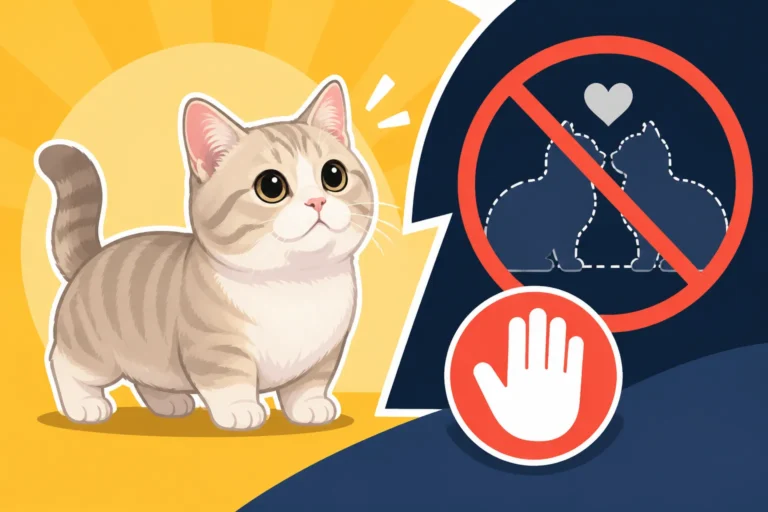
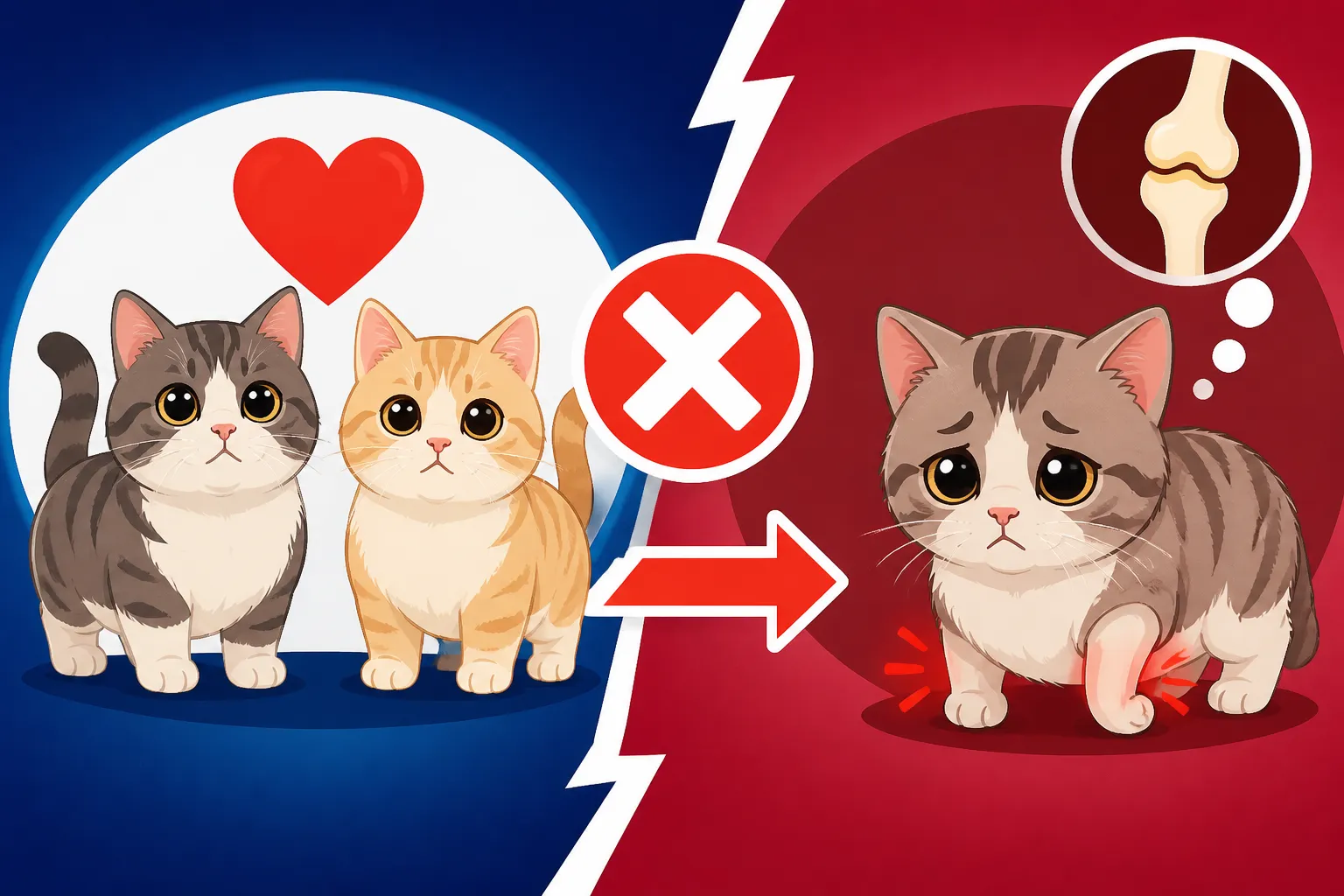
It's a common question, and one that highlights a critical ethical and biological consideration in the world of Munchkin cats: why are two short-legged Munchkins never, ever bred together? For anyone new to this unique breed or even experienced cat lovers, the idea of responsible breeding can feel like a minefield, fraught with complex genetics and deep-seated ethical debates. This guide will walk you through the fundamental genetic reasons behind this strict rule, shedding light on the "why" and explaining the responsible breeding practices that ensure the health and well-being of these adorable felines.
Understanding the Munchkin Gene
The defining characteristic of a Munchkin cat – those wonderfully short legs – is all thanks to a specific genetic mutation. This isn't just a quirky trait; it's a condition known as pseudoachondroplasia, a form of dwarfism that affects the long bones of the legs. While it gives them their distinctive appearance, it also comes with significant responsibilities for breeders.
Autosomal Dominant Inheritance
The Munchkin gene operates on what's called an autosomal dominant inheritance pattern. This fancy term simply means a few key things for our feline friends. Firstly, "autosomal" tells us that the gene isn't linked to sex chromosomes, so both male and female cats can inherit and pass it on equally. More importantly, "dominant" means that a cat only needs to inherit one copy of this particular gene from one parent to express the short-legged trait. If a cat gets one copy of the Munchkin gene and one normal-length leg gene, it will have short legs. This is why a Munchkin is always bred to a normal-legged cat. The science of how Munchkin dwarfism is inherited is fascinating, but it's also the cornerstone of responsible breeding practices.
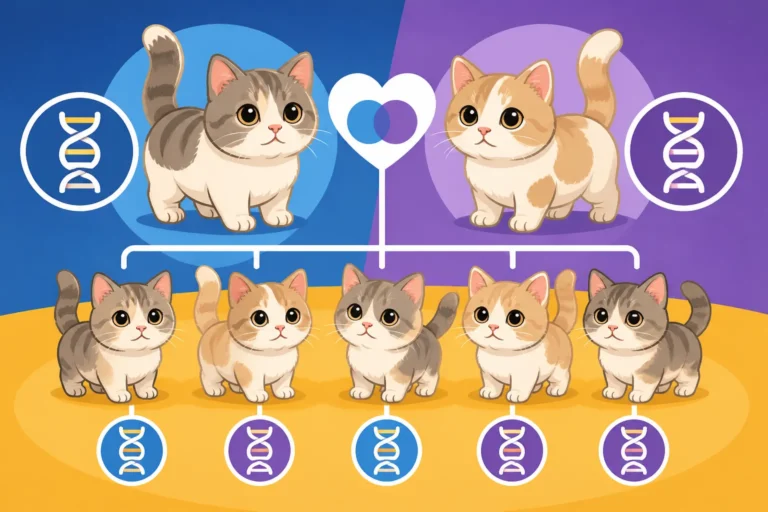
Imagine it like this: if you have a Munchkin (let's call its short-leg gene 'M') and a normal-legged cat (whose gene for normal legs is 'm'), their offspring will be a mix. Each kitten has a 50/50 chance of inheriting the 'M' gene from the Munchkin parent and thus being short-legged, or inheriting the 'm' gene and being long-legged. It's a genetic roll of the dice in every litter, leading to a mix of leg lengths. This precise genetic mechanism is also why breeders understand that Munchkin dwarfism is dominant and lethal in two copies, a concept we'll delve into next.
The Homozygous Condition
Here's where the critical rule comes in. When a cat inherits two copies of the same gene, we call that "homozygous." In the case of the Munchkin gene, if a kitten were to inherit a short-leg gene 'M' from both parents (making it 'MM'), this is what we refer to as the homozygous condition for the Munchkin gene. And this is where the problem lies. Unlike inheriting a single 'M' which results in charming short legs, inheriting two 'M' genes is fatal.
This homozygous genetic combination leads to severe developmental issues that are incompatible with life. The embryo simply cannot develop properly. This isn't a theoretical risk; it's a biological certainty. This means that if two short-legged Munchkins (both carrying one 'M' gene) were bred together, approximately 25% of their offspring would inherit two copies of the 'M' gene and would tragically perish in the womb or shortly after birth. This is a devastating outcome that no responsible breeder would ever knowingly cause. Understanding what two copies of the Munchkin gene do is central to the ethics of Munchkin breeding.
The Lethal Gene and Its Consequences
The term "lethal gene" might sound stark, but it accurately describes the outcome when a Munchkin cat inherits two copies of the short-leg gene. It’s a term used in genetics when a particular gene, in its homozygous state, causes the death of the organism. For Munchkin cats, this means that nature itself prevents the birth of kittens with two short-leg genes.
Embryonic Development Failure
When a mating occurs between two short-legged Munchkin cats, each carrying one copy of the dominant short-leg gene, the resulting litter has specific genetic probabilities. Statistically, 25% of the embryos will inherit two copies of the short-leg gene (MM). These embryos will not survive. This embryonic development failure typically happens very early in gestation, often before the breeder even knows the queen is pregnant or very early in the pregnancy. The embryos simply fail to properly form and are reabsorbed by the mother's body, or in some cases, result in stillbirths or kittens that pass away within hours of birth due to profound deformities.
This isn't a matter of opinion or debate; it's a documented genetic reality. The body simply cannot sustain life with such a severe skeletal abnormality. For the queen, it can also mean smaller litter sizes or even "phantom" pregnancies where she appears pregnant but there are no viable kittens. It’s a sad and completely avoidable outcome. This is precisely why homozygous Munchkin kittens are never born alive and healthy; their development is compromised from the earliest stages.
Preventing Unnecessary Suffering
The primary reason responsible breeders strictly avoid mating two short-legged Munchkins is to prevent this unnecessary suffering and loss of life. Breeding is not just about producing cute kittens; it's about safeguarding the health and welfare of both the parents and their offspring. Deliberately creating a genetic scenario where a quarter of a litter is destined to fail is not only irresponsible but deeply unethical.
For breeders, this rule is non-negotiable. They understand the genetic risks intimately and structure their breeding programs to ensure that no two short-legged cats are ever paired. This protects the queen from potentially carrying non-viable fetuses, and most importantly, prevents the tragic and often unseen loss of kittens. It reflects a commitment to the animals' well-being above all else. This commitment extends to ensuring that any potential health issues are managed, and sometimes pet insurance providers like Healthy Paws can offer peace of mind for unexpected veterinary care, especially as a kitten grows.
Responsible Breeding Practices
Given the unique genetic situation of Munchkin cats, responsible breeding practices are absolutely paramount. It's not just about producing healthy kittens, but about understanding and respecting the genetic limitations and ensuring the welfare of the breed.
Outcrossing to Normal-Legged Cats
The cornerstone of responsible Munchkin breeding is the mandatory outcross to normal-legged cats. This means that a short-legged Munchkin (which carries one copy of the dominant short-leg gene) is always bred with a non-Munchkin, normal-legged cat (one that does not carry the short-leg gene). This ensures that no kitten will ever inherit two copies of the detrimental gene. When a breeder plans a Munchkin mating, this is the very first and most important consideration.
By consistently breeding a short-legged Munchkin to a normal-legged domestic cat, breeders produce litters where, statistically, half the kittens will inherit the single short-leg gene and develop short legs, and the other half will inherit two normal-leg genes and have normal leg length. This method completely bypasses the risk of the lethal homozygous combination, ensuring all viable kittens are born healthy. This careful selection is essential, and often involves selecting from a range of domestic shorthairs or longhairs to maintain good health and genetic diversity. Which domestic cats are used as Munchkin outcrosses can vary, but the principle remains the same.
Genetic Diversity and Health
Beyond preventing the lethal homozygous condition, outcrossing with normal-legged cats plays a vital role in maintaining the overall health and genetic diversity of the Munchkin breed. Any purebred cat population can become vulnerable to specific health issues if the gene pool is too shallow or if breeders focus too heavily on specific traits without considering the broader genetic health.
By regularly introducing new, unrelated genetic material from healthy domestic cats, Munchkin breeders help to widen the gene pool. This genetic refresh helps to prevent the accumulation of other undesirable genetic conditions and bolsters the breed's general robustness. It's a proactive approach to long-term health, ensuring that the breed remains vigorous and less susceptible to the issues that can arise from excessive inbreeding. This practice is a key reason why the Munchkin gene pool stays wide compared to some other purebreds. A reputable breeder will always be transparent about their outcrossing practices and genetic health screening, which may give owners confidence when looking into pet health plans from providers like Healthy Paws.
Identifying Short-Legged vs. Long-Legged Offspring
One of the unique aspects of a Munchkin litter, due to the autosomal dominant inheritance pattern, is the mix of leg lengths you'll find. It's not a secret; it's a predictable genetic outcome that breeders expect and manage.
The 50/50 Split
When a short-legged Munchkin (genotype Mm, where M is the short leg gene and m is the normal leg gene) is bred to a normal-legged cat (genotype mm), the genetic probabilities for their offspring are quite clear. Each kitten has a 50% chance of inheriting the 'M' gene from the Munchkin parent and the 'm' gene from the normal-legged parent, resulting in a short-legged Munchkin (Mm). Concurrently, each kitten also has a 50% chance of inheriting the 'm' gene from both parents, resulting in a normal-legged cat (mm).
This means that, on average, half a Munchkin litter has normal legs. While it's not always an exact 50/50 split in every single litter (due to the random nature of genetic inheritance, just like flipping a coin), over many litters, the ratio will approximate this expectation. This is a perfectly normal and expected part of Munchkin breeding, and reputable breeders are accustomed to and plan for this outcome. They assess the kittens' leg length as they grow, typically around 8-12 weeks, to classify them.
What Happens to Long-Legged Munchkin Kittens
So, what about those long-legged kittens born in a Munchkin litter? Are they still "Munchkins"? Genetically, yes, they are still considered part of the Munchkin breed line, even though they don't express the short-legged trait. These cats carry no copies of the Munchkin gene (they are 'mm' in our genetic example), meaning they have normal leg length and cannot pass on the short-leg trait to their offspring.
These long-legged Munchkin kittens are typically sold as pet-only companions. They are just as loving, playful, and wonderful as their short-legged siblings, simply without the unique physical characteristic. In some cases, if a breeder needs to introduce new genetic lines, a long-legged female Munchkin may be used in an outcross breeding program (paired with a short-legged Munchkin) to contribute desirable traits from her specific lineage. However, their primary role is usually as beloved family pets, offering all the wonderful qualities of a domestic cat with a known, healthy pedigree. It's important for potential owners to understand what happens to the long legged Munchkin kittens and that they are genetically distinct from their short-legged siblings in terms of carrying the gene.
The Ethical and Welfare Debate
The Munchkin breed, precisely because of its defining genetic mutation, has been the subject of considerable debate within the feline fancy and among veterinary professionals. It's a conversation that touches on the very definition of responsible breeding and animal welfare.
Veterinary and Welfare Body Stance
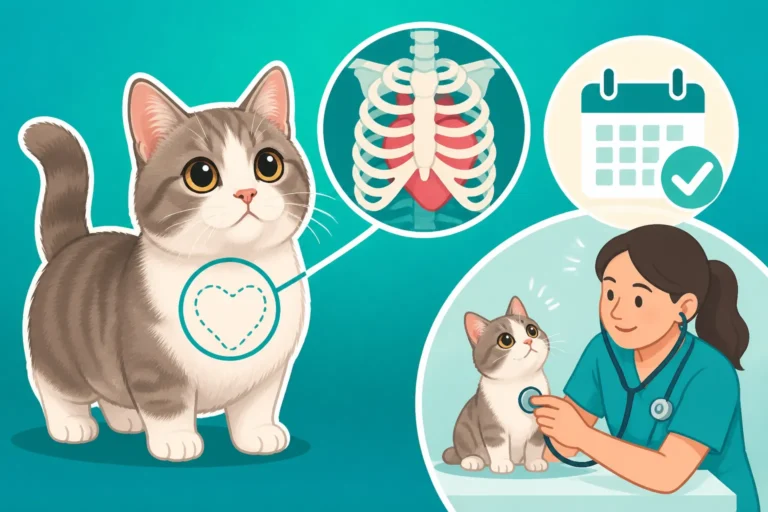
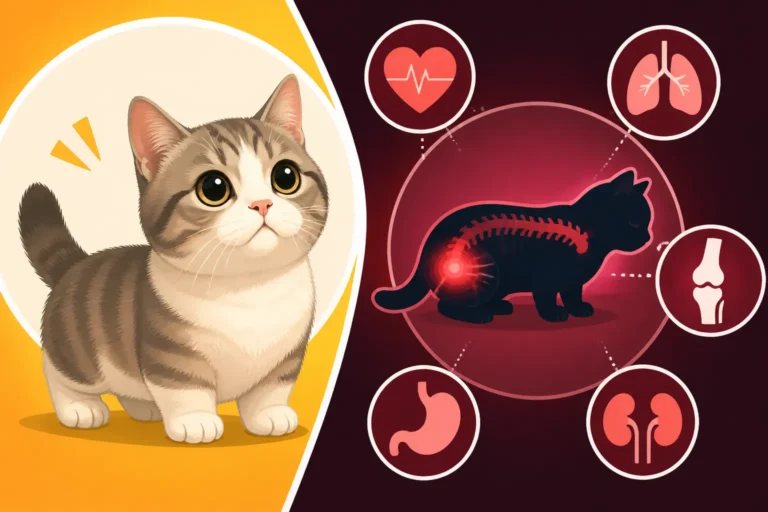
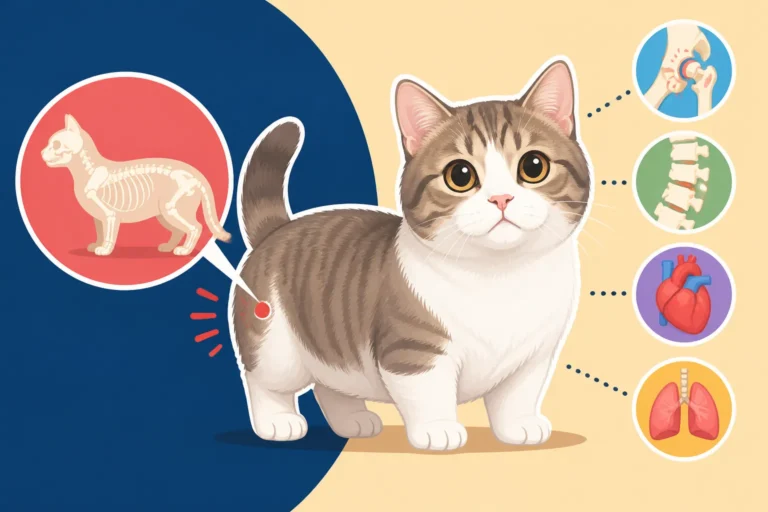
The short legs of the Munchkin cat, while endearing to many, stem from a form of dwarfism. This anatomical difference means their spine and joints experience stresses that a normal-legged cat's body does not. While many Munchkins live long, healthy lives, there are concerns about potential predispositions to conditions such as lordosis (a curvature of the spine) or pectus excavatum (a sunken chest), though data varies and is often debated. This is why some veterinary organizations and animal welfare bodies have expressed reservations about the breed, with some even refusing to recognize it or recommending against its breeding.
For example, the Cat Fanciers' Association (CFA) does not recognize the Munchkin, citing concerns about breeding for a physical deformity. Other organizations, like The International Cat Association (TICA), do recognize the breed, arguing that with responsible breeding practices (like mandatory outcrossing), Munchkins can be healthy and functional. This division highlights the ongoing ethical dilemma. Understanding what welfare bodies say about the Munchkin helps potential owners grasp the broader context. Moreover, it's not uncommon for vets to disagree about the Munchkin, reflecting the complexity of assessing welfare in breeds with unique genetic traits.
Breeder Responsibilities and Transparency
In light of these discussions, the role of a responsible Munchkin breeder cannot be overstated. It involves a profound commitment to genetic health, meticulous record-keeping, and absolute transparency with potential owners. A good breeder will:
- Strictly adhere to outcrossing protocols: Never breeding two short-legged Munchkins together.
- Health screen parent cats: Ensuring they are free from common feline diseases and any signs of skeletal abnormalities.
- Monitor kittens closely: Observing their development for any signs of health issues related to their unique conformation. This early monitoring can be crucial, and investing in pet insurance, like plans offered by Healthy Paws, early on can provide financial support if any unexpected health concerns arise.
- Educate potential owners: Providing comprehensive information about the breed's specific needs, potential health considerations, and lifetime care requirements.
- Offer health guarantees: Standing behind the health of their kittens, often with a period for a vet check post-purchase.
A truly responsible breeder views themselves as a steward of the breed, not just a producer of pets. They understand that breeding is a long-term commitment to improving and maintaining the health and vitality of the cats, always prioritizing welfare over appearance. This means being open about the genetic challenges and ensuring every kitten, whether short-legged or long-legged, finds a loving home prepared to meet its specific needs.
Disclaimer
Please remember that this article provides general information and insights into Munchkin cat breeding practices and genetics. It is not a substitute for professional veterinary advice. Always consult with a qualified veterinarian regarding the specific health and care needs of your pet.