What Britain Recorded in 1944 That Resembled a Munchkin
Many cat enthusiasts wonder if the unique short-legged trait seen in Munchkin cats is a truly modern phenomenon, or if similar felines have graced our homes throughout history. It's a valid question, especially when you consider how long cats have lived alongside humans. This guide delves into fascinating historical accounts, specifically focusing on what was recorded in Britain in 1944, about a distinctive short-legged cat population that bears a striking resemblance to the Munchkin cat we know today.
The Curious Case of the 1944 British Short-Legged Cats
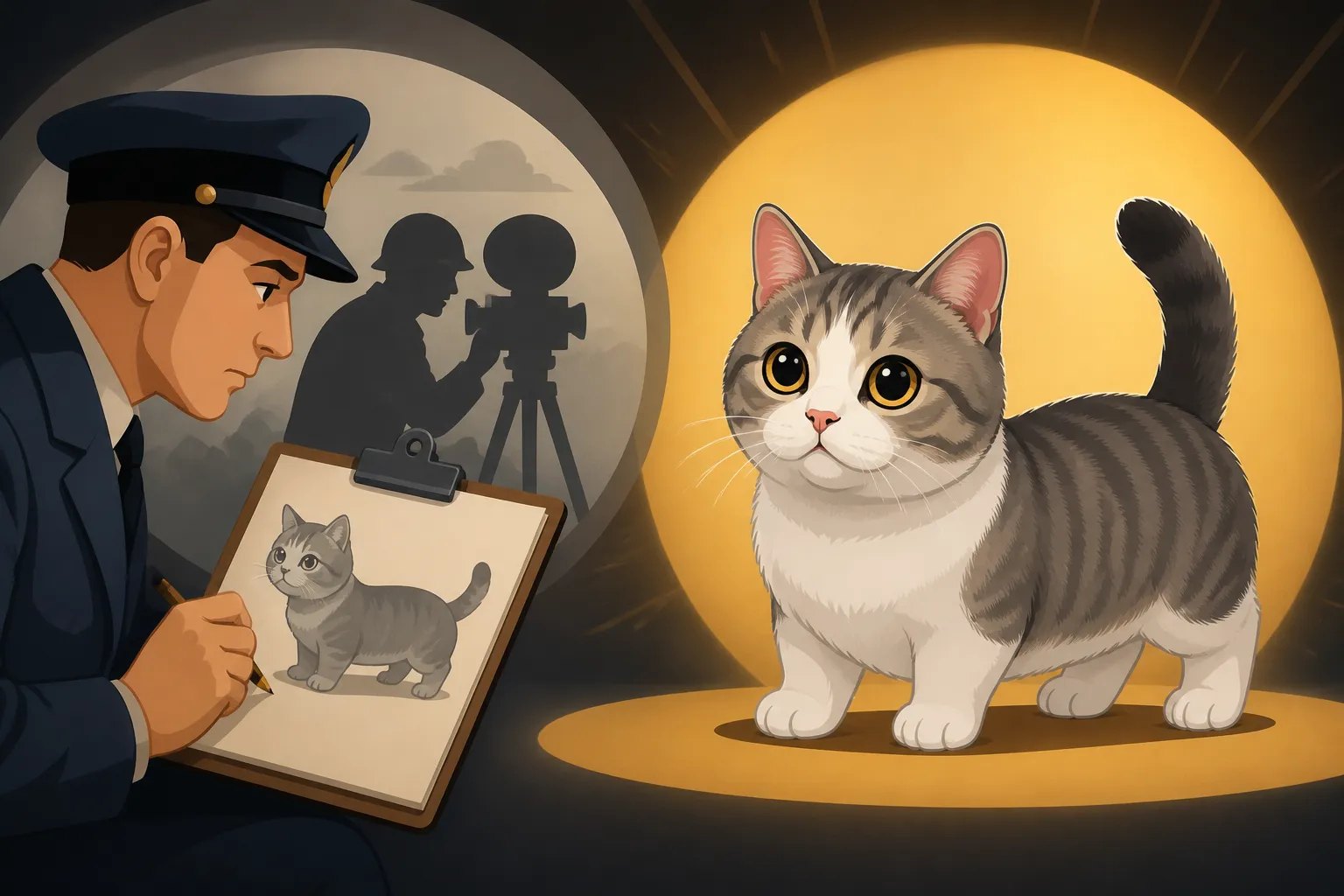
Imagine a world in the throes of World War II, a time when daily life was fraught with challenges, rationing, and uncertainty. Yet, even amidst such turmoil, the unique characteristics of a particular cat breed managed to capture attention, finding its way into official records. This wasn't some fleeting anecdote; it was a documented observation of felines displaying notably shorter limbs, much like what we see with the modern Munchkin.
During this period, a veterinary report out of Britain described a lineage of short-legged cats, affectionately nicknamed "Kangaroo Cats" due to their unusual habit of sitting upright on their hind legs, much like a meerkat or a small marsupial. This posture allowed them to survey their surroundings, a behavior now famously associated with Munchkin cats, often referred to as the "prairie dog sit." The report noted that these cats were otherwise healthy and robust, with normal body lengths and typical feline temperaments, apart from their distinctive stature. It wasn't a mutation causing a host of other health issues, but rather a specific physical difference. The fact that such a detailed account emerged during a time of extreme national preoccupation speaks volumes about how striking these cats must have been.
The significance of this 1944 record lies in its early documentation of a short-legged cat population in a formal setting. Before the well-known emergence of the Munchkin in Louisiana in the 1980s, these British cats provided evidence that the genetic mutation for short legs wasn't a singular, isolated event. While it’s tempting to imagine a direct lineage, there’s no evidence connecting these specific British cats to the founding lines of the American Munchkin. Instead, it suggests a recurrent, spontaneous mutation that can appear in domestic cat populations. This historical snapshot certainly adds a layer of depth to the ongoing discussion about Whether Short Legged Cats Existed Before the Munchkin, showing that such traits have popped up independently over time.
Documenting the "Kangaroo Cat" Phenomenon
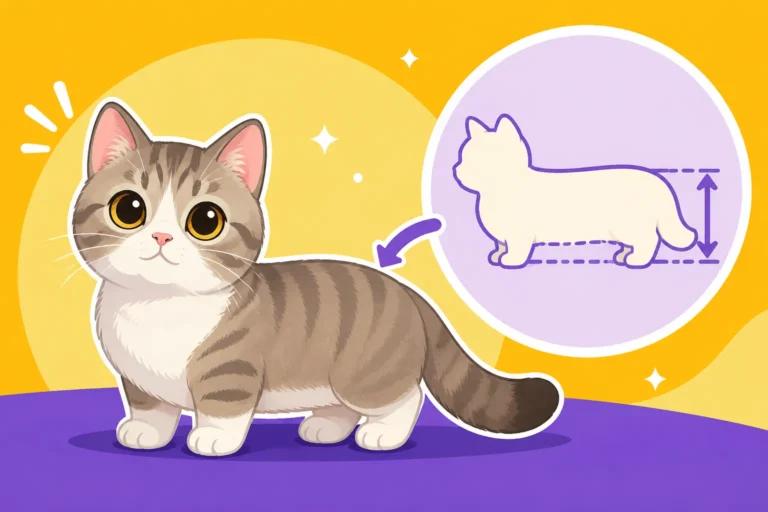
The veterinary report wasn't just a casual mention; it meticulously detailed the physical attributes and behaviors of these "Kangaroo Cats." They were described as having disproportionately short legs, particularly the front ones, which gave them a somewhat low-slung appearance. Despite this, their spines and overall body structure were noted as appearing otherwise normal, differentiating them from other forms of dwarfism that might involve spinal deformities or compressed internal organs. The focus was on the healthy nature of these cats, albeit with a unique gait.
What truly fascinated observers, and led to their descriptive nickname, was their posture. These cats would frequently sit bolt upright on their haunches, using their tails for balance, much like a kangaroo or, more commonly in the cat world, a meerkat. This ability, coupled with their short stature, made them adept at navigating their environment at a lower level, but also gave them a distinct way of observing the world around them. It's a behavior that modern Munchkin owners cherish and often describe as endearing, a testament to the strong parallels between these historical felines and their contemporary counterparts.
The report also touched upon their temperament, describing them as active, playful, and intelligent—qualities that many cat lovers seek in a companion. They were integrated into homes and families, suggesting they were well-adjusted pets despite their physical differences. This early documentation provides a crucial piece of the puzzle for anyone studying the history of unique feline mutations, and it highlights how captivating these short-legged cats were even decades before the Munchkin gained international recognition.
Connecting to the Later Emergence of the Munchkin
The story of the 1944 British cats provides an intriguing precursor to the discovery of Blackberry, the foundational Munchkin cat found in Louisiana in 1983. In both instances, the short-legged trait appears to have arisen spontaneously from a random genetic mutation within the domestic cat population. This isn't a trait that humans meticulously bred for initially; it just appeared. This recurrence across different continents and decades strongly suggests that the genetic anomaly leading to short limbs in cats is likely a dominant mutation, one that expresses itself even when only one copy of the gene is present. It’s the same principle behind Why Munchkin Dwarfism Is Called Autosomal Dominant.
While the British "Kangaroo Cats" never became a formally recognized breed and eventually faded from the historical record, their existence underscores the natural incidence of this particular form of dwarfism. When Blackberry was discovered and her short-legged offspring began a formal breeding program, the scientific and cat fancy communities had some historical context, even if rudimentary, to consider. The British report, though obscure for many years, serves as a powerful reminder that "new" breeds often have echoes in the past, reflecting inherent genetic possibilities within the wider cat population. It's a testament to nature's way of surprising us with variations, and how humans, once captivated, sometimes decide to foster and protect those unique traits.
What Made These Cats Resemble Modern Munchkins?
The resemblances between the 1944 British "Kangaroo Cats" and today's Munchkins are quite striking, primarily centered around their distinct physical attributes and certain behaviors. The core of this resemblance lies in the disproportionately short legs, a hallmark of both descriptions. These historical cats were specifically noted for their abbreviated limbs, particularly the front ones, which created a low-slung profile that is instantly recognizable to anyone familiar with a Munchkin.
Beyond the legs, the reports from 1944 indicated that these cats had normal body lengths and proportions for a domestic cat of their size, without the compressed or malformed spines often associated with other forms of feline dwarfism that cause more severe health issues. This is a crucial point, as the defining characteristic of a Munchkin is achondroplasia (or more accurately, pseudoachondroplasia), a form of dwarfism that affects limb length but typically spares the spine and skull from the severe deformities seen in true chondrodysplasia. The question of How Short a Munchkin's Legs Actually Are is precisely what was being observed and recorded in these historical accounts, highlighting a consistent pattern in this particular genetic expression.
The behavioral traits also drew parallels. The "Kangaroo Cat" nickname explicitly referred to their habit of sitting upright on their hind legs to observe their surroundings—a behavior famously known as the "prairie dog sit" in Munchkin circles. This suggests a similar adaptation to their short stature, using their strong hindquarters to compensate for their limited reach and gain a better vantage point. This combination of physical and behavioral traits provides compelling evidence that the 1944 cats likely shared the same or a very similar genetic mutation responsible for the Munchkin breed today.
Exploring the Likely Genetic Basis
Given the descriptions, it's highly probable that the "Kangaroo Cats" of 1944 carried a genetic mutation analogous, if not identical, to the one responsible for the Munchkin breed. This mutation is an autosomal dominant gene that affects the development of the long bones in the limbs, leading to their shortened appearance. The fact that the cats were described as otherwise healthy, with normal spines and no other obvious skeletal deformities, points strongly towards pseudoachondroplasia, which is precisely what defines Munchkin dwarfism. This is why when considering Munchkin genetics, we often talk about Munchkin Dwarfism Is Dominant and Lethal in Two Copies, meaning only one copy of the gene is needed to express the trait, but two copies are lethal to the embryo.
If the mutation were recessive, it would have been much less likely to become noticeable enough to be formally documented, especially during a chaotic period like wartime. A dominant trait, appearing in approximately half of a litter when one parent carries the gene, makes its presence much more apparent and allows for its perpetuation through a population, even without deliberate human intervention. The consistent appearance of this trait, both in 1944 Britain and later in 1980s America, suggests a robust and recurring genetic event rather than a unique, isolated anomaly. This insight helps us understand the natural history of such genetic variations in animals.
Why They Didn't Become a Recognized Breed
Despite their unique charm and documented existence, the "Kangaroo Cats" of 1944 never ascended to the status of a recognized cat breed. Several factors likely contributed to their eventual disappearance from public record, and potentially from existence as a distinct lineage. Firstly, the context of World War II cannot be overstated. With resources scarce and society focused on survival, the concept of establishing and maintaining a formal cat breeding program for a novelty trait would have been far from anyone's priority list. Even essential pet care was challenging, let alone selective breeding.
Secondly, the cat fancy as we know it today was still developing, and the infrastructure for breed recognition, registration, and promotion was less sophisticated, particularly during wartime. There weren't organizations like TICA (which would later recognize the Munchkin) actively seeking out and formalizing new breeds with unusual characteristics. The focus was more on preserving existing, well-established breeds, or simply ensuring the survival of the general domestic cat population. There was no Chewy to easily order specific foods or supplies for specialized care.
Finally, there might have been a lack of concerted effort or even interest from a dedicated breeder to carry the torch. For any breed to become established, it requires passionate individuals willing to invest time, resources, and careful genetic management. Without this sustained effort, even compelling traits can simply fade back into the general gene pool. The British "Kangaroo Cats" were a fascinating natural occurrence, but they lacked the human champion to guide them from a unique lineage to a recognized breed.
The Disappearance and the Debate: Why These Cats Faded Away
The mystery of why the 1944 "Kangaroo Cats" eventually faded from history is a poignant one, offering valuable lessons about the fragility of new genetic lines in the absence of dedicated preservation efforts. It highlights that simply having a unique trait isn't enough for a breed to thrive; it requires an active human role, even if contentious. The conditions in Britain during and immediately after World War II were undoubtedly a major factor.
In a society grappling with rationing, bombings, and the massive societal reconstruction that followed, the luxury of formal cat breeding was largely unthinkable for most. Resources like specialized food, veterinary care beyond the absolute necessities, and even safe, stable environments were scarce. Many pets were impacted by the war, with some even being euthanized due to food shortages or owners being unable to care for them amidst displacement. In such a climate, a unique genetic line, even a healthy one, could easily be lost through natural attrition, accidental outcrossing, or simply a lack of the focused attention needed to perpetuate it. This stark contrast with the environment in which the Munchkin later flourished in the US—a period of relative prosperity and a burgeoning pet industry—is telling.
Furthermore, the general understanding of feline genetics was less advanced than it is today. While the veterinary report noted their health, the long-term implications of breeding short-legged cats, including the potential for lethal homozygous gene combinations (where two copies of the short-leg gene result in non-viable embryos), might not have been fully grasped or managed. Without this knowledge, breeders might have unwittingly made choices that hindered the perpetuation of the line, unlike today's responsible breeders who understand Why Two Short Legged Munchkins Are Never Bred Together.
Challenges of Preserving a New Breed
Preserving a new breed, especially one based on a dominant genetic mutation, presents numerous challenges. Even without a global conflict, the path to breed recognition is arduous. It involves careful selective breeding to maintain the desired physical traits while simultaneously safeguarding the health and genetic diversity of the line. This means avoiding inbreeding, ensuring a broad enough gene pool, and documenting lineage meticulously. For the 1944 cats, none of this infrastructure would have been readily available or prioritized.
The unique nature of their short legs also means that careful outcrossing is necessary. Like Munchkins today, the "Kangaroo Cats" would have needed to be bred with normal-legged domestic cats to produce viable litters and maintain health, as breeding two short-legged cats together results in lethal outcomes for some embryos. This genetic understanding, crucial for the Munchkin breed's survival and ethical development, was likely not widely applied in 1944 Britain. Consequently, the lineage could have simply diluted back into the general cat population, with the distinctive short-legged trait becoming increasingly rare and eventually disappearing. This is a common fate for many unique animal traits that arise naturally but are not actively managed by human breeders. This underscores Why Earlier Munchkin Type Cats Died Out without formal recognition and dedicated breeders.
Ethical Considerations Then and Now
While the formal debate around the ethics of breeding short-legged cats, as we see with the Munchkin today, didn't exist in 1944 in the same structured way, concerns about animal welfare are not new. It's plausible that even at the time, some individuals might have viewed the short-legged trait with apprehension, questioning its impact on the cat's natural mobility or overall well-being. This natural skepticism often arises when animals exhibit unusual physical characteristics.
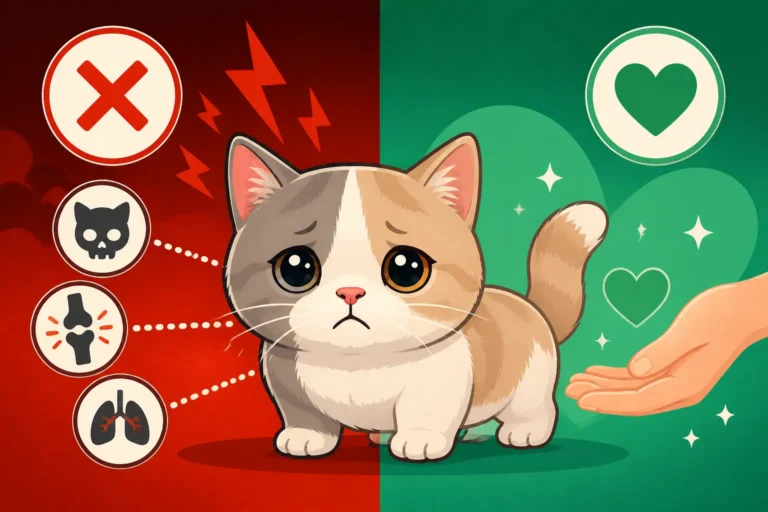
Today, the Munchkin breed continues to spark considerable ethical debate, with some veterinary associations and welfare bodies expressing strong reservations. They worry about the potential for orthopedic issues, spinal problems like lordosis (a severe inward curvature of the spine), or pectus excavatum (a sunken chest). This ongoing discussion is reflected in topics such as What Welfare Bodies Say About the Munchkin and Why Vets Disagree About the Munchkin. The fact that the 1944 report emphasized the health of these cats suggests that the observers were indeed mindful of their welfare, even if the long-term implications or rarer potential issues were not fully understood or documented at the time. It highlights a continuous thread of concern for animal well-being that spans generations, evolving with scientific understanding and societal values.
Drawing Parallels to Today's Munchkin Conversation
The historical record of Britain's 1944 "Kangaroo Cats" offers a fascinating, almost prophetic, backdrop to the modern Munchkin cat. It demonstrates that the short-legged mutation is not an artificial construct unique to recent decades but a naturally occurring genetic variation. This historical precedent is often brought up in discussions, showing that the trait itself isn't entirely novel, even if the deliberate breeding and recognition of it are.
For current Munchkin enthusiasts and breeders, this historical snippet can serve to reinforce the idea that their beloved felines embody a trait that has appeared in nature before. It can be a talking point against arguments that the Munchkin is an entirely "unnatural" or "designer" breed, by showcasing a spontaneous, historical manifestation of the same characteristics. However, it also highlights the critical difference: the 1944 cats were a curious observation that faded, whereas the modern Munchkin is the result of dedicated, albeit sometimes controversial, breeding programs designed to perpetuate the trait. This is a point that What Munchkin Breeders Say in Reply to welfare concerns often includes – that the trait has natural origins.
Understanding this history also informs the broader discussion about what constitutes an "acceptable" breed characteristic. If a trait arises naturally, does that automatically make it ethical to breed for? This is where the cat fancy and veterinary communities diverge, especially when there are concerns about potential health complications, even if subtle. The 1944 account, while affirming the natural occurrence, doesn't diminish the need for rigorous health screening and responsible breeding practices today. Chewy, for example, offers a wide range of products for all cat health needs, but selecting the right ones for a Munchkin specifically means understanding their unique anatomical considerations.
The Role of Registries and Formal Recognition
The absence of breed registries and formal recognition mechanisms during wartime Britain meant the "Kangaroo Cats" remained an isolated phenomenon rather than a structured breed. This contrasts sharply with the Munchkin, which, despite initial controversy, gained Provisional Breed status with The International Cat Association (TICA) in 1994 and Championship status in 1995. This recognition by TICA was a pivotal moment for the breed, enabling its structured development and ensuring genetic health through careful breeding standards. The journey to recognition wasn't without its challenges, as evidenced by the fact that TICA Took the Munchkin In and a Judge Resigned Over It, illustrating the deep divisions the breed caused.
Formal recognition provides a framework for breeders, including health guidelines, breed standards, and a platform for showing cats. Without this, even a captivating trait can simply disappear. The comparison between the fate of the 1944 cats and the contemporary Munchkin highlights the crucial role that cat registries play in the preservation and development of distinct feline populations. It's not just about aesthetics; it's about the organized effort to maintain a healthy and viable genetic line for future generations.
Reinforcing Responsible Breeding
The historical context of the 1944 "Kangaroo Cats" ultimately reinforces the paramount importance of responsible breeding practices for any cat breed, especially those with unique genetic traits. While the short-legged mutation has appeared naturally, actively breeding for it requires careful oversight to ensure the welfare of the animals. This includes understanding the genetics, avoiding deleterious combinations, and prioritizing overall health above exaggerated physical traits.
Responsible Munchkin breeders today conduct health screenings, including for conditions like lordosis or pectus excavatum, even though they are not exclusively linked to the Munchkin gene. They also adhere to ethical breeding guidelines, ensuring that their cats are healthy, well-socialized, and placed in loving homes. This commitment to health and welfare is what differentiates a responsible breeder from someone merely capitalizing on a unique appearance. For potential owners, choosing a Munchkin means engaging with breeders who are transparent about health testing and dedicated to the breed's well-being, rather than just focusing on leg length. It's a significant consideration when contemplating Whether a Munchkin Is the Right Cat for You.
The story of the British "Kangaroo Cats" isn't just a historical curiosity; it's a testament to the enduring presence of this unique genetic trait in the feline world and a profound reminder of the responsibility that comes with our role in shaping the future of cat breeds.
| Feature | 1944 "Kangaroo Cat" Descriptions | Modern Munchkin Cat Traits |
|---|---|---|
| Leg Length | Disproportionately short, especially front legs. | Short, stumpy legs due to an autosomal dominant mutation. |
| Body & Spine | Normal body length and spinal structure, no other deformities noted. | Normal body length and spinal structure, not a "true" dwarf. |
| Posture/Behavior | Frequently sits upright on hind legs, "Kangaroo" or "Meerkat" style. | Famous "prairie dog sit" on hind legs. |
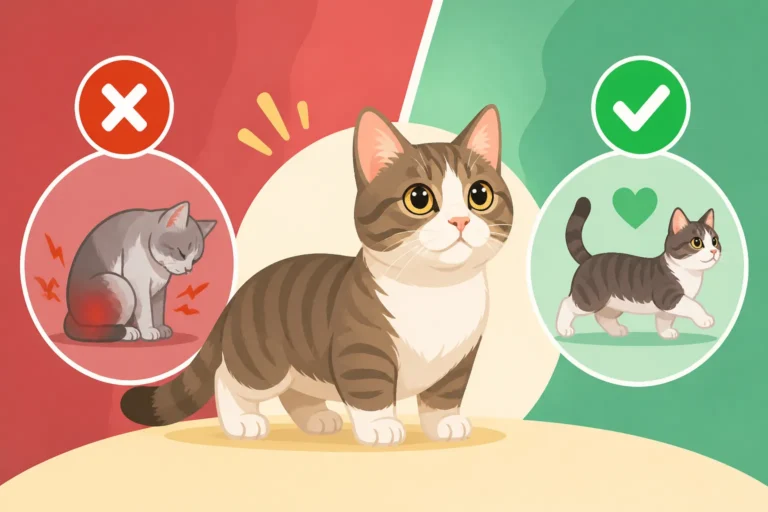
| Overall Health | Described as otherwise healthy and robust. | Generally healthy, but concerns exist about potential spinal/chest issues. |
| Genetic Basis | Implied to be a spontaneous, dominant mutation due to recurrence. | Confirmed autosomal dominant mutation (pseudoachondroplasia). |
| Breed Recognition | No formal breed recognition; lineage likely faded out. | Recognized by TICA since 1995; other registries refuse. |
| Historical Context | Documented during WWII Britain, a time of scarcity and upheaval. | Originated in 1980s USA, developed in an era of growing pet industry. |
| Perpetuation | Natural occurrence, but no dedicated breeding program. | Dedicated breeding programs and selective mating. |
Disclaimer
This article is for general informational purposes only and does not constitute professional advice. Laws, prices and regulations vary by location and change over time. Consult a qualified professional for guidance on your specific situation.