Whether the Second Founding Munchkin Was Neutered
It's incredibly easy to get tangled up in the early history of any cat breed, especially when you're delving into the lives of the specific cats who literally started it all. For Munchkin cat enthusiasts and owners, one of those pivotal figures is Toulouse, often referred to as the second "founding" Munchkin. There's a lot of curiosity about his early life and, critically, whether he was neutered, a detail that could dramatically impact our understanding of the breed's genetic foundation. This guide will unearth the story of Toulouse, clarify his vital role, and explain why the question of his neutering is so important to the Munchkin lineage.
The Genesis of the Munchkin Breed: A Fortuitous Discovery
The story of the Munchkin cat is one of accidental discovery, a fortunate find that blossomed into a recognized (though controversial) breed. It all began with a stray, a pregnant black cat found by a kind soul named Sandra Hochenedel in Rayville, Louisiana, back in 1983. This cat, later named Blackberry, was the true matriarch of the breed, carrying the spontaneous genetic mutation that gives Munchkin cats their distinctive short legs.
Blackberry's Initial Contribution
Imagine finding a tiny, unassuming black cat under a truck, her belly full of kittens, not knowing that she harbored a gene that would change the cat fancy forever. That was Blackberry. She was a typical domestic shorthair in every other respect, but her short legs were a unique feature that caught Hochenedel's eye. When Blackberry gave birth, roughly half of her kittens also displayed these short legs, a clear indicator that the trait was being passed on. This immediately sparked curiosity and a deeper look into the genetics at play. The initial observation of Blackberry's unique physique and the subsequent birth of short-legged kittens marked the true beginning of the Munchkin breed. It was clear from the start that this wasn't an injury or a temporary condition; it was a heritable trait.
Blackberry's significance cannot be overstated. She carried the autosomal dominant gene responsible for the short-legged trait. This means that only one copy of the gene is needed for a cat to express the short legs. Critically, Blackberry herself was a Why Munchkin Dwarfism Is Called Autosomal Dominant, meaning she had one copy of the gene and was able to pass it on to her offspring. Without her, and her unusual genetic makeup, the Munchkin breed as we know it would simply not exist. She was the original source, the genetic ground zero for all future Munchkins.
The Role of Early Spread and Nurturing
Once Blackberry's kittens arrived, Sandra Hochenedel understood she had something special. Instead of keeping all the kittens, which would have been difficult for one person, she shared them with friends, eager to see if the trait would continue. This act of distributing the kittens was crucial for the breed's initial spread. It ensured that the unique gene didn't remain isolated to one household but began to establish a small, foundational gene pool. These early caregivers nurtured these unique cats, allowing them to live and breed, thus inadvertently aiding in the establishment of what would become a distinct breed.
The practice of sharing kittens with trusted individuals allowed for observation of the trait's inheritance pattern across multiple households. It wasn't a formal breeding program yet, but rather an organic, community-based propagation that laid the groundwork. This informal network was essential in those nascent years, enabling the small pool of short-legged cats to grow and eventually attract more formal attention from those interested in developing a new breed. The success of these early efforts demonstrated the viability and heritability of the short-legged trait.
Toulouse: The Second Pillar of the Munchkin Lineage
While Blackberry was the original source, she wasn't the only critical founder. To establish a healthy, diverse breed, more than one individual carrying the desired trait is typically needed. This is where Toulouse, the second celebrated founding Munchkin, enters the story.
Who Was Toulouse and His Connection to Blackberry?
Among Blackberry's first litter, there was a short-legged male kitten. Sandra Hochenedel gifted this male kitten to her friend, Kay LaFrance. This kitten was named Toulouse, and his arrival in LaFrance's home marked another pivotal moment for the burgeoning breed. Toulouse was directly related to Blackberry; he was her son, carrying the exact same short-legged gene she possessed. This direct lineage confirmed the hereditary nature of the trait and provided a second, distinct line for early breeding efforts.
Toulouse, like his mother, was a short-legged cat, and his ability to reproduce and pass on the gene was absolutely vital. What Toulouse Contributed to the Munchkin was immense: he became the male foundation of the breed, allowing for a broader genetic base than if all cats had descended only from Blackberry. His existence meant that the gene could be passed through both male and female lines, strengthening its presence in the emerging population. Without Toulouse, the early gene pool would have been much narrower, potentially leading to more inbreeding concerns down the line.
Unpacking the "Neutered" Question
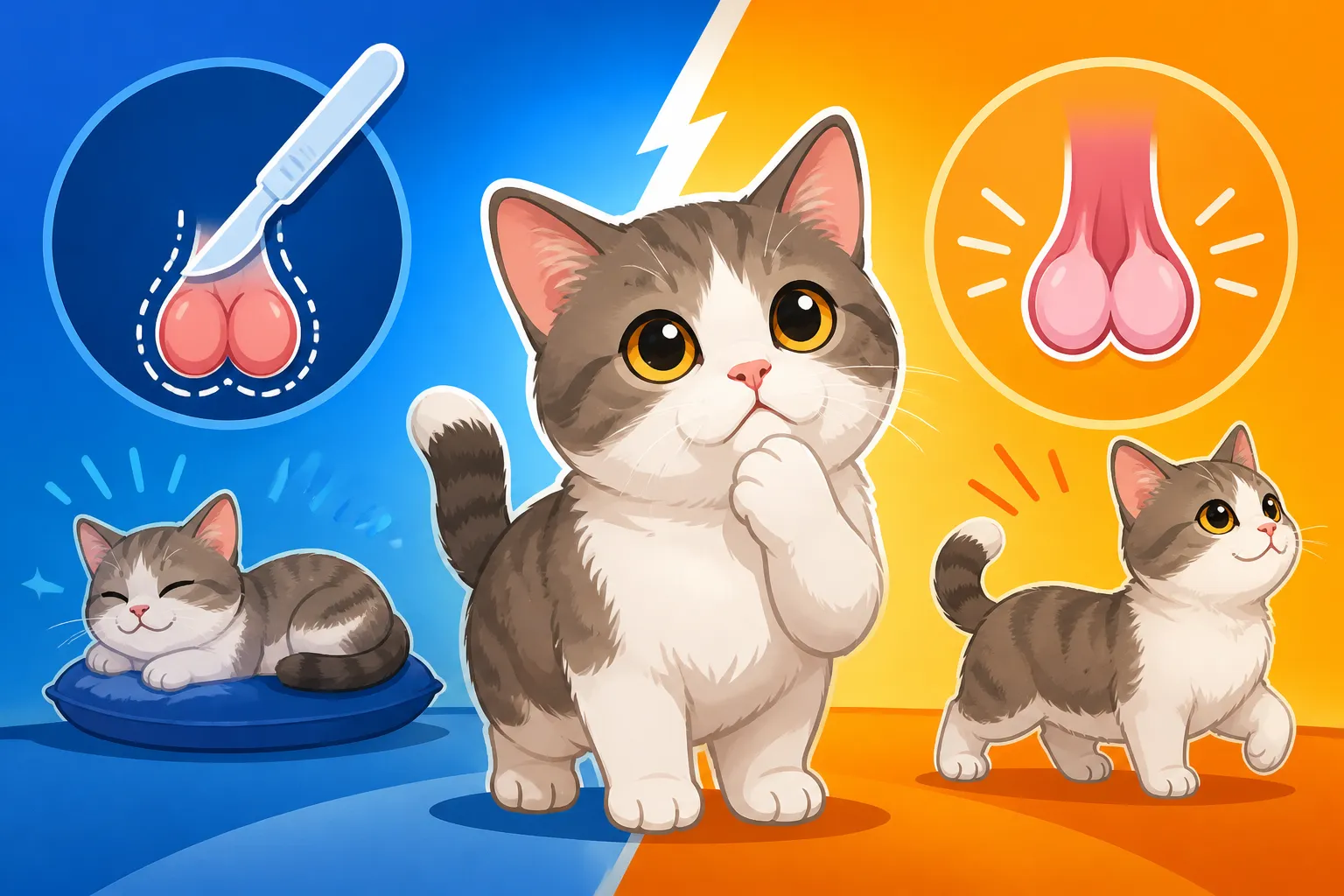
Now, to the heart of the matter: was Toulouse neutered? The short answer, particularly in the context of him being a "founding" cat, is no, not initially. If Toulouse had been neutered before he had a chance to sire any kittens, he could not have contributed to the gene pool, and he would not be considered a founding cat. His importance stems precisely from his ability to pass on the short-legged gene.
In the early days of any new breed discovery, especially one based on a novel genetic mutation, the primary goal of those involved is to replicate the trait and establish a viable breeding population. Neutering a male cat who carries such a valuable, newly discovered trait would have been counterproductive to this goal. Toulouse was instrumental in carrying the gene forward. He was bred to various domestic shorthairs, similar to how Blackberry was bred, to expand the population of short-legged cats. This practice was necessary to prove the gene's dominant inheritance pattern and to ensure enough individuals carried the trait to form a sustainable breeding program. Had he been neutered, the genetic foundation of the Munchkin breed would have been significantly hampered, possibly even preventing its continuation as a distinct line.
The Critical Role of Continued Breeding
The concept of a "founding cat" implies a role in starting a genetic line. For Toulouse, this meant actively breeding. He, alongside Blackberry and her other short-legged offspring, formed the critical genetic bottlenecks through which the Munchkin gene flowed. The early breeders, primarily Sandra Hochenedel and Kay LaFrance, understood that to establish the breed, they needed to maximize the number of cats carrying the short-leg gene while also introducing genetic diversity through outcrossing to normal-legged domestic cats. This delicate balance ensured the trait's survival and reduced potential health issues associated with a very small founder population.
This period of early, careful breeding was about more than just producing short-legged kittens; it was about understanding the genetics, observing the health of the offspring, and building a foundation that could eventually be presented to cat registries. It's a testament to the dedication of these early advocates that they pursued this path, ensuring that cats like Toulouse had the opportunity to fulfill their genetic potential as founders. This process also involved detailed record-keeping, tracking litters and offspring to monitor the trait's inheritance and the overall health of the cats.
Establishing the Gene Pool: Early Breeding Practices
Once Blackberry and Toulouse were identified as carriers of the short-legged gene, the process of formally establishing the Munchkin breed began. This wasn't a haphazard endeavor, but a thoughtful, albeit experimental, approach to propagate the unique trait while maintaining genetic health.
The Strategy of Outcrossing
One of the most crucial strategies employed in the early development of the Munchkin breed was outcrossing. Why Munchkin Outcrossing Was Necessary From the Start is simple: to expand the gene pool and prevent the pitfalls of inbreeding. A new breed founded on just two or three cats faces an immediate risk of genetic bottlenecks, where a lack of diversity can lead to health problems or a weak immune system within the population. By breeding Munchkins (who carry one copy of the short-leg gene, known as heterozygous) to unrelated, normal-legged domestic cats, breeders could introduce fresh genetics.
This process involved selecting healthy, robust domestic cats of various breeds and appearances to mate with the short-legged Munchkins. Which Cats a Munchkin May Be Outcrossed To varies, but generally, any healthy domestic cat was (and still is) considered suitable, as long as they contribute to genetic diversity and have no known hereditary issues. The offspring of these outcrosses would consist of roughly half short-legged kittens and half normal-legged kittens. The normal-legged kittens, while not expressing the short-leg trait, would still carry valuable new genetic material and could be used in future breeding programs with short-legged cats. This careful outcrossing regime meant the Munchkin gene pool remained relatively wide, preventing many of the issues that can plague breeds developed from a very small number of founders.
Ensuring Genetic Health and Diversity
Beyond simply expanding the numbers, outcrossing was fundamental to ensuring the long-term genetic health of the Munchkin breed. It helped to dilute any potentially deleterious genes that might have been present in the original founding cats and increased the overall vigor of the kittens. A broader genetic base means a healthier, more resilient population, less susceptible to inherited diseases that can become prevalent in highly inbred lines. Early breeders were keen to demonstrate that the Munchkin's short legs did not come at the cost of overall health or vitality. They observed their cats carefully, noting their agility, playfulness, and general well-being.
Owners today benefit from these early efforts. While the short legs are certainly distinctive, a well-bred Munchkin should ideally be a healthy, active cat. When looking for current health information or supplies, many owners turn to resources like Chewy, which offers a vast selection of cat food, supplements, and accessories. You might find joint supplements, for instance, tailored to support a cat's mobility, though it's always best to consult with your veterinarian for specific health needs. These products, readily available, reflect the ongoing commitment to feline wellness that was first seeded in the careful breeding practices of the Munchkin's founders.
The Enduring Impact of the Foundation Cats
The legacy of Blackberry and Toulouse extends far beyond their individual lives. They are the ancestral pillars upon which the entire Munchkin breed rests, and their contributions continue to shape how we understand and care for these unique felines today.
The Legacy of Blackberry and Toulouse
How Two Cats Founded the Whole Munchkin Breed is a remarkable story of genetic inheritance and dedicated, if initially informal, breeding. Blackberry and Toulouse, through their offspring, disseminated the short-legged gene that defines the Munchkin. Every short-legged Munchkin cat alive today can trace its lineage back to these two original felines. Their genes are literally woven into the fabric of the breed. This concentrated genetic heritage makes their story incredibly important for anyone interested in the breed's origins and its continued development.
This foundational lineage also means that certain characteristics, beyond just leg length, may be more prevalent in Munchkins due to these original cats. While outcrossing introduced diversity, the core genetic blueprint for the breed's defining feature originated from them. Understanding this allows breeders to make informed decisions and allows owners to appreciate the unique history of their furry companions. It's a direct link to the very beginnings of what makes a Munchkin a Munchkin.
The Importance of Historical Record Keeping
For any breed, meticulously maintained records are invaluable. For the Munchkin, documenting the lineage of Blackberry and Toulouse, their offspring, and subsequent outcrosses was, and remains, critical. These records allow breeders to track health, temperament, and genetic traits, ensuring responsible breeding practices. They provide a transparent history that helps potential owners understand the background of their kitten and ensures the ethical continuation of the breed. Without precise records, the breed's history would be speculative, making it harder to manage genetic lines effectively.
This historical data also influences modern-day care. Knowing the general health trends or common issues associated with the breed (even if indirectly linked to its origins) helps owners prepare. For example, understanding that Munchkins have unique physical needs, such as requiring low-entry litter boxes, might prompt an owner to look for specialized products. Online retailers like Chewy provide accessible options for everything from litter boxes to grooming tools, making it easier for owners to adapt their homes to their Munchkin's unique anatomy, something the early founders likely wished they had more ready access to.
Modern Day Breeding Ethics and Practices
Today, Munchkin breeding is under more scrutiny than ever, with ongoing debates about the ethics of breeding cats with dwarfism. However, the foundational work of individuals like Sandra Hochenedel and Kay LaFrance, and the genetic contribution of cats like Blackberry and Toulouse, laid the groundwork for the breed's existence. Modern breeders aim to uphold high ethical standards, prioritizing the health and welfare of their cats. This includes genetic testing where available, careful selection of breeding pairs, and ensuring kittens are raised in stimulating, appropriate environments.
The conversation about Whether a Munchkin Is an Ethical Decision is complex, involving welfare bodies, veterinarians, and passionate breeders and owners. However, one thing remains clear: the legacy of those initial cats, Blackberry and Toulouse, continues to shape these discussions and the breed itself. Responsible breeders provide comprehensive information about their lines, often including historical details, to ensure owners are fully informed. They also encourage owners to seek out high-quality food and enrichment, easily found on platforms like Chewy, to ensure a long and healthy life for their Munchkins, acknowledging their unique physical structure.
| Founding Cat | Discovery/Origin | Role in Breed Foundation | Breeding Status | Notable Contribution |
|---|---|---|---|---|
| Blackberry | Found under a truck in Rayville, Louisiana by Sandra Hochenedel in 1983. | Original carrier of the short-legged gene (autosomal dominant), matriarch of the breed. | Bred to domestic shorthairs. | Proved the heritability of the short-legged trait. |
| Toulouse | Son of Blackberry, gifted to Kay LaFrance. | Second key carrier of the short-legged gene, male foundation of the breed. | Bred to domestic shorthairs. | Helped expand the gene pool, confirming gene expression through male line. |
Disclaimer
This article is for general informational purposes only and does not constitute professional advice. Laws, prices and regulations vary by location and change over time. Consult a qualified professional for guidance on your specific situation.