What Munchkin Breeders Say in Reply
It's no secret that the Munchkin cat breed often finds itself at the center of passionate debate. Many prospective cat parents, and even seasoned feline enthusiasts, often hear very strong opinions about these adorable, short-legged companions, leading to a lot of confusion and sometimes even guilt. This guide aims to pull back the curtain on the breeder's perspective, exploring the diligent efforts and comprehensive responses Munchkin breeders offer to the common welfare objections leveled against their beloved breed.
Understanding the Core Objections Faced by Munchkin Breeders
Before diving into the breeders' defense, it’s important to acknowledge the genuine concerns that lead to objections against the Munchkin cat. These aren't just random complaints; they stem from a place of care for animal welfare, even if misinformed in some cases. People worry, and rightly so, about the potential for suffering in any animal bred for a specific physical trait.
The Genetic Mutation and Welfare Concerns
The defining characteristic of the Munchkin cat is its short legs, a trait caused by a naturally occurring genetic mutation. This mutation, known as pseudoachondroplasia, results in a form of dwarfism where the long bones of the legs are shortened, but the body itself remains normal length. This is often where the initial alarm bells ring for critics. They immediately jump to comparisons with other breeds where dwarfism or specific physical traits have led to severe health complications.
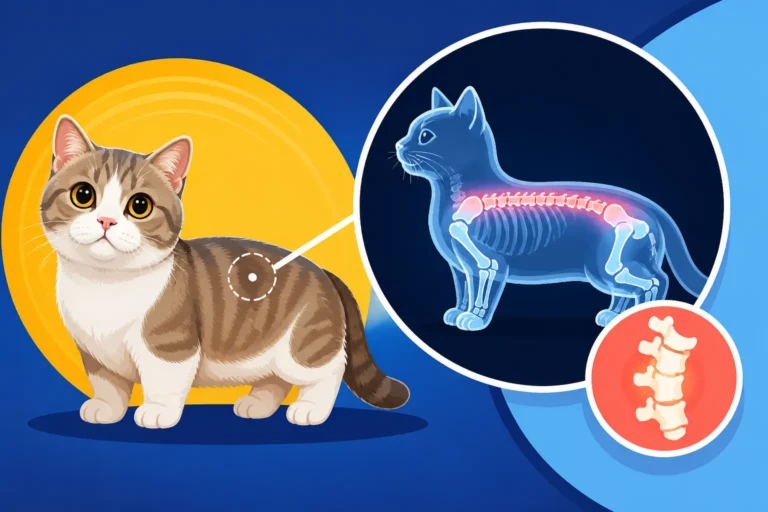
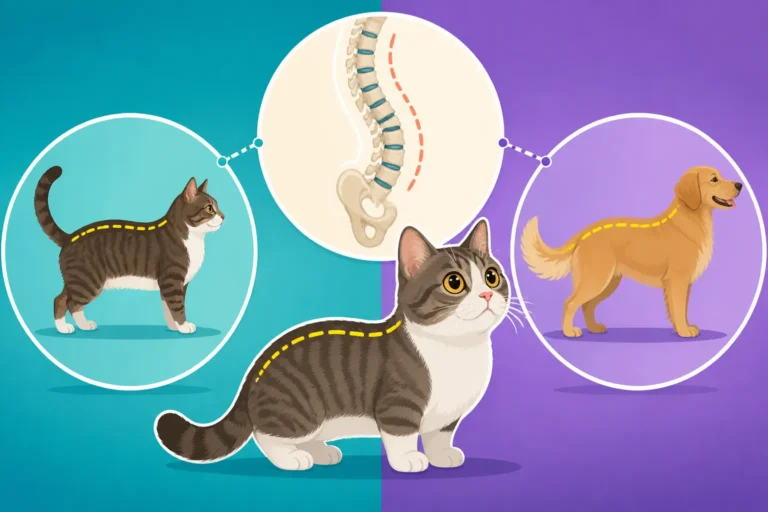
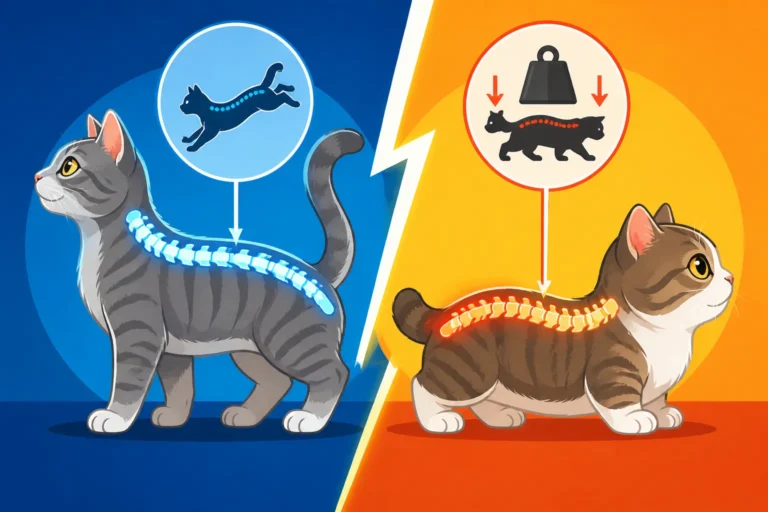
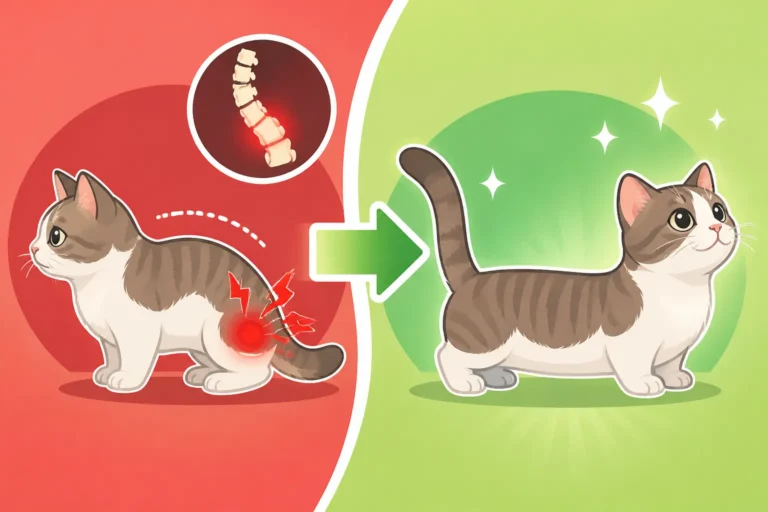
The primary concerns often revolve around the spine and chest. Conditions like lordosis, a severe inward curvature of the spine, and pectus excavatum, a sunken chest, are frequently cited as potential problems. The worry is that the unique spinal structure of a Munchkin, despite its normal length, might be more susceptible to issues because of how its short legs interact with its overall gait and movement. People hear "dwarfism" and often associate it with a host of health problems, not realizing that the specific mutation in Munchkins is quite different from other forms of dwarfism seen in animals or humans. Understanding "Munchkin Dwarfism Is Dominant and Lethal in Two Copies" is key to grasping the genetic underpinnings and why breeders adhere to strict breeding protocols. The discussions around "Lordosis Is the Spinal Curve the Munchkin Argument Is About" and "Pectus Excavatum and the Munchkin's Sunken Chest" are very real for potential owners, and breeders understand these are serious points to address.
The "Designer Breed" Label and Ethical Breeding
Another significant point of contention is the perception of Munchkins as a "designer breed." The term often carries a negative connotation, suggesting that the breed was created solely for aesthetic appeal without due consideration for the animal's health or well-being. This fuels arguments about the ethics of breeding for a mutation that alters natural feline locomotion. Critics might argue that intentionally perpetuating a genetic difference, even if it emerged naturally, is irresponsible if it could lead to potential health compromises.
Many wonder about "Whether Buying a Munchkin Is an Ethical Decision" at all. This perspective often overlooks the extensive work and ethical considerations that go into responsible breeding. It's a natural human tendency to question something that deviates from the "norm," and breeders face the challenge of educating the public about the careful, health-focused approach they take, which is far removed from the casual, irresponsible breeding implied by the "designer" label. For breeders, the Munchkin is not merely an aesthetic choice but a beloved companion with a unique, charming personality that happens to come with short legs.
How Breeders Address Health and Welfare Critiques
Munchkin breeders are acutely aware of these criticisms and have developed comprehensive strategies to ensure the health and welfare of their cats. Their responses are rooted in careful breeding practices, thorough health screenings, and a deep commitment to the longevity and quality of life for each kitten they bring into the world.
Emphasizing the Outcrossing Program
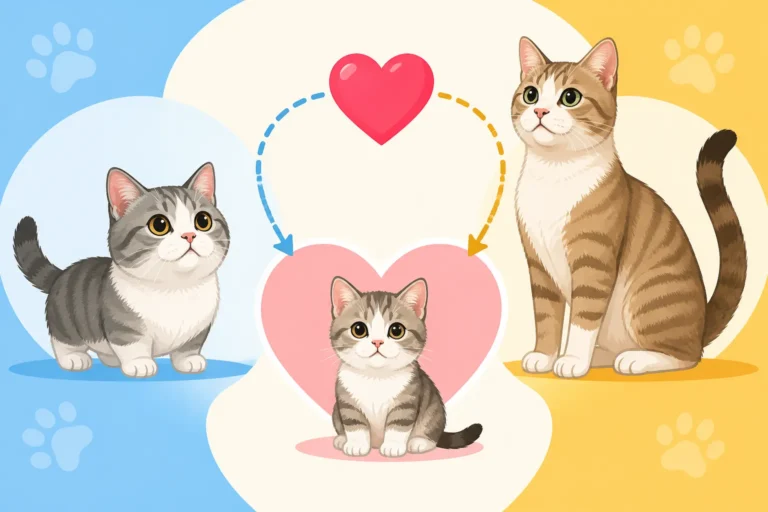
One of the most crucial aspects of ethical Munchkin breeding, and a cornerstone of breeders' defense, is the rigorous outcrossing program. The Munchkin gene is an autosomal dominant trait, meaning only one parent needs to carry the gene for kittens to inherit short legs. However, breeding two short-legged Munchkins together is strictly avoided because two copies of the gene are lethal, resulting in non-viable embryos. This is why a Munchkin is always bred to a normal-legged domestic cat, which is known as an outcross. This practice is detailed in discussions like "Why a Munchkin Is Always Bred to a Normal Legged Cat".
This continuous outcrossing with diverse domestic shorthairs or longhairs (sometimes even specific breeds like Persians or Sphynxes to create hybrid breeds) ensures a wide and healthy gene pool. This genetic diversity is vital; it prevents the accumulation of other genetic diseases that can plague breeds with limited gene pools. Breeders emphasize that "Why Every Munchkin Litter Is a Carrier Cross" means there's always genetic refreshment. The practice of using "Which Domestic Cats Are Used as Munchkin Outcrosses" also ensures that "Why the Munchkin Gene Pool Stays Wide", mitigating many of the inbreeding concerns that might arise in other more closed breeds. This deliberate genetic strategy is a fundamental aspect of responsible Munchkin breeding, aiming to produce healthy, robust cats rather than perpetuating weaknesses.
Selective Breeding for Soundness
Reputable Munchkin breeders don't just focus on leg length; they prioritize overall health and conformation. This means carefully screening breeding stock for any signs of spinal abnormalities, heart conditions, or other genetic predispositions. A good breeder will conduct thorough veterinary checks on their breeding cats and will be transparent about their health records. They can often provide documentation, and they understand that "What a Munchkin Breeder Should Be Able to Show You" is essential for building trust.
They monitor kittens from birth, observing their gait, movement, and overall physical development. Kittens showing any signs of lordosis, pectus excavatum, or other health issues are typically not placed as breeding cats and are often sold with strict spay/neuter contracts, or retained by the breeder to ensure they receive appropriate care. This selective breeding ensures that only the healthiest individuals contribute to the next generation, actively working to minimize the incidence of conformational problems. They are constantly striving for the TICA breed standard, which emphasizes a healthy, active cat, not just short legs.
Pointing to Data and Longevity
Breeders often counter the welfare arguments by highlighting the actual health outcomes and longevity of Munchkin cats. Many argue that, with proper care and responsible breeding, Munchkins live long, active lives, comparable to any other domestic cat. While comprehensive, long-term studies specifically on Munchkin health are still somewhat limited, anecdotal evidence from breeders and owners suggests a lifespan of 12-15 years, which is typical for cats.
When people ask "How Long a Munchkin Lives, " breeders confidently point to numerous healthy, active cats reaching old age. They often explain that specific conditions like lordosis and pectus excavatum are not exclusive to the Munchkin breed and can occur in cats of any breed or mixed lineage. The frequency of these conditions in Munchkins, they argue, is often exaggerated or attributed solely to their short legs, without considering other genetic or environmental factors. They rely on "What the Published Munchkin Health Data Actually Shows" to back their claims, even if that data is still evolving. The goal is to ensure Munchkins enjoy "The Twelve to Fifteen Years a Munchkin Usually Gets" just like any other beloved feline.
Common Welfare Concerns vs. Breeder Responses
| Welfare Concern | Breeder Response |
|---|---|
| Spinal Issues (Lordosis) | Screen breeding stock, outcross program, healthy spine often seen in adults. |
| Pectus Excavatum (Sunken Chest) | Screen breeding stock, not exclusive to Munchkins, healthy chest conformation prioritized. |
| Mobility and Activity Limitations | Normal cat behavior, highly adaptable, agile on the flat, uses ramps/steps. |
| Pain from Short Legs | No evidence of pain in well-bred, well-cared-for Munchkins; active and playful. |
| "Designer Breed" Label / Unethical Breeding | Strict ethical breeding, wide gene pool through outcrossing, focus on health, not just looks. |
| Overall Lifespan Concerns | Longevity comparable to other domestic cats (12-15 years) with proper care. |
Debunking Misconceptions and Highlighting Adaptability
A significant part of the breeder's narrative revolves around correcting misunderstandings about Munchkin behavior and capabilities. They stress that these cats are not fragile or suffering; they are simply built differently and have developed unique ways to navigate their world.
Normal Cat Behavior (with Modifications)
One of the strongest arguments Munchkin breeders make is that these cats are fundamentally "A Munchkin Is a Normal Cat That Cannot Reach" high places, but otherwise display all the typical behaviors and playfulness of any domestic cat. They chase toys, pounce, climb (creatively!), and zoom around the house with surprising speed. Their low center of gravity actually makes them incredibly agile on the flat, allowing them to corner sharply and navigate tight spaces with ease.
While it's true that "Why a Munchkin Cannot Make the Kitchen Counter" in a single leap, breeders show how these cats are incredibly resourceful. They often utilize furniture as a series of steps, turning a sofa into a launching pad for a chair, and then perhaps a bookshelf. It’s all about creating an accessible environment. Breeders will share countless stories and videos demonstrating "How a Munchkin Gets Where It Wants Without Jumping" to high spots, utilizing their environment. They might not be able to jump as high as a long-legged cat, but "How High a Munchkin Can Actually Jump" is often underestimated, especially when they have intermediate steps. This adaptability is a key characteristic that breeders highlight, emphasizing that the cat adapts, and the home adapts to the cat. For example, providing "Ramps and Steps Are Munchkin Equipment, Not Luxuries" ensures they can access all their favorite spots safely.
Addressing the "Pain" Narrative
Perhaps the most emotional objection centers on the idea that Munchkins are inherently in pain due to their short legs. Breeders vehemently dispute this, arguing that a well-bred Munchkin, living in a properly adapted home, shows no signs of chronic pain or discomfort from its physical structure. They point to the cats' energetic play, joyful purrs, and comfortable lounging as evidence of their good quality of life.
The question of "Whether a Munchkin Is in Pain From Its Legs" is often addressed by observing their natural behavior. If a cat were in constant pain, it would likely be lethargic, withdrawn, or vocalize discomfort. Munchkins, by and large, are known for their playful, outgoing, and affectionate personalities. Breeders advocate for regular veterinary check-ups to monitor joint health and address any issues that may arise, just as with any other cat breed. They emphasize that while the potential for joint issues exists, it's manageable and not a given, especially with preventative care.
The Importance of Responsible Ownership
Breeders consistently stress that many perceived challenges or problems associated with Munchkins are not inherent to the breed itself but rather stem from a lack of understanding or responsible care from owners. This includes providing an adapted environment, maintaining a healthy weight, and consistent grooming. They provide extensive guidance, ensuring that every kitten goes to a home where its unique needs will be met.
For instance, they educate owners about "Why Weight Control Is the Whole Munchkin Care Plan". An overweight Munchkin faces much greater strain on its joints and spine due to its short legs, making weight management absolutely critical. Grooming is another point, as some Munchkins might struggle to reach their hindquarters, necessitating owner assistance to prevent matting. They also strongly recommend pet insurance from companies like Healthy Paws, knowing that comprehensive coverage can provide peace of mind and financial support for any unexpected health needs throughout the cat's life. Having a robust plan, perhaps even including a Healthy Paws policy, allows owners to give their Munchkin the best possible care, mitigating potential problems before they escalate.
Breeder's Role in Education and Future Outlook
Munchkin breeders see themselves not just as producers of kittens, but as advocates and educators for the breed. Their active involvement in supporting new owners and fostering positive perceptions is crucial for the breed's future.
Transparency and Buyer Education
Responsible breeders are proactive in educating potential buyers. They don't just sell kittens; they interview prospective owners, ask about their living situations (e.g., stairs, other pets, children), and ensure they understand the commitment involved in owning a Munchkin. They often require signed contracts that outline expectations for care, veterinary visits, and sometimes even clauses about future breeding. This level of transparency helps ensure that Munchkin kittens go to loving, prepared homes.
They are happy to discuss the breed's history, its genetics, and common misconceptions. They provide resources on creating an adapted home, appropriate nutrition, and the importance of regular vet care. This thorough educational process aims to empower owners to provide the best possible life for their Munchkin, thus preventing many of the issues that might lead to welfare concerns in the first place.
Working with Veterinary Professionals
While it's true that some veterinary associations or individual vets express reservations about the Munchkin breed, many breeders work closely with veterinarians who are knowledgeable and supportive of Munchkin cats. These vets provide essential health screenings, genetic counseling, and routine care, helping breeders maintain healthy lines. Breeders value these partnerships as they ensure their cats receive the best medical attention and validate their efforts in responsible breeding.
They often seek out vets who understand the nuances of the Munchkin's anatomy and are open to discussing the breed's specific needs without prejudice. For long-term care, having a pet insurance provider like Healthy Paws can be invaluable, covering anything from routine check-ups to more significant health interventions, giving owners the freedom to make the best medical decisions for their cat without financial strain. Breeders hope that with more understanding and collaboration, the veterinary community will increasingly recognize the efforts of responsible Munchkin breeders.
The Future of the Munchkin Breed
Munchkin breeders are optimistic about the future of their beloved breed. They believe that with continued dedication to responsible breeding practices, stringent health testing, and thorough owner education, the Munchkin will continue to thrive and gain wider acceptance. They envision a future where misconceptions are replaced by accurate information, and the breed is celebrated for its unique charm and wonderful temperament, rather than being unfairly scrutinized.
They advocate for further research into feline pseudoachondroplasia to better understand any long-term effects and to continue improving breeding practices. By being vocal, transparent, and committed to the welfare of their cats, Munchkin breeders aim to secure a positive and healthy future for the breed. For owners, having comprehensive pet insurance, such as a plan from Healthy Paws, offers a strong safety net, ensuring that they can always provide the highest level of care, supporting the breed's future through responsible ownership and health management.
Disclaimer
Please remember that this article is intended for informational purposes only and should not replace professional veterinary advice. Always consult with a qualified veterinarian regarding your pet's health and specific needs.