Why Earlier Munchkin Type Cats Died Out
It’s easy to look at a charming Munchkin cat today and think of them as a truly modern phenomenon, a relatively new breed that captured hearts only in recent decades. But the truth is, short-legged cats have popped up throughout history, long before the first recorded Munchkin in Louisiana. The real mystery isn't if they existed, but why these earlier appearances never led to established breeds, and why, for centuries, these unique felines seemed to just… disappear. This guide dives into the fascinating historical whispers of short-legged cats and explores the compelling reasons they didn't thrive and proliferate like their modern counterparts.
The Historical Glimpses of Short-Legged Cats
When we talk about Munchkin-type cats, we're referring to felines with significantly shortened limbs due to a genetic mutation, often called pseudoachondroplasia. While the modern Munchkin breed traces its roots back to a cat found in Louisiana in 1983, history offers tantalizing hints that this particular genetic quirk has surfaced independently in various parts of the world, long before "Munchkin" became a household name. These historical accounts are often sparse and anecdotal, yet they paint a picture of these distinctive cats appearing and then fading from view.
The British Records of the 1940s
One of the most compelling pieces of historical evidence comes from Great Britain. Imagine, for a moment, wartime Britain, a time when detailed records of unique cat populations weren't exactly at the forefront of public attention. Yet, in 1944, a veterinary report surfaced, authored by Dr. H.E. Williams-Jones, describing four generations of a short-legged cat colony. This wasn't just a single odd cat; this was a small, established group, observed and documented by a professional. What Britain Recorded in 1944 That Resembled a Munchkin paints a clearer picture of these fascinating felines. These cats were said to be quite healthy, showing no signs of spinal issues or mobility problems that some critics associate with the modern Munchkin. They were, in essence, thriving within their small family unit. However, with the onset of World War II and the general turmoil of the era, the colony sadly vanished. The priorities of the time simply weren't conducive to preserving a unique cat mutation, and without a dedicated effort to document and breed them, they were lost to history. It's a poignant reminder of how fragile such unique traits can be without human intervention.
Accounts from Wartime Russia
Across Europe, whispers of similar short-legged cats also emerged from Russia, particularly during and after World War II. These accounts, much like the British ones, are often anecdotal and less formally documented, but they tell a consistent story: cats with unusually short legs living among the general feline population. Whether Wartime Russia Had Munchkin Type Cats provides more detail on these intriguing historical mentions. It's not hard to imagine how such cats might have caught the eye in a landscape where resources were scarce and survival was paramount. Perhaps their unique gait or appearance made them stand out, even if their short legs didn't necessarily provide a survival advantage in the harsh conditions. However, much like their British counterparts, these populations never garnered the attention or intentional breeding efforts required to establish them as a distinct line. Without the focused efforts of breeders or scientific study, these short-legged cats likely interbred with the general cat population, and their distinctive traits were simply diluted and eventually disappeared within the larger gene pool, or they succumbed to the everyday challenges of survival without human protection.
Understanding the Genetic Lottery of Dwarfism
To understand why these earlier short-legged cats died out, it’s crucial to grasp the underlying genetics. The short-leg trait in Munchkins isn't a fluke; it's the result of a specific genetic mutation. This mutation, while charming to us, carries inherent complexities that, without careful management, would naturally limit the long-term viability of such a population in the wild or even in unmanaged domestic settings.
The Dominant Gene and Homozygous Lethality
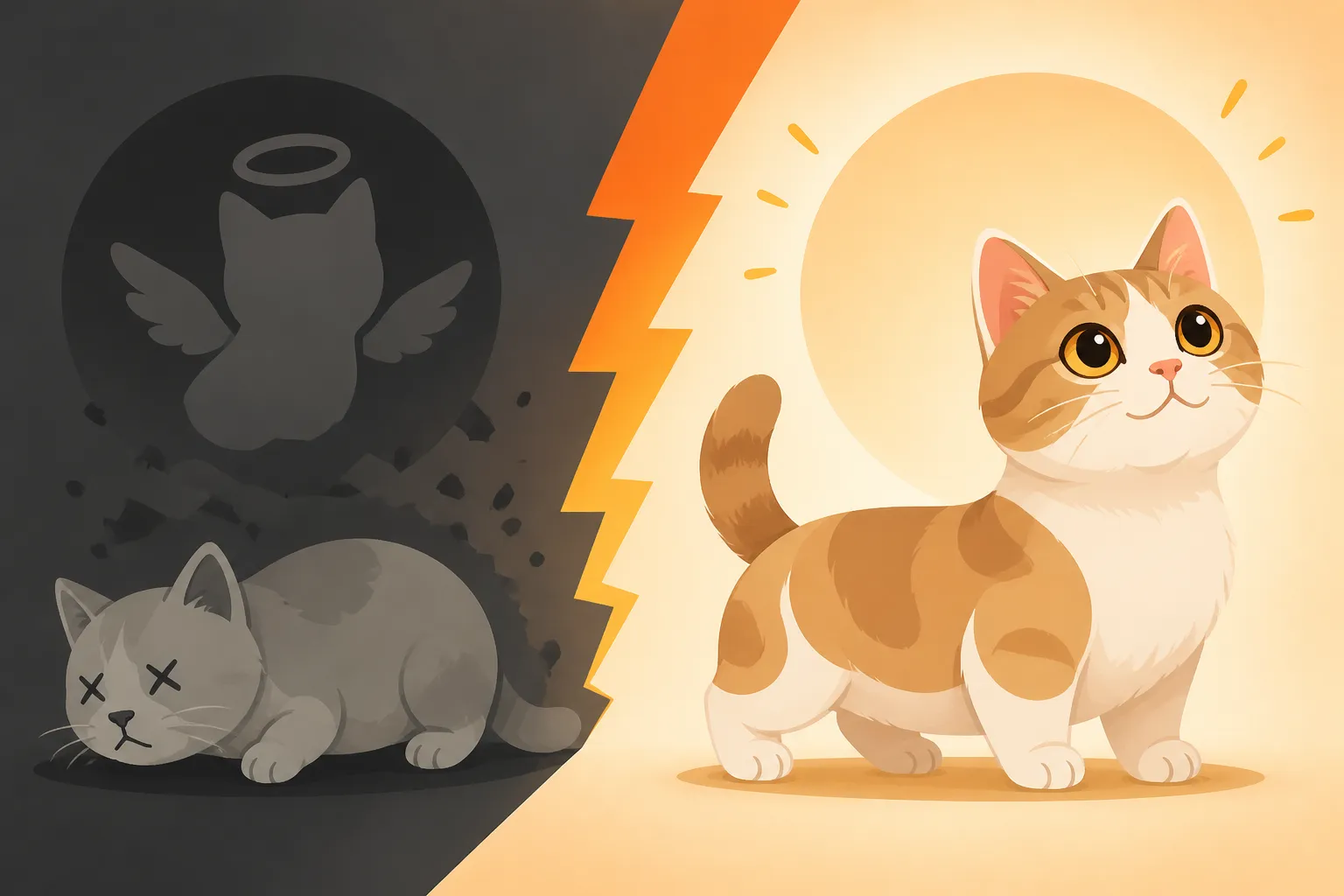
The gene responsible for the Munchkin's short legs is known as an autosomal dominant gene. This means that a cat only needs to inherit one copy of this gene from one parent to exhibit the short-legged trait. If a cat inherits two copies of this gene – one from each parent – the outcome is tragically different. Why Munchkin Dwarfism Is Called Autosomal Dominant explains this in more detail. In such cases, the embryos are typically non-viable and are reabsorbed early in the mother's pregnancy. This phenomenon is known as homozygous lethality. What Two Copies of the Munchkin Gene Do and Why Homozygous Munchkin Kittens Are Never Born delve into the stark reality of this genetic lottery. This lethal aspect is a critical factor. In any natural population where two short-legged cats happened to mate, a significant portion of their potential offspring would simply not survive gestation. This constant loss of embryos would naturally limit the number of short-legged offspring produced and put a strain on the reproductive capacity of the breeding pair, making it much harder for a self-sustaining population of only short-legged cats to emerge.
Think about it: if every time two short-legged cats reproduced, a quarter of their embryos didn't make it, that's a considerable biological barrier to exponential growth. In an unmanaged setting, where cats might mate freely, this lethal gene expression would consistently prune the population, preventing an overwhelming number of short-legged cats from being born and potentially reducing the overall reproductive success of such a population.
Spontaneous Mutation and Natural Selection
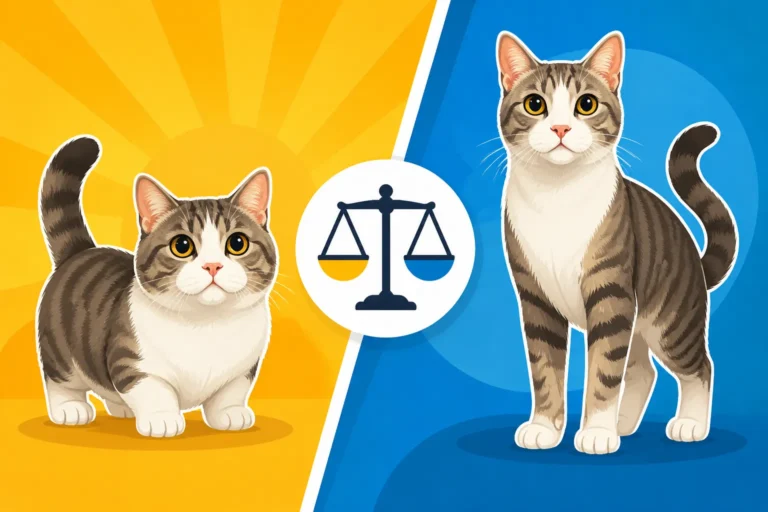
The short-leg mutation doesn't just appear out of nowhere; it arises spontaneously within the general cat population. It’s a random genetic event that can happen in any cat, at any time. If a short-legged cat is born from such a mutation, and it survives, it can then pass that gene on. However, natural selection, the driving force of evolution, isn't always kind to unique traits. In an environment where a cat needs to hunt, escape predators, climb to safety, or navigate complex terrains, unusually short legs might not be an advantage.
Consider a stray cat trying to survive in a challenging urban or rural environment. A cat with normal leg length can easily leap onto a fence to escape a dog, scale a tree to avoid danger, or jump onto a high shelf to forage for food. A short-legged cat, while incredibly agile on the ground and surprisingly fast on the flat, would struggle with these vertical challenges. Whether a Munchkin Should Never Be Let Outdoors highlights the specific dangers Munchkins face in an outdoor setting. The lack of height means they can't easily reach high vantage points for safety or hunting. This would make them more vulnerable to predators, accidents, and even starvation if food sources were elevated. Without the protective care and adapted environments provided by humans, these cats would simply be at a disadvantage in the struggle for survival, making it difficult for the trait to become widespread or for a concentrated population to flourish. Their limited reach, as one might find when browsing supplies for a Munchkin on sites like Chewy, would certainly pose problems in finding food or escape routes.
The Challenges Faced by Undocumented Short-Legged Cats
Beyond genetics and natural selection, there were practical and societal reasons why earlier short-legged cat populations failed to establish themselves. The context of their appearance, or rather, the lack of intentional human involvement, played a huge role in their ultimate disappearance.
Lack of Intentional Breeding Programs
The modern Munchkin breed exists today because people actively decided to preserve and breed these cats. The Munchkin Started Under a Truck in Louisiana in 1983 recounts the discovery of Blackberry, the foundational queen. When Sandra Hochenedel found Blackberry, a short-legged stray, she took her in and eventually discovered that Blackberry's kittens also exhibited the trait. This led to a conscious decision to foster and then develop the line, which soon included another key cat, Toulouse. Blackberry and Toulouse Are the Two Cats Behind Every Munchkin details their pivotal roles. This kind of intentional, sustained breeding effort simply didn't exist for the earlier short-legged cats.
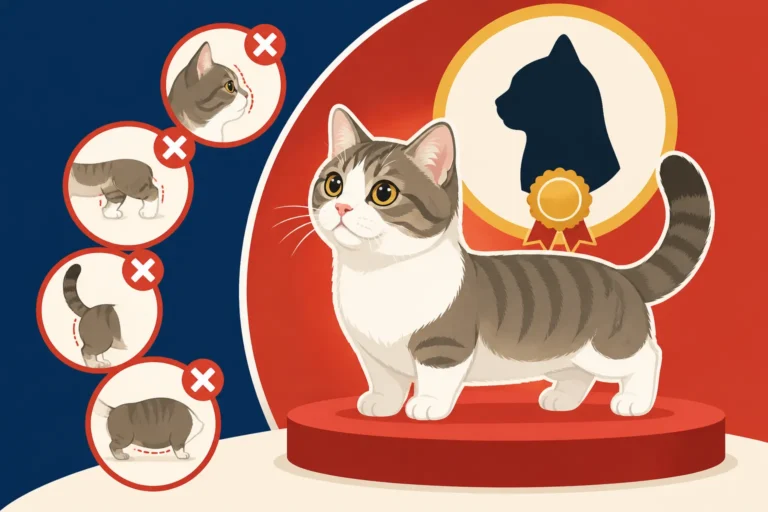
In the 1940s, both in Britain and Russia, the unique leg length was likely seen as a curiosity, perhaps even a disadvantage, rather than a desirable trait to be nurtured. There were no cat registries accepting such a breed, no formal standards, and no community of enthusiasts dedicated to its propagation. Without breeders actively identifying, selecting, and mating these cats to ensure the continuity of the short-leg gene, the trait would have been quickly diluted within the larger, long-legged cat population. Each short-legged cat would have, by chance, bred with a normal-legged cat, and while half their offspring might inherit the short-leg gene, without further selection, that proportion would dwindle over generations. This lack of a deliberate preservation strategy was arguably the single biggest reason why these early populations faded away.
Environmental Vulnerabilities
A domestic cat’s environment, whether it's a cozy home or a harsh street, profoundly impacts its survival. For a short-legged cat, certain environments present unique challenges that normal-legged cats navigate with ease. We touched on natural predation, but consider also the myriad of daily obstacles in a human-dominated world.
Imagine a cat trying to cross a busy road. A long-legged cat can often make a quick dash, darting between cars or leaping over low obstacles. A short-legged cat, while quick on the flat, might struggle to clear even a small curb or might simply be slower to react to fast-moving dangers if it can't quickly ascend to safety. They are inherently more vulnerable on the ground. Think about how difficult it would be to access safe, elevated resting spots – an essential survival strategy for many cats, even strays. For these earlier cats, living in unadapted human environments or fending for themselves outdoors, the world was quite literally built for taller creatures. This consistent environmental pressure, day in and day out, would lead to higher mortality rates for short-legged cats, preventing their numbers from growing significantly enough to become a noticeable, self-sustaining population. Ensuring a safe, enriched environment with easy access to essentials, perhaps with ramps for climbing, is paramount for modern Munchkins, and this would have been absent for their historical predecessors. Even simple needs like a low-entry litter box, which you can find on Chewy, would have been an unimaginable luxury.
Health Perceptions and Veterinary Understanding
Finally, the way these cats were perceived and the level of veterinary understanding at the time played a significant role. In the mid-20th century, veterinary science, while advancing, was not as sophisticated as it is today. Genetic conditions were often poorly understood, and mutations leading to physical differences might have been viewed with suspicion or simply as a "deformity" rather than a unique, inheritable trait.
Without proper veterinary assessment, any health issues that might have been associated with the short-leg gene (like potential spinal issues, though scientific consensus varies on the Munchkin, as discussed in Why the Frequency of Munchkin Spinal Problems Is Disputed) could have been misattributed or simply left untreated. If a short-legged cat experienced any mobility challenges, even minor ones, it might have been euthanized or simply not allowed to reproduce, further cutting short any potential lineage. The understanding that the Munchkin's short legs are a form of pseudoachondroplasia, and that, when responsibly bred, they are generally healthy and playful, is a relatively modern insight. Earlier societies, lacking this knowledge, would have been less inclined to preserve a cat that simply looked "different" or might have been perceived as fragile. The ethical debates surrounding the modern Munchkin, explored in Why the Munchkin Divides the Cat Fancy More Than Any Breed, are a product of modern veterinary and genetic understanding, which simply didn't exist in earlier eras.
The Dawn of the Modern Munchkin Era
It's clear that historical short-legged cats faced a gauntlet of challenges that prevented them from becoming established breeds. Their eventual demise wasn't due to inherent fragility of the trait itself, but rather a combination of genetic realities, environmental pressures, and crucially, the lack of intentional human stewardship.
The Louisiana Origin and Deliberate Preservation
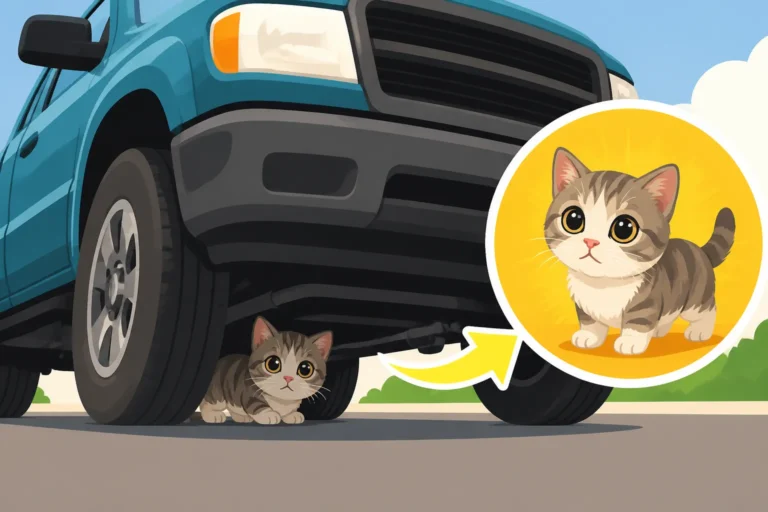
The story of the modern Munchkin cat truly begins in Rayville, Louisiana, in 1983. A music teacher named Sandra Hochenedel found two pregnant stray cats under a truck, one of which was a short-legged black cat she named Blackberry. When Blackberry had her kittens, about half of them were short-legged, just like her. This wasn't a random occurrence; it was the re-emergence of that autosomal dominant gene in a setting where it would finally be recognized and nurtured. Hochenedel gave one of Blackberry's short-legged male offspring, Toulouse, to a friend, Kay LaFrance, and it was from these two cats – Blackberry and Toulouse – that every single modern Munchkin can trace its lineage. This was the turning point: a conscious decision was made to not just observe these cats but to actively preserve and breed them. The Munchkin Started Under a Truck in Louisiana in 1983 and Blackberry and Toulouse Are the Two Cats Behind Every Munchkin lay out the fascinating details of this foundation. This deliberate act of preservation was the stark contrast to the accidental appearances of short-legged cats in previous centuries.
The Role of Cat Fancies and Registry Acceptance
Once the short-leg trait was being intentionally bred, the next hurdle was gaining acceptance within the wider cat fancy world. The International Cat Association (TICA) became the champion of the Munchkin, accepting it into its new breed development program in 1994. This decision, however, was not without controversy. Some judges and traditionalists strongly objected, raising concerns about potential health issues related to the short legs, leading to a significant debate that continues in some circles to this day. TICA Took the Munchkin In and a Judge Resigned Over It offers insight into the contentious early days.
Despite the opposition, TICA eventually granted the Munchkin championship status, allowing them to compete in shows. This recognition was monumental. It legitimized the breed, provided a standard for breeders to follow, and created a framework for responsible breeding practices, including the crucial understanding of why Why Two Short Legged Munchkins Are Never Bred Together is vital to avoid homozygous lethal outcomes. The commitment to outcrossing with normal-legged domestic cats, ensuring a wide gene pool and maintaining genetic diversity, was also a key factor in the breed's successful establishment. Why the Munchkin Gene Pool Stays Wide explains the importance of this practice. Without the dedication of these early breeders and the ultimate support of TICA, the modern Munchkin might have met the same fate as its historical predecessors, simply fading back into obscurity.
| Factor | Earlier Short-Legged Cats | Modern Munchkin Cats |
|---|---|---|
| Discovery | Accidental sightings | Deliberate identification & rescue |
| Genetic Understanding | Unknown or misunderstood | Well-understood (autosomal dominant) |
| Breeding Strategy | None; random mating | Intentional, selective breeding |
| Registry Recognition | None | TICA accepted and champions |
| Environmental Adaptation | Unadapted, harsh environments | Human-adapted, safe homes |
| Veterinary Support | Limited/non-existent | Modern veterinary care & research |
| Community Support | None | Dedicated breeders and enthusiasts |
| Long-term Viability | Low; died out | Established breed with global presence |
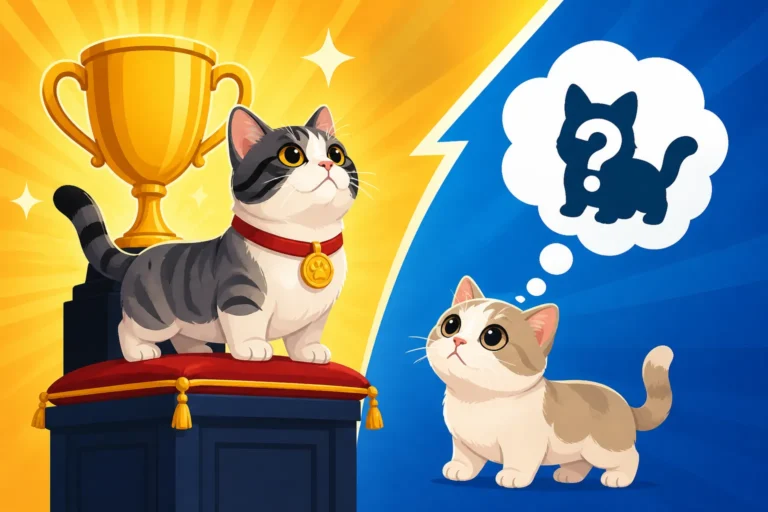
Ultimately, the reason earlier Munchkin-type cats died out is a complex tapestry woven from biology, environment, and human choice. The short-leg gene, while captivating, requires a supportive environment and conscious preservation to thrive. Without the intentional actions of dedicated individuals and the structured backing of cat organizations, these charming, distinctive felines were simply not able to overcome the odds against them, proving that sometimes, even the most unique genetic traits need a little human help to secure their place in history.
Disclaimer
This article is for general informational purposes only and does not constitute professional advice. Laws, prices and regulations vary by location and change over time. Consult a qualified professional for guidance on your specific situation.