How to Feel a Munchkin’s Ribs
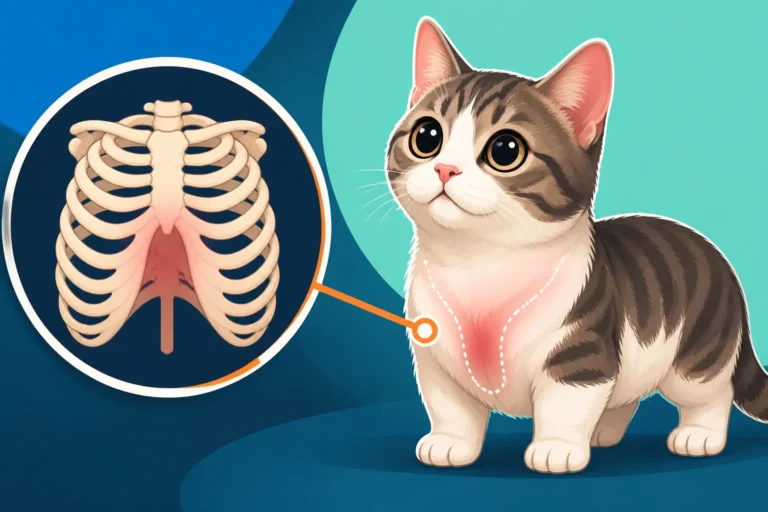
It’s a common worry for Munchkin cat parents: how do you tell if your little one is at a healthy weight when their unique build can make them look a bit different from other cats? You might gaze at your Munchkin, whose adorable short legs give them a low-slung, almost perpetually round appearance, and wonder if that plump look is just their natural charm or if there’s a little too much cushion for the pushin’. This guide is all about helping you confidently assess your Munchkin’s body condition, focusing on the crucial skill of feeling their ribs, so you can ensure they're thriving.
The Unique Challenge of Assessing a Munchkin's Body Condition
When you look at a Munchkin cat, their distinctive short legs immediately set them apart. This isn't just an aesthetic difference; it fundamentally changes how their body carriage appears, and subsequently, how we need to assess their overall body condition. It’s not always as straightforward as looking at a long-legged cat and seeing a clear waistline or prominent ribs.
Why Visual Cues Can Be Misleading
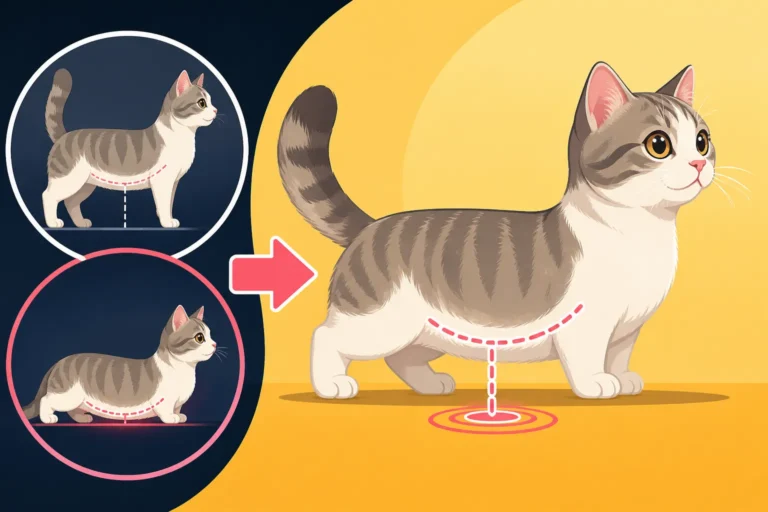
Munchkin cats possess a body type that, while proportionate in length, sits much closer to the ground due to their pseudoachondroplasia. This means their torso, which is the length of a regular cat's, is suspended on those adorable short limbs. This low stature often creates an optical illusion, making them appear more stout or round than they actually are. It’s like looking at a corgi versus a greyhound; both can be healthy, but their inherent body shapes are entirely different. This is why you might often hear that "Why a Munchkin's Belly Nearly Touches the Floor;" isn't necessarily a sign of obesity, but rather a characteristic of their build, especially when they're standing.
Furthermore, a Munchkin's natural stance and their typical "ferret-like" gait can contribute to this perception. They don't stretch and arch their backs in the same way a taller cat might, which can make it harder to visually discern a tucked-up abdomen. It's truly a case where what you see isn't always what you get, and relying solely on your eyes can lead to misjudgments. That seemingly round appearance might just be their compact structure, which is why "Why a Munchkin Looks Round Even When Lean;" is a genuine point of confusion for many owners. You might be convinced they're a little chunky, when in fact, they're perfectly svelte under all that fur.
The Hidden Risks of Excess Weight for Munchkins
While a little extra fluff might seem endearing on any cat, for a Munchkin, carrying even a small amount of unnecessary weight can have significantly more severe consequences. Their short limbs and unique spinal structure mean that every extra gram of weight places additional strain on their joints and spine, which are already working harder to support their normal-length torso. Imagine trying to carry a heavy backpack when you have shorter-than-average legs – every step becomes more laborious and taxing on your frame.
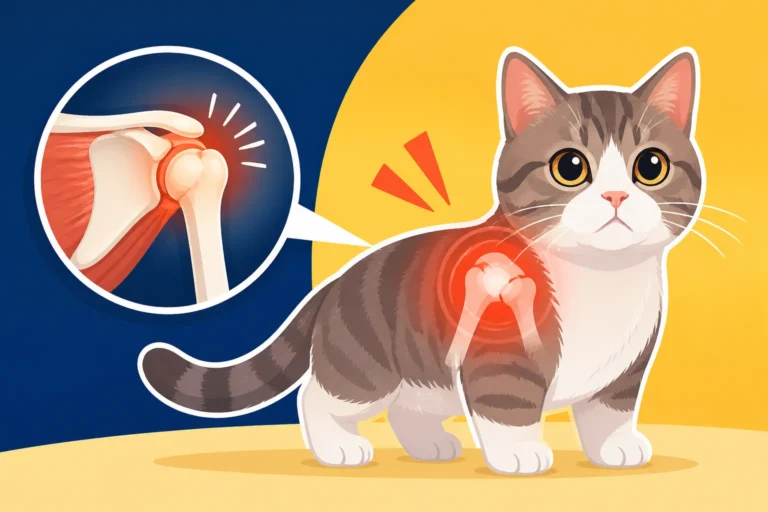
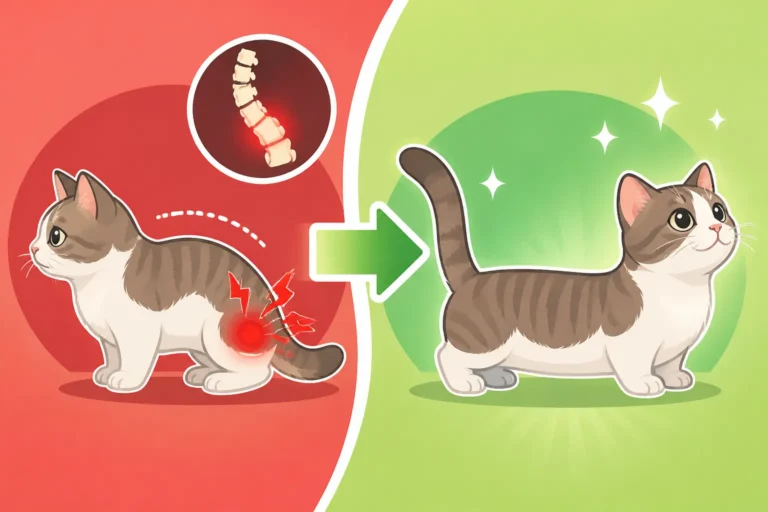
This increased burden can accelerate the onset of conditions like arthritis, particularly in their shoulders, elbows, and hips, areas that bear the brunt of their movement and landings. Early arthritis can lead to pain, reduced mobility, and a diminished quality of life. Moreover, excessive weight can exacerbate potential spinal issues that some Munchkins may be predisposed to, such as lordosis, a curvature of the spine. When they're heavier, the compression on their vertebrae increases, potentially worsening any existing condition or contributing to new ones. This is precisely "Why Weight Is More Dangerous on a Munchkin;" compared to a typical cat, making vigilant weight management not just good practice, but an absolute necessity for their long-term health and comfort.
Mastering the Palpation Technique: A Step-by-Step Guide to Feeling Ribs
Since visual assessment can be tricky, the most reliable way to gauge your Munchkin's body condition is through palpation – that is, gently feeling their body with your hands. This hands-on approach allows you to feel what's truly under the fur and get an accurate sense of their body fat and muscle mass.
Creating a Calm Environment for Examination
Before you start poking and prodding, it's essential to set the stage for a positive experience. Cats, especially those not used to being handled in certain ways, can be particular. Choose a quiet time when your Munchkin is relaxed, perhaps after a nap or during a petting session. A calm environment means less stress for both of you and a more accurate assessment.
Start by petting your Munchkin gently, reassuring them with soft words and slow movements. You might want to do this on a comfortable surface like a soft blanket on your lap, a sofa, or a carpeted floor – anywhere they feel safe and secure. Offering a favorite treat or a few minutes of play beforehand can also help associate this activity with something positive. The goal is to make this a regular, non-threatening part of your interaction, not a wrestling match. If your Munchkin is particularly antsy, try it in short bursts over a few days, gradually increasing the duration as they get more accustomed to it.
Locating and Palpating the Ribs
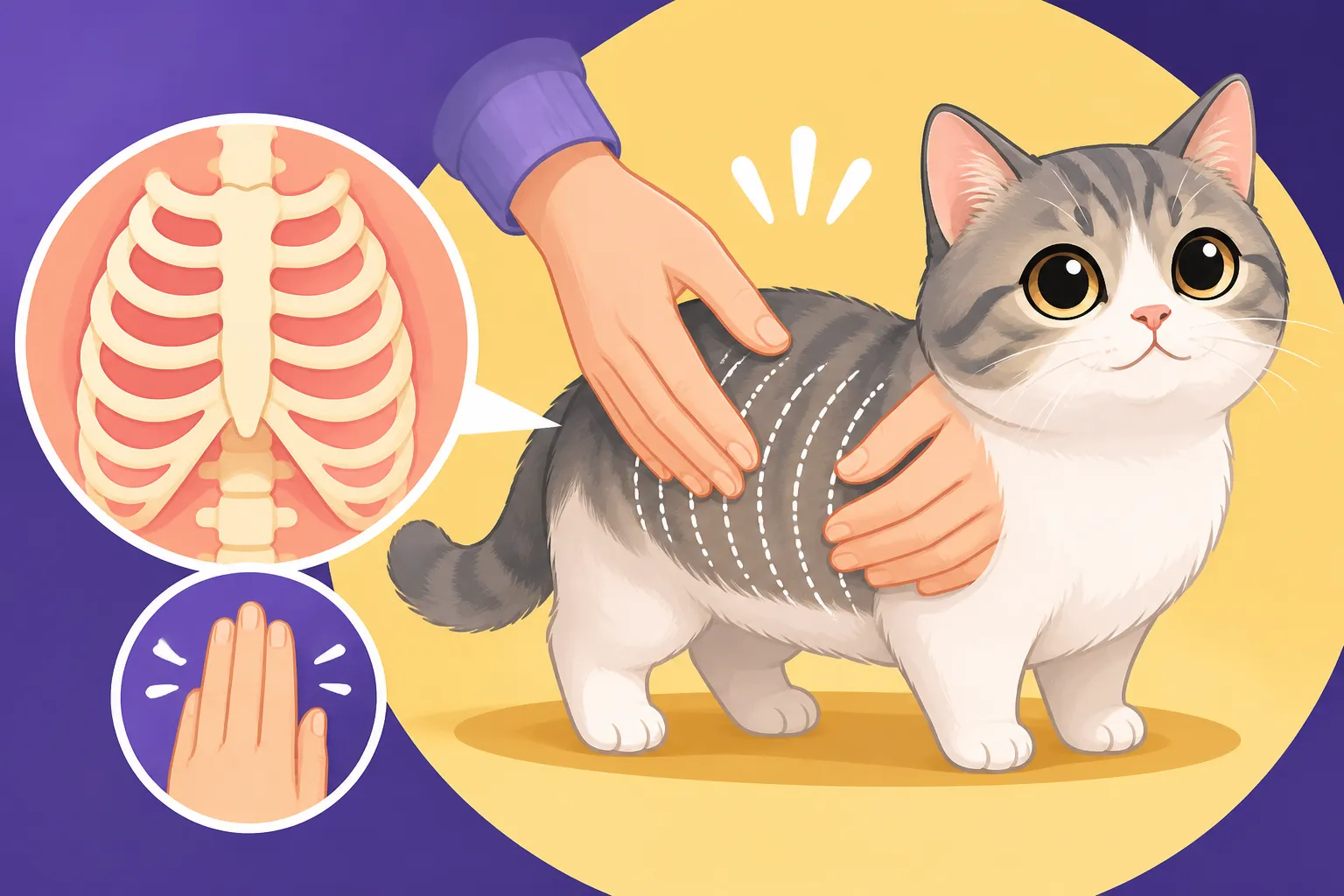
Once your Munchkin is relaxed, you can begin the actual palpation. The key here is gentle but firm pressure. You're not trying to hurt them, but you need to feel through their fur and skin to assess the underlying bone structure and fat layer.
- Position Your Hands: Place both of your hands on either side of your Munchkin's chest, just behind their front legs. Your thumbs should rest on their back, and your fingers should extend downwards along their rib cage.
- Apply Gentle Pressure: Using the flats of your fingers, gently run them along their sides, moving from behind the shoulders towards their waist. You should be able to feel the individual ribs underneath your fingertips.
- Assess the Feel:
- Ideal Body Condition: In a cat with an ideal body condition, you should be able to easily feel their ribs without having to press hard, almost like feeling the knuckles on your hand. There should be a slight, thin layer of fat covering them, but each rib should be distinct.
- Overweight: If your Munchkin is overweight, you'll find it much harder to feel the ribs. You might have to press quite firmly to distinguish them, or they might feel like a smooth, continuous surface under a thicker layer of padding.
- Underweight: If your Munchkin is underweight, their ribs will feel very prominent and sharp, with little to no fat covering. This might feel like the back of your hand, where the bones are easily felt.
Remember to be consistent with the pressure you apply each time you check. This will help you track changes more accurately over time. If they seem uncomfortable or tense up, take a break and try again later. Positive reinforcement with treats and praise during the process can also make a big difference.
Expanding Your Assessment: Spine and Waistline
Feeling the ribs is a fantastic start, but a complete body condition assessment involves checking a few other crucial areas to get the full picture. These include the spine and the waistline, both of which provide additional clues about your Munchkin's overall fat distribution.
- Assessing the Spine: With your Munchkin still relaxed, gently run your thumb and forefinger along their spine, from the base of their neck down towards their tail.
- Ideal Body Condition: You should be able to feel the individual bumps of their vertebrae without them feeling sharp or overly prominent. There should be a light covering of muscle and fat.
- Overweight: If they are overweight, the spinal bumps will be difficult to feel, hidden under a thick layer of fat. The top of their back might feel broad and flat.
- Underweight: If they are underweight, the vertebral prominences will be very distinct and sharp, with little to no cushioning.
- Checking the Waistline: After checking the ribs and spine, move your hands to their sides and gently cup them behind their rib cage, where their waist would typically be.
- Ideal Body Condition: When viewed from above, an ideal Munchkin might not have as dramatic a "tuck" as a long-legged cat, but you should still feel a gentle indentation behind the ribs. When palpating, you should be able to feel their abdomen tucking up slightly, rather than bulging out.
- Overweight: An overweight Munchkin will have no discernible waistline. Their body might appear like a continuous cylinder from ribs to hips, and you won't feel any tuck.
- Underweight: An underweight cat will have a very pronounced waistline, both visually and to the touch, with a sharp tuck-up of the abdomen.
Combining these observations – feeling the ribs, spine, and waistline – will give you a much more accurate understanding of your Munchkin's body condition. This holistic approach is key to something like "How to Score a Munchkin's Body Condition;" effectively and consistently over time, ensuring you catch any changes early.
Understanding What You Feel: Interpreting Body Condition Scores
Once you've gotten a good feel for your Munchkin's ribs, spine, and waistline, the next step is to translate those sensations into a standardized body condition score (BCS). This is a tool used by veterinarians worldwide to objectively assess an animal's fat reserves, typically on a 1-5 or 1-9 scale. Understanding where your cat falls on this scale is vital for their health.
Decoding the Body Condition Scoring Chart
Most commonly, a 5-point scale is used for cats, where 1 is emaciated, 5 is obese, and 3 is ideal. Some clinics prefer a 9-point scale for more granularity, with 5 being ideal. Let's break down what each general category means when you combine your visual assessment with palpation:
| Score (5-point) | Score (9-point) | Visual Assessment | Palpation Assessment (Ribs, Spine, Waist) | Implications |
|---|---|---|---|---|
| 1 (Emaciated) | 1-2 | Extreme hourglass shape from above, severe abdominal tuck, visible ribs, spine, and pelvic bones with no fat or muscle covering. Sunken eyes. | Ribs, spine, and pelvic bones are easily visible and very prominent to the touch, sharp and distinct with no soft tissue covering. No palpable fat. | Severe malnutrition, serious underlying illness. Immediate veterinary intervention required. |
| 2 (Thin) | 3-4 | Ribs easily visible, spine and pelvic bones easily palpable. Clear abdominal tuck. Limited muscle mass. | Ribs easily palpable with minimal fat covering, feeling like knuckles. Spine and pelvic bones are prominent with minimal soft tissue. Waist is obvious. | Underweight. May indicate insufficient food intake, increased metabolism, or developing health issue. Consult vet for dietary and health evaluation. |
| 3 (Ideal) | 5 | Well-proportioned body. Ribs not visible but easily palpable with slight fat covering. Smooth waistline (may be subtle on Munchkins). | Ribs are easily palpable with a slight, thin layer of fat, feeling like the back of your hand. Spine is smooth, slight waist tuck (subtle in Munchkins). A lean, muscular feel. | Healthy weight. Maintain current diet and exercise. Ideal for long-term health. |
| 4 (Overweight) | 6-7 | Ribs difficult to feel due to moderate fat. Broad back, noticeable rounding of the abdomen. Waistline poorly defined or absent. | Ribs are palpable but require moderate pressure due to a thick layer of fat. Spine is hard to distinguish. Waistline absent or very subtle. Abdomen may feel rounded. | Overweight. Increased risk of health problems. Consider consulting vet for diet and exercise adjustment. |
| 5 (Obese) | 8-9 | Ribs not palpable. Massive fat deposits on chest, spine, and tail base. Pronounced abdominal distension and sagging. No waistline. | Ribs are very difficult or impossible to feel due to heavy fat. Spine and pelvic bones are deeply buried. Abdomen is very round and distended. Significant fat deposits elsewhere. | Obese. High risk of serious health issues (diabetes, arthritis, heart disease). Urgent veterinary intervention, strict diet, and exercise plan crucial. |
Your goal is to keep your Munchkin as close to a BCS of 3 (or 5 on a 9-point scale) as possible. This is the sweet spot for maximizing their health and longevity.
Recognizing the Signs of Underweight or Overweight
Beyond the numbers, it's important to recognize what specific physical sensations indicate that your Munchkin might be deviating from a healthy weight.
If your Munchkin feels underweight: You'll notice their ribs feel distinct, sharp, and almost bony with very little padding. Their spine will also be clearly defined, with individual vertebrae easily felt, possibly even seen as small bumps under their fur. You might notice their hip bones are also quite prominent. This lack of fat and muscle covering can be a sign of insufficient caloric intake, a very high metabolism, or more concerningly, an underlying health issue such as hyperthyroidism, dental pain preventing eating, or digestive problems. It’s a red flag that warrants immediate veterinary attention to rule out any medical conditions and establish a plan for healthy weight gain.
On the other hand, if your Munchkin feels overweight: You'll find yourself pressing quite a bit harder to feel their ribs, and even then, they might feel indistinct, like trying to find bones under a plush blanket. Their spine will be a smooth, broad surface, making individual vertebrae difficult to detect. Their waistline, which might already be subtle due to their build, will be completely absent, creating a more barrel-shaped appearance. You might also notice fat pads developing over their hips and at the base of their tail. This excess weight isn't just cosmetic; it significantly increases their risk of developing serious health problems. These can include diabetes, heart disease, respiratory issues, and, most importantly for Munchkins, exacerbated joint problems and spinal discomfort due to the extra load on their unique skeletal structure. Catching this early allows for timely intervention, such as dietary adjustments and increased appropriate exercise.
Proactive Care: Using Your Findings for Optimal Munchkin Health
Identifying your Munchkin's current body condition score is just the first step. The real value lies in using this information to make informed decisions about their care, ensuring they live a long, comfortable, and happy life. Proactive measures, from consulting your vet to adapting their environment, are crucial.
When to Seek Professional Veterinary Advice
It's absolutely paramount to bring your Munchkin in for a professional check-up if you have any concerns about their weight, whether they appear underweight or overweight. Your veterinarian has the expertise to accurately assess their body condition, feel for underlying issues, and recommend a tailored plan. During an examination, your vet won't just palpate the ribs; they'll also observe their gait and mobility, which is important for understanding how their weight is impacting their movement. This is a standard part of "Why a Munchkin's Annual Visit Includes Its Gait;" as any changes can signal discomfort.
If your Munchkin is overweight, your vet can help create a safe and effective weight loss program. Crash dieting can be dangerous for cats, leading to a serious liver condition called hepatic lipidosis, so a gradual, vet-supervised approach is key. They might recommend specific prescription weight-loss diets or simply advise on portion control and appropriate calorie intake for your cat's activity level. If your Munchkin is underweight, your vet will perform diagnostic tests to uncover any underlying medical conditions, such as parasites, kidney disease, or hyperthyroidism, that might be causing the weight loss. Once a cause is identified, they can recommend a treatment plan and a high-calorie, nutritious diet to help them regain a healthy weight.
It’s also wise to consider pet insurance from reputable providers like Healthy Paws. Many comprehensive plans can help cover the costs of diagnostic tests, veterinary consultations, and ongoing treatments for weight-related health issues, giving you peace of mind that you can always provide the best care without financial strain.
Tailoring Diet and Exercise for a Healthy Weight
Once you have a clear picture of your Munchkin's body condition and any veterinary recommendations, it's time to adjust their diet and exercise routine. For Munchkins, this isn't just about general cat care; it requires breed-specific considerations due to their unique physical structure.
Dietary Adjustments:
- Precision Portioning: Free-feeding (leaving food out all day) is often a recipe for weight gain, especially in a breed that burns fewer calories with its limited mobility. Instead, measure out precise portions for each meal according to your vet's guidance or the food manufacturer's recommendations for their ideal weight. Investing in a digital kitchen scale for food measurement can make a huge difference.
- High-Quality Protein: Ensure their diet is rich in high-quality protein to support lean muscle mass. This is crucial for maintaining strength in their legs and back.
- Limited Treats: Treats are often calorie-dense. If you use them, make sure they are included in their daily calorie count or opt for low-calorie alternatives.
- Joint Support: Consider discussing joint-supporting supplements with your vet, such as glucosamine and chondroitin, which can be beneficial regardless of weight, but particularly for Munchkins as they age.
Exercise Adaptations:
- Floor-Level Play: Munchkins are playful and energetic, but their exercise needs to be adapted. Focus on interactive play that keeps them moving on the floor rather than encouraging high jumps, which can put strain on their spine and joints. Use wand toys, laser pointers, and rolling toys to engage them.
- Ramps and Steps: Provide ramps or pet steps to allow them safe access to favorite elevated spots like sofas and beds. This encourages movement and reduces the impact of jumping down, which is often harder on their joints than jumping up.
- Mental Stimulation: Puzzle feeders can encourage physical and mental engagement, making them "work" for their food, which helps burn calories.
It’s vital to understand "How Much Weight a Munchkin Can Safely Carry;" and tailor their lifestyle to prevent placing undue stress on their body.
Environmental Adaptations to Support Mobility
A Munchkin's home environment plays a massive role in their overall health and ability to maintain a healthy weight. Because they can't jump as high or as easily as long-legged cats, their world needs to be adapted to their unique needs.
- Accessible Furniture: Don't expect your Munchkin to leap onto your bed or sofa unaided. Provide ramps or low-rise steps to allow them easy, safe access to these beloved spots. This not only encourages them to move and explore their territory but also prevents them from attempting risky jumps that could lead to injury or strain. When planning for your Munchkin, remember "What a Munchkin's First Year Costs With Ramps Included;" as these adaptations are essential, not optional.
- Low Entry Points: Ensure their litter boxes have low entry points so they can easily step in and out without having to jump or strain. This prevents litter box aversion, which can lead to inappropriate urination and other stress-related issues.
- Safe Climbing Structures: If you have cat trees, look for ones with platforms that are close together, forming a gentle "staircase" rather than large gaps. Alternatively, place furniture strategically around taller cat trees so your Munchkin can use them as intermediate steps.
- Non-Slip Surfaces: Munchkins can struggle on slippery floors like hardwood or tile. Lay down rugs or carpet runners in high-traffic areas to give them better traction, reducing the risk of slips and falls, and making it easier for them to get around confidently.
By thoughtfully adapting your home, you're not just making their life easier; you're actively supporting their physical health by promoting safe movement and reducing strain on their joints and spine. These adaptations become even more critical as your Munchkin enters their senior years, when "What a Munchkin Stops Being Able to Do;" might increase due to natural aging or arthritis. Providing a supportive environment throughout "The Twelve to Fifteen Years a Munchkin Usually Gets;" is key to their long-term well-being.
Beyond the Ribs: Holistic Health Checks for Your Munchkin
While feeling your Munchkin's ribs is a cornerstone of body condition assessment, a truly comprehensive approach to their well-being extends beyond just weight. Their unique anatomy means some aspects of daily care, like grooming and observing behavior, take on added importance.
Routine Grooming and Hygiene
A Munchkin's low-slung body, while endearing, can pose some challenges for self-grooming and hygiene. Their short legs mean they can struggle to reach certain areas, particularly their hindquarters and belly. This is why human intervention in their grooming routine isn't just a nice-to-have; it's a necessity.
- Hindquarter Care: The area around their anus and under their tail can become soiled, especially after using the litter box. Since they can't always reach to clean themselves effectively, regular checks and cleaning by you are crucial to prevent fecal matting, skin irritation, and even infections. A warm, damp cloth can be used for gentle wiping.
- Belly Fur Checks: Because their belly is so close to the ground, their fur can easily pick up debris, litter, or even become matted. Regular brushing, especially on long-haired Munchkins, is vital to prevent painful mats from forming. Pay close attention to "Why a Munchkin's Belly Fur Needs Checking;" at least weekly, if not more often, to catch any issues early.
- Sanitary Trims: For long-haired Munchkins, a periodic sanitary trim around their hindquarters might be necessary to keep the area clean and prevent matting. This can often be done by a professional groomer or your vet.
- Overall Coat Health: Even for shorthaired Munchkins, regular brushing helps distribute natural oils, removes loose hair, and allows you to inspect their skin for any abnormalities, bumps, or parasites that might go unnoticed otherwise.
Establishing a consistent grooming routine from a young age will help your Munchkin become accustomed to handling and make these essential tasks less stressful for both of you.
Observing Behavioral Changes
Your Munchkin's behavior is often the first indicator that something is amiss, sometimes even before physical symptoms are apparent. Because they are generally resilient and stoic creatures, any noticeable change in their usual habits or personality warrants close observation and potentially a veterinary visit.
- Changes in Activity Levels: Are they playing less? Are they more reluctant to use their ramps or steps? Do they seem less enthusiastic about their favorite toys? A decrease in activity could be a sign of pain, stiffness (perhaps due to arthritis, especially if they are overweight), or general malaise. Conversely, an increase in restlessness could also signal discomfort or an underlying health issue like hyperthyroidism.
- Appetite and Thirst: Any significant change in how much they eat or drink – either more or less – should be noted. A sudden increase in appetite without weight gain, or a decrease in appetite, can point to various health concerns, from dental problems to kidney issues. Similarly, increased thirst can be an indicator of conditions like diabetes or kidney disease.
- Litter Box Habits: Changes in litter box frequency, consistency of stool, or urination patterns (e.g., urinating outside the box, straining) can be signs of digestive problems, urinary tract infections, or other issues.
- Vocalization and Mood: Are they purring less, hiding more, or vocalizing differently (e.g., excessive meowing, hissing)? A shift towards being withdrawn, irritable, or unusually clingy could signal pain or illness. Cats are masters at hiding discomfort, so even subtle changes are meaningful.
Combining your regular physical checks, like feeling their ribs, with a keen eye on their daily behavior provides a holistic approach to monitoring your Munchkin's health. Early detection of any issues, supported by pet insurance like Healthy Paws, ensures that your beloved short-legged companion receives prompt and appropriate care, leading to a better quality of life. Even checking for other specific breed-related concerns, like feeling for a potential "Pectus Excavatum and the Munchkin's Sunken Chest;", should be part of your overall vigilance, though this would typically be done by a vet.
Disclaimer
The information provided in this guide is for general informational purposes only and is not intended as a substitute for professional veterinary advice. Always seek the advice of your veterinarian or other qualified animal health provider with any questions you may have regarding a medical condition or the health and welfare of your pet. Never disregard professional veterinary advice or delay in seeking it because of something you have read in this article.