Which Munchkin Kitten Was Named Toulouse
When you delve into the fascinating, sometimes controversial, world of the Munchkin cat, it's easy to get lost in the modern-day discussions about their unique appearance and care needs. But understanding where it all began, with the very first cats that carried this distinctive gene, is crucial to appreciating the breed's journey. One name that often comes up in those early days, alongside the famous Blackberry, is Toulouse. This guide aims to shed light on exactly who Toulouse was and the pivotal role this kitten played in establishing the entire Munchkin cat breed.
The Humble Beginnings of the Munchkin Breed
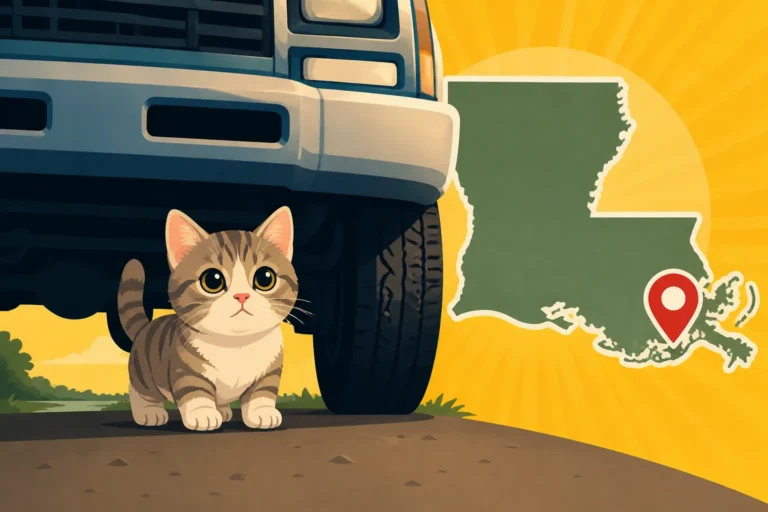
The story of the Munchkin breed is truly a tale of accidental discovery and a fortuitous act of kindness. It didn't start in a pristine cattery with carefully planned genetics, but rather under an abandoned truck in rural Louisiana.
Blackberry: The First Short-Legged Cat
In 1983, a schoolteacher named Sandra Hochenedel found two stray cats hiding beneath a truck in Rayville, Louisiana. Both were heavily pregnant, and she took them in, offering them a safe haven. One of these cats, a long-haired black female, possessed incredibly short legs, a characteristic Hochenedel had never seen before in a cat. She named this unique feline Blackberry. Blackberry was more than just a pet; she was, unknowingly at the time, the very foundation of an entirely new cat breed. Her legs, while strikingly short, didn't seem to impede her movement or health. She scampered and played with the same agility as any other cat, just closer to the ground. This observation was key, as it suggested that her unusual conformation wasn't necessarily a debilitating defect but rather a genetic quirk.
The Arrival of the First Litter and Its Significance
Blackberry soon gave birth to a litter of kittens, and it was with this litter that the true genetic significance of her short legs became apparent. Half of her kittens inherited her distinctive short legs, while the other half had legs of normal length, just like any domestic shorthair. This immediate, clear-cut division in the litter was a vital clue to the underlying genetics. It strongly suggested that the trait was not recessive, but dominant, meaning only one copy of the gene was needed for a kitten to express the short-legged characteristic. Had it been a recessive gene, all kittens would have had long legs unless both parents carried the gene. This observation proved that Blackberry carried a dominant gene for dwarfism, a mutation that would later be identified as pseudoachondroplasia. The fact that normal-legged kittens also appeared in the same litter further confirmed that Blackberry herself carried only one copy of this dominant gene. This first litter showed that the short-legged trait was consistently passed on, laying the groundwork for selective breeding.
Enter Toulouse: The Second Foundational Cat
While Blackberry is rightly celebrated as the original matriarch, the burgeoning breed needed more than just one source. Genetic diversity is crucial for the health and viability of any breed, and this is where a small, unassuming male kitten named Toulouse steps into the story.
How Toulouse Came to Be
Toulouse was not a stray found under a truck, but rather one of Blackberry's offspring from that very first, historic litter. He was a short-legged male kitten, carrying the same distinctive gene as his mother. Sandra Hochenedel, recognizing the uniqueness of these kittens and wanting to share the joy of their unusual appearance, gifted Toulouse to her friend, Kay LaFrance. LaFrance, an experienced cat breeder, was captivated by Toulouse and his charming, low-slung gait. She quickly realized the potential for a new breed and became instrumental in nurturing its development. Giving Toulouse to LaFrance was a crucial step; it moved the potential breed beyond a single household and into the hands of someone dedicated to understanding and propagating it.
Toulouse's Role in Establishing the Breed
Toulouse, the short-legged son of Blackberry, became the second foundational cat of the Munchkin breed. Together, he and his mother represent the entire genetic starting point for every short-legged Munchkin cat in existence today. While Blackberry introduced the mutation, Toulouse carried it forward into a new breeding program with Kay LaFrance. This partnership was absolutely essential because, as any breeder knows, relying on a single cat for an entire breed's lineage is a recipe for severe inbreeding and genetic problems. By involving Toulouse, LaFrance could start a parallel breeding program, incorporating his genetics into new lines and expanding the nascent gene pool. This foresight ensured that the breed had at least two distinct lines from which to draw, even though they both originated from Blackberry. Without Toulouse, the efforts to establish and diversify the breed would have been far more challenging, and potentially unsuccessful. Blackberry and Toulouse Are the Two Cats Behind Every Munchkin explains this foundational importance in more detail.
The Genetic Blueprint: How Toulouse Carried the Trait
Understanding Toulouse's specific genetic contribution requires a peek into the fascinating world of dominant genes and how they impact a cat's physical traits. It's not just about short legs; it's about the very mechanism of inheritance.
Understanding Autosomal Dominant Inheritance
The short-legged trait in Munchkin cats, which Toulouse inherited directly from Blackberry, is passed down through what geneticists call autosomal dominant inheritance. "Autosomal" simply means the gene is located on a non-sex chromosome, so it affects both male and female cats equally. "Dominant" means that only one copy of the gene is necessary for the trait to be expressed. If a cat inherits even one copy of the short-legged gene from either parent, it will have short legs. This is why when Blackberry, who had one copy, bred with a normal-legged cat (who had no copies), roughly half of her kittens, like Toulouse, ended up with short legs. They received one copy from Blackberry and one normal gene from the other parent. This pattern is predictable and allowed early breeders to understand how to continue the line. How Munchkin Dwarfism Is Inherited delves deeper into the specifics of this genetic process.
Why Toulouse Was Always Bred to Normal-Legged Cats
A critical aspect of Munchkin breeding, stemming from the early understanding of its genetics, is that a short-legged Munchkin, like Toulouse, is never bred to another short-legged Munchkin. This seemingly counterintuitive rule is born from a crucial genetic reality: two copies of the Munchkin gene are lethal. If an embryo inherits a short-legged gene from both parents, meaning it receives two copies of the dominant gene (a homozygous state), it will not develop to term and will be reabsorbed early in the pregnancy. This means that all short-legged Munchkins, including Toulouse, only ever carry one copy of the gene (they are heterozygous). Therefore, to ensure viable litters and prevent the suffering of homozygous embryos, all short-legged Munchkins must be outcrossed with normal-legged domestic cats. Toulouse's breedings, under Kay LaFrance's care, would have strictly adhered to this principle, ensuring the health and continuation of the emerging breed. This practice is detailed further in Why Two Short Legged Munchkins Are Never Bred Together.
Expanding the Gene Pool: Toulouse's Legacy
The early days of any new breed are fraught with genetic challenges. Ensuring a broad and healthy gene pool is paramount to preventing hereditary diseases and maintaining overall vitality. Toulouse's role was absolutely vital in this regard.
The Importance of Outcrossing
With only one original short-legged cat, Blackberry, the risk of a dangerously narrow gene pool was immense. Introducing Toulouse, a male carrying the same desirable trait, allowed for controlled outcrossing. Kay LaFrance, with Toulouse, would have bred him to various healthy, unrelated domestic cats. These outcrosses were crucial for several reasons. Firstly, they introduced new genetic material, broadening the genetic diversity of the emerging Munchkin population. This "dilution" of the founding genetics helped prevent the concentration of any potentially undesirable recessive traits that might have been present in Blackberry's original lineage. Secondly, it allowed for the rapid increase of the short-legged cat population without resorting to breeding closely related individuals, which would have quickly led to inbreeding depression. The careful selection of these Which Domestic Cats Are Used as Munchkin Outcrosses further strengthened the breed's genetic foundation.
Toulouse's Contribution to Future Generations
Every single short-legged Munchkin cat alive today can trace its ancestry back to either Blackberry or Toulouse. That's a profound legacy! Toulouse, through his offspring, propagated the short-legged gene across multiple lines, ensuring its robust presence in the burgeoning breed. His genetic material, combined with that of numerous normal-legged domestic outcrosses, laid the groundwork for the diverse Munchkin cats we see today, with their myriad coat colors, patterns, and hair lengths. Breeders today continue to manage Munchkin lines with this history in mind, selecting outcrosses carefully to maintain health and temperament, all while ensuring the unique short-legged characteristic that defines the breed persists. His contribution was not just about starting a line, but about sustaining a line with enough genetic breadth to thrive.
The Naming and Recognition Journey
The journey from a unique stray cat to a recognized breed is often a long and winding one, filled with discussions, debates, and formal processes. Toulouse was there at the very beginning of this journey.
The Naming Inspiration
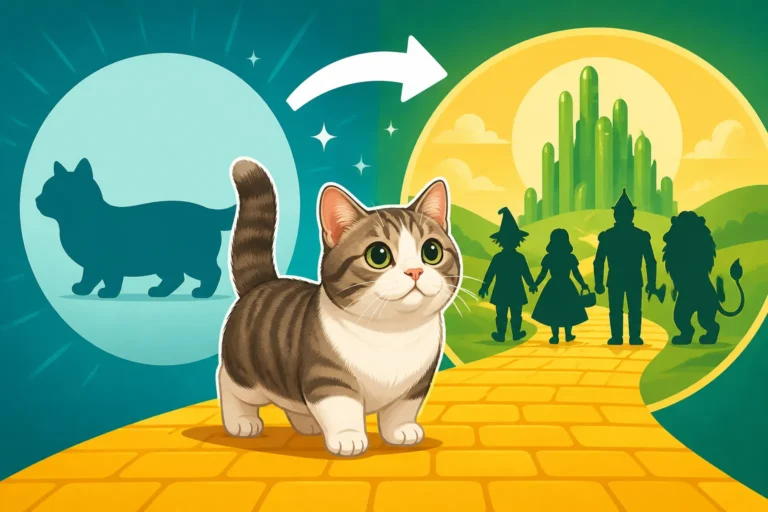
While Toulouse himself was simply given a name, the breed he helped found eventually acquired a more whimsical moniker. The name "Munchkin" was chosen by Kay LaFrance and her fellow breeders, drawing inspiration from the diminutive, good-natured residents of Munchkinland in L. Frank Baum's beloved classic, The Wizard of Oz. This name perfectly captured the endearing, low-to-the-ground appearance and often playful, inquisitive nature of these short-legged cats. It was a charming choice that helped solidify their identity as a distinct and special breed. The story of Why the Munchkin Is Named After the Wizard of Oz is an interesting piece of cat breed history.
Toulouse's Story and Breed Acceptance
The path to formal breed recognition for the Munchkin was not without its controversies. When the breed was first presented to The International Cat Association (TICA) in the early 1990s, it ignited a passionate debate within the cat fancy. Some judges and traditionalists argued against recognizing a breed based on a genetic mutation that caused dwarfism, citing potential health and welfare concerns. Despite these objections, the detailed genetic information, lineage tracing back to cats like Blackberry and Toulouse, and observations of their healthy, active lives convinced TICA to accept the Munchkin into its New Breed program in 1994. The continuous breeding efforts, starting with Blackberry and carried forward significantly by Toulouse and the outcrosses he facilitated, provided enough statistical and anecdotal evidence of the breed's viability and general good health to pave the way for its eventual championship status in 2003. TICA Took the Munchkin In and a Judge Resigned Over It highlights some of the intense feelings around the breed's initial acceptance. The existence of multiple healthy lines, originating from Blackberry and Toulouse, was crucial in demonstrating that this was a stable, inheritable trait, not merely a genetic fluke.
Comparing the Foundational Felines: Blackberry and Toulouse
To truly appreciate the roles of these two pivotal cats, let's look at how their contributions complemented each other in the early days of the Munchkin breed.
| Feature | Blackberry | Toulouse |
|---|---|---|
| Origin | Found stray under a truck | Kitten from Blackberry's first litter |
| Gender | Female | Male |
| Role | Original source of the short-legged gene | Second foundational cat, propagated gene |
| Initial Caretaker | Sandra Hochenedel | Kay LaFrance |
| Genetic Contribution | Introduced the initial mutation | Expanded genetic lines with outcrosses |
| Significance | Proved the trait was inheritable | Ensured genetic diversity from the start |
This table clearly illustrates that while Blackberry was the original source, Toulouse was critical in diversifying and expanding the lineage, ensuring the Munchkin's future.
Disclaimer
This article is for general informational purposes only and does not constitute professional advice. Laws, prices and regulations vary by location and change over time. Consult a qualified professional for guidance on your specific situation.