How the Munchkin Reached Madison Square Garden
It’s easy to look at a Munchkin cat today, perhaps snuggling on your sofa or zooming across the living room floor, and forget the journey this distinctive breed undertook to reach mainstream recognition. Many cat enthusiasts and even some breeders initially viewed the short-legged Munchkin with suspicion, grappling with questions of health, ethics, and tradition. This guide will walk you through the fascinating and sometimes contentious history of how the Munchkin cat went from a chance discovery in rural Louisiana to the prestigious stage of Madison Square Garden, forever changing the landscape of the cat fancy.
The Humble Beginnings: Blackberry and Toulouse
The story of the Munchkin cat, and indeed its path to public awareness, begins in a rather unassuming way, far from the bright lights of a show hall. It's a tale rooted in the kind of serendipitous discovery that often sparks the creation of new breeds, though not without its share of controversy from the very beginning.
Discovery of Blackberry
Our story truly begins in 1983 in Rayville, Louisiana, with a music teacher named Sandra Hochenedel. She stumbled upon two pregnant stray cats living under a truck, one of which was a petite, short-legged feline with a striking resemblance to a badger. Sandra, being the kind soul she was, took both cats home. The short-legged cat, whom she affectionately named Blackberry, was the unwitting matriarch of what would become the Munchkin breed. Imagine finding such a unique creature, a cat unlike any you'd seen before, simply trying to survive under an old vehicle. It’s a classic American tale of discovery, almost like finding a diamond in the rough, if that diamond had impossibly short little legs! The Munchkin Started Under a Truck in Louisiana in 1983 perfectly captures this foundational moment.
The First Litter and Toulouse
Blackberry’s first litter was, as you might expect, a mix of standard-legged and short-legged kittens. This immediately clued Sandra into the fact that the trait was inheritable. One particular male kitten, short-legged like his mother, was given to a friend, Kay LaFrance, who named him Toulouse. Toulouse, like Blackberry, was pivotal. He ensured the continuation and spread of the unique gene. It’s a testament to these two cats, Blackberry and Toulouse, that every single Munchkin you see today can trace its lineage back to them. Think about that for a moment – two stray cats becoming the progenitors of an entire, globally recognized (though often debated) breed. Blackberry and Toulouse Are the Two Cats Behind Every Munchkin truly encapsulates their importance. Without them, there would be no story to tell.
Early Development and Outcrossing
From these humble beginnings, a small colony of short-legged cats began to grow. Sandra and Kay were fascinated by their cats' unique appearance and docile temperament. They realized they had something truly special on their hands. To ensure genetic diversity and maintain the breed's health, these early Munchkins were outcrossed with domestic long-legged cats. This was a crucial step, preventing inbreeding and broadening the genetic pool, which is standard practice when establishing any new breed. The goal was to produce healthy, robust cats that simply possessed the distinguishing short-legged characteristic. This careful, ethical approach to breeding, right from the outset, was key to the breed's eventual ability to gain any form of acceptance.
From Local Curiosity to National Attention
Once the initial fascination with their unique cats moved beyond the homes of Sandra and Kay, it was inevitable that the Munchkin would begin to catch the eye of others, both within and outside the cat fancy. This transition from a private curiosity to a public spectacle was fraught with both excitement and significant challenges.
Initial Interest and Skepticism
As word of these charming, short-legged cats spread beyond Louisiana, interest certainly piqued. Early adopters and curious cat lovers were drawn to their unique look and playful personalities. However, alongside the excitement, a wave of skepticism immediately followed. Many in the traditional cat world, particularly veterinarians and established breeders, were wary. They questioned the ethics of breeding a cat with such a pronounced physical trait, fearing potential health complications. Would these cats suffer from spinal problems or joint issues due to their shortened limbs? These were legitimate concerns that needed addressing, and they fueled a debate that continues to this day. This initial scrutiny set the stage for much of the controversy that would define the Munchkin's journey.
The Genetic Mystery Unveiled
To counter the skepticism and prove the Munchkin's viability, breeders had to delve into the genetics behind their short legs. It was quickly understood that the characteristic was due to an autosomal dominant gene, meaning only one copy of the gene was needed for a cat to display the short-legged trait, and it wasn't sex-linked. Crucially, it was also discovered that two copies of the gene were lethal, leading to embryonic reabsorption. This meant short-legged Munchkins always carried only one copy of the gene, and could never be bred to another short-legged Munchkin. Understanding this genetic mechanism was vital; it helped explain why healthy short-legged cats could exist without suffering from the severe health issues associated with other forms of dwarfism in some animals. Munchkin Dwarfism Is Dominant and Lethal in Two Copies delves into the science of this inheritance.
Gaining Traction in the Cat Fancy
Despite the ongoing debates, the unique charm and undeniable cuteness of the Munchkin began to win over a segment of the cat fancy. Enthusiasts saw not a "deformed" cat, but a playful, agile, and robust feline that just happened to have shorter legs. These early advocates started presenting their Munchkins at various informal gatherings and small regional shows. They highlighted the cats' energetic personalities and normal mobility, often demonstrating how these cats could run, play, and even jump, albeit perhaps not as high as their long-legged cousins. This grassroots effort was essential in building a community around the breed and showing that, for many, the Munchkin was a perfectly happy and healthy companion.
The TICA Connection: A Crucial Step
For any new breed to gain a foothold and move towards broader acceptance, it needs the backing of a major cat registry. For the Munchkin, this crucial role was played by The International Cat Association, or TICA. TICA, known for its progressive stance on new and unusual breeds, provided the platform the Munchkin needed to step into the spotlight.
TICA's Role in New Breeds
TICA has historically been more open to recognizing new breeds, especially those that diverge from traditional feline aesthetics, compared to some other, more conservative registries. Their philosophy emphasizes genetic diversity and the natural occurrence of mutations, provided that the animals are healthy and free from debilitating conditions. This open-minded approach made TICA a natural fit for the Munchkin, offering a pathway that might have been impossible elsewhere. They recognized the potential for unique breeds to enrich the cat fancy, seeing beauty and interest in variations that other organizations might immediately dismiss.
The Breed Development Program
In 1991, TICA formally accepted the Munchkin into its new breed development program. This was a monumental step. It meant that the breed would be monitored, its standards refined, and its health carefully tracked over several generations. This program provides a structured environment for emerging breeds to prove their viability and health status before being considered for championship status. For Munchkin breeders, this was both an opportunity and a challenge. They had to consistently demonstrate that their cats were healthy, well-adjusted, and genetically sound, all while navigating the intense scrutiny and sometimes outright hostility from critics. This period was critical in laying the groundwork for the breed's future.
Initial Opposition and Controversy
However, TICA’s acceptance of the Munchkin was far from universally celebrated. It ignited a fierce debate within the cat fancy, perhaps one of the most significant controversies in modern feline breeding history. Critics, including many prominent judges and veterinarians, argued that endorsing a breed with a genetic mutation causing dwarfism was unethical. They drew parallels to similar issues in dog breeds, warning of potential health problems down the line. One TICA judge even famously resigned in protest during a general board meeting where the Munchkin was discussed, stating that she could not condone the breeding of cats with "crippling genetic defects." This deep division highlighted the stark philosophical differences between those who saw the Munchkin as a charming novelty and those who viewed it as a compromise of animal welfare. TICA Took the Munchkin In and a Judge Resigned Over It is a vivid reminder of this intense period.
Making Waves at Madison Square Garden
The journey of the Munchkin reached a pivotal and highly publicized moment when it was showcased at a prestigious TICA cat show. This event, held in a venue as iconic as Madison Square Garden, catapulted the breed from internal cat fancy discussions into the broader public consciousness.
The 1991 TICA Show Debut
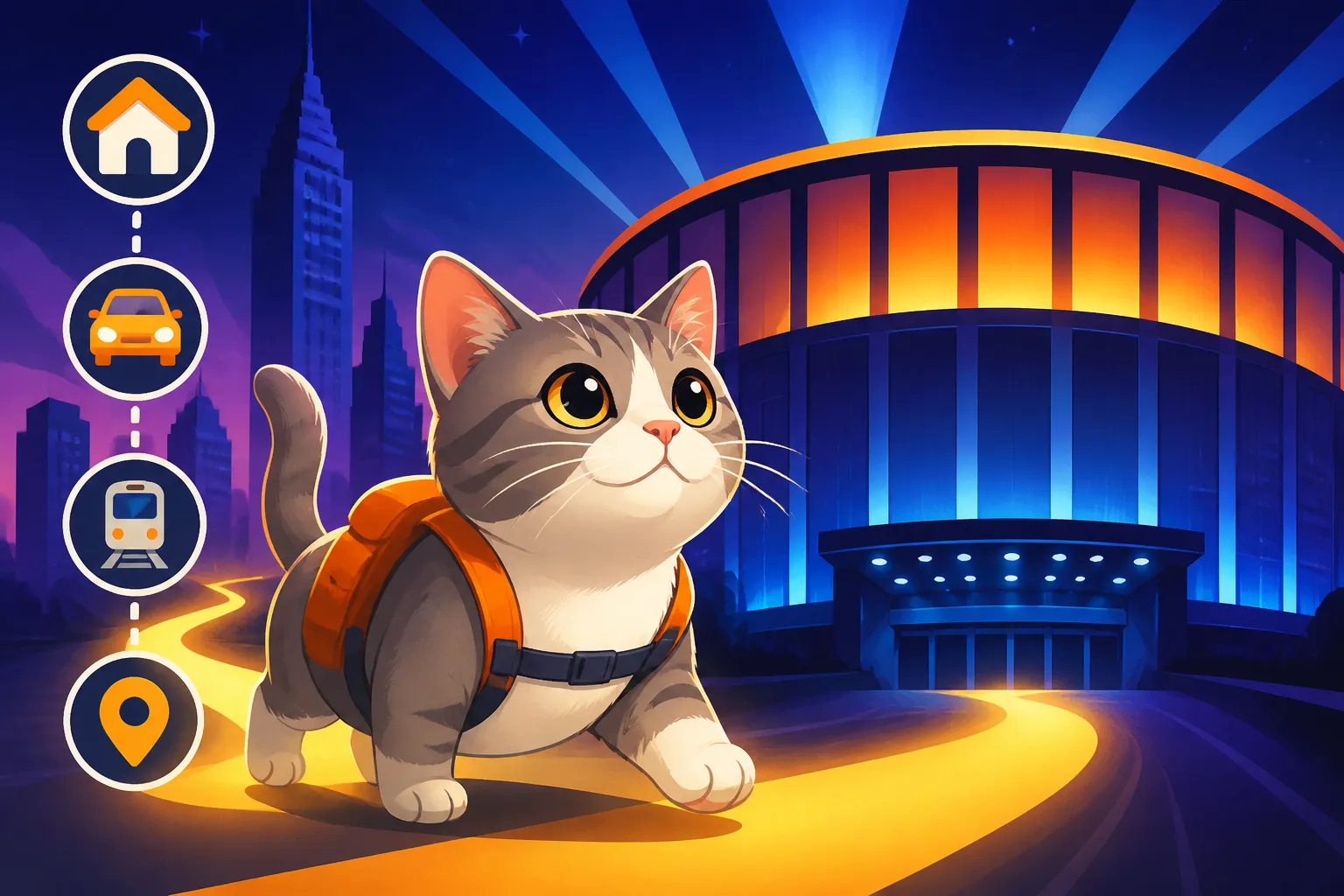
In 1991, the Munchkin made its debut at the TICA cat show held at Madison Square Garden in New York City. This wasn't just any show; it was a significant event, drawing large crowds and considerable media attention. Breeders presented several Munchkins, showcasing their unique conformation and playful demeanor. For many attendees, this was their first encounter with a short-legged cat. Imagine the scene: rows of magnificent, traditional breeds, and then, nestled among them, these impossibly cute, low-slung felines, confidently holding their own. It was a bold statement, bringing the breed directly to a wide audience and forcing an immediate reaction.
Public and Expert Reactions
The reactions were, predictably, a mixed bag. The general public often reacted with adoration, charmed by the Munchkin's distinctive appearance and engaging antics. Their curiosity was undeniable, leading to questions about their movement, their health, and whether they were "real" cats. Children, especially, were often captivated by these seemingly miniature felines. On the other hand, a vocal segment of the "expert" community, particularly those from more conservative cat associations, expressed outright condemnation. They continued to voice concerns about the ethical implications of breeding a cat with such a mutation, arguing that it could predispose the animals to various skeletal or spinal issues. The Madison Square Garden debut served to amplify these discussions, creating a clear divide between admirers and detractors.
Media Spotlight and Controversy Escalates
The high-profile venue and the breed's unusual appearance meant that the Munchkin's debut at Madison Square Garden garnered significant media attention. Newspapers, television news, and even talk shows picked up the story, showcasing the "new" cat breed that was causing such a stir. This media spotlight, while providing invaluable publicity for the Munchkin, also fueled the controversy. Debates about the breed's welfare, genetic integrity, and the very definition of a "healthy" pedigree cat were now taking place on a national stage. Breeders found themselves defending their cats against accusations of creating a "designer defect," while proponents argued that the Munchkin was simply a natural mutation, no different from the curled ears of an American Curl or the hairlessness of a Sphynx. This period was crucial in shaping public perception and forcing a wider discussion about the future of cat breeding.
Achieving Championship Status
Despite the enduring controversy and the strong opinions surrounding the breed, the Munchkin's journey through TICA's new breed development program continued. It was a rigorous process, requiring consistent demonstration of health, genetic stability, and a distinct breed standard, culminating in the ultimate prize: championship status.
The Path to Provisional Status
After its public debut and continued participation in TICA's development program, the Munchkin gradually moved through the ranks. This meant that over several years, breeders consistently showed their cats, met specific health criteria, and worked to refine the breed standard. TICA's judges evaluated the cats not just on appearance, but also on temperament and overall health. They were looking for consistency in type and a clear absence of debilitating conditions directly linked to their short legs. It wasn't a quick process; it required dedication and a commitment from breeders to prove that the Munchkin was a viable and healthy addition to the cat fancy. This long period of observation and documentation was key to its eventual acceptance.
The Final Vote for Championship
Finally, in 1995, after four years in the new breed development program and rigorous scrutiny, TICA’s board of directors voted to grant the Munchkin full championship status. This was a landmark decision, elevating the breed to the same level as established breeds like Persians and Maine Coons. It meant Munchkins could now compete for championship titles in TICA-sanctioned shows, a huge victory for its proponents. This decision solidified the Munchkin's place within T organized cat fancy, at least within TICA. It was a testament to the persistent efforts of breeders and enthusiasts who believed in the breed's integrity and health. The news was met with both jubilation from supporters and renewed outrage from critics who felt TICA had made a grave error.
What a Munchkin Looks Like Against the TICA Standard
Achieving championship status meant that the Munchkin now had a definitive breed standard to which all show cats would be judged. The TICA standard describes a small to medium-sized cat with short to medium-short legs, a normal-length body, and well-developed musculature. Key points include a moderate wedge-shaped head, large walnut-shaped eyes, and a broad chest. Crucially, the standard emphasizes that the body should be of normal length, not foreshortened like the legs. The gait is described as a "ferret-like" waddle, unique to the breed but not considered a disability. The legs must be proportionate to each other, with no excessive bowing or cow-hocking. What a Munchkin Looks Like Against the TICA Standard goes into much more detail on these specific physical traits and how judges evaluate them in the show ring. The standard is designed to ensure the health and functionality of the cats, despite their unique conformation, addressing many of the concerns raised during the breed's development.
| Feature | TICA Standard Description | Common Misconception |
|---|---|---|
| Leg Length | Short to medium-short, proportionate to body | Legs are severely malformed or cause pain |
| Body Length | Normal cat length, well-muscled | Body is also shortened or compacted |
| Gait | Ferret-like, fluid, no impediment | Cat struggles to walk or run |
| Head | Moderate wedge, gentle contours | Disproportionate to body, overly large or small |
| Eyes | Walnut shaped, expressive, set wide apart | Small or sunken |
| Temperament | Outgoing, playful, intelligent | Docile due to mobility issues |
| Health | Generally healthy, no breed-specific diseases linked to legs | Prone to severe spinal or joint problems |
The Ongoing Debate and Legacy
Even with TICA's championship recognition, the Munchkin's story didn't end. Its presence in the cat fancy continues to spark discussion, particularly concerning the ethical implications of breeding for a distinct, dwarf-like trait. The breed's legacy is one of both adoration and deep-seated controversy.
Why CFA and GCCF Refuse the Munchkin
While TICA embraced the Munchkin, other major cat registries, such as the Cat Fanciers' Association (CFA) in North America and the Governing Council of the Cat Fancy (GCCF) in the United Kingdom, steadfastly refused to recognize the breed. Their primary objection stems from welfare concerns. These organizations adhere to strict ethical guidelines that discourage breeding for traits that might compromise an animal's health or natural mobility. They view the Munchkin's short legs as an "undesirable genetic mutation" that could lead to orthopedic problems or other health issues, even if breeders argue otherwise. Their stance reflects a more conservative approach, prioritizing what they perceive as the natural health and well-being of the animal over unique aesthetics. This divergence in philosophy highlights the deep ideological chasm within the world of pedigree cats.
The Ethical Conundrum Continues
The debate surrounding the Munchkin cat isn't just about show ring standards; it’s a profound ethical conundrum. Proponents argue that Munchkins are active, playful, and lead perfectly normal lives, often comparing their agility to ferrets or meerkats. They point out that How a Munchkin Gets Where It Wants Without Jumping is a testament to their adaptability and resourcefulness, not a sign of disability. They also highlight the absence of statistically significant data linking Munchkin dwarfism directly to more spinal or joint issues than other cat breeds. Critics, however, maintain that intentionally breeding for a genetic mutation that causes shortened limbs, regardless of current observed health, sets a dangerous precedent. They believe it prioritizes human aesthetic preference over the natural form and function of the cat, and warn that future generations might suffer unforeseen health consequences. What Welfare Bodies Say About the Munchkin often reflects this cautious, often critical, perspective. This ethical tightrope walk is a permanent part of the Munchkin's identity, making it one of the most talked-about and divisive breeds.
The Munchkin's Place in Cat History
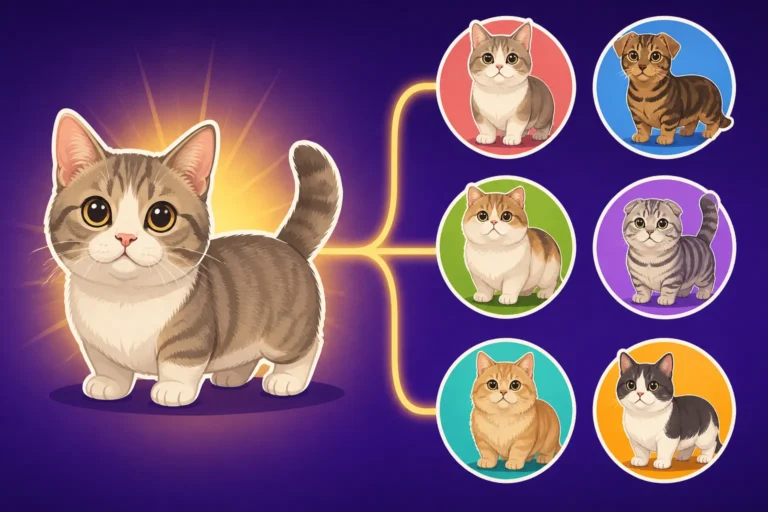
Despite, or perhaps because of, the controversy, the Munchkin has carved out a unique and undeniable place in cat history. It challenged traditional notions of what a "pedigree cat" should be and forced a global discussion about breeding ethics and genetic diversity. It also paved the way for numerous "Munchkin hybrid" breeds, where the short-leg gene has been crossed with other breeds to create unique combinations like the Minuet (Munchkin x Persian) or the Bambino (Munchkin x Sphynx). This proliferation further complicated the ethical landscape, leading to concerns about stacking multiple genetic mutations. Regardless of where you stand on the debate, the Munchkin is a breed that demands attention. It's a testament to the passionate individuals who saw something special in a little short-legged cat under a truck in Louisiana, and whose determination brought it to the grand stage. The discussions it ignited continue to shape the future of cat breeding, proving that few breeds divide opinion quite like the Munchkin. Why the Munchkin Divides the Cat Fancy More Than Any Breed is a topic that resonates deeply with its journey.
Navigating the world of cat ownership, especially with a breed as unique as the Munchkin, means being prepared. Whether it's finding accessible litter boxes or cozy beds, online retailers like Chewy offer a wide array of products designed for cats of all shapes and sizes. It’s always a good idea to ensure your furry friend has everything they need to live comfortably, and sometimes that means thinking a little outside the box for their particular needs. From specialized food for joint health to low-entry carriers, options are plentiful on sites like Chewy.
The Munchkin's journey to Madison Square Garden was a whirlwind of discovery, passion, and heated debate. It highlighted the challenges and rewards of introducing a truly unique breed to the world, and its story continues to be one of the most compelling narratives in the history of domestic cats.
Disclaimer
This article is for general informational purposes only and does not constitute professional advice. Laws, prices and regulations vary by location and change over time. Consult a qualified professional for guidance on your specific situation.