Kay LaFrance and the Second Munchkin
When you delve into the fascinating, sometimes controversial, origins of the Munchkin cat, it's easy for the story to become a bit muddled, focusing only on the initial discovery. But the reality of establishing any new breed is far more complex than finding one unique cat. Many people might think one special cat is all it takes, but the journey from a single short-legged feline to a recognized breed requires dedication, foresight, and, crucially, more than one foundation animal. This guide will walk you through the pivotal role played by Kay LaFrance and the "second Munchkin," a male cat named Toulouse, whose existence was absolutely essential to the breed's survival and development.
The Genesis of a Breed: Beyond Blackberry
The story of the Munchkin often begins with a single, compelling narrative: a stray cat found under a truck. While undeniably true and charming, it’s only the very first chapter. To truly understand how a unique genetic mutation blossomed into a recognized feline breed, we need to move beyond that initial discovery and appreciate the critical steps taken by the early pioneers. Without a concerted effort to understand and propagate the trait responsibly, the Munchkin might have remained a genetic anomaly, fading into obscurity.
Revisiting Sandra Hochenedel's Discovery
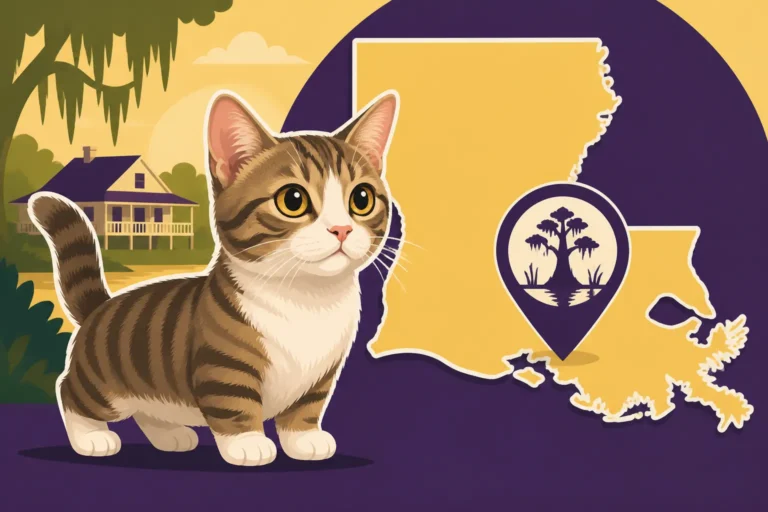
Let's quickly set the scene. In the early 1980s, Sandra Hochenedel, a Louisiana school teacher, found two pregnant stray cats under a truck. One of these cats, a black cat she named Blackberry, was significantly shorter-legged than typical felines. When Blackberry gave birth, roughly half of her kittens also exhibited the same distinctive short legs. This was the first concrete sign that the trait wasn't an injury or a developmental fluke, but rather an inherited characteristic. The Munchkin Started Under a Truck in Louisiana in 1983 recounts this initial discovery.
Hochenedel kept Blackberry and her short-legged offspring, effectively establishing the very first Munchkin "colony." However, relying solely on Blackberry’s lineage for an entire breed posed significant challenges. Imagine trying to build a robust family tree from just one branch; it would be incredibly fragile. There's a real risk of inbreeding depression, where genetic diversity shrinks, leading to a higher incidence of health problems. While Blackberry was a fantastic starting point, the long-term viability of a new breed hinged on finding independent confirmation of the gene and broadening the genetic base. This is where the story needed another hero, or rather, another foundation cat, to ensure the trait wasn't a one-off anomaly that would quickly disappear.
The Critical Need for Genetic Diversity
Any responsible breeding program, especially for a new breed, absolutely depends on a wide gene pool. Without it, you quickly run into problems. If you only breed closely related cats, you increase the chances of undesirable recessive genes expressing themselves, leading to a host of potential health issues that can devastate a fledgling breed. It's a fundamental principle of genetics: diversity is strength. If Blackberry was the sole source of the short-legged gene, every subsequent generation would be deeply intertwined, creating a very narrow genetic bottleneck.
Breeders, even in the early days, knew this intuitively. They understood that to prevent future health complications and to ensure the longevity and vitality of the Munchkin, they couldn't just keep breeding Blackberry's descendants to each other. They needed an independent source of the gene, another unrelated short-legged cat, to introduce fresh blood into the nascent breed. This wasn't just about making more short-legged cats; it was about making healthy short-legged cats for generations to come. This need for genetic outcrossing and diverse foundation stock became a driving force in the early days of the Munchkin, and it’s why finding a second, unrelated short-legged cat was a truly monumental event.
Kay LaFrance: A New Steward for Short Legs
Enter Kay LaFrance, a pivotal figure who would shepherd the Munchkin from a curious novelty into a recognized breed. Her involvement was not merely accidental; it was driven by a deep interest in understanding the unique genetic trait and a commitment to its responsible development. She didn’t just receive a cat; she received a piece of the breed’s future, and her actions would shape its trajectory for decades. Her foresight in recognizing the importance of this "second Munchkin" truly cemented her place in the breed's history.
The Arrival of Toulouse
Kay LaFrance entered the picture when Sandra Hochenedel, recognizing the importance of diversifying the lineage, shared one of Blackberry's male kittens with her. This kitten was a short-legged male named Toulouse. So, contrary to some narratives, Toulouse wasn't an independently discovered cat with a separate mutation. He was actually a son of Blackberry, making him directly related to the original foundation cat. This nuance is crucial because it changes the narrative slightly from finding a second, independent source of the gene to expanding the original lineage and distributing it to another dedicated breeder. Which Cat Behind the Munchkin Was Named Blackberry describes the original cat.
Hochenedel and LaFrance collaborated, understanding the significance of the short-legged trait. LaFrance’s acquisition of Toulouse meant that the budding breeding program wasn't solely reliant on Hochenedel’s household. It allowed for parallel breeding efforts, expanding the number of cats carrying the gene and, in doing so, increasing the available genetic material for outcrossing to normal-legged domestic cats. This was a pragmatic move, ensuring that a single event wouldn't wipe out the entire short-legged population. It spread the genetic risk and provided a broader base for observation and study of the unique trait.
A Breeder's Vision: Recognizing the Potential
Kay LaFrance wasn't just a casual cat owner; she was a breeder with a vision. When she received Toulouse, she didn't just see a cute, unusual cat. She saw the potential for a new breed. This discerning eye is what separates a casual enthusiast from a dedicated breed steward. She understood that the short legs were a consistent, heritable trait, and she was keen to explore its genetic basis and develop a healthy, robust line. Her commitment went beyond mere fascination; it extended to a deep desire to establish the Munchkin properly within the cat fancy.
This vision was absolutely essential for the Munchkin's future. Without someone like Kay LaFrance, who was willing to dedicate time, resources, and expertise to carefully documenting breeding outcomes and observing health, the trait might have remained an isolated curiosity. She took the initiative to understand the genetics, to plan matings, and to document the results, moving the Munchkin from a spontaneous mutation to a controlled breeding program. Her active involvement transformed a delightful accident into a deliberate breeding endeavor, laying the groundwork for breed recognition and ethical development.
Toulouse: The Second Pillar of the Munchkin Line
While Blackberry was the original carrier of the gene, Toulouse played an equally vital, though distinct, role. He wasn't just "another short-legged cat"; he was the male foundation cat who, alongside Blackberry's other offspring, allowed the trait to be properly studied, understood, and widely disseminated. Without his contributions, and Kay LaFrance's careful management of his lineage, the Munchkin breed as we know it would likely not exist. He brought the necessary male contribution to stabilize the inheritance pattern and kickstart a broader breeding effort.
Confirming the Dominant Trait
Toulouse's offspring provided critical confirmation of how the Munchkin gene behaves. When Toulouse was bred to normal-legged domestic cats, roughly half of his kittens would be short-legged, and the other half would have normal-length legs. This consistent 50/50 split in the litters was undeniable evidence that the short-leg trait was inherited in an autosomal dominant manner. How Munchkin Dwarfism Is Inherited and Why Munchkin Dwarfism Is Called Autosomal Dominant explain this genetic phenomenon in detail.
This understanding was paramount. It allowed early breeders to predict mating outcomes, to understand that the gene was not recessive (where both parents would need to carry it) and, crucially, to realize that breeding two short-legged Munchkins together could lead to issues. This knowledge, confirmed through cats like Toulouse and his progeny, was the scientific backbone for establishing responsible breeding guidelines, ensuring that breeders avoided homozygous pairings that result in non-viable embryos. It moved the understanding from observation to a predictable genetic model, empowering breeders to work with the trait more effectively.
Expanding the Gene Pool
The presence of Toulouse, and by extension Kay LaFrance's breeding program, was instrumental in expanding the fledgling Munchkin gene pool. While he was directly related to Blackberry, his existence in a separate cattery meant that his descendants could be outcrossed to different normal-legged domestic cats than those used by Sandra Hochenedel. This branching out was incredibly important. Imagine building a bridge: you need strong pillars, and while Blackberry was the first, Toulouse ensured there was a second, sturdy pillar to support the structure.
This diversification was key to preventing what geneticists call a "founder effect," where the entire breed's genetic makeup is too narrowly derived from just a few individuals. By breeding Toulouse to a variety of unrelated domestic cats, Kay LaFrance was able to bring in a broader spectrum of healthy genes, preventing the accumulation of undesirable traits that can plague small, isolated gene pools. This strategic expansion was vital for the long-term health and vitality of the breed, ensuring it didn't suffer from the genetic weaknesses that can arise from extreme inbreeding. This deliberate outcrossing, often to domestic shorthairs or longhairs, continues to be a crucial aspect of Munchkin breeding today. For example, breeders still leverage the genetic diversity found in common house cats to ensure robustness. If you ever browse a cat supply site like Chewy, you'll see products catering to a vast array of feline breeds, all benefiting from careful breeding practices that trace back to these foundational efforts.
Early Breeding Programs and the Foundation Colony
The efforts of Sandra Hochenedel and Kay LaFrance, with Blackberry and Toulouse as their cornerstones, quickly led to the establishment of the first true Munchkin breeding programs. This wasn't just about mating cats; it was about systematic observation, documentation, and a deep commitment to understanding the unique characteristics of this new, short-legged feline. These early programs were crucial for validating the genetic trait and laying the groundwork for future breed recognition.
The First Official Munchkin Pairings
Once the initial short-legged kittens were born to Blackberry, and Toulouse was distributed to Kay LaFrance, the real work of establishing a breed began. Breeders started making calculated pairings, not just letting nature take its course. They bred the short-legged cats, like Toulouse and Blackberry's other short-legged offspring, to normal-legged domestic cats. This was a critical step for a few reasons:
Firstly, it reinforced the understanding of the gene's dominant inheritance. Every litter provided more data, consistently showing that approximately half the kittens would inherit the short legs, while the other half would be normal-legged "Munchkin variants" or "long-legged Munchkins." Why Half a Munchkin Litter Has Normal Legs explores this phenomenon. These careful pairings, documented by Hochenedel and LaFrance, allowed them to build a robust family tree and to prove that the trait was reliably passed down through generations.
Secondly, and perhaps most importantly, these pairings with normal-legged cats were essential for outcrossing. As mentioned, bringing in fresh genetic material from healthy, unrelated domestic cats helped to prevent inbreeding and maintain genetic diversity. It ensured that while the short-leg gene was being perpetuated, it wasn't being done at the expense of overall health. Breeders carefully selected outcross partners for their health, temperament, and conformation, striving to create a robust and well-rounded new breed. This early focus on outcrossing set a precedent that continues to be a cornerstone of responsible Munchkin breeding today. You'll often find breeders carefully detailing their outcross lineages, ensuring they maintain that vital genetic breadth.
Building the Foundation: A Colony of Short-Legged Cats
From these initial pairings, a genuine foundation colony began to emerge. It wasn't just a few cats anymore; it was a growing population of short-legged felines, each carefully documented and tracked. How the First Munchkin Colony Grew touches upon this expansion. This colony served as the genetic bedrock for the entire Munchkin breed. Imagine a small, dedicated group of people working tirelessly, observing every birth, tracking every kitten's development, and collaborating to share knowledge and insights. That was the essence of those early days.
This period was characterized by rigorous observation. Breeders like Hochenedel and LaFrance meticulously noted any health concerns, temperamental traits, and conformational details. They were essentially collecting data in real-time, building a comprehensive understanding of what it meant to be a Munchkin. This meticulous approach was crucial because, without it, they wouldn't have been able to present a coherent picture of the breed to organizations like The International Cat Association (TICA) for potential recognition. It wasn't enough to just have short-legged cats; they needed to demonstrate that these cats were healthy, well-adjusted, and consistent in their characteristics. This foundational work ensured that the Munchkin wasn't just a fleeting trend but a legitimate, viable breed with a documented history and a commitment to health. Many breeders still maintain detailed records, often using specialized software or even simple notebooks, keeping track of every cat's lineage and health markers. For example, if you're looking for specialized cat food that caters to specific breed needs, online stores like Chewy often provide detailed nutritional information and customer reviews, helping owners make informed choices that align with responsible breeding goals.
| Aspect | Blackberry's Contribution | Toulouse's Contribution (via Kay LaFrance) |
|---|---|---|
| Origin | Original spontaneous mutation | Direct son of Blackberry, distributed to another breeder |
| Initial Role | First short-legged cat discovered | Male foundation cat, allowed for parallel breeding |
| Genetic Confirmation | Demonstrated heritable nature of trait | Further confirmed dominant inheritance through offspring |
| Gene Pool Expansion | Source of the original gene | Facilitated outcrossing with different normal-legged cats |
| Breeding Program | Started first rudimentary "colony" | Enabled establishment of a second, parallel program |
| Breed Viability | Demonstrated the existence of the trait | Ensured broader genetic diversity for long-term health |
| Historical Impact | The initial "spark" of the breed | The "fuel" that allowed the spark to grow into a flame |
The Enduring Legacy of Kay LaFrance and Toulouse
The story of Kay LaFrance and Toulouse isn't just a historical footnote; it's a testament to the dedication required to establish a new animal breed. Their efforts, intertwined with Sandra Hochenedel's initial discovery, formed the bedrock upon which the entire Munchkin breed was built. Their legacy extends far beyond simply producing more short-legged cats; it encompasses the principles of responsible breeding, genetic diversity, and the careful stewardship of a unique trait.
Shaping the Modern Munchkin Breed
The careful selection and breeding programs initiated by Kay LaFrance and other early Munchkin enthusiasts directly shaped the modern Munchkin cat. From those early days, a clear understanding of the breed's physical characteristics, temperament, and genetic inheritance emerged. The consistent breeding of short-legged Munchkins to normal-legged outcrosses, a practice started by these pioneers, is still the standard today. This approach ensures that the unique short-legged trait is maintained while safeguarding against the health risks associated with inbreeding. Blackberry and Toulouse Are the Two Cats Behind Every Munchkin truly encapsulates their foundational importance.
Moreover, the temperament and overall health profile of the Munchkin today owe much to the careful observation and selection by these early breeders. They sought to produce cats that were not only uniquely adorable but also robust, playful, and affectionate. This commitment to holistic well-being, rather than solely focusing on leg length, ensured that the Munchkin developed into a beloved companion animal. Any Munchkin owner today, enjoying their cat's playful antics and affectionate nature, is benefiting from the deliberate choices made by individuals like Kay LaFrance decades ago. When you buy a bag of premium cat food from a retailer like Chewy, you're investing in the ongoing health of a lineage shaped by such foundational decisions.
The Importance of Responsible Breeding Practices
Perhaps the most significant and lasting aspect of Kay LaFrance’s involvement, alongside Sandra Hochenedel, was the establishment of early responsible breeding practices. Right from the start, they understood that simply having a unique cat wasn't enough; they needed to understand the genetics and breed ethically. This meant:
- Understanding Dominant Inheritance: Recognizing that the short-leg gene was dominant and that breeding two short-legged Munchkins could have lethal consequences for homozygous embryos. This led to the fundamental rule of Munchkin breeding: always breed a short-legged Munchkin to a normal-legged cat. Why Two Short Legged Munchkins Are Never Bred Together delves into this crucial practice.
- Outcrossing: The deliberate use of normal-legged domestic cats as outcross partners was, and still is, vital. This practice constantly infuses the gene pool with fresh genetic material, maintaining diversity and reducing the risk of inherited health conditions. Why a Munchkin Is Always Bred to a Normal Legged Cat highlights the necessity of this.
- Health Monitoring: Early breeders meticulously tracked health and temperament, ensuring that only healthy, well-adjusted cats contributed to the breed's future. This vigilance helped to identify and mitigate potential breed-specific issues from the outset.
These foundational decisions, particularly the emphasis on outcrossing and avoiding homozygous pairings, have been crucial in advocating for the Munchkin's health and acceptance within the wider cat community. Despite ongoing debates, the careful genetic management established by these early pioneers has allowed the breed to thrive. Their legacy is a testament to the power of thoughtful, responsible breeding in shaping the future of a beloved animal companion.
Disclaimer
This article is for general informational purposes only and does not constitute professional advice. Laws, prices and regulations vary by location and change over time. Consult a qualified professional for guidance on your specific situation.