Which Louisiana Town the Munchkin Came From
Many cat breeds have elaborate origin stories, often tied to ancient lands or royal courts, but the Munchkin cat’s tale begins in a far more humble, yet equally fascinating, setting. For anyone curious about the roots of this distinctive short-legged feline, understanding its precise birthplace is key to grasping its initial journey, and it all started under a truck in a quiet Louisiana town. This guide will take you back to that pivotal moment and explore why this specific location became the accidental cradle of the Munchkin breed.
The Cradle of the Breed: Rayville, Louisiana
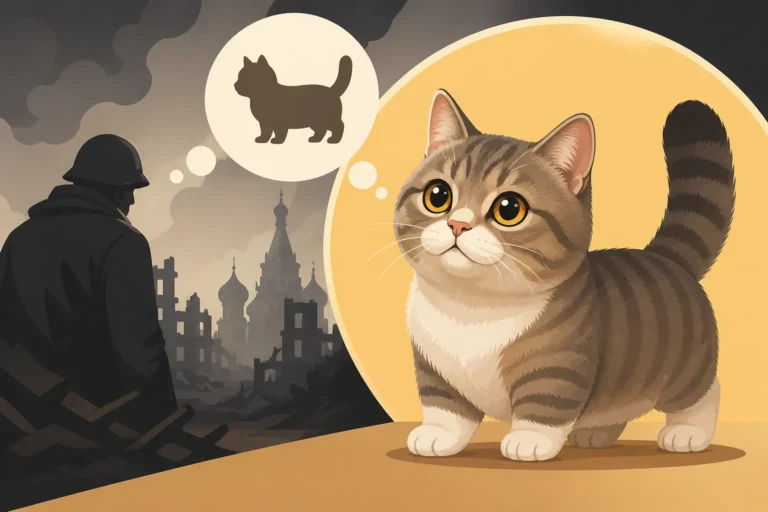
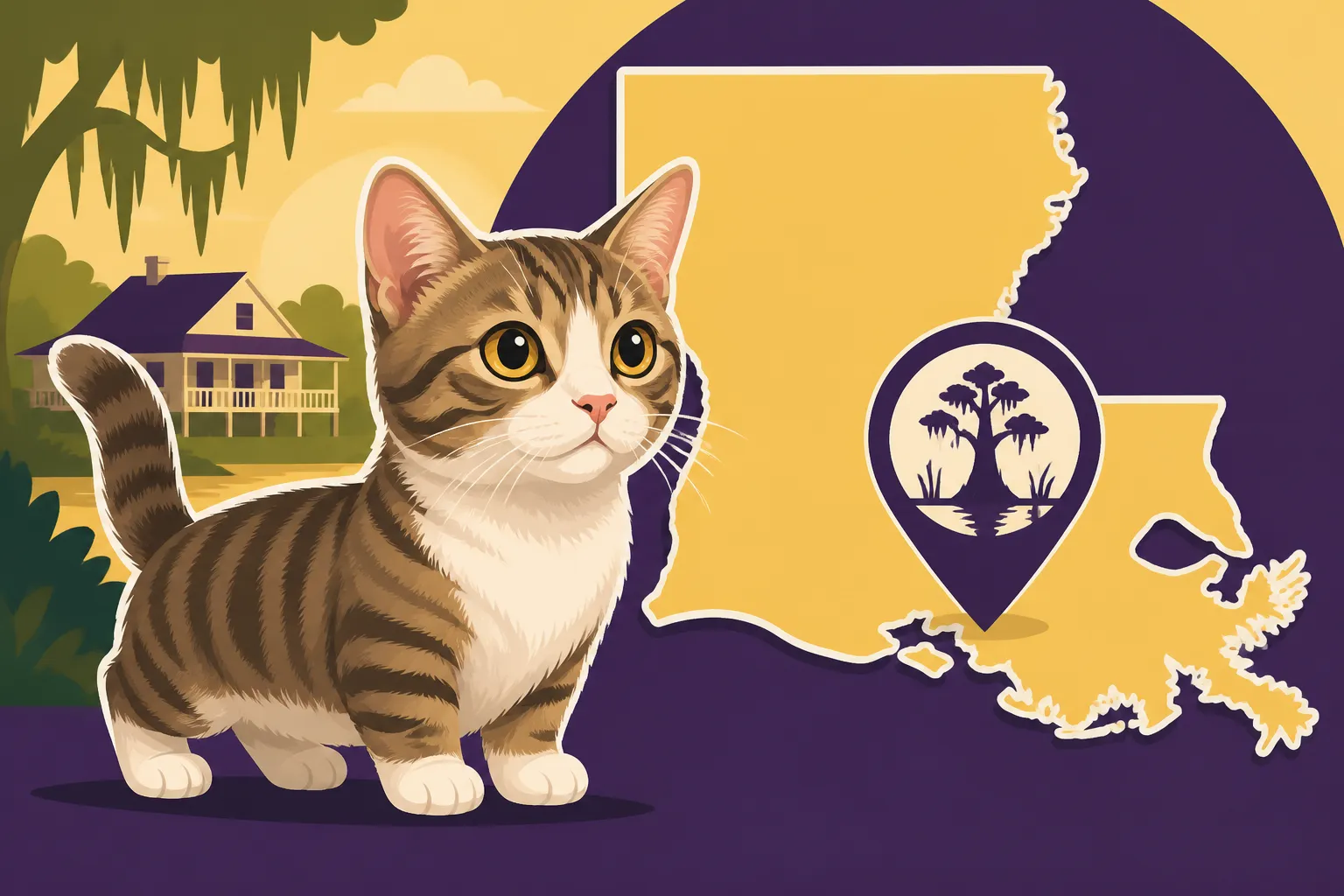
The story of the Munchkin cat doesn't start in a bustling metropolis or a grand estate, but in the unassuming, tranquil town of Rayville, Louisiana. Nestled in the northeastern part of the state, Rayville is the kind of place where life moves at a different pace, where community ties are strong, and where unexpected discoveries can genuinely happen. It’s a town that, perhaps, few outside of Louisiana would recognize, yet it holds a unique place in the annals of feline history as the very spot where the first known Munchkin cat was found.
Imagine a typical day in the early 1980s in a small American town. The streets aren't crowded, the sounds are mostly natural – perhaps birdsong, a distant hum of farm machinery, or the gentle rustle of leaves. This was the backdrop for the serendipitous discovery that would eventually lead to a globally recognized, albeit sometimes controversial, cat breed. It wasn’t a planned genetic experiment or a selective breeding program that brought the Munchkin into existence; it was a chance encounter with a stray cat exhibiting an unusual physical trait. This humble beginning in a quiet corner of Louisiana perfectly encapsulates the breed's accidental charm.
The very essence of Rayville – its rural setting and slower pace – provided the environment where a unique cat like Blackberry could be found and her distinctive trait noticed without the immediate scrutiny or sensationalism that might occur in a more urban environment. It was a place where a compassionate individual, Sandra Hochenedel, had the time and inclination to take in a stray, fostering the initial lineage that would become the foundation of the breed. This laid-back atmosphere allowed the genetic mutation to be observed and understood in a natural, unforced way.
Blackberry's First Appearance: The Truck in Rayville
The year was 1983, and the quiet routines of Rayville were about to be gently nudged by destiny. Sandra Hochenedel, a local school teacher, made a discovery that would resonate through the cat fancy for decades to come. The Truck the First Munchkin Was Found Under wasn't just any truck; it was a seemingly ordinary vehicle that served as temporary shelter for two stray cats. One of these cats, a pregnant black feline, possessed a striking and unmistakable characteristic: extremely short legs. This little cat, soon to be named Blackberry, would become the undisputed matriarch of the entire Munchkin breed.
Blackberry's unusual leg length was not due to injury or malnutrition; it was a genetic anomaly that made her stand out from other cats. Her short limbs gave her a distinctive low-slung appearance, almost like a ferret or a badger, a unique silhouette that would become synonymous with the breed. It was clear that this was not a common sight, even in an era where stray cats were unfortunately more common. Hochenedel, driven by compassion, took Blackberry and her companion, a long-legged cat, into her home. This simple act of kindness in a Louisiana backyard marked the true beginning of the Munchkin story.
What Hochenedel did next was crucial: she provided a safe, nurturing environment for Blackberry to give birth. When Blackberry's litter arrived, half of the kittens were born with the same short legs as their mother, while the other half had legs of normal length. This observation was the first empirical evidence that the trait was inheritable and not a random occurrence. It highlighted the dominant nature of the gene responsible for the short legs, a key piece of information that would later guide responsible breeding practices. Without this initial careful observation in Rayville, the significance of Blackberry's unique physique might never have been fully appreciated or understood.
From Local Discovery to Breed Foundation
The discovery of Blackberry and her unique kittens in Rayville wasn't just a fascinating local anecdote; it was the spark that ignited a new breed. Sandra Hochenedel, witnessing the consistent inheritance of the short legs, realized she had something truly special on her hands. She decided to keep one of Blackberry’s short-legged male kittens, naming him Toulouse, and gave another short-legged male to her friend, Kay LaFrance. This act of sharing these unique felines ensured that the trait had a chance to propagate and be studied further, moving beyond a single household in Rayville. What Hochenedel Did With the First Munchkin was more than just rescue; it was the inadvertent founding of a breed.
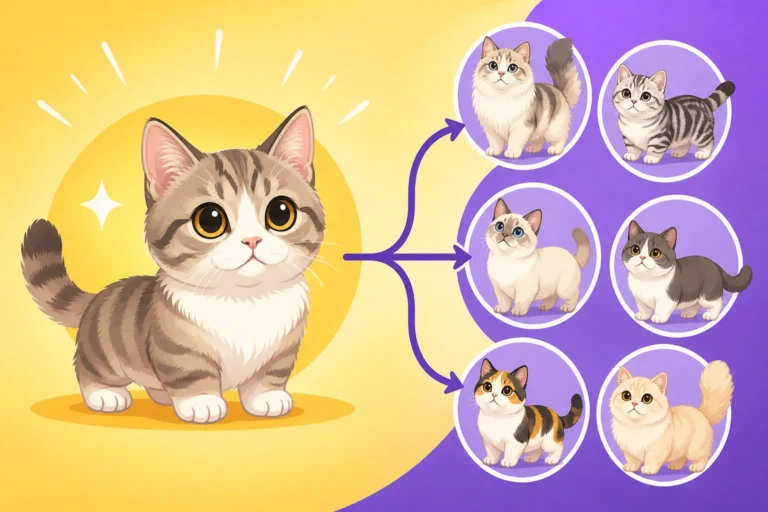
Toulouse, named after the famous French painter Henri de Toulouse-Lautrec, known for his short stature, became the direct sire for subsequent generations of Munchkins. By breeding Toulouse to other domestic cats with normal leg length, Hochenedel and LaFrance were able to establish a small breeding colony. This early breeding strategy, which still holds true today, demonstrated that the short-legged gene was autosomal dominant, meaning only one parent needed to carry the gene for it to be passed on to their offspring, and breeding two short-legged cats together would lead to lethal outcomes for homozygous embryos. Blackberry and Toulouse Are the Two Cats Behind Every Munchkin, truly forming the genetic backbone of the entire breed.
The efforts of these initial breeders in Louisiana were pivotal. They meticulously documented the litters, observing the health and temperament of the short-legged cats, which they found to be robust and active, despite their unique conformation. This careful, almost organic, process of observation and selective breeding in the early years allowed the Munchkin to develop as a distinct type of cat, showcasing its playful personality and adaptable nature. The initial groundwork laid by these individuals in a small Louisiana town was instrumental in transforming a chance genetic mutation into a recognized breed. The Munchkin Started Under a Truck in Louisiana in 1983, making Rayville an indelible part of its history.
The Small Town's Big Impact on Cat History
It’s truly remarkable how a simple discovery in a small Louisiana town could have such a profound and lasting impact on the world of domestic cats. Rayville might not be a household name globally, but for anyone interested in feline genetics and breed development, it represents the starting line. The initial care, observation, and breeding efforts that took place there were foundational, paving the way for the Munchkin to eventually step onto the international stage.
The journey from a Rayville backyard to international cat shows and recognition by associations like TICA (The International Cat Association) was a long one. Yet, without that initial, unassuming discovery, the entire lineage of short-legged cats would likely not exist as we know it today. The quiet streets and unhurried pace of Rayville allowed for the kind of personal, intimate interaction with these cats that fostered a deep understanding of their unique traits. It wasn't about commercial exploitation at first, but genuine curiosity and care.
This origin story also serves as a reminder of how new breeds can emerge from unexpected places and through natural genetic variations. While the Munchkin breed has faced its share of debate and controversy over the years – discussions about its health, welfare, and ethical breeding practices – its humble beginnings in Rayville underscore the accidental nature of its existence. It wasn't engineered in a lab; it simply was. This origin gives the breed a tangible connection to a specific time and place, grounding its story in reality. When you consider the vast array of cat breeds, the Munchkin’s story, starting with Blackberry under a truck in Rayville, is a testament to the diverse and often surprising ways our feline companions come into being.
To give you a clearer picture of the initial steps from discovery to breed establishment:
| Year | Event | Location | Key Individuals | Significance |
|---|---|---|---|---|
| 1983 | Discovery of Blackberry | Rayville, LA | Sandra Hochenedel | First known short-legged cat identified |
| 1983 | Blackberry's first litter | Rayville, LA | Sandra Hochenedel | Confirmed inheritability of short legs |
| ~1984 | Toulouse kept & bred | Rayville, LA | Sandra Hochenedel | Established initial breeding colony, demonstrated autosomal dominant trait |
| Early 1990s | Introduction to public | US | Various breeders | Started broader interest and formal study |
This early history, rooted deeply in Rayville, Louisiana, continues to shape the narrative around the Munchkin. Even as the breed became more widespread, with breeders now sometimes offering specialized products through retailers like Chewy for their unique needs, the fundamental starting point remains that simple discovery in a small town. When you are looking for specific items for your Munchkin, such as low-entry litter boxes or joint-supportive food, many owners find great resources on platforms like Chewy, which cater to a wide range of feline requirements, including those unique to short-legged cats. Understanding Why the Munchkin Gene Pool Stays Wide and Whether a Munchkin Lives as Long as a Normal Legged Cat all traces back to these foundational insights from its Louisiana roots.
The gentle introduction of the Munchkin to the wider world from its Rayville origins highlights the careful custodianship that many early breeders exercised. They were not simply selling pets; they were nurturing a new genetic line and observing its development over time. This mindful approach, born from the initial curiosity in Louisiana, contrasts sharply with some of the later commercial pressures and controversies that would arise as the breed gained popularity. It's a testament to the dedication that began in that small town. You might wonder about the various opinions surrounding the breed, and it's interesting to consider What Munchkin Breeders Say in Reply to critics, often referencing the breed's natural origins.
The legacy of Rayville, Louisiana, is undeniable in the Munchkin story. It's not just a place on a map; it's the genesis point where an ordinary truck, a unique stray cat, and a compassionate individual converged to start an extraordinary journey for a breed that continues to capture hearts and spark discussion worldwide. When looking for appropriate accessories or dietary needs for your Munchkin, many people turn to reputable retailers like Chewy, which can often supply specialty items like orthopedic beds or elevated bowls that cater to their unique physical structure. How Many Kittens in a Munchkin Litter Are Short Legged is also a direct result of the genetic inheritance first observed in Rayville. This small town will always be remembered as the birthplace of the delightful, distinctively short-legged Munchkin cat.
Disclaimer
This article is for general informational purposes only and does not constitute professional advice. Laws, prices and regulations vary by location and change over time. Consult a qualified professional for guidance on your specific situation.