Why a Munchkin That Stops Using Its Ramp Is Unwell
It’s incredibly disheartening and worrying when your beloved Munchkin, who usually zips around and uses their carefully placed ramps, suddenly avoids them. You’ve put in the effort to make their world accessible, so when they change their routine, it immediately flags that something isn’t quite right. This guide will help you understand the common reasons why a Munchkin might stop using its ramps and what steps you can take to figure out what’s going on and get them back to comfort and confidence.
Understanding Your Munchkin’s Relationship with Ramps
Let’s be honest, Munchkin cats have a unique physique that requires a bit more thought and planning in their environment. Their charmingly short legs mean that jumping onto sofas, beds, or even window sills isn't just tricky; it can be downright impossible or even painful. That's where ramps and pet steps come in. For a Munchkin, these aren't luxuries – they are essential tools that enable them to navigate their home safely and maintain their independence.
A Munchkin uses ramps not just for convenience, but as a primary means of reaching higher surfaces without putting undue strain on their spine and joints. Think about it: a normal-legged cat can easily spring onto a chair. A Munchkin, however, relies on a gradual incline or a series of steps to achieve the same height. They learn these routes early on, and they become ingrained in their daily routine. If you've been careful to provide appropriate access points, your cat should be using them without a second thought. How to Teach a Munchkin to Use a Ramp is a crucial part of early training. So, when this routine breaks down, it’s a big deal for them and a clear signal to us.
Why Ramps are Non-Negotiable for a Munchkin
Imagine trying to climb a mountain when everyone else has skis, and you’re relying on a unicycle. That’s a bit how a Munchkin navigates a home without proper ramps or steps. Their short stature, while adorable, means they compensate for vertical movement in other ways. They might try to launch themselves from furniture, leading to awkward landings that jar their already vulnerable joints. Or, they might simply give up and become isolated from their favorite perches or cuddle spots.
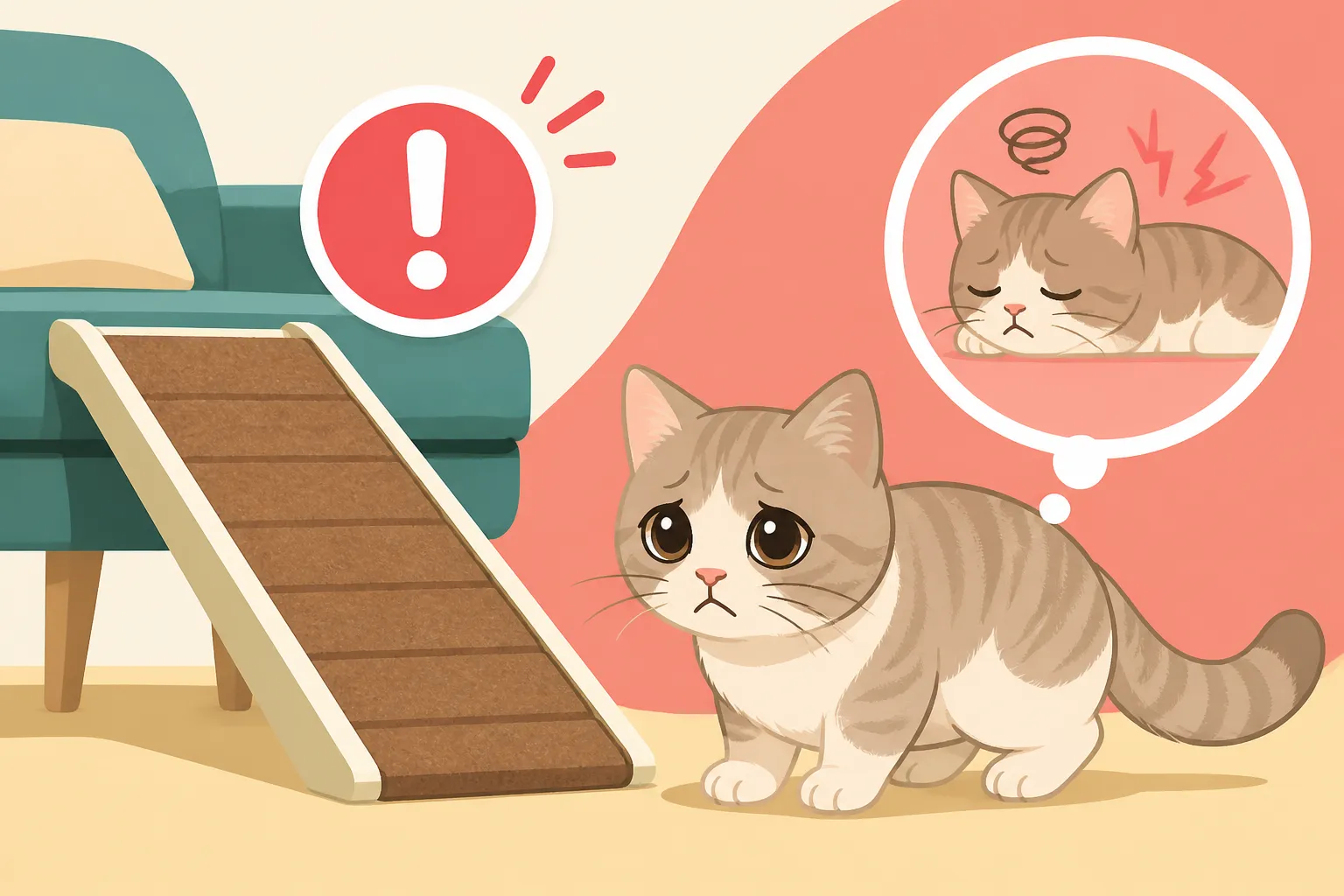
Without ramps, your Munchkin's world shrinks dramatically. They might stop interacting with family members on the sofa, or forgo their favorite sunny spot on the windowsill. This isn't just about physical access; it's about their mental well-being and enrichment. A Munchkin needs to feel secure and able to reach the places they desire, just like any other cat. When a ramp suddenly goes unused, it often means the cat no longer feels safe or comfortable using it, and that warrants immediate investigation.
Non-Health Related Reasons for Avoiding Ramps
Sometimes, the reason your Munchkin stops using their ramp isn't immediately alarming, but it still needs your attention. Cats are creatures of habit and can be surprisingly sensitive to minor changes in their environment or in their trusted access points. Before you panic, consider these simpler, non-medical possibilities.
Changes to the Ramp Itself
Even the slightest alteration to a ramp can make a Munchkin hesitant. Here are some things to check:
- Stability Issues: Has the ramp become wobbly? Perhaps a screw has loosened, or it's shifted on the floor. A ramp that wobbles even a little can feel insecure to a cat, and they might avoid it out of caution. Remember, their low center of gravity makes them less agile in precarious situations.
- Surface Texture: Has the carpet or grip material on the ramp worn out or become slick? A new cleaning product might have left a residue that makes it slippery. Cats rely on good traction, especially those with shorter legs, and a slick surface is an accident waiting to happen. If the ramp is plastic or wood, consider adding adhesive carpet strips or non-slip mats, easily found on Amazon, to provide better grip.
- Obstructions: Has something been placed near or on the ramp that blocks their path or makes them feel cornered? A misplaced cushion, a child's toy, or even a different scent from a new laundry basket nearby could be enough to deter them.
- Age and Wear: Like all things, ramps can wear out. Perhaps the incline has changed slightly due to age, or a connecting piece has become loose, creating an uneven surface. Regularly inspecting ramps for wear and tear is part of Caring for an Old Munchkin That Has Stopped Climbing.
Environmental Changes and Psychological Factors
Cats are very sensitive to their surroundings, and a Munchkin is no exception. Changes that seem minor to us can be significant to them.
- New Furniture or Layout: Did you move the sofa slightly, or add a new piece of furniture that changes the approach to the ramp? Even a minor adjustment can throw off their mental map of the house.
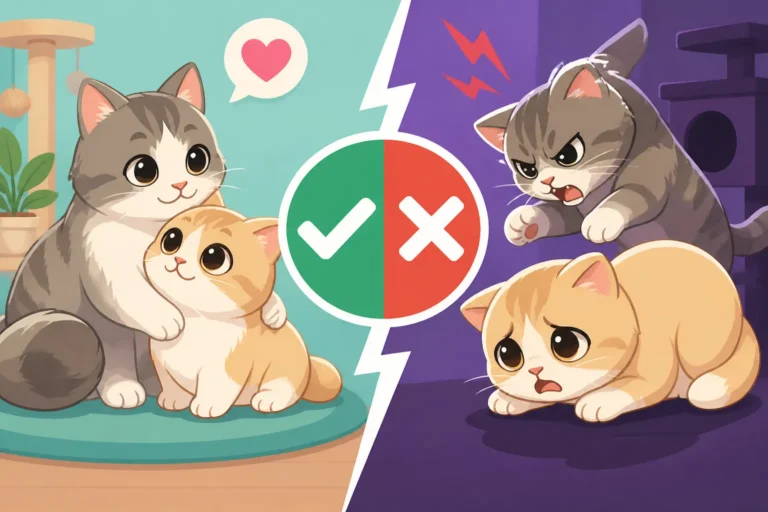
- New Pets or People: The introduction of a new pet (especially a more rambunctious dog or another cat) or even a new family member can cause stress. If your Munchkin feels threatened or intimidated, they might avoid high places or routes where they feel vulnerable to ambush. Introducing a Long Legged Cat to a Munchkin requires careful planning to ensure the Munchkin's safety and comfort.
- Negative Experiences: Did your Munchkin have a bad experience on or near the ramp? Maybe they slipped, or a loud noise startled them while they were using it. Cats remember negative associations and might avoid that area to prevent a repeat.
- Stress or Anxiety: Underlying stress or anxiety, even from unrelated issues, can manifest as changes in behavior, including reluctance to use familiar objects or routes. Cats thrive on routine, and disruptions can be unsettling.
Health Concerns Affecting Ramp Use
This is often the most worrying possibility, and for good reason. Given a Munchkin’s unique skeletal structure, any reluctance to use ramps should prompt you to consider potential health issues. Their short legs and long body mean their spine and joints carry a different load than a typical cat, making them more susceptible to certain conditions.
Joint Pain and Arthritis
One of the most common reasons a Munchkin might stop using a ramp is pain or discomfort in their joints. Their short limbs mean more stress is placed on their elbows, shoulders, and hips during movement, especially when navigating inclines or jumps.
- Osteoarthritis: Just like humans, cats can develop arthritis as they age. This condition causes inflammation and degeneration of the joint cartilage, leading to pain, stiffness, and reduced mobility. Whether a Munchkin Gets Arthritis Earlier is a common concern, and the answer is often yes, due to the biomechanics of their short legs. You might notice your Munchkin hesitating, moving slower, or even limping slightly. They might become reluctant to put weight on a limb, or find the angle of the ramp too painful to manage.
- Shoulder and Elbow Discomfort: Why a Munchkin's Shoulders Wear First is directly related to how they carry their weight and absorb impact. Every time they step down from a height, even a small one, their front legs bear the brunt. This constant pressure can lead to chronic pain in the shoulder and elbow joints. When these areas ache, climbing or descending a ramp becomes a painful ordeal, and they'll understandably try to avoid it. Why a Munchkin's Elbows Take the Landing highlights this specific vulnerability.
- Hip Dysplasia: While less common in cats than dogs, hip dysplasia can occur and cause significant discomfort, making it hard to push off with their hind legs to ascend a ramp. You might notice a bunny-hopping gait or a general stiffness in their rear quarters.
Spinal Issues: Lordosis and Spinal Load
The Munchkin's distinctive appearance comes from a genetic mutation affecting their long bones, but their spine itself is typically of normal length. However, this doesn't mean it's immune to problems, especially given the way their body sits low to the ground.
- Lordosis: This is a severe inward curvature of the spine, often seen in Munchkins, where the spine dips down towards the belly. It’s not unique to the breed, but it is a concern. What Lordosis Actually Is in a Munchkin can range from mild to severe. If lordosis progresses or causes pain, it can make any kind of climbing or even walking uncomfortable. A cat with lordosis might avoid ramps because the movement exacerbates the spinal curvature, causing pain or muscle spasms. How Early Lordosis Shows in a Munchkin Kitten means breeders should be screening for it from a young age.
- Increased Spinal Load: Because their legs are short, a Munchkin's spine carries a unique load. Why a Munchkin's Spine Carries a Load a Normal Cat's Does Not means that any extra weight or awkward movement can put pressure on their vertebrae and surrounding muscles. If they have any underlying spinal sensitivities or developing issues, the act of flexing or extending their back to climb a ramp could trigger pain.
Weight Management and General Illness
An often-overlooked factor is a Munchkin's weight. Their compact size and lower activity levels mean they can gain weight easily, and this extra burden has serious implications for their mobility.
- Obesity: Why an Overweight Munchkin Is in Real Trouble cannot be stressed enough. Every extra pound on a Munchkin's frame puts immense additional stress on their already susceptible joints and spine. Climbing a ramp becomes more strenuous and painful. An overweight Munchkin might simply be too uncomfortable or exhausted to make the effort. You might also notice their belly dragging more Why a Heavy Munchkin's Belly Drags, which can impede movement and make them avoid anything requiring precise foot placement.
- Other Illnesses: Sometimes, a reluctance to use ramps is a secondary symptom of a broader health issue. Pain from dental problems, bladder infections, or even early-stage organ disease can make a cat feel generally unwell, lethargic, and less inclined to move or engage in normal activities. Why a Withdrawn Munchkin Should See a Vet is always good advice if you notice a change in behavior, including ramp avoidance.
- Muscle Weakness: As Munchkins age, they can lose muscle mass, particularly in their hindquarters and shoulders. How to Tell Stiffness From Old Age in a Munchkin often involves observing this muscle loss. Weak muscles make climbing difficult, even if there isn't outright joint pain. They might struggle to generate the necessary power to ascend a ramp or maintain stability descending it.
What to Do When Your Munchkin Avoids Its Ramps
If your Munchkin stops using its ramps, it’s not something to ignore. Your first step should always be a thorough assessment, both at home and with your veterinarian.
Home Assessment and Initial Steps
Start by becoming a detective in your own home.
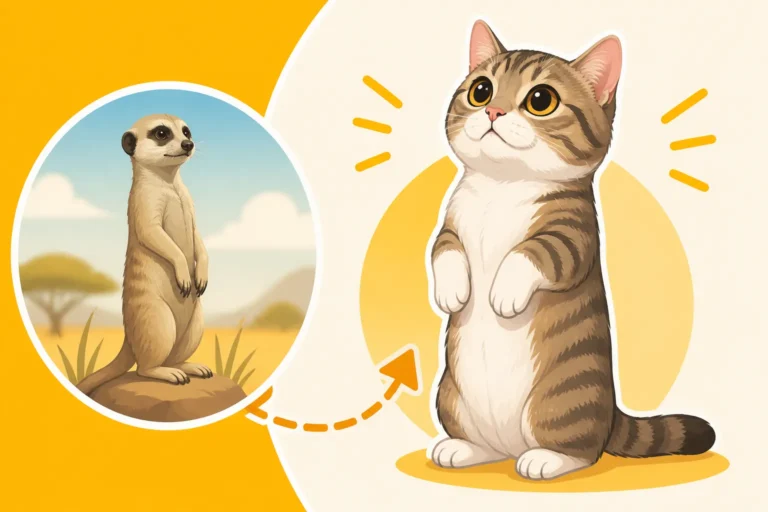
- Observe Closely: Spend time watching your Munchkin. Does the reluctance apply to all ramps or just one? Do they show pain when touched or moved? Are they limping or moving differently? Is their appetite or litter box use normal? Are they doing the "prairie dog sit" more or less? Pay attention to their gait when they walk on flat surfaces versus attempting an incline. You might want to Whether a Munchkin Should Be Filmed Walking for the Vet to give your vet more information.
- Inspect the Ramps: Go over each ramp with a fine-tooth comb. Check for stability, loose parts, slippery surfaces, and any new obstructions. Make sure the ramp is still at a comfortable angle and not too steep. You can often find non-slip materials or even new, gentler-sloped ramps on Amazon or at specialty pet stores.
- Gentle Palpation: Very gently, run your hands over your cat’s back, legs, and joints. Watch for any flinching, muscle tension, or signs of pain. However, be extremely cautious not to cause further discomfort. If they show any pain, stop immediately.
- Check Their Weight: If you have a pet scale, weigh your Munchkin. Compare it to their ideal weight. Even a small increase can make a big difference to their comfort. How to Score a Munchkin's Body Condition can help you determine if they are overweight.
When to Call the Vet
If you’ve checked the ramps and environment, and the issue persists, or if you suspect any pain or discomfort, a vet visit is absolutely essential. Don't delay, as early intervention can make a significant difference.
- Comprehensive Physical Exam: Your vet will perform a thorough physical examination, paying close attention to your Munchkin’s musculoskeletal system. They will palpate joints, assess range of motion, and observe their gait. They will also Why a Munchkin Kitten's Spine Should Be Palpated to check for signs of lordosis or other spinal abnormalities.
- Diagnostic Imaging: Be prepared for your vet to recommend X-rays. These images can reveal signs of arthritis, spinal changes (like lordosis), hip dysplasia, or other skeletal issues. When a Munchkin Should Have Its Spine Imaged is a question worth discussing with your vet, especially if mobility issues arise.
- Blood Work: Blood tests can help rule out underlying systemic illnesses that might be causing lethargy or generalized pain. Which Blood Values Matter Most in a Munchkin can give insights into kidney function, thyroid health, and other indicators.
- Pain Management and Treatment Options: If a medical cause is identified, your vet will discuss treatment options. This might include anti-inflammatory medications, pain relievers, joint supplements (often containing glucosamine and chondroitin sulfate), or even physical therapy. What Pain Relief a Stiff Munchkin Can Take is an important conversation to have. For older cats, What an Old Munchkin Stops Being Able to Do is often linked to mobility, and these treatments can greatly improve their quality of life.
Adjusting Their Environment for Ongoing Comfort
Regardless of the cause, adapting your home will be key to helping your Munchkin stay mobile and happy.
- More Ramps and Steps: You might need to add more ramps, or replace existing ones with models that have a gentler incline or better grip. Consider placing them at every access point to elevated surfaces.
- Lowered Access: Ensure essential items like litter boxes and food/water bowls are easily accessible. Which Litter Box a Munchkin Can Actually Enter is critical; a low-entry box can prevent painful contortions. Why a Munchkin's Food and Water Belong at Floor Level or in raised, but easily reachable, bowls is crucial to prevent neck and back strain.
- Soft Landings: Place soft rugs or mats at the bottom of ramps or any areas where your Munchkin might still attempt a small jump, to cushion landings and reduce impact on their joints.
- Weight Management: Work with your vet to establish a healthy weight management plan if your Munchkin is overweight. This is probably the single most impactful thing you can do for their long-term joint and spinal health. Why Weight Is More Dangerous on a Munchkin cannot be overstated.
- Grooming Assistance: If your Munchkin is stiff or painful, they might struggle to groom themselves, especially their hindquarters. What a Munchkin Cannot Reach to Groom becomes more pronounced with age or pain. You may need to assist them with regular brushing and even sanitary clips to prevent matting and skin issues.
Seeing your Munchkin struggle with something as basic as a ramp is distressing, but it’s an important signal that they need your help. By carefully observing their behavior, addressing any environmental factors, and consulting with your veterinarian, you can uncover the root cause and ensure your beloved short-legged companion continues to live a full, comfortable, and happy life.
Disclaimer
This article is for general informational purposes only and does not constitute professional advice. Laws, prices and regulations vary by location and change over time. Consult a qualified professional for guidance on your specific situation.