How Much a Standard Legged Munchkin Costs
It’s a common misconception that every Munchkin cat has those adorable, signature short legs. In reality, a significant portion of any Munchkin litter will be born with legs of standard, normal length, inheriting the genetic traits without expressing the dwarfism. If you're considering welcoming a Munchkin into your home, understanding the cost associated with these standard-legged siblings is crucial, not just for your budget, but also for appreciating the full scope of this unique breed's genetics and responsible breeding practices.
Understanding the Standard-Legged Munchkin
When people talk about Munchkin cats, they almost universally picture the short-legged variety, often called "Standard Munchkins" by breeders in contrast to the longer-legged siblings. However, the genetics of the Munchkin breed dictate that not all kittens in a litter will inherit two copies of the normal leg gene. The short-leg gene is dominant, but a cat only needs one copy to have short legs. Since breeding two short-legged Munchkins is highly discouraged due to lethal genetic implications, breeders always cross a short-legged Munchkin with a normal-legged domestic cat, or a normal-legged cat that carries the Munchkin gene. This means that roughly half of every Munchkin litter will have standard-length legs, just like any other domestic cat. These "long-legged" or "non-standard" Munchkins are a vital part of the breed's continued health and genetic diversity.
The Genetics Behind Leg Length
The Munchkin's characteristic short legs are a result of an autosomal dominant mutation. This means that a cat only needs to inherit one copy of this specific gene from a parent to display the short-legged trait. If a cat inherits two copies of the gene, it is considered homozygous, and unfortunately, these embryos are not viable and are reabsorbed in the womb. This is precisely why breeders will never mate two short-legged Munchkins together; it's a practice universally condemned within responsible breeding circles because it results in embryonic loss and does nothing to improve the breed. Instead, a short-legged Munchkin is always bred with a normal-legged domestic cat, which is sometimes referred to as a "Munchkin outcross" or simply a non-Munchkin domestic cat.
This breeding strategy ensures the viability of the litter and is a fundamental aspect of Munchkin genetics. It directly results in litters that typically contain both short-legged and long-legged kittens. The long-legged kittens, while carrying some of the same genetic heritage, do not possess the specific gene that causes chondrodystrophy, or dwarfism, which affects bone and cartilage growth. How Munchkin Dwarfism Is Inherited provides a deeper dive into this fascinating genetic blueprint. These long-legged kittens are genetically Munchkins in lineage but phenotypically, they appear and behave like any other domestic cat in terms of mobility and physical structure.
What Makes a Standard-Legged Munchkin Different
Beyond the obvious difference in leg length, a standard-legged Munchkin is, in many ways, just a regular cat. They possess the full range of mobility, jumping ability, and agility that a typical domestic shorthair or longhair cat would have. They can leap onto counters, scale cat trees with ease, and navigate vertical spaces without any physical limitations imposed by their bone structure. This contrasts sharply with their short-legged siblings, who often develop unique ways of navigating their environment, such as the famous "prairie dog sit" or finding alternative routes to elevated spots.
Despite their normal leg length, these cats are still considered Munchkins by TICA (The International Cat Association), the primary registry that recognizes the breed. They can be registered and often play a critical role in breeding programs, allowing for a wider gene pool and reducing the risk of genetic bottlenecks that can occur when breeding within a very small population. While they won't compete in the show ring for their short legs, their temperament and health are just as important as their short-legged counterparts. Whether a Long Legged Munchkin Can Be Registered covers the nuances of their official status. These standard-legged cats often make wonderful pets, offering the delightful personality associated with Munchkins without the unique physical considerations.
Factors Influencing the Price of a Standard-Legged Munchkin
When you're looking at bringing a standard-legged Munchkin into your home, you might be pleasantly surprised by the price point compared to their short-legged siblings. However, their cost isn't fixed; it's influenced by several factors, mirroring many aspects of how other purebred or pedigreed cats are priced. It's important to understand these nuances so you can make an informed decision and ensure you're getting a healthy, well-socialized kitten from a reputable source.
Breeder Reputation and Care
The reputation of the breeder plays a monumental role in the price of any kitten, including standard-legged Munchkins. A responsible, ethical breeder invests significantly in the health, temperament, and well-being of their cats. This includes extensive health screenings for the parent cats, ensuring they are free from common feline diseases and genetic conditions. They provide optimal nutrition, a clean and stimulating environment, and early socialization for the kittens. These breeders also ensure that their kittens receive all necessary vaccinations, deworming treatments, and a thorough vet check before going to their new homes. What a Munchkin Breeder Should Be Able to Show You outlines the transparency and documentation you should expect from such a breeder.
These comprehensive care practices, while ensuring a healthier and better-adjusted kitten for you, do contribute to the overall cost. A breeder who cuts corners on vet care, nutrition, or genetic testing might offer a lower price, but this often comes at the expense of the kitten's long-term health, potentially leading to far greater veterinary bills down the line. It's truly a case of "you get what you pay for." A reputable breeder will also be transparent about the health history of their lines, even for conditions not directly related to leg length, which is crucial for overall health assurance.
Pedigree and "Pet Quality" Status
Even though a standard-legged Munchkin won't have the characteristic short legs desired for the show ring, its pedigree still holds value. The lineage of a kitten, indicating its ancestry and the quality of the breeding cats, can influence its price. If the kitten comes from a line of champion Munchkins or highly regarded outcrosses, this can elevate its price, even if it's considered "pet quality." This is because the pedigree reflects a history of careful breeding for temperament, health, and conformation to the breed standard in aspects other than leg length.
Most standard-legged Munchkins are sold as "pet quality" cats, meaning they are intended solely as companions and typically come with a spay/neuter contract. This prevents them from being used in breeding programs, especially if they carry the short-leg gene. However, some breeders might occasionally sell a long-legged Munchkin with breeding rights if it's determined to be a valuable addition to a breeding program, particularly if it's a quality outcross that carries the Munchkin gene. This is a much rarer occurrence and would naturally command a significantly higher price due to its potential genetic contribution. What a Long Legged Munchkin Kitten Is Worth further explores the value placed on these distinct littermates.
Location and Market Demand
Just like real estate, the cost of a standard-legged Munchkin can vary significantly depending on your geographical location and the local market demand. In areas where Munchkins are particularly popular or where there are fewer reputable breeders, prices tend to be higher. Conversely, in regions with a greater supply or less demand, prices might be more moderate. Shipping costs, if applicable, would also add to the overall price if you're acquiring a kitten from a breeder out of state or country.
The economic climate also plays a role; in periods of higher discretionary income, demand for exotic or purebred cats can increase, potentially driving up prices. It's always a good idea to research breeders within a reasonable travel distance and compare their practices and pricing. While online pet marketplaces are prevalent, exercising extreme caution is vital, as scams are unfortunately common. Always prioritize meeting the breeder in person, visiting their cattery, and seeing the kittens and parents in their home environment to ensure legitimacy and the well-being of the animals.
Here’s a general comparison table to illustrate how various factors might affect the price differences you might encounter:
| Factor | Short-Legged Munchkin (Pet Quality) | Standard-Legged Munchkin (Pet Quality) | Notes |
|---|---|---|---|
| Purchase Price Range | Typically higher | Typically lower | Reflects the unique trait and demand for short legs. |
| Breeder Reputation | Significant impact, higher for quality lines | Significant impact, higher for quality lines | Ethical breeding practices, health testing, and care always add value. |
| Pedigree Quality | Higher if from champion lines | Higher if from champion lines | Strong lineage indicates care and good genetic health, even without short legs. |
| Color/Coat Pattern | Minor impact | Minor impact | Can add a small premium for rare or highly sought-after aesthetics. |
| Breeding Rights | Extremely rare, very high cost | Rare, moderate to high cost | Standard-legged cats with breeding rights are valued for genetic contribution. |
| Health Guarantees | Standard for reputable breeders | Standard for reputable breeders | Crucial for peace of mind, regardless of leg length. |
| Spay/Neuter Contract | Common for pet quality | Common for pet quality | Ensures responsible pet ownership and prevents indiscriminate breeding. |
Beyond the Purchase Price: Lifetime Costs for a Standard-Legged Munchkin
While the initial purchase price of a standard-legged Munchkin might be less than its short-legged sibling, it's crucial to remember that this is just the beginning of your financial commitment. A cat is a long-term companion, and a responsible owner budgets for all the ongoing costs of care, food, vet visits, and unexpected expenses. Many of these costs will be identical to any other domestic cat, but it’s always wise to break them down. What a Munchkin Costs Over Thirteen Years gives a complete financial picture.
Essential Supplies and Routine Care
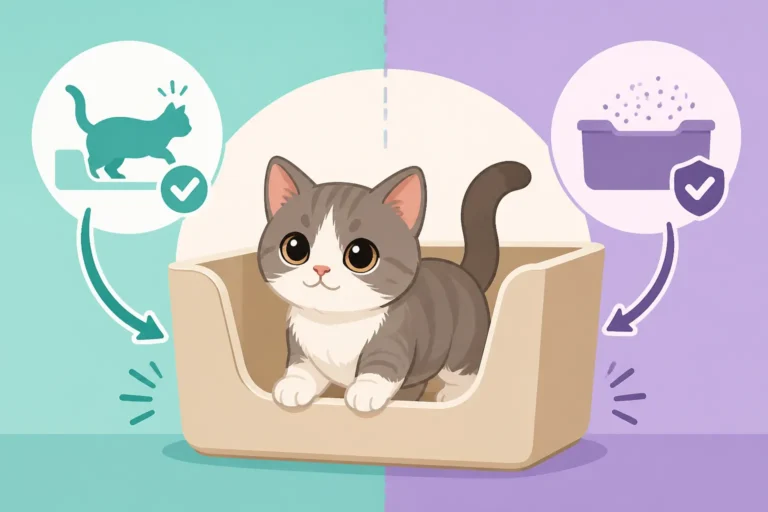
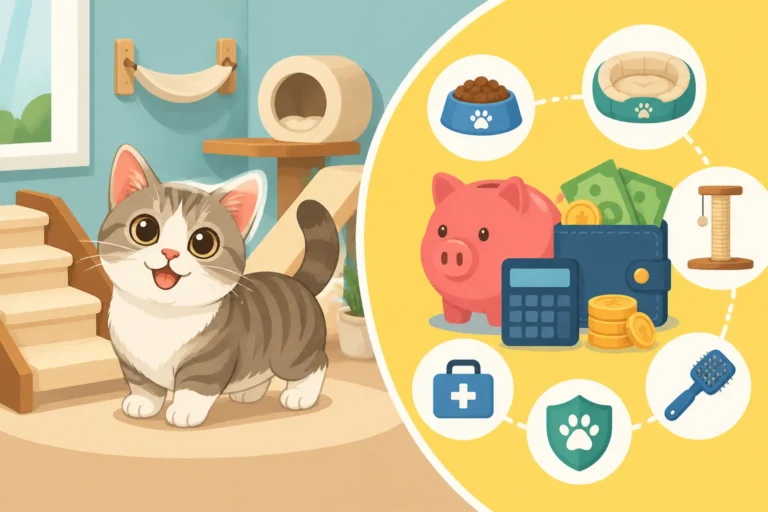
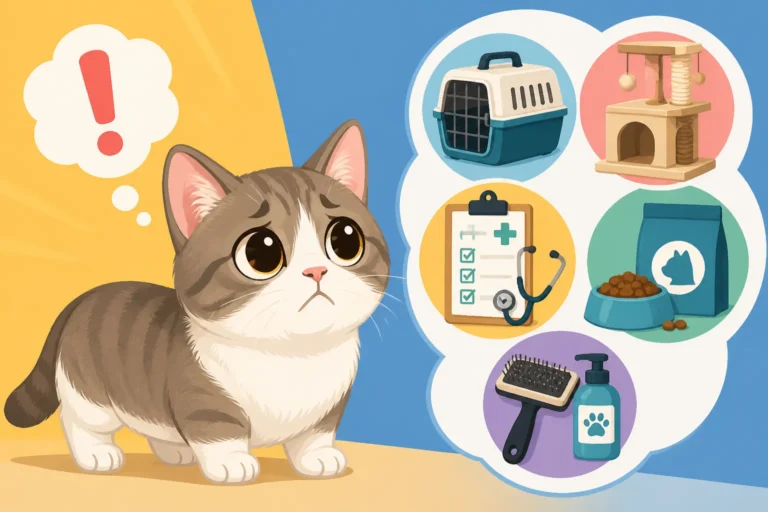
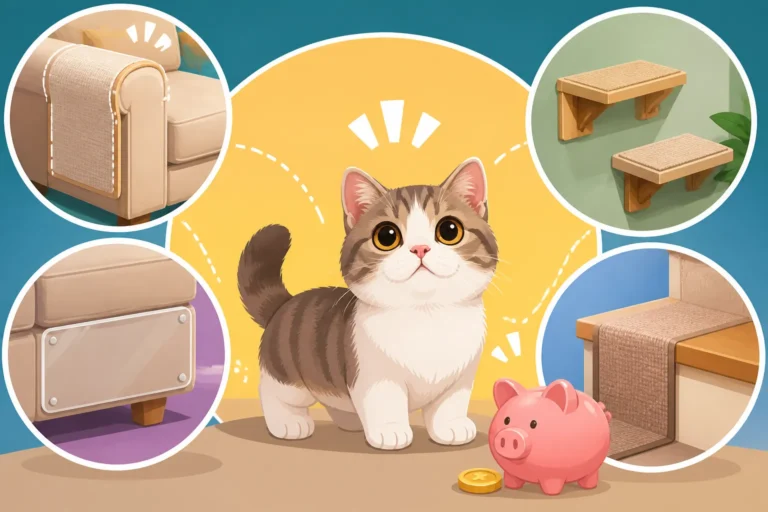
Bringing any new cat home means an initial outlay for essential supplies. For a standard-legged Munchkin, this includes basics like a litter box (a low-entry box can still be a good choice for comfort, even if not strictly necessary for mobility), high-quality litter, food and water bowls, a comfortable bed, a carrier for vet visits, and a variety of toys to keep them stimulated. While your standard-legged Munchkin can jump, a sturdy cat tree with closely spaced platforms might still be appreciated for climbing and observation. Scratching posts are a must, both vertical and horizontal, to save your furniture. Websites like Chewy offer a vast selection of these items, often making it convenient to get everything you need in one go.
Routine care involves ongoing expenses. High-quality cat food is a significant portion of the monthly budget. While standard-legged Munchkins don't have the same mobility constraints as their short-legged relatives, they still benefit from excellent nutrition. Regular grooming, including brushing (especially for longhaired varieties) and nail trims, is also essential. Even though they can groom themselves effectively, a little help from you keeps their coat in top condition. Don't forget parasitic prevention, such as flea, tick, and heartworm medications, which are vital for all cats, even indoor ones.
Veterinary Care and Pet Insurance
Veterinary care is perhaps the most critical long-term financial consideration. Standard-legged Munchkins generally face fewer breed-specific health concerns related to their bone structure than their short-legged counterparts, but they are still susceptible to all the common ailments that can affect any cat. Regular annual check-ups, booster vaccinations, and dental care are non-negotiable. As they age, costs can increase due to potential development of conditions like kidney disease, hyperthyroidism, or arthritis, just like any senior cat. Which Blood Values Matter Most in a Munchkin offers insight into health monitoring for the breed.
This is where pet insurance becomes a wise investment. Companies like Healthy Paws can help mitigate the financial shock of unexpected illnesses or accidents. While a standard-legged Munchkin might not be predisposed to the same spinal issues as their short-legged siblings, a broken leg, a sudden illness, or a chronic condition can still run into significant costs. Having a good insurance policy in place ensures you can provide the best possible care without being burdened by exorbitant vet bills. Research different plans and what they cover to find one that suits your budget and your cat's potential needs.
Where to Find and How to Vet a Standard-Legged Munchkin
Finding a standard-legged Munchkin often means looking through the same channels as you would for a short-legged one – reputable breeders. It’s vital to approach this search with due diligence, as the demand for Munchkins can sometimes attract less scrupulous individuals. Your goal is to find a healthy, well-socialized kitten that will thrive in your home for years to come.
Connecting with Reputable Breeders
The best way to find a standard-legged Munchkin is to seek out reputable Munchkin breeders. These breeders will often have kittens of both leg lengths in their litters and will be transparent about their pricing, health testing, and breeding practices. Start by looking at breed club websites, such as those associated with TICA, for lists of registered breeders. Don't be afraid to ask detailed questions about the parents, their health clearances, and the socialization the kittens receive. A good breeder will welcome your questions and be eager to ensure their kittens go to loving, prepared homes.
When you contact a breeder, specify that you are interested in a standard-legged Munchkin. Some breeders might offer these kittens at a slightly older age, as they prioritize placing the short-legged kittens first due to higher demand. This can sometimes be an advantage for you, as an older kitten will have more developed personality and might already be spayed or neutered. Always request to see the cattery environment, meet the kitten’s parents if possible, and verify health records. How a Breeder Plans a Munchkin Mating can help you understand the breeder's approach.
What to Look For in a Kitten and Contract
When you finally meet a standard-legged Munchkin kitten, observe its behavior. It should be playful, curious, and well-socialized, showing no signs of shyness or aggression. Its coat should be clean and shiny, eyes clear, and ears free of discharge. Ask about the kitten's diet and vaccination schedule. A reputable breeder will provide a health guarantee, often covering specific genetic conditions for a certain period. The contract should outline the terms of sale, including whether the kitten is sold as "pet only" with a spay/neuter clause.
Even for a standard-legged cat, ensure the contract specifies that the kitten has been vet-checked and is free from any discernible health issues. While they don't have the same orthopedic concerns as their short-legged siblings, general health is paramount. Be wary of any breeder who pushes for a quick sale, offers unusually low prices without explanation, or refuses to provide detailed health information or allow you to visit their premises. These are significant red flags that could indicate a backyard breeder or even a scam. Why a Cheap Munchkin Is a Warning rings true for standard-legged kittens just as much as for the short-legged ones.
Disclaimer
This article is for general informational purposes only and does not constitute professional advice. Laws, prices and regulations vary by location and change over time. Consult a qualified professional for guidance on your specific situation.