How Few Calories a Munchkin Actually Burns
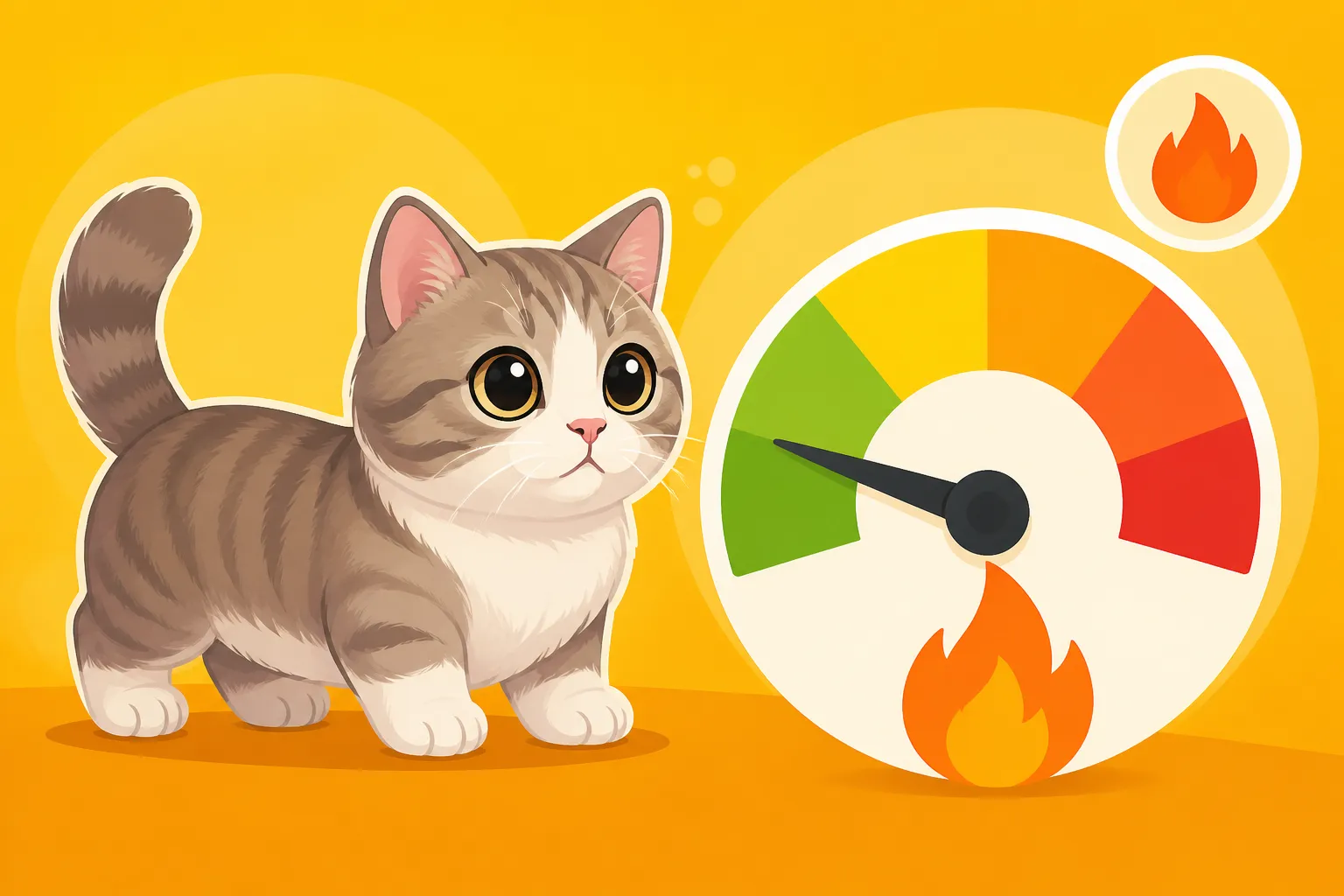
It’s easy to look at a Munchkin cat and think they're just like any other feline, perhaps even more energetic because of their playful antics. But the truth is, their unique short stature means they simply don't burn calories in the same way a long-legged cat does. This often leads to owners inadvertently overfeeding them, which can quickly spiral into significant health issues. This guide is here to help you understand precisely why Munchkin cats need fewer calories than you might expect and how to tailor their diet and environment to keep them healthy and happy.
The Unique Energy Expenditure of a Munchkin Cat
Understanding how a Munchkin cat's body works differently is the first step in managing their caloric intake. Their defining feature, those adorable short legs, impacts everything from their movement to their overall energy consumption. They're not just 'small' cats; they're cats with a specific genetic mutation that alters their skeletal structure, which in turn affects their daily activity and metabolic needs.
How Short Legs Impact Calorie Burn
Imagine trying to run a marathon with very short strides compared to someone with long, loping ones. While perhaps an exaggeration, it illustrates a fundamental difference in a Munchkin's movement. Their short legs mean they might take more steps to cover the same distance as a normal-legged cat, but these steps are often less energy-intensive. They don't jump as high or as frequently, and their overall range of motion can be more restricted. This reduced vertical activity and different gait mean they simply expend less energy on daily movements that other cats take for granted. Why a Munchkin Burns Less Than a Normal Legged Cat is a good read if you want to dive deeper into this specific aspect.
Think about how much a regular cat stretches up a tall scratching post, leaps onto a high shelf, or bounds across a room in pursuit of a toy that sails through the air. A Munchkin, while incredibly agile and inventive, performs these actions with less explosive power or simply finds alternative, less strenuous ways to achieve their goals. They might use furniture as steps, or prefer ground-level play, which, while still engaging, doesn't burn as many calories as constant leaping and climbing. This isn't to say they are lazy; far from it, they are often bundles of energy, but their energy is often channeled differently, resulting in a lower overall caloric burn rate.
Differences in Movement Patterns
A Munchkin's movement isn't just about height; it's about the entire kinetic chain. Their spine carries a load differently due to the compensatory movements required by their short legs. While their body length is typically normal, their legs are proportionally much shorter. This changes their center of gravity and the way they propel themselves. Instead of the powerful spring of a long-legged cat, a Munchkin often exhibits a more "ferret-like" or "weasel-like" gait – a low-slung, scuttling movement that conserves energy.
This unique gait, while charming, means their muscles aren't always working in the same way or with the same intensity as a cat with standard leg length. They might take more horizontal steps but fewer vertical jumps, and vertical movement is often a significant calorie burner for cats. They also tend to "prairie dog" sit, which is an adorable posture where they sit up on their hind legs to get a better view. While cute, this isn't a high-intensity exercise that burns many calories, but rather a momentary stretch and observation stance. These adaptations allow them to navigate their world efficiently, but at a lower energetic cost.
The Critical Link Between Weight and Munchkin Health
For any cat, maintaining a healthy weight is important, but for a Munchkin, it is absolutely paramount. Their unique skeletal structure, particularly the load-bearing on their spine and joints, makes them particularly vulnerable to the detrimental effects of even a few extra pounds. Overweight is not just a cosmetic issue; it's a direct threat to their quality of life and longevity.
Increased Stress on Joints and Spine
This is perhaps the most crucial point for Munchkin owners to grasp: every extra gram of weight places additional strain on their already uniquely structured joints and spine. Unlike a long-legged cat whose skeleton is designed for high-impact jumping and flexible landings, a Munchkin's shorter limbs and often normal-length body mean their spine, in particular, can be subjected to abnormal forces. Why a Munchkin's Spine Carries a Load a Normal Cat's Does Not delves into this in detail. When they jump down, even from a modest height like a sofa, the impact can be absorbed differently, putting pressure on their shoulders and elbows.
An overweight Munchkin will experience accelerated wear and tear on these critical areas. Conditions like osteoarthritis can develop earlier and progress more aggressively. Imagine carrying a heavy backpack all day, every day – that’s what excess weight feels like for a Munchkin. It exacerbates any pre-existing conditions like lordosis (an inward curvature of the spine) or pectus excavatum (a sunken chest), both of which can be more prevalent in the breed. Preventing obesity isn't just about comfort; it's about safeguarding their skeletal integrity and mobility for their entire life. Why Weight Is More Dangerous on a Munchkin highlights this stark reality.
Impact on Grooming and Hygiene
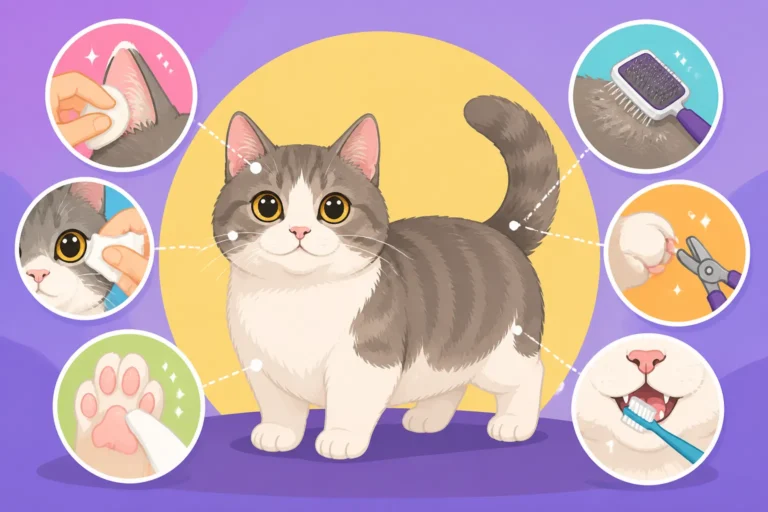
One often overlooked consequence of weight gain in Munchkins is the difficulty it creates for self-grooming. Cats are meticulous creatures, but a Munchkin already faces physical limitations in reaching certain parts of their body due to their short legs. What a Munchkin Cannot Reach to Groom explains these challenges. An overweight Munchkin finds it even harder to twist, turn, and stretch to clean their hindquarters, belly, and the base of their tail.
This struggle with grooming isn't just about appearance; it's a hygiene and health issue. Mats can form, especially in long-haired Munchkins, trapping dirt and moisture against the skin. This can lead to skin irritation, infections, and even parasites. After using the litter box, an overweight Munchkin may not be able to adequately clean itself, leading to soiled fur and a higher risk of urinary tract infections or general discomfort. Owners then have to step in with more frequent brushing, sanitary trims, and even baths, which can be stressful for the cat and time-consuming for the owner.
Risk of Secondary Health Issues
Beyond skeletal and hygiene problems, obesity in any cat, including Munchkins, significantly increases the risk of a host of other health complications. Diabetes, for example, is far more common in overweight cats. The excess fat interferes with the body's ability to use insulin effectively, leading to high blood sugar levels. Liver disease, particularly hepatic lipidosis, can also be triggered or worsened by obesity.
Respiratory and cardiac issues can also become more pronounced. An overweight Munchkin may have reduced stamina, pant more easily, and generally struggle with physical activity. Their internal organs are literally squeezed by excess fat, impacting their function. It creates a cascade effect where one problem leads to another, diminishing their overall health and potentially shortening their lifespan. Keeping a Munchkin lean is not just a preference; it's a fundamental aspect of preventative healthcare.
Practical Methods for Assessing and Managing Your Munchkin's Weight
Given how critical weight management is for Munchkins, having practical, consistent methods for monitoring and adjusting their diet is non-negotiable. It's not enough to simply guess; precision and regularity are key.
Understanding Body Condition Scoring
Body condition scoring (BCS) is a vital tool for objectively assessing your Munchkin's weight. It's much more accurate than just stepping on a scale, as it takes into account their individual frame. Vets typically use a 5-point or 9-point scale. A score of 3/5 or 5/9 is generally ideal, meaning your cat is lean, muscular, and at a healthy weight. How to Score a Munchkin's Body Condition provides a detailed look at this.
Here’s a quick guide to help you assess your Munchkin:
- Ribs: You should be able to easily feel their ribs without pressing hard, but not see them prominently.
- Waist: When looking from above, you should see a discernible waist behind their ribs.
- Abdominal Tuck: From the side, their abdomen should tuck up slightly behind the rib cage, not sag or hang low.
- Muscle Mass: They should have good muscle mass, especially over their back and hips, without being bulky.
| BCS (5-point Scale) | Description | What You See/Feel |
|---|---|---|
| 1 (Emaciated) | Severely underweight, little to no fat. | Ribs, lumbar vertebrae, pelvic bones, and all bony prominences are easily visible. No palpable fat. Severe abdominal tuck. |
| 2 (Thin) | Underweight, minimal body fat. | Ribs easily palpable with minimal fat cover. Lumbar vertebrae and pelvic bones easily visible. Obvious waist and abdominal tuck. |
| 3 (Ideal) | Healthy weight, lean and well-muscled. | Ribs palpable with slight fat cover, not visible. Waist apparent behind ribs. Slight abdominal tuck. |
| 4 (Overweight) | Slightly overweight, moderate fat accumulation. | Ribs palpable with difficulty, moderate fat cover. Waist poorly discernible. Abdomen appears rounded, slight to no abdominal tuck. |
| 5 (Obese) | Severely overweight, excessive fat accumulation. | Ribs not palpable under heavy fat cover. No waist. Abdomen distended, heavy fat deposits on lumbar area, face, and limbs. |
Regularly feeling your Munchkin's ribs and observing their shape will become second nature. Don't be fooled by their low-slung appearance; Why a Munchkin Looks Round Even When Lean explains that their body shape against the floor can make them appear heavier than they are. It’s all about touch and observing their profile. If you have any concerns about their score, always consult your veterinarian.
Accurate Food Measurement Techniques
This is where many well-meaning owners go wrong. Simply "scooping" food, even with the scoop provided with the bag, can lead to significant overfeeding. A small variation of even a few grams per meal can add up to hundreds of extra calories over a week, which for a Munchkin, is a fast track to weight gain. How Much a Munchkin Eats Compared With Its Size is a truly eye-opening look at this.
You absolutely need a digital kitchen scale for your Munchkin's food. These are readily available on platforms like Amazon or Chewy and are a small investment for a big impact on your cat's health. Measure your cat's food in grams, not cups. Manufacturers often provide caloric information and feeding guidelines by weight. Always follow your vet's recommendation for daily caloric intake and then use the scale to ensure precision at every meal. It might seem tedious at first, but it quickly becomes a habit. Remember, Why a Munchkin's Portion Should Be Weighed because every single gram carries more significance for them.
Regular Weight Monitoring
While body condition scoring is excellent, regular weight monitoring on a digital pet scale is also important, especially when you're first establishing their feeding routine or if you're trying to help them lose weight. Weigh your Munchkin weekly, ideally at the same time of day (e.g., before their first meal), and record it. This allows you to track trends and make minor adjustments to their food intake as needed.
Small fluctuations are normal, but a consistent upward trend is a red flag. If your cat needs to lose weight, slow and steady is the way to go. Aim for a loss of 1-2% of their body weight per week. Rapid weight loss can be dangerous for cats, potentially leading to hepatic lipidosis. Your vet can provide specific targets and advise on How Slowly an Overweight Munchkin Should Lose Weight. This consistent tracking helps you stay on top of things before a small weight gain turns into a significant problem.
Dietary Considerations for Your Munchkin
Choosing the right food and understanding how to portion it correctly is central to a Munchkin's well-being. It's not just about how much they eat, but what they eat.
Choosing the Right Food Formula
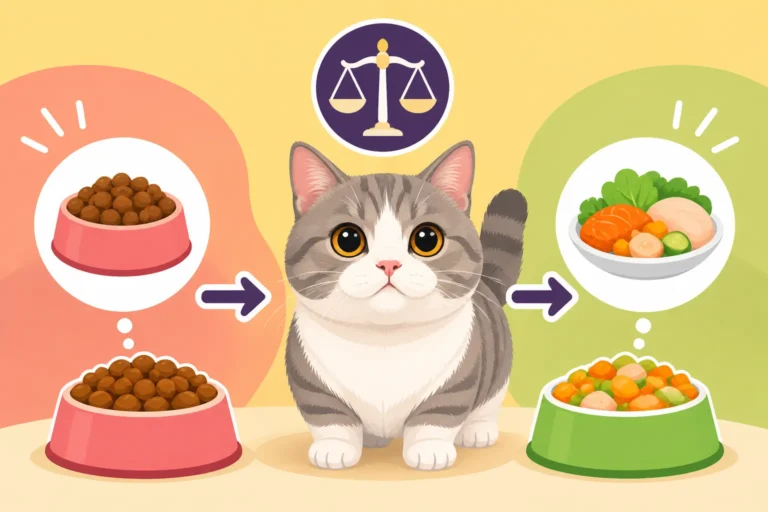
When selecting food for your Munchkin, focus on high-quality, protein-rich formulas that support lean muscle mass. Cats are obligate carnivores, meaning their bodies are designed to thrive on a diet primarily composed of animal protein. Look for foods where meat is the first ingredient, and avoid those with excessive fillers or carbohydrates. While some commercial brands offer "indoor cat" or "weight management" formulas, always check the actual ingredient list and nutritional analysis.
For an adult Munchkin, a food with moderate fat and appropriate fiber can help them feel full without over-consuming calories. Kitten formulas are naturally higher in calories and fat, so it's crucial to transition your Munchkin to an adult formula once they reach maturity, usually around one year of age. Your veterinarian can offer personalized recommendations based on your Munchkin's age, activity level, and overall health. They might suggest specific brands or types of food that are well-suited to their lower caloric needs and joint health support.
Portion Control and Meal Frequency
Given their lower caloric needs, strict portion control is essential. Free-feeding, where food is left out all day, is a recipe for disaster for a Munchkin. It makes it impossible to monitor intake and often leads to overeating. Instead, feed your Munchkin measured meals, two to three times a day. This helps regulate their metabolism, prevents them from getting overly hungry, and allows you to keep a close eye on their consumption.
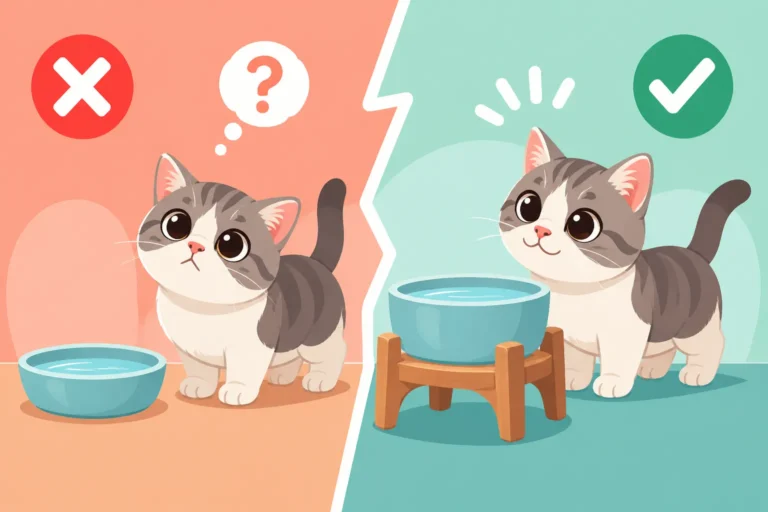
For example, if your vet recommends 200 calories per day, you might divide that into two 100-calorie meals or three smaller portions. This scheduled feeding also helps create a routine, which many cats appreciate. Why a Bowl Left Down Is Dangerous for a Munchkin illustrates the risks of unsupervised eating. If you have multiple cats, consider feeding them in separate rooms or using microchip-activated feeders to ensure your Munchkin is only eating their allocated portion and not sneaking food from their housemates.
Treats and Their Caloric Impact
Treats are lovely ways to bond with your Munchkin, but they are often significant hidden sources of calories. Many commercial cat treats are surprisingly high in calories for their size. It’s easy to give a few extra bits throughout the day without realizing the impact. For a Munchkin, whose daily caloric budget is already lower, even a small handful of treats can make a substantial difference.
Always factor treats into your Munchkin's daily caloric intake. If your cat gets 10% of their calories from treats, you need to reduce their main meal portion accordingly. Opt for low-calorie treats or even small pieces of their regular kibble as rewards. Consider healthy, single-ingredient treats like cooked plain chicken or fish in very small amounts. Platforms like Chewy often have a good selection of low-calorie options, but always check the nutritional label. Avoid human food scraps, which are often high in fat, salt, or ingredients that are toxic to cats.
The Role of Activity and Environment in Calorie Burn
While diet is paramount, encouraging appropriate physical activity and adapting their environment are also key components of managing a Munchkin's calorie burn and maintaining their joint health. They might not jump like other cats, but they are still highly active and need outlets for their energy.
Encouraging Safe Play and Movement
Munchkins are playful, intelligent, and curious cats, but their play style might differ from long-legged breeds. Instead of encouraging high jumps onto tall furniture, focus on ground-level games that promote horizontal movement, chasing, and pouncing. Wand toys, laser pointers (used responsibly to avoid frustration), and toys they can bat around on the floor are excellent choices. Tossing small, lightweight toys for them to chase and retrieve can provide good exercise.
Schedule regular play sessions throughout the day to keep them active. A short burst of play several times a day is often more effective than one long, exhausting session. Pay attention to signs of fatigue or discomfort, especially as they age. While it’s important to encourage movement, avoid activities that put excessive strain on their short legs or back. For instance, discourage repeated high jumps down from significant heights if possible, and instead provide ramps or steps.
Adapting the Home for Activity
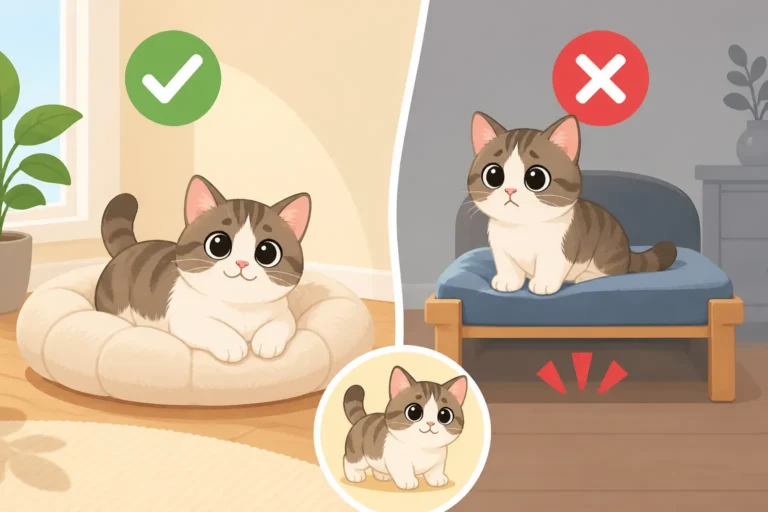
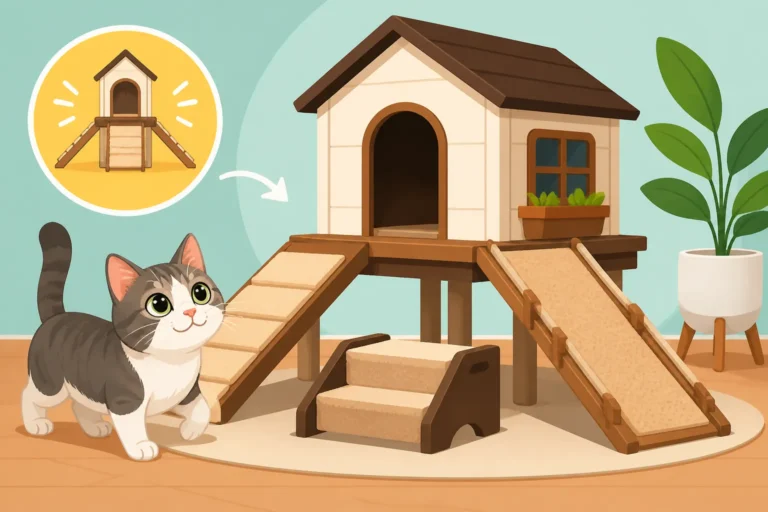
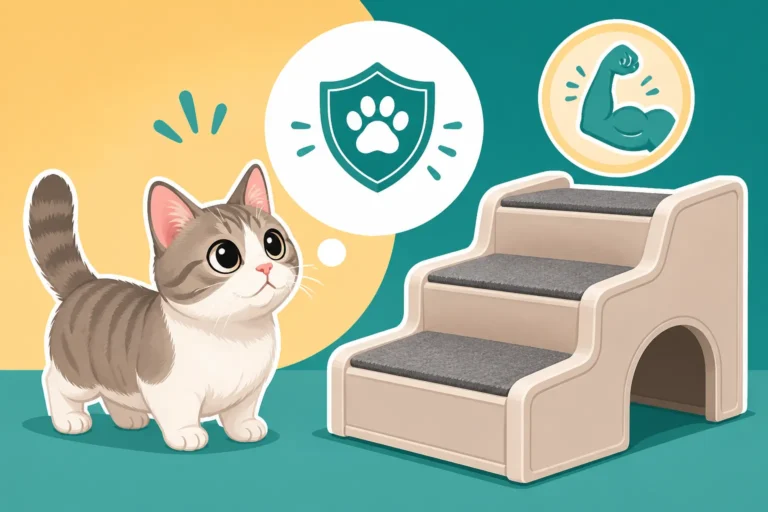
A Munchkin's environment directly impacts their ability to move and play safely. Since they can't jump as high as other cats, they rely on strategically placed furniture or pet-specific accessories to reach desired elevated spots. Rather than having them strain or risk injury trying to jump, provide ramps or steps for access to sofas, beds, and windowsills. Ramps and Steps Are Munchkin Equipment, Not Luxuries is a must-read for any owner.
Consider cat trees with close-set platforms that allow them to climb without making huge leaps. Ensure they have non-slip surfaces, like rugs or carpet, especially in areas where they frequently run or play, as slick floors can be challenging and potentially lead to falls or joint strain. Create "cat highways" at lower levels using sturdy, accessible shelves or modular cat furniture. A stimulating, accessible environment encourages natural movement and exploration, helping them to burn calories through active engagement rather than sedentary habits.
Enrichment Without Overexertion
Enrichment is crucial for a Munchkin's mental and physical well-being. Puzzle feeders are a fantastic way to engage their minds and make them "work" for their food, burning a few extra calories in the process. Look for puzzle feeders on sites like Chewy that are designed for ground-level access, allowing your Munchkin to bat, roll, or nudge them to release kibble without having to stand on their hind legs or strain.
Hide small portions of their measured kibble around the house in easily accessible spots to encourage sniffing and exploration. This turns mealtime into a scavenger hunt, increasing their activity slightly. Remember, the goal is consistent, moderate activity, not intense, sporadic bursts that could lead to injury. Gentle play that mimics hunting behaviors is ideal for keeping their minds sharp and their bodies moving without overexerting their unique physique.
Common Pitfalls in Feeding a Munchkin
Even with the best intentions, it's easy to fall into common traps when feeding a Munchkin. Awareness of these pitfalls can help you avoid them and maintain your cat's optimal health.
Free-Feeding Dangers
We've touched on this, but it bears repeating: free-feeding is one of the biggest dangers to a Munchkin's weight. The idea that a cat will self-regulate their food intake only works for a very small percentage of felines, and it's especially risky for a breed already prone to lower caloric burn. Why a Munchkin's Meals Are Measured Rather Than Poured isn't just a suggestion; it's a necessity. Leaving a bowl of kibble out all day allows for constant grazing, making it impossible to accurately track how much your Munchkin is consuming.
This constant availability often leads to overconsumption, as cats can eat out of boredom or habit rather than true hunger. In multi-cat households, it also prevents you from knowing if your Munchkin is eating more than their share, or if another cat is leaving their portion for the Munchkin. If you've been free-feeding, the transition to scheduled meals might involve some initial meowing or protest, but consistency is key. Your Munchkin will adapt, and their health will thank you for it.
Underestimating Treat Calories
Another significant pitfall is underestimating the caloric contribution of treats. A small treat might seem insignificant, but its calorie density, especially when added to an already low daily caloric budget, can quickly derail weight management efforts. Think of it like this: a treat that's 20 calories for a Munchkin might be equivalent to a human eating a small candy bar – harmless occasionally, but problematic daily.
Many owners use treats for training or bonding, which is great, but transparency is needed. If you're using treats, make sure you know their caloric value and deduct those calories from their main meals. Or, consider using part of their daily kibble allowance as treats. This way, you're not adding extra calories, just redistributing them. Be especially wary of treats designed for larger, more active cat breeds, as their calorie count will be completely out of proportion for your Munchkin.
Ignoring Subtle Weight Gain
Munchkins can be masters of disguise when it comes to weight gain. Their compact, low-slung bodies, combined with a thick coat, can hide a few extra pounds until it becomes a significant problem. It’s easy to dismiss a slightly more rounded belly or a more difficult-to-feel rib cage as just "fluff" or "growing older." But these subtle changes are the early warning signs that need immediate attention. Why Every Extra Gram Lands on a Munchkin's Spine makes this very clear.
This is why consistent body condition scoring and weekly weighing are so important. Don't wait until your Munchkin is clearly rotund and struggling to groom or move before taking action. Early intervention is much easier and less stressful for both you and your cat. If you notice even a slight upward trend on the scale or a change in their BCS, consult your vet immediately. They can help you fine-tune their diet and exercise plan to nip the weight gain in the bud, protecting your Munchkin from a lifetime of discomfort and health complications.
Disclaimer
This article is for general informational purposes only and does not constitute professional advice. Laws, prices and regulations vary by location and change over time. Consult a qualified professional for guidance on your specific situation.