Changing a Munchkin’s Food Without Changing Its Weight
It’s a common scenario: you’ve found a new food you think might be perfect for your beloved Munchkin, maybe it’s for better coat health, improved digestion, or perhaps even a prescription diet your vet recommended. But then the worry creeps in. Your Munchkin's weight is already such a delicate balance, and the last thing you want is a sudden gain or loss that could impact their unique physiology. This guide is here to walk you through the practical steps and considerations for changing your Munchkin’s food while ensuring their weight stays right where it needs to be.
Why Weight Stability is Non-Negotiable for Your Munchkin
Let’s be honest, those adorable short legs and their naturally stocky appearance can sometimes make it tricky to judge a Munchkin’s true body condition. Unlike their long-legged feline cousins, who have more leverage and a different distribution of weight, a Munchkin’s compact frame carries every extra gram differently. This isn’t just about looking good; it’s profoundly tied to their health and comfort.
Their unique physical structure means that excess weight puts disproportionate strain on their joints and spine. Imagine carrying a heavy backpack all day, every day – that’s what even a few extra pounds can feel like for a Munchkin. It exacerbates the natural wear and tear on their shoulders, elbows, and back, which are already working harder to compensate for their shorter limbs. This is why understanding Why Weight Is More Dangerous on a Munchkin is so crucial. A stable, healthy weight directly contributes to their mobility, reduces the risk of joint pain, and helps prevent complications like painful arthritis as they age.
Moreover, Munchkins, generally speaking, don't burn as many calories as a highly active, jumping, climbing cat with normal leg length. They might play with the same ferocity on the floor, but they're not expending energy scaling cat trees or leaping onto high shelves. This lower energy expenditure means their caloric intake needs to be carefully managed from day one. Any significant change in diet without a corresponding adjustment in quantity can quickly lead to weight creep, which is much harder to reverse once it starts impacting their quality of life. Maintaining that ideal weight is an ongoing commitment, a silent guardian of their long-term health.
The Art of a Gradual Transition: Keeping Calories Consistent
Changing your Munchkin’s food isn't just about swapping out one bag for another; it's a careful process, especially when weight management is a priority. Rushing a food change can lead to digestive upset – think vomiting, diarrhea, or a refusal to eat – which can cause rapid, unhealthy weight loss. Even if they eat the new food, a sudden caloric shift could throw their body into imbalance. The key is a slow, steady introduction, allowing their system to adapt while meticulously tracking their intake.
Step-by-Step Food Transition
The most widely recommended method is a gradual introduction over 7-10 days, sometimes even longer for particularly sensitive cats. Here’s how it usually plays out:
- Days 1-2: The Tiny Taste. Start by replacing just 10-25% of their old food with the new food. Mix it thoroughly. If your Munchkin is wary, start with an even smaller amount. The goal here is to introduce the new flavor and texture without overwhelming their palate or digestive system. This is a great time to be extra observant of their litter box habits and overall demeanor.
- Days 3-4: Half and Half. Assuming no adverse reactions, you can increase the new food to about 50% of the meal, mixed with 50% of the old food. Keep a close eye on their appetite. Are they still eating with enthusiasm? Is there any sign of a sensitive tummy? This phase helps you understand how well the new food is being tolerated.
- Days 5-7: Leaning Towards New. Progress to approximately 75% new food and 25% old food. By now, your Munchkin should be quite accustomed to the new diet. If you see any signs of digestive upset, slow down the process. You might need to extend each step for an additional day or two. Remember, every cat is an individual, and some need more time than others.
- Days 8-10+: Full Transition. Once they're comfortably eating 75% new food, you can make the final switch to 100% new food. Even after the full transition, continue to monitor them for a few more days, just to be sure everything has settled.
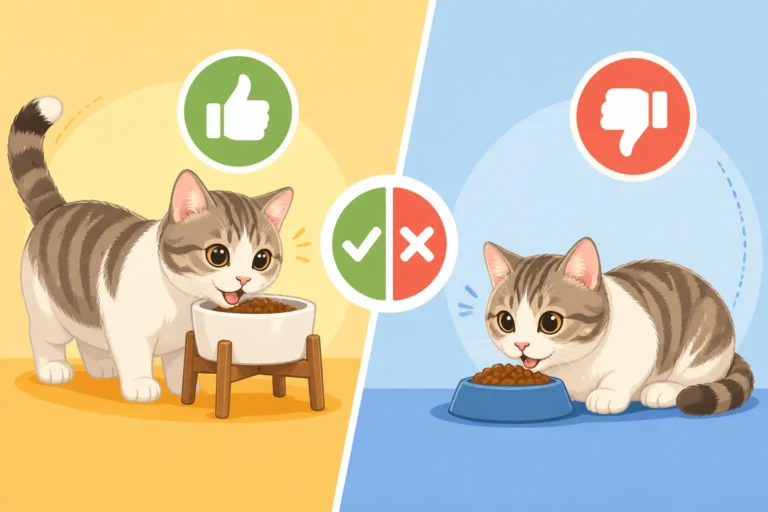
During this entire process, consistency is paramount. Feed at the same times, in the same place. If you're using a specific food scale to measure portions (and you really should be!), continue to do so. This meticulous approach helps ensure that while the type of food is changing, the caloric density and overall nutritional intake remain stable.
The Calorie Conundrum: Matching New to Old
This is where many owners unintentionally stumble. Two different cat foods, even if they look similar, rarely have the exact same caloric density. A cup of Brand A might have 400 calories, while a cup of Brand B might have 450. Feeding the same volume of the new food as the old could lead to unintended weight gain or loss.
Before you even start the transition, you need to do your homework. Look at the "guaranteed analysis" and "calorie content" (often listed as metabolizable energy or ME in kcals/cup or kcals/kg) on both the old and new food packaging. Your goal is to feed the same number of calories, not the same amount of food.
Here’s a simplified approach:
- Calculate daily calories for old food: Determine how many calories your Munchkin is currently consuming daily to maintain their ideal weight. For example, if they eat 1/2 cup of old food (400 kcal/cup) daily, they're getting 200 kcals.
- Calculate new food portion: If the new food has 450 kcal/cup, you'll need to feed approximately 0.44 cups (200 kcal / 450 kcal/cup) to get the same 200 kcals.
This precision is vital for How Many Calories a Munchkin Needs to Stay Off Its Joints. Don't be afraid to use online calculators or consult your vet for help with these calculations, especially if your Munchkin has specific health needs or is already on a weight management plan. Using a kitchen scale to measure food by weight (grams) rather than volume (cups) is far more accurate, as kibble density can vary greatly. Brands like Chewy often provide detailed nutritional information on their product pages, making these calculations a bit easier.
Choosing the Right Fuel: Matching Food to Your Munchkin's Needs (and Weight Goals)
When selecting a new food for your Munchkin, it's not just about what they like; it's about what their body needs. Their diet plays a huge role in supporting their unique bone structure and energy levels. You're looking for a food that not only provides balanced nutrition but also supports joint health and helps maintain that crucial stable weight.
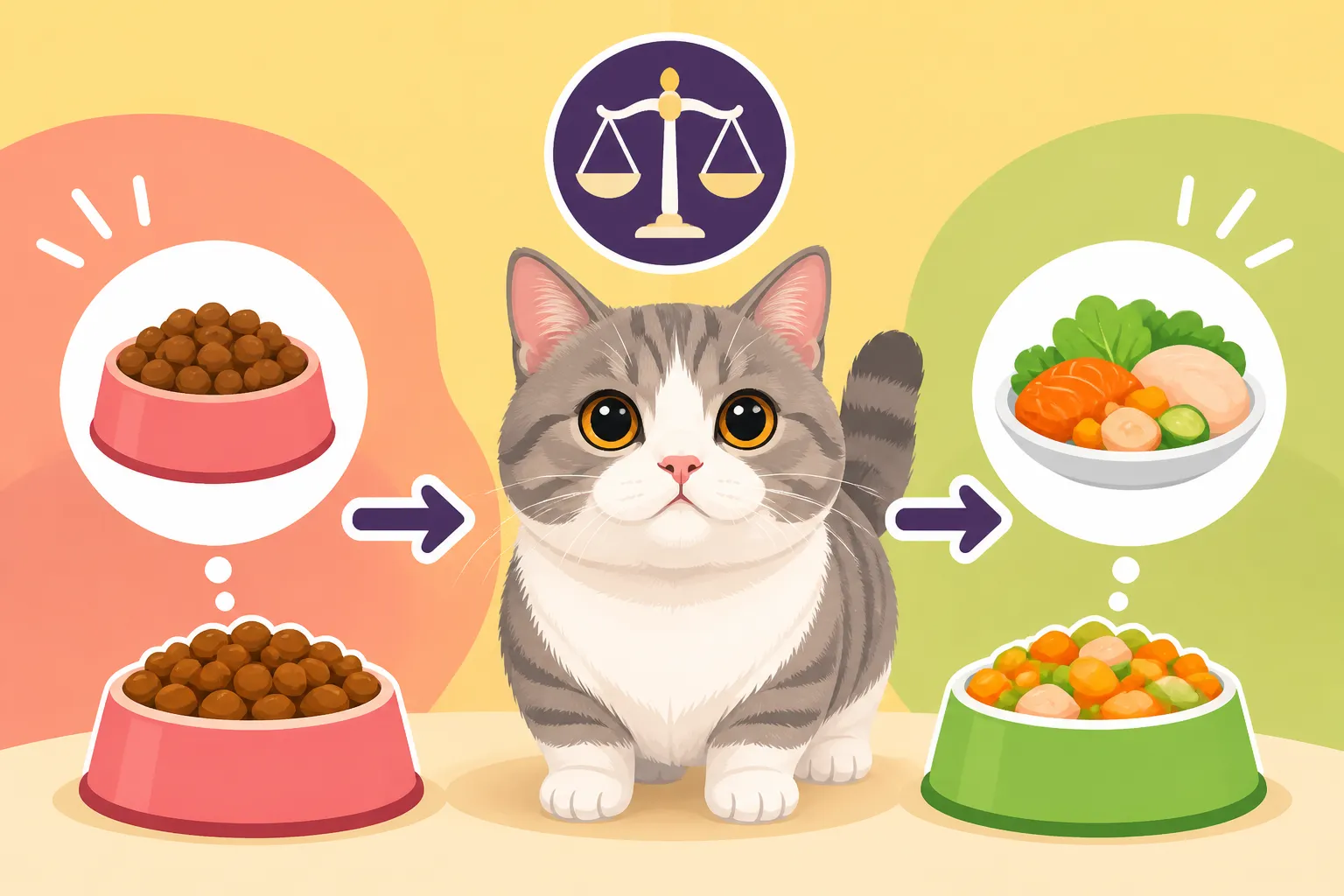
Dry Kibble vs. Wet Food vs. Fresh/Raw
Each food type has its own characteristics that can impact weight and overall health:
- Dry Kibble:
- Pros: Often more convenient, typically less expensive, can help with dental hygiene (though not a substitute for brushing). Many joint-support formulas are available in kibble form.
- Cons: Higher in carbohydrates generally, which can contribute to weight gain if not portion-controlled strictly. Lower moisture content means cats need to drink more water.
- Weight Management: Requires diligent measurement. Look for formulas specifically designed for indoor or less active cats, as these usually have lower caloric densities. Why a Munchkin's Portion Should Be Weighed is especially true for kibble.
- Wet Food:
- Pros: High moisture content is excellent for hydration and kidney health. Often more palatable for picky eaters. Can be lower in calories per serving than kibble, making it easier to manage weight while still feeling like a satisfying meal.
- Cons: Can be more expensive, less convenient for free-feeding (though Munchkins shouldn't be free-fed anyway due to weight concerns), and can contribute to dental issues if not managed.
- Weight Management: Many vets recommend wet food for weight loss or maintenance due to its satiating effect from high water content. Be sure to check the caloric density per can or pouch, as these can vary widely.
- Fresh/Raw Diets:
- Pros: Can be highly palatable and offer excellent nutrient absorption. Some owners report better coat health and energy levels.
- Cons: Can be significantly more expensive and require careful handling to avoid bacterial contamination. Balancing nutrients requires expertise; it’s not just about feeding raw meat.
- Weight Management: Fresh food can be pre-portioned based on your cat's specific caloric needs and activity level. This can be fantastic for precise weight management, but the cost and storage considerations are real.
When choosing, focus on high-quality protein sources, moderate fat, and low carbohydrates. Read ingredient labels carefully. Whole meats like chicken, turkey, or fish should be among the first ingredients. Avoid excessive fillers, by-products, and artificial additives. Look for ingredients like glucosamine and chondroitin, which can be beneficial for Which Food Suits a Munchkin's Joints as they age.
Consulting Your Veterinarian
Before making any significant dietary changes, especially if your Munchkin has an existing health condition or is already overweight, always have a chat with your veterinarian. They can provide tailored recommendations based on your cat’s age, activity level, current health status, and any breed-specific considerations. They can also help calculate the precise caloric needs and suggest appropriate portion sizes. Sometimes, a prescription diet might be necessary, and your vet can guide you through the transition to that specific food, ensuring it supports their overall health without compromising their weight. This professional guidance is invaluable.
Beyond the Bowl: Monitoring and Adapting for Long-Term Success
Changing food is one thing, but consistently maintaining your Munchkin's ideal weight requires ongoing vigilance. Their unique build means that subtle changes can have a bigger impact, and proactive monitoring is your best defense against weight fluctuations.
Regular Weigh-Ins and Body Condition Scoring
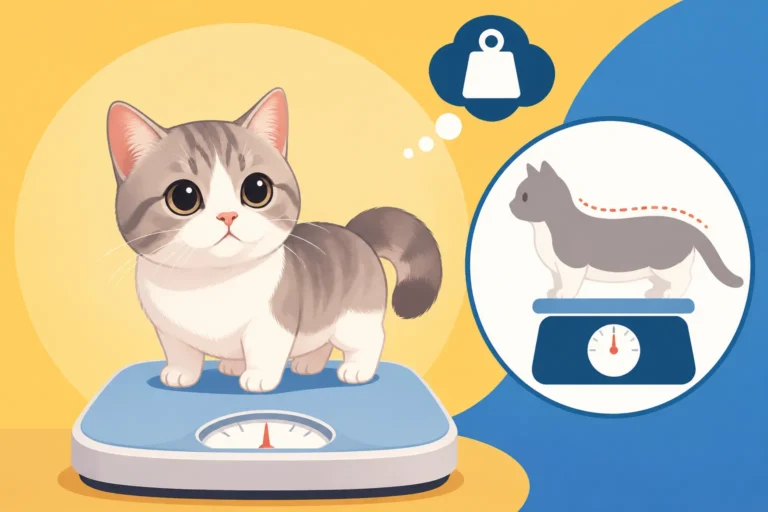
Once you’ve successfully transitioned to the new food, the work isn't over. Regular weigh-ins are your best friend. Ideally, weigh your Munchkin weekly or bi-weekly at home. A simple kitchen scale works wonders for most adult Munchkins. Record the weight in a journal or a note on your phone. If you notice any upward or downward trend, you can adjust their portions immediately, often before it becomes a significant problem.
Beyond the number on the scale, regularly perform a body condition score (BCS). This involves gently feeling your cat's ribs, spine, and waist.
- Ribs: You should be able to feel their ribs easily, but not see them. They should feel like the knuckles on your hand when your palm is flat.
- Waist: Look down at your Munchkin from above. You should see a slight indentation behind their ribs, forming a waist.
- Belly: While a Munchkin’s belly sits closer to the floor due to their short legs, it shouldn’t be dragging or overly pendulous.
Knowing How to Score a Munchkin's Body Condition is an incredibly valuable skill. If their ribs are hard to feel, their waist has disappeared, or their belly seems larger, it’s time to slightly reduce their portion. If their ribs are too prominent or their spine feels bony, a small increase might be in order. These adjustments should always be incremental—a small spoonful less or more, and then re-evaluate after a few days.
Adapting to Life Stages and Activity Levels
A Munchkin's caloric needs aren't static; they change throughout their life. A playful kitten needs more energy to grow and explore than a senior cat who prefers naps. Similarly, an active adult will burn more calories than a more sedate one.
- Kittens: Growing Munchkin kittens need nutrient-dense food, but overfeeding is still a risk. Their joints are developing, and excess weight at this stage can set them up for problems later. Work with your vet to ensure they're getting appropriate portions for healthy growth.
- Adults: As adults, their activity level might fluctuate. Pay attention to changes in their play habits or routine. If they become less active, their caloric intake should gently decrease.
- Seniors: When a Munchkin Counts as Senior their metabolism often slows down, and their activity levels naturally decline. This makes weight management even more critical. They may also develop conditions like arthritis, making exercise harder. Adjusting their food to a senior formula or one with joint support may be beneficial, alongside careful portion control. Caring for an Old Munchkin That Has Stopped Climbing means they're likely burning even fewer calories and need their diet adapted accordingly.
Environmental Enrichment for Calorie Burning
While dietary changes are paramount, don't forget the role of enrichment and appropriate exercise. Munchkins might not climb cat trees in the same way, but they love to play. Engage them with floor-level toys, wand toys that encourage chasing and pouncing, and puzzle feeders. These activities not only provide mental stimulation but also help them burn calories. Setting up How to Set Up Floor Level Enrichment for a Munchkin can make a huge difference in their overall energy expenditure.
Remember, every Munchkin is an individual, and successful weight management is a journey of observation, consistency, and a little bit of math. By taking a thoughtful, gradual approach to food changes and staying attuned to their needs, you can ensure your short-legged companion thrives at a healthy weight for years to come.
Disclaimer
This article is for general informational purposes only and does not constitute professional advice. Laws, prices and regulations vary by location and change over time. Consult a qualified professional for guidance on your specific situation.