Which Food Suits a Munchkin’s Joints
It’s a truth universally acknowledged among Munchkin cat parents: those adorable, short legs come with a responsibility to nurture their unique needs. One of the biggest worries many of us have is how to best support their joint health, and a huge part of that journey begins right in their food bowl. This guide will walk you through understanding why certain foods are better for your Munchkin’s joints, what nutrients to prioritize, and how to make informed choices for their lifelong comfort.
Understanding Munchkin Joint Health Needs
Before we dive into specific nutrients, it's really important to grasp why joint health is such a central topic for Munchkins. Their distinctive short stature, while undeniably charming, means their skeletal structure operates a little differently than a long-legged cat. This difference isn't just cosmetic; it impacts how their body carries weight and moves through the world, putting different kinds of stress on their joints.
The Anatomy of a Munchkin's Legs and Spine
Munchkins have a genetic mutation that causes chondrodysplasia, a form of dwarfism affecting the long bones of their legs. While their spine itself is typically of normal length, those shorter limbs mean their body is carried closer to the ground. Think about the mechanics: when a normal cat jumps or runs, its longer legs absorb shock over a greater distance. A Munchkin's shorter legs have less "give," potentially leading to more direct impact on their joints, particularly in their shoulders, elbows, and hips. Why a Munchkin's Spine Carries a Load a Normal Cat's Does Not is a good read on how their structure impacts them.
Their unique conformation can also lead to secondary issues over time. While the Munchkin gene itself doesn't cause spinal deformities like lordosis or pectus excavatum, these conditions can appear in the breed, sometimes exacerbated by the overall strain on their musculoskeletal system. A healthy diet, coupled with appropriate environmental adaptations, helps to mitigate these risks by keeping their body in optimal condition and supporting the cartilage and connective tissues that cushion their joints. It’s about building resilience from the inside out.
The Impact of Weight on Joint Stress
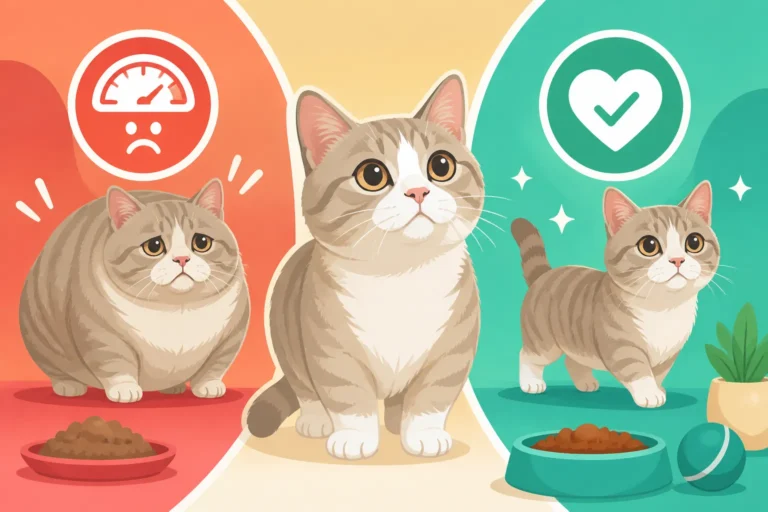
This is probably one of the most critical factors for any cat, but it's amplified tenfold for our short-legged friends. Every extra pound your Munchkin carries puts significantly more strain on their already uniquely structured joints. Imagine carrying a backpack filled with bricks all day – that’s what excess weight feels like to your cat’s knees, hips, and shoulders. This isn't about shaming, it's about realistic empathy: their bodies simply aren't designed to carry extra load efficiently. Why Weight Is More Dangerous on a Munchkin delves deeper into this challenge.
Maintaining an ideal body condition isn't just about preventing obesity; it's about minimizing the workload on their cartilage, tendons, and ligaments. Over time, constant extra pressure can accelerate wear and tear, leading to conditions like osteoarthritis much earlier in life. A lean, healthy weight allows their joints to move more freely, reduces inflammation, and can dramatically improve their comfort and mobility as they age. This makes calorie control and nutrient-dense food choices paramount from kittenhood.
Key Nutrients for Joint Support
When you're looking at cat food labels, it can feel like deciphering a secret code. But once you know what to look for, it becomes much easier to identify foods that truly support joint health. These aren't just trendy ingredients; they're compounds known to play a vital role in cartilage maintenance, inflammation reduction, and overall mobility.
Glucosamine and Chondroitin: The Joint Builders
These two compounds are often found together in joint supplements and specialized pet foods for a very good reason: they are the building blocks of healthy cartilage. Glucosamine is an amino sugar that plays a key role in the formation and repair of cartilage, the rubbery tissue that cushions the ends of bones in joints. Think of it as the raw material your cat's body uses to keep those joint surfaces smooth and friction-free.
Chondroitin sulfate, on the other hand, helps to give cartilage its elasticity and acts like a natural sponge, drawing water into the joint and improving its shock-absorbing qualities. It also helps to inhibit enzymes that can break down cartilage. While a healthy cat's body can produce these naturally, supplementation or feeding foods rich in these compounds can provide extra support, especially for breeds like Munchkins that may have increased joint stress. Many high-quality cat foods, particularly those formulated for senior cats or those with mobility issues, will explicitly list these ingredients. You might find them listed as glucosamine hydrochloride or chondroitin sulfate.
Omega-3 Fatty Acids: Nature's Anti-Inflammatory
Omega-3 fatty acids, particularly EPA (eicosapentaenoic acid) and DHA (docosahexaenoic acid), are nutritional powerhouses when it comes to combating inflammation. Inflammation is a major component of joint pain and stiffness, often associated with conditions like arthritis. By incorporating a good source of Omega-3s into your Munchkin's diet, you're essentially providing their body with tools to naturally reduce inflammatory responses.
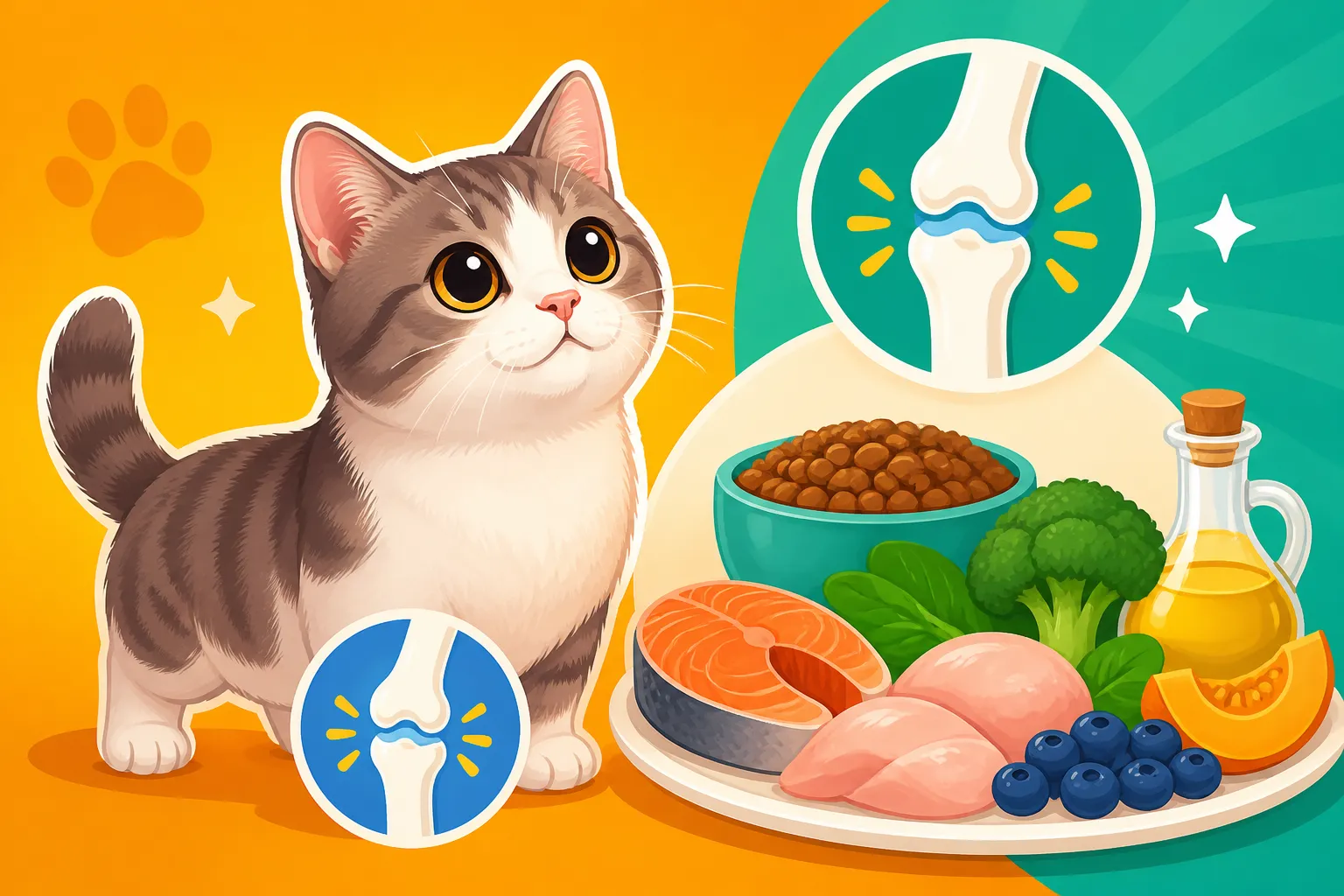
Sources for these beneficial fats include fish oils (like salmon oil, anchovy oil, or sardine oil), flaxseed oil (though the conversion of plant-based ALA to active EPA/DHA is less efficient in cats), and some algae-based supplements. When choosing a food, look for ingredients like "salmon meal," "fish oil," or "flaxseed" high up on the ingredient list. The benefits aren't just for joints; Omega-3s also support skin and coat health, and cognitive function. It's truly a win-win.
Other Important Vitamins and Minerals
Beyond the big hitters, a complete and balanced diet rich in other essential vitamins and minerals is crucial for overall skeletal and joint health.
- Vitamin C and E: These are antioxidants that help protect cells from damage, including those in the joints, by neutralizing free radicals. While cats can synthesize Vitamin C, dietary sources can still be beneficial. Vitamin E is commonly found in cat foods.
- Manganese: This trace mineral is vital for the formation of bone and cartilage, and it's a cofactor for several enzymes involved in connective tissue synthesis.
- Selenium: Another powerful antioxidant, selenium works in conjunction with Vitamin E to protect cells.
- Calcium and Phosphorus: These are fundamental for strong bones. However, it's their ratio that's most important. A balanced calcium-to-phosphorus ratio, usually around 1:1 to 1.2:1, is essential for proper bone mineralization. Too much or too little of either can lead to skeletal problems. Most reputable commercial cat foods are formulated to meet these ratios, so generally, adding extra calcium on your own is not recommended unless specifically advised by a vet.
By ensuring your Munchkin's diet is rich in these varied nutrients, you're building a comprehensive internal support system for their joints, helping them stay active and comfortable for years to come.
Evaluating Commercial Cat Foods for Joint Health
Navigating the pet food aisle can be overwhelming with all the marketing claims and colorful packaging. For a Munchkin parent, it's about cutting through the noise to find what truly benefits their cat’s unique joint needs. It requires a bit of savvy and an understanding of what really matters on that ingredient label.
Reading the Ingredient List: What to Look For
The ingredient list is your most powerful tool. Here's a quick rundown of what to prioritize and what to be wary of:
- High-Quality Animal Protein First: Cats are obligate carnivores, meaning they must eat meat. Look for real meat (e.g., "chicken," "salmon," "turkey") as the first one or two ingredients. Meat meal (e.g., "chicken meal") is also excellent, as it's concentrated protein with much of the water removed. This provides the essential amino acids needed for strong muscles, which in turn support the joints.
- Named Fats: Look for named animal fats like "chicken fat" or "salmon oil," which are good sources of energy and fatty acids. As discussed, fish oils specifically contribute beneficial Omega-3s.
- Sources of Glucosamine and Chondroitin: Many joint-support formulas will list these directly. If they don't, you might find them naturally in ingredients like "green-lipped mussel," "poultry cartilage," or "beef trachea." These are often present in smaller amounts in general pet foods, but specialized formulas will have higher, more therapeutic levels.
- Limited Fillers and Artificial Additives: While not directly detrimental to joints, excessive fillers (like corn, wheat, or soy in large quantities) can reduce the overall nutritional density and contribute to weight gain if overfed. Artificial colors, flavors, and preservatives are best avoided as they offer no nutritional value.
When browsing online, reputable retailers like Chewy often allow you to filter by dietary needs, including "joint support," which can help narrow down your options significantly. Always double-check the actual ingredient list and guaranteed analysis, though!
When to Consider Prescription or Specialized Diets
Sometimes, over-the-counter foods with added joint support aren't quite enough, especially if your Munchkin is showing signs of stiffness or early arthritis. This is where your veterinarian comes in. They might recommend a prescription diet specifically formulated for joint health, such as those made by brands like Royal Canin or Hill's Prescription Diet.
These veterinary diets are developed with precisely balanced nutrient profiles and higher concentrations of joint-supporting compounds. They often include synergistic ingredients that work together to reduce inflammation, protect cartilage, and manage pain. They are typically lower in calories to help maintain an ideal weight, which, as we've discussed, is absolutely crucial. These foods require a vet's prescription because they are designed to treat or manage specific medical conditions, offering a more targeted approach than general wellness foods. It’s always best to consult your vet if you suspect your Munchkin is struggling with joint discomfort. Whether a Munchkin Gets Arthritis Earlier highlights early signs to look for.
Integrating Supplements Safely
Even with a joint-supportive diet, some Munchkins might benefit from additional supplementation. However, it’s critical to approach supplements with caution and always under veterinary guidance.
- Types of Supplements: The most common joint supplements for cats include glucosamine and chondroitin, Omega-3 fatty acids, and sometimes MSM (methylsulfonylmethane), which also has anti-inflammatory properties. These often come in palatable chews, liquids, or powders that can be added to food. Brands available on platforms like Amazon often carry various forms, but quality and concentration can vary.
- Dosage is Key: Giving too much of a supplement can be just as ineffective, or even harmful, as giving too little. Your vet can advise on the correct dosage based on your Munchkin's weight, age, and specific needs. They can also help you choose a reputable brand with proven efficacy and safety.
- Potential Interactions: Supplements can sometimes interact with medications your cat might be taking. For example, high doses of Omega-3s can thin the blood, which could be an issue if your cat is on certain medications or undergoing surgery. This is another vital reason for vet consultation before starting any supplement regimen.
Think of supplements as a targeted boost to a good diet, not a replacement for one. A holistic approach that combines proper nutrition with veterinary oversight offers the best chance for long-term joint health. Which Joint Supplements Suit a Munchkin provides more details on what's available.
Beyond the Bowl: Holistic Joint Care
While nutrition is a cornerstone of joint health for your Munchkin, it's part of a much larger puzzle. A truly holistic approach considers their entire lifestyle, from their environment to their daily activity, ensuring every aspect supports their unique physical structure.
Maintaining a Healthy Weight: The Foundation
We simply cannot stress this enough: weight management is the most important factor in protecting your Munchkin's joints. Even the best joint-supportive food won't fully compensate for the damage caused by carrying excess weight. Those little legs and delicate spines are under constant strain if your cat is overweight. How to Score a Munchkin's Body Condition offers practical tips on evaluating your cat's physique.
Here's how to maintain that ideal weight:
- Precise Portions: Don't free-feed your Munchkin. Measure their food accurately using a kitchen scale or a precise measuring cup. Follow the feeding guidelines on the food packaging, but remember these are just starting points. Adjust based on your cat’s individual activity level and body condition.
- Calorie Control: Be mindful of treats! While tempting to spoil them, treats add calories quickly. Choose low-calorie options or portion out small pieces of their regular kibble as treats.
- Regular Weigh-Ins: Weigh your Munchkin regularly, perhaps weekly or bi-weekly, to monitor any changes. Catching weight creep early makes it much easier to reverse.
- High-Quality Food: A diet rich in animal protein helps maintain lean muscle mass, which boosts metabolism and provides better support for joints. Look for options on sites like Chewy that offer transparent ingredient lists and calorie counts.
Adapted Environment and Exercise
Since Munchkins can't jump like other cats, their environment needs to be set up to prevent them from constantly attempting strenuous leaps or, worse, falling from heights.
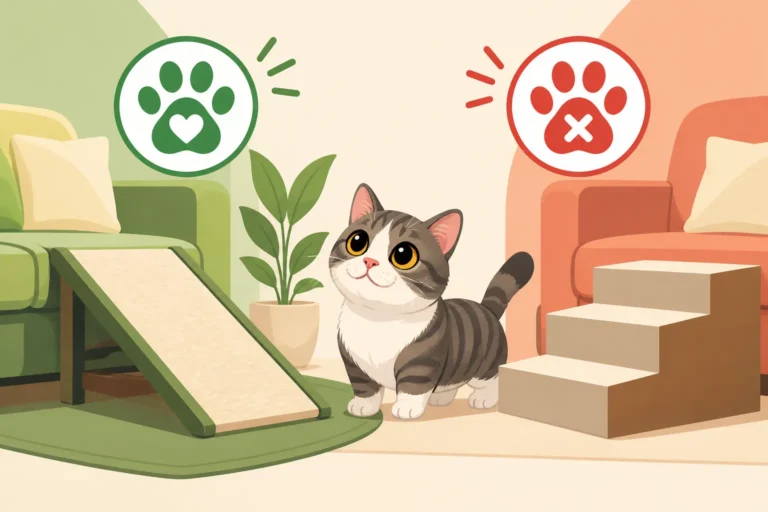
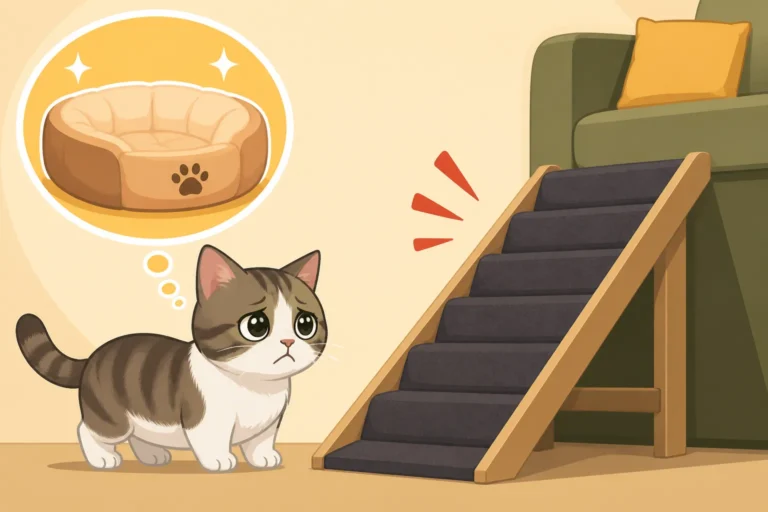
- Ramps and Steps: Provide ramps or low steps for them to access their favorite spots, like the sofa, bed, or window perches. This eliminates the need for risky jumps and reduces impact on their joints. You might even find pre-made pet ramps on Amazon that are perfectly sized.
- Safe Climbing: If they have a cat tree, ensure the platforms are close together or that ramps are integrated, so they can climb safely without overstretching or jumping too far.
- Floor-Level Fun: Engage them with floor-level toys that encourage chasing and pouncing without requiring them to jump high. Wand toys that mimic prey on the ground are fantastic. How Much Floor Level Play a Munchkin Needs has more ideas.
- Controlled Exercise: While they might not be scaling bookshelves, Munchkins are often surprisingly agile on the flat. Encourage gentle play sessions daily to keep their muscles strong and flexible, aiding joint mobility. Just be mindful of their limitations and don't push them to do things that put their joints at risk.
Regular Veterinary Check-ups
Your veterinarian is your most valuable partner in maintaining your Munchkin’s joint health. Regular check-ups are not just for vaccines; they are crucial for monitoring overall health, including their musculoskeletal system.
- Early Detection: Your vet can assess your Munchkin’s gait, palpate their joints, and look for early signs of stiffness, pain, or discomfort that you might not notice at home. What a Munchkin Kitten's First Exam Should Cover is a helpful resource.
- Proactive Care: They can advise on preventative measures, recommend specific joint supplements or prescription diets, and suggest lifestyle adjustments based on your cat’s age and condition.
- Diagnostic Tools: If concerns arise, your vet can recommend diagnostics like X-rays to get a clear picture of their joint health and identify any underlying conditions like arthritis or lordosis. Catching issues early often leads to more effective management.
- Pain Management: Should your Munchkin develop arthritis or other painful joint conditions, your vet can discuss various pain management strategies, from anti-inflammatory medications to alternative therapies like laser therapy or acupuncture, ensuring your cat remains as comfortable as possible.
Special Considerations for Older or Ailing Munchkins
As our beloved Munchkins get older, their joint health often becomes a more prominent concern, just like it does for humans. Even with the best care, the natural aging process brings changes. Knowing what to look for and how to adapt can make a huge difference in their golden years. When a Munchkin Counts as Senior helps you identify this life stage.
Recognizing Signs of Joint Pain
Cats are masters at hiding pain, a leftover instinct from their wild ancestors where showing weakness meant vulnerability. This means you need to be a keen observer to spot the subtle signs that your Munchkin might be experiencing joint discomfort.
Look for changes in their normal behavior and routine:
- Reduced Activity: Are they playing less? Less interested in chasing toys? Sleeping more? What an Old Munchkin Stops Being Able to Do describes these shifts.
- Difficulty Moving: Do they hesitate before jumping onto a low chair that used to be easy? Are they having trouble using their ramps or steps? Do they seem stiff, especially after resting?
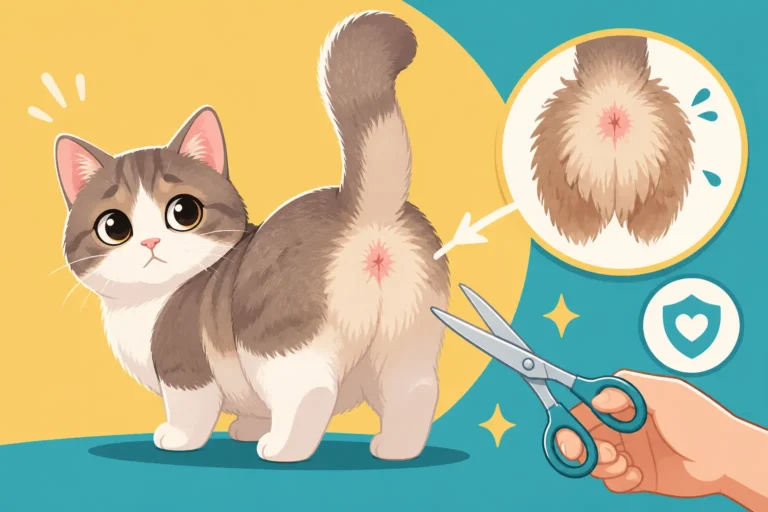
- Changes in Grooming: Are they struggling to reach certain areas, particularly their hindquarters or back? Increased matting in these areas can be a sign. Which Parts of Itself a Munchkin Cannot Reach delves into this.
- Litter Box Issues: If getting in and out of the litter box becomes painful, they might start eliminating outside of it.
- Irritability or Hiding: Pain can make even the sweetest cat withdrawn or grumpy, particularly when touched in sensitive areas.
- Altered Gait: Do they walk with a different posture, perhaps with a hunched back or favoring one leg? How Arthritis Shows in a Munchkin's Front Legs provides more information on what to watch for.
Any of these signs warrant a call to your vet. Don't wait until the pain is obvious; early intervention is key to managing chronic joint conditions.
Working With Your Vet on a Diet Plan
For older Munchkins showing signs of joint degeneration or arthritis, your vet will be instrumental in formulating the best dietary strategy. This might go beyond just adding supplements.
- Prescription Joint Diets: As mentioned earlier, your vet might recommend a prescription diet specifically designed for senior cats with joint issues. These foods often contain higher levels of glucosamine, chondroitin, and Omega-3s, along with controlled calorie content and other antioxidants to support overall health.
- Weight Management Emphasis: Again, this cannot be overstressed for older cats. A senior cat with joint pain will experience significantly more relief and improved mobility if they are at an ideal weight. Your vet can help you calculate the precise calorie needs for an older, potentially less active cat.
- Palatability: Older cats can sometimes have a reduced appetite or dental issues. Your vet can recommend foods that are highly palatable and easy to chew, ensuring they actually consume the necessary nutrients. Fresh, gently cooked options might be appealing and easier for some older cats to eat if cleared by your vet as nutritionally complete.
- Monitoring and Adjustment: Diet plans for senior cats aren't set in stone. Your vet will want to monitor your Munchkin’s response, making adjustments to the food or supplements as needed to maintain their comfort and quality of life. What Pain Relief a Stiff Munchkin Can Take discusses other interventions.
The Role of Hydration
While often overlooked, adequate hydration plays a crucial role in joint health, especially for senior cats. Cartilage is primarily made of water, and sufficient hydration helps maintain its elasticity and shock-absorbing properties. Dehydration can lead to stiffer, less resilient cartilage, exacerbating joint pain.
- Water Bowls Everywhere: Ensure fresh, clean water is always available in multiple locations, especially near their resting spots and food bowls.
- Water Fountains: Many cats prefer moving water to still water. A circulating water fountain can entice them to drink more.
- Wet Food: Incorporating wet food into their diet is an excellent way to boost their fluid intake. Wet food is typically 70-80% water, significantly higher than dry kibble, which is around 5-10%. If your Munchkin is on a dry, joint-supportive kibble, consider feeding a wet food meal alongside it or offering wet food as their primary diet.
- Flavoring Water: Some cats might be encouraged to drink more by adding a tiny bit of tuna juice or low-sodium chicken broth to their water, just enough to add a tempting scent without adding excessive salt or calories.
By carefully considering their nutrition, environment, and overall well-being, you can provide your Munchkin with the best possible support for their joints, helping them enjoy a long, happy, and comfortable life.
| Key Joint Support Nutrients | Primary Benefit | Common Food Sources | Considerations for Munchkins |
|---|---|---|---|
| Glucosamine | Cartilage building block, repair & maintenance | Poultry cartilage, shellfish, supplements | Essential for maintaining cushioning in their unique leg joints. |
| Chondroitin | Cartilage elasticity, shock absorption | Beef trachea, pork rind, supplements | Helps joints withstand impacts from their lower stature. |
| Omega-3 Fatty Acids (EPA/DHA) | Anti-inflammatory, reduces pain | Fish oil (salmon, anchovy), flaxseed, green-lipped mussel | Crucial for reducing inflammation that can develop due to joint stress. |
| Antioxidants (Vit C, E, Selenium) | Protect cells from damage | Fruits, vegetables (small amounts), supplements, meat | Supports overall cellular health in and around the joints. |
| Manganese | Bone & cartilage formation | Nuts, grains (often in fortified cat foods) | Important cofactor for connective tissue synthesis. |
| Calcium & Phosphorus | Bone strength | Meat, bone meal (balanced ratio in commercial foods) | Crucial for overall skeletal integrity, but careful with supplementation. |
Disclaimer
This article is for general informational purposes only and does not constitute professional advice. Laws, prices and regulations vary by location and change over time. Consult a qualified professional for guidance on your specific situation.