Whether a Munchkin Should Eat Standing or Sitting
It’s a question many Munchkin cat parents ponder, often right after they bring their adorable, short-legged furball home: how exactly should my Munchkin eat? You watch them hunch over their bowl on the floor, and a little worry might creep in. Is that comfortable for them? Are they straining their neck or back? This concern is completely valid, as the unique physical characteristics of a Munchkin mean that a simple act like eating can present challenges that long-legged cats simply don't face. This guide will help you understand the best approach to your Munchkin's mealtime, ensuring comfort and promoting long-term health.
Understanding the Munchkin's Unique Anatomy and Eating Challenges
Let's be real, a Munchkin isn't just a regular cat with short legs; their entire skeletal structure, while not fundamentally different in length of spine, carries a load differently. Their short legs mean they sit much closer to the ground, and this profoundly impacts their posture when performing everyday activities, including eating. It’s not just about looking cute; it’s about understanding their physical limitations and how to best support them.
The Impact of Short Legs on Neck and Shoulder Strain
Imagine trying to eat your dinner off the floor without using your hands – that's a bit like what a Munchkin experiences when their food bowl is placed directly on the ground. Their front legs are significantly shorter, which means they have to lower their head and neck considerably to reach the bowl. This isn't a natural or comfortable posture for extended periods. When a Munchkin hunches over a floor-level bowl, they’re often putting undue strain on their cervical spine (neck) and shoulder joints.
Over time, this repeated strain can contribute to discomfort or even exacerbate underlying joint issues. Think about how your own neck feels after craning it awkwardly for too long. For a Munchkin, who might eat several times a day for years, this adds up. We know that Munchkins can be prone to certain joint issues, and anything we can do to minimize daily stressors on their body is a huge plus. This is especially true for their shoulders, which absorb a lot of impact from their playful antics. Why a Munchkin's Shoulders Wear First discusses this in more detail.
Why a Munchkin's Belly Sits So Low to the Ground
Another key anatomical feature that influences eating posture is the Munchkin's low-slung body. Their belly quite literally nearly touches the floor, which can sometimes make it awkward for them to maneuver over a standard bowl. If the bowl has high sides or is too narrow, they might have to push their chest against the rim, further compromising their comfortable eating position.
This low carriage also means they might inadvertently get their chin or chest wet or messy while eating or drinking from traditional bowls. While not a health crisis, it certainly isn't pleasant for them and might deter them from eating comfortably, especially if they're particularly fastidious about cleanliness. Finding a good balance between ease of access and hygiene is crucial. You want to make sure your cat isn't having to strain to get their meal. Why a Munchkin's Belly Nearly Touches the Floor dives deeper into the implications of their unique physique.
The Case for Elevated Eating Stations
Given the physical realities of a Munchkin, the overwhelming consensus among experienced owners and many vets is that elevated eating stations are generally superior. They address the core issues of strain and discomfort, making mealtime a much more pleasant and healthy experience for your feline friend.
Reducing Strain and Improving Digestion
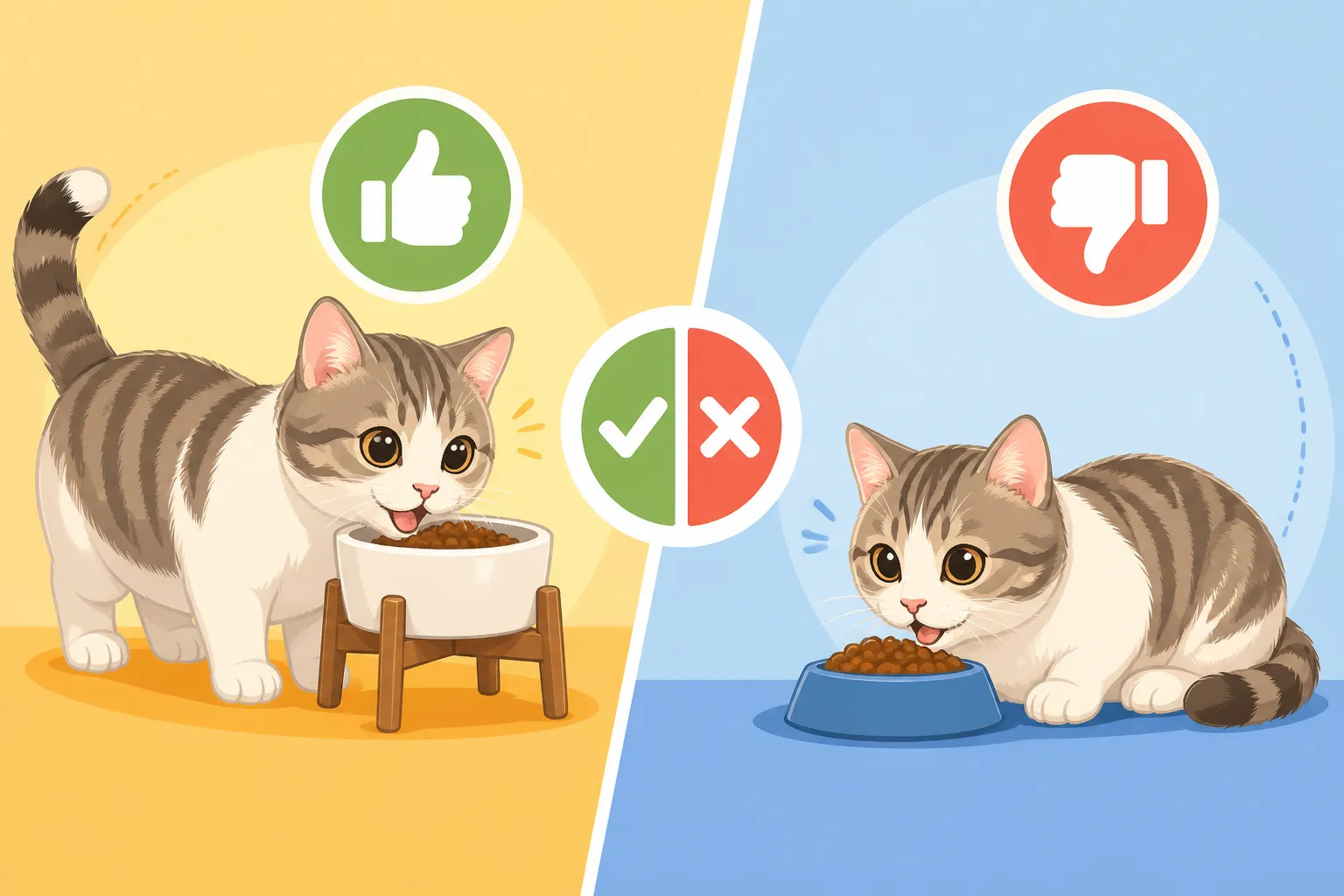
An elevated bowl allows your Munchkin to eat with their neck in a more neutral, natural position, closer to how a long-legged cat would eat. Instead of hunching all the way down, they can stand more upright, keeping their spine straighter and reducing the pressure on their neck and shoulders. This simple adjustment can make a world of difference in their daily comfort.
Beyond comfort, some experts suggest that eating from an elevated position can also aid digestion. When a cat eats with their head down, gravity has to work a bit harder to pull food through the esophagus. A more upright posture can facilitate smoother passage of food, potentially reducing instances of regurgitation or discomfort, particularly after a hearty meal. It’s about creating a more streamlined path for their food from bowl to belly. How to Stop a Munchkin Straining to Eat offers additional tips on making mealtime easier.
Preventing Potential Long-Term Joint Issues
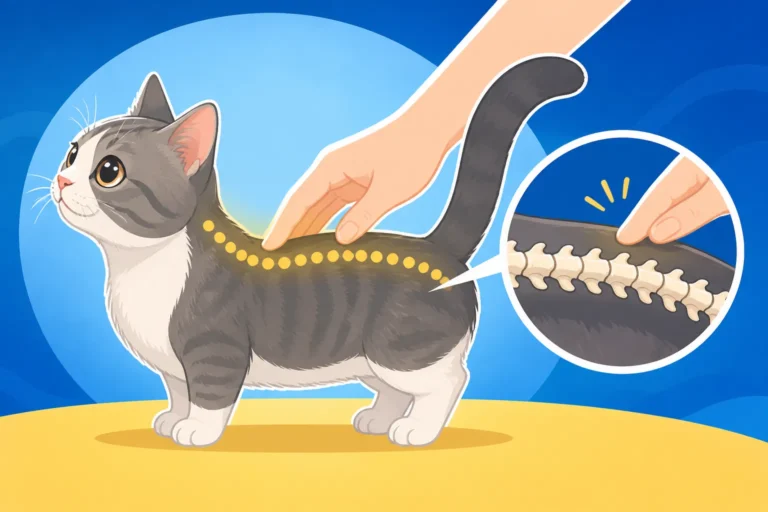
While the Munchkin breed's defining short legs are not in themselves a source of pain, the unique way their skeleton functions does mean certain areas, like their spine and joints, can experience different stresses compared to a standard-legged cat. Repeatedly bending and stretching their neck and spine over a floor-level bowl, day after day, year after year, could contribute to the wear and tear on these sensitive areas.
By providing an elevated eating station from a young age, you are proactively protecting their joints and spine. This is a preventative measure that can contribute to their comfort and mobility as they age. Think of it as investing in their long-term well-being. Keeping their body in a more natural alignment during routine activities minimizes unnecessary stress on their unique physique. Remember, Why a Munchkin's Spine Carries a Load a Normal Cat's Does Not due to its specific angulation, making these considerations even more important.
The Considerations for Floor-Level Eating
Despite the benefits of elevated bowls, there might be situations or individual preferences that lead some Munchkins to eat at floor level. It's not an absolute "never," but it does come with caveats and requires closer monitoring.
When Floor-Level Might Still Be Appropriate (or Inevitable)
Sometimes, despite your best efforts, your Munchkin might simply prefer eating from the floor. Cats can be notoriously particular, and some may resist changes to their routine, especially if they’ve been accustomed to floor-level bowls their whole lives. In such cases, forcing an elevated setup might lead to stress or avoidance of food, which is far worse than the slight strain of floor-level eating.
If your Munchkin insists on eating from the floor, or if you're in a temporary situation where an elevated option isn't available, focus on the type of bowl. Look for wide, shallow bowls that minimize the need for them to duck their head deep into the dish. Ceramic or stainless steel bowls are generally preferred for hygiene, and a non-slip base is always a good idea to prevent chasing the bowl across the kitchen. You can find many suitable options on platforms like Chewy or Amazon.
Hygiene and Mess Management at Floor Level
When a Munchkin eats from a floor-level bowl, especially if it’s not wide and shallow, there's a higher chance of their chin, chest, or even their dewlaps (if they have them, particularly long-haired Munchkins) getting wet or food-splattered. This isn't just a cosmetic issue; persistent dampness can lead to skin irritation, especially in the folds around their mouth or under their chin.
Regular cleaning becomes even more critical with floor-level bowls. Wiping their chin and chest gently after meals, especially if they've eaten wet food, can prevent matting and skin issues. You'll also need to be vigilant about keeping the area around their bowls clean, as their low stature means they can kick kibble or splash water more easily. Consider placing a mat under their bowls to catch any spills and make cleanup easier.
Practical Solutions for Optimizing Your Munchkin's Feeding Setup
So, you're on board with giving your Munchkin the best mealtime experience. What are the practical steps to achieve this? It's often simpler than you think, and there are many options to suit different preferences and budgets.
Choosing the Right Elevated Bowls and Stands
The market is full of elevated pet bowls, but not all are created equal, especially for a Munchkin. You're looking for something that provides a comfortable height without being too tall. The ideal height typically allows them to eat with their neck relatively straight, rather than bent down. This means their head should be level with, or slightly above, their shoulders when they're standing to eat.
- Adjustable Stands: These are fantastic because you can fine-tune the height to your individual cat. As your Munchkin grows from a kitten to an adult, you can adjust the stand accordingly. Brands often offer different sizes, so ensure you pick one designed for small dogs or cats.
- Single-Piece Elevated Bowls: Many companies make bowls with integrated stands, often in ceramic or stainless steel. These are sturdy and easy to clean. Just make sure to measure your cat and compare it to the product's height before purchasing. Remember, How High a Munchkin's Food Bowl Should Sit is a critical factor.
- Angled Bowls: Some elevated bowls are also slightly angled, which can further help the cat access their food more easily without pushing their nose into the bottom of a flat dish. This can be especially beneficial for cats with flatter faces, though it can help any cat.
- Material Matters: Stainless steel and ceramic are generally the best choices for food and water bowls. They are non-porous, easy to sterilize, and less likely to harbor bacteria than plastic. Many elevated feeders use these types of bowls.
DIY Options and Creative Solutions
You don't always need to buy a specialized product to elevate your Munchkin's bowls. With a little creativity, you can fashion a perfectly functional and comfortable eating station yourself.
- Small Stools or Boxes: A sturdy, clean plastic storage box or a small, low stool can work wonders. Simply place your cat's regular bowls on top. Just ensure it's stable and won't tip over easily, especially if your Munchkin is an enthusiastic eater.
- Brick or Book Stacks: For a temporary or very low-cost solution, you can stack a few bricks or heavy books under a sturdy, shallow bowl. Again, stability is key. You don't want anything that could fall and injure your cat or scare them away from their food.
- Custom Wood Stands: If you're handy, building a simple wooden stand is a great project. You can tailor it precisely to your Munchkin's height and even match it to your home decor. There are plenty of free plans available online for pet feeding stations. This allows you to integrate features like Which Bowl Shape Suits a Munchkin's Short Neck more effectively.
Monitoring Your Munchkin's Comfort and Adjusting as Needed
Ultimately, the best feeding setup is one that your individual Munchkin uses comfortably and happily. Cats are masters of subtle communication, so pay close attention to their behavior during mealtime.
- Observe Their Posture: Are they still hunching significantly, or does their back appear straighter? Is their neck relaxed? You want to see them eating with minimal effort.
- Watch for Messes: If their chin or chest is consistently wet or messy, the bowl might still be too low, or the shape isn't ideal for their short stature.
- Monitor Their Eating Habits: Are they finishing their meals? Are they showing any reluctance to approach the bowl? A sudden change in eating habits could indicate discomfort.
- Consider Future Changes: As your Munchkin ages, particularly after around eight years old, joint stiffness or arthritis might become more prevalent. An elevated bowl becomes even more crucial for senior Munchkins. If you notice any signs of discomfort, like a slower gait or reluctance to jump even small heights, revisit their feeding setup. How Arthritis Shows in a Munchkin's Front Legs is something to be aware of.
Making mealtime a comfortable and strain-free experience is a small but significant way to show your Munchkin how much you care. By taking their unique anatomy into account and opting for an elevated feeding station, you’re helping to safeguard their long-term health and ensure they enjoy every delicious bite. What a Munchkin Costs Over Thirteen Years emphasizes that these small considerations add up to a fulfilling life for your pet.
Disclaimer
This article is for general informational purposes only and does not constitute professional advice. Laws, prices and regulations vary by location and change over time. Consult a qualified professional for guidance on your specific situation.