What a Munchkin Should Weigh on Those Legs at One
It's a common worry for many Munchkin cat parents: "Is my furry little friend the right weight?" When your adorable Munchkin reaches that one-year mark, you might find yourself constantly questioning if their unique, low-slung body is carrying a healthy load. It’s not just about aesthetics; for Munchkins, weight management is profoundly tied to their long-term health and comfort. This guide is here to walk you through understanding what a healthy weight means for your one-year-old Munchkin, how to assess it, and what practical steps you can take to ensure they thrive.
Understanding the Unique Munchkin Build and Its Impact on Weight
Let's be real, Munchkins aren't built like your average domestic cat. Their defining characteristic – those wonderfully short legs – is often what captures our hearts, but it also means their bodies interact with gravity and movement in a profoundly different way. It’s crucial to understand this unique anatomy to truly grasp why weight management is so critical for them.
Why Munchkin Legs Are Short But Their Bodies Are Not
One of the biggest misconceptions about Munchkins is that they are miniature cats all over. While their legs are indeed significantly shorter due to a natural genetic mutation known as pseudoachondroplasia, their torsos, rib cages, and head sizes are typically normal for a domestic cat. Think of it this way: imagine taking a standard-sized house cat and simply shortening its legs. That's essentially what you're looking at with a Munchkin.
This means that while they appear small because they sit low to the ground, their body mass, internal organs, and overall skeletal frame from the shoulders back are proportionate to a regular-sized cat. This standard-sized body, supported by those short limbs, creates a unique biomechanical situation. Their spine, for instance, carries the same load as a standard cat's, but the leverage and forces acting upon it are altered. This is why when we discuss a Munchkin's weight, we're not just looking at a number; we're considering how that weight distributes across a body that wasn't "re-engineered" to be truly miniature. Understanding Why a Munchkin's Legs Are Short but Its Body Is Not is the first step to appreciating their needs.
The Hidden Burden of Extra Weight on Short Legs
Because a Munchkin's torso is of normal length and their legs are short, every single extra gram of weight they carry disproportionately impacts their joints and spine. Imagine carrying a heavy backpack; it’s a lot tougher if your legs are half the length they should be, right? The same principle applies here. An extra pound on a standard cat might be manageable, but that same pound on a Munchkin places immense, concentrated stress on their shoulders, elbows, hips, and especially their spine.
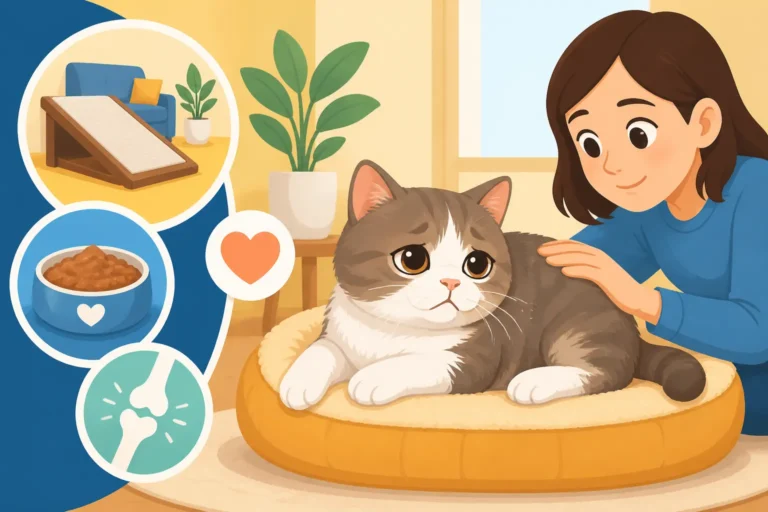
This isn't just about making them a bit slower; it's about setting them up for a lifetime of potential discomfort. The increased pressure can accelerate the onset of osteoarthritis, making movements that were once easy – like navigating a small step or even simply walking – painful. Their spine, while structurally normal in length, is bearing a load with less inherent cushioning and different angles of impact from movement. This constant, added strain can exacerbate any underlying predispositions and simply wear down their joints faster. It's a sad truth that even a little bit of extra fluff can mean big problems for these sweet cats. Why an Overweight Munchkin Is in Real Trouble isn't an exaggeration; it's a stark reality, and Why Every Extra Pound Matters More on a Munchkin is a crucial concept for every Munchkin owner to grasp. It's truly a hidden burden that we, as their caregivers, have a responsibility to prevent.
Pinpointing the Ideal Weight for a One-Year-Old Munchkin
When your Munchkin hits their first birthday, they're generally considered an adult, or at least very close to their adult size and weight. This is a critical time to establish healthy habits and ensure they're on the right track. But how do you know what that "right track" looks like for a cat that defies typical feline proportions?
General Weight Ranges for an Adult Munchkin
While it's tempting to want a precise number, remember that every cat, just like every person, is an individual. Genetics, gender, and the size of their outcross parentage can all play a role in their final adult weight. However, we can talk in general ranges to give you a ballpark idea.
For a healthy, one-year-old adult female Munchkin, you're typically looking at a weight somewhere in the range of a small to medium-sized domestic cat. An adult male Munchkin, being naturally a bit larger, will usually fall into a slightly higher weight category, more akin to a medium-sized domestic shorthair. These aren't miniature cats that should weigh only a few pounds; their standard body size dictates a more substantial weight. The key is that they should be lean and agile within these ranges. It's helpful to discuss these specific ranges with your veterinarian, as they can factor in your individual cat's lineage and build. They can also give you more concrete ideas about How Much an Adult Male Munchkin Weighs and How Much an Adult Female Munchkin Weighs based on their own assessment.
Beyond the Scale: Body Condition Scoring (BCS)
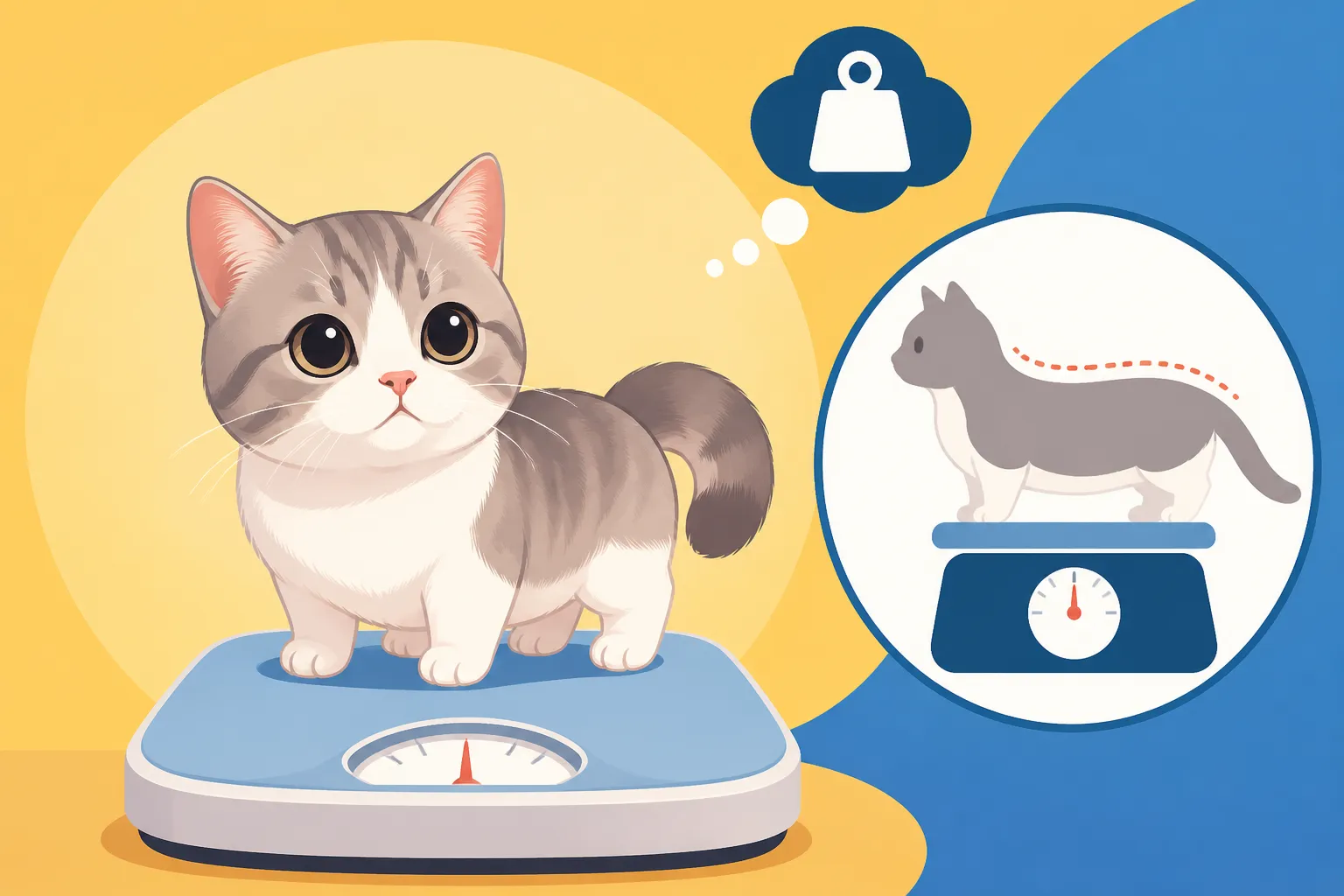
Here's the thing about the number on the scale: it doesn't tell the whole story. Two cats could weigh the exact same amount, but one could be lean and muscular, while the other is carrying too much fat. This is where Body Condition Scoring (BCS) becomes your absolute best friend. It’s a hands-on, visual assessment tool that helps you gauge your Munchkin's fat reserves, giving you a much clearer picture of their health than just pounds and ounces.
For a Munchkin, BCS is even more vital because their short legs can make them appear lower and rounder, even when they're actually at a healthy weight. You might look at their belly nearly touching the floor and think they're chunky, when in reality, it's just their unique conformation. How to Score a Munchkin's Body Condition involves three main areas:
- Ribs: Gently run your fingers along your Munchkin's side. You should be able to easily feel their ribs without pressing hard, like feeling the knuckles on your hand. If you can see the ribs clearly without touching, they might be too thin. If you have to press firmly to feel them, they're likely overweight.
- Spine and Hips: Feel along their backbone and hips. You should be able to feel the bony prominences without them being sharply defined. If their spine feels like a string of pearls and their hip bones protrude, they might be underweight. If you can't feel them at all, they're likely carrying too much fat.
- Waistline: Look at your Munchkin from above. Even with their short legs, a healthy Munchkin should have a noticeable "tuck" or waist behind their ribs. From the side, their abdomen should also tuck up slightly, rather than sagging. How to Feel a Munchkin's Ribs is a skill you'll develop with practice.
Here’s a simplified BCS table to guide you:
| Score | Description | Ribs | Waist (View from Above) | Abdominal Tuck (View from Side) |
|---|---|---|---|---|
| 1 | Emaciated | Ribs, spine, pelvis easily visible & prominent | Severe hourglass, no body fat | Severe abdominal tuck |
| 2 | Underweight | Ribs easily visible, minimal fat cover | Obvious hourglass, minimal waist fat | Obvious abdominal tuck |
| 3 | Ideal Weight | Ribs easily palpable, minimal fat cover | Well-proportioned waist, slight hourglass | Abdominal tuck |
| 4 | Overweight | Ribs palpable but with moderate fat cover | Slight waist visible, broad back | Minimal or no abdominal tuck |
| 5 | Obese | Ribs difficult to feel under thick fat | No waist, broad back, bulging abdomen | No abdominal tuck, sagging belly |
Aim for a score of 3 for your one-year-old Munchkin. This hands-on assessment is crucial, as visual cues alone can be misleading for this unique breed.
Practical Steps for Monitoring and Maintaining a Healthy Munchkin Weight
Maintaining your Munchkin's ideal weight isn't just a "nice to have"; it's a cornerstone of their health and well-being. Proactive measures are far better than trying to reverse weight problems down the line.
Regular Weigh-Ins and How to Do Them Accurately
Consistency is key here. I highly recommend making regular weigh-ins a part of your routine. For a one-year-old Munchkin, weighing them weekly or bi-weekly can give you valuable data points and help you catch any creeping weight gain early.
The easiest way to accurately weigh a small cat at home is using a baby scale, which you can find on sites like Amazon. These scales are precise and designed for small, squirming subjects. If you don't have a baby scale, you can use your regular bathroom scale with a simple trick:
- Weigh yourself first and note the number.
- Pick up your Munchkin and step back onto the scale.
- Subtract your weight from the combined weight. Voila! That's your cat's weight.
Make sure you do this around the same time of day (before breakfast is usually best) and keep a record. Even small fluctuations can signal a need to adjust their diet or activity. Consistency in method and timing is what makes the data useful. Keeping a log, perhaps a simple spreadsheet or a note on your phone, helps you spot trends. How Often to Weigh a Munchkin at Home truly depends on how closely you want to monitor, but once a week for the first year is a great habit to get into.
Tailoring Diet and Exercise to Prevent Weight Gain
This is where the rubber meets the road. Because Munchkins aren't typically avid climbers or jumpers – not because they don't want to, but because their legs make it challenging – they naturally burn fewer calories than a long-legged cat. This means their caloric intake needs to be carefully managed. How Few Calories a Munchkin Actually Burns is often surprising to new owners.
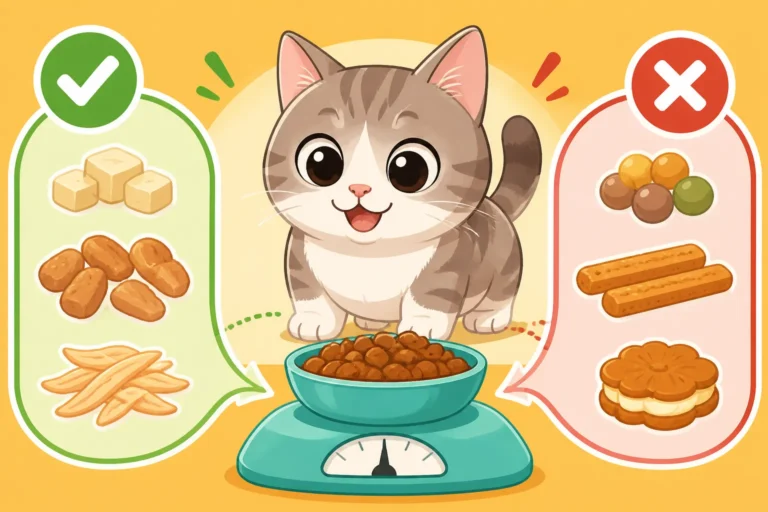
- Portion Control is Paramount: Free-feeding (leaving food out all day) is a recipe for weight gain in most cats, and especially in Munchkins. Instead, measure out their daily food allowance. Use a kitchen scale to weigh their kibble – cups and scoops can be inaccurate due to variations in density. Divide this into two or three meals a day. This ensures they're getting exactly what they need, no more, no less. Why a Munchkin's Portion Should Be Weighed is not just a suggestion; it's vital.
- Choose the Right Food: Look for high-quality cat food with appropriate protein levels to support muscle mass without excessive fat or fillers. If your Munchkin is already showing signs of being overweight, your vet might recommend a specific weight-management formula. Brands like Chewy offer a wide selection of cat foods, including specialized formulas, making it easy to find options that align with your vet's recommendations.
- Encourage Floor-Level Play: Don't let their short legs fool you; Munchkins are often incredibly playful and zippy on the flat! Focus on toys that encourage horizontal movement, chasing, and pouncing. Wand toys, laser pointers (used responsibly), and small rolling balls are fantastic for engaging them without requiring strenuous jumping. Create a rich, accessible environment with low-to-the-ground scratching posts, tunnels, and puzzle feeders. Remember, Why a Munchkin Burns Less Than a Normal Legged Cat comes down to those physical limitations, so make their exercise count in ways they can perform.
Recognizing Red Flags and Seeking Veterinary Guidance
As diligent as you are, sometimes things go awry. Knowing when to call in the professionals is crucial.
Signs of Weight Gain to Watch For:
- Difficulty reaching their hindquarters or back for grooming, leading to mats or a dull coat.
- Increased lethargy or less willingness to play.
- Slower movement, especially getting up or down from low furniture.
- Visible swaying or waddling when they walk.
- You can't easily feel their ribs or spine anymore.
- Their "tuck" or waistline is gone.
Signs of Weight Loss to Watch For:
- Ribs and spine are easily visible and feel sharp.
- Reduced appetite or refusal to eat.
- Increased vocalization or behavioral changes.
- Lethargy or weakness.
Any significant, unexplained weight change – up or down – warrants a call to your vet. Weight loss can indicate underlying medical issues, while weight gain, as we've discussed, is particularly detrimental to Munchkins. Your veterinarian can assess their overall health, rule out any medical conditions affecting weight, and help you create a tailored nutrition and exercise plan. They might recommend specific dietary changes, joint supplements, or even imaging like X-rays to check for early signs of joint or spinal issues. Why a Withdrawn Munchkin Should See a Vet is important for any cat, but especially one with a unique anatomy. Regular check-ups, even if your Munchkin seems perfectly fine, are an essential part of their care. They are often the best opportunity to discuss weight, mobility, and overall joint health. How Often a Healthy Adult Munchkin Needs Checking usually means at least once a year, but for proactive weight monitoring, more frequent discussions might be beneficial. If you're considering special dietary supplements or tailored food plans, discuss them with your vet for precise caloric intake based on your Munchkin's needs and activity level.
Disclaimer
This article is for general informational purposes only and does not constitute professional advice. Laws, prices and regulations vary by location and change over time. Consult a qualified professional for guidance on your specific situation.