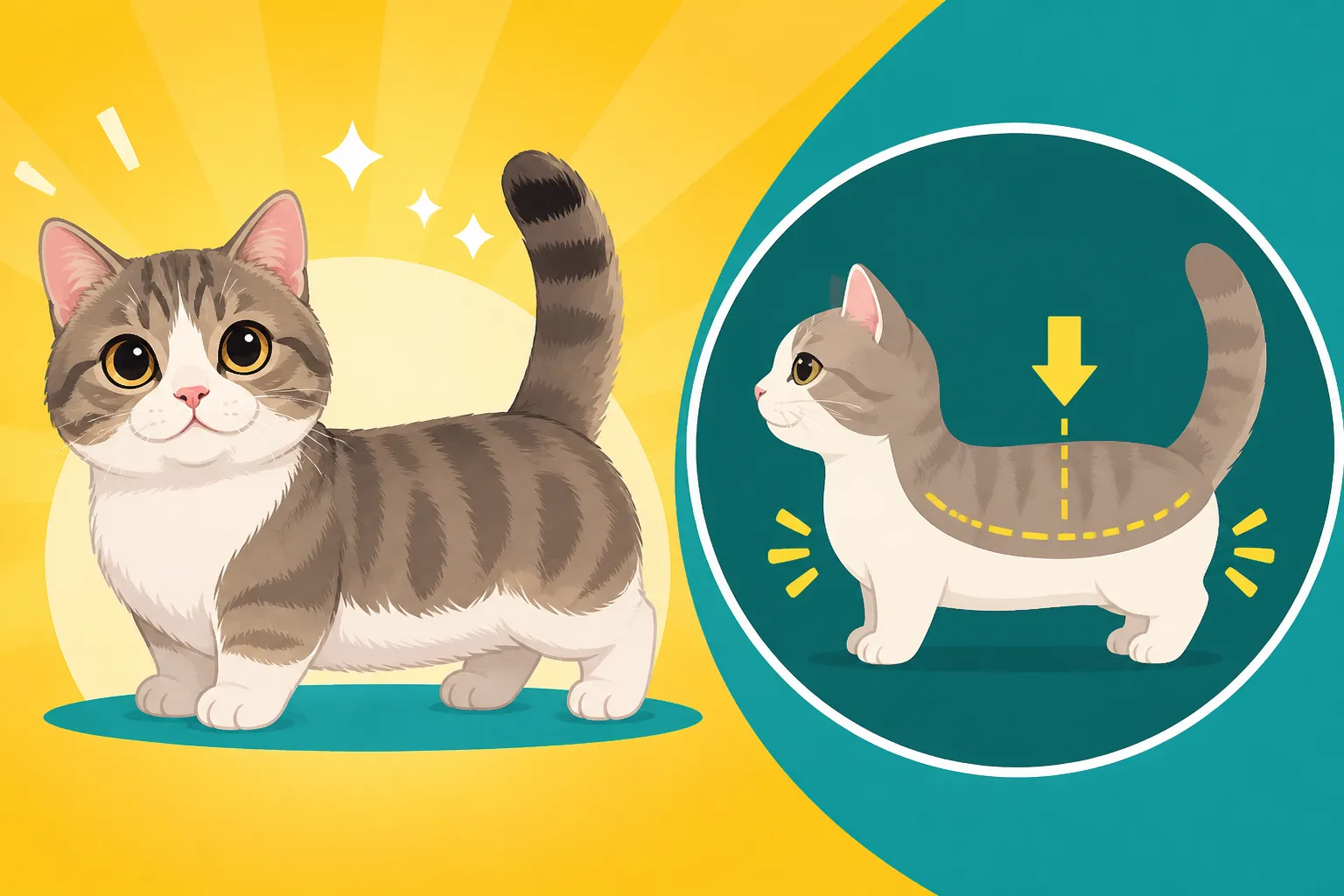
Finding a Munchkin’s Waist on a Body That Sits Low
It can be incredibly tricky to figure out if your adorable Munchkin is at a healthy weight, especially when their unique short legs make their body sit so close to the ground, often giving them a deceptively 'round' appearance. Those little legs can mask a lot, making it hard to tell if your furry friend is a healthy weight or carrying a few too many pounds. This guide will walk you through how to properly assess your Munchkin's body condition, focusing on touch rather than just sight, and offer practical tips for maintaining their optimal weight to ensure a long, happy, and comfortable life.
The Visual Deception of a Munchkin's Low-Slung Body
When you first look at a Munchkin, it's easy to be charmed by their distinctive short legs and compact appearance. However, this very feature can make assessing their body condition a real challenge for even experienced cat owners. Unlike their long-legged cousins, a Munchkin’s proportions mean that traditional visual cues for weight assessment often don't apply, leading to potential misunderstandings about their true physical state. It's a common frustration to look at your Munchkin and wonder if they're naturally round or if that cute 'pudginess' is actually excess weight hiding in plain sight.
Why a Munchkin's Body Looks Round Even When Lean
A Munchkin’s body structure is quite unique. While their legs are notably short, their torso and spine are generally of normal length, not shortened. This means their belly naturally sits much closer to the ground than in a standard domestic cat. This low carriage creates an optical illusion, making them appear rounder and more full-bodied than they actually are, even when they are at an ideal, lean weight. You might look at your Munchkin trotting across the floor, belly nearly skimming the carpet, and think they're chunky, when in reality, it's just their unique anatomy at play. It's important to understand this inherent visual bias to avoid incorrectly assuming your cat is overweight based on sight alone. This distinctive appearance is a part of Why a Munchkin's Belly Nearly Touches the Floor.
The broadness of their chest and shoulders, combined with the normal length of their ribcage, further contributes to this 'barrel-like' or 'compact' look. It's not a flaw; it's just how they're built. This optical trick can lead owners to underestimate the importance of tactile assessment. You might be staring at a cat that looks robust, yet underneath that seemingly round exterior, they are perfectly lean and healthy. Without proper knowledge, it’s easy to misunderstand their body language and condition.
The Limitations of Visual Assessment for Munchkins
Relying solely on your eyes to gauge a Munchkin's weight can be highly misleading. For most cats, you can easily look for a discernible waist, an abdominal tuck, and visible ribs or hip bones as indicators of body condition. With a Munchkin, these visual markers are often obscured by their low-slung body and short legs. The 'abdominal tuck' – that slight upward curve of the belly when viewed from the side – might be minimal or even non-existent even in a lean Munchkin due to their proximity to the floor.
Furthermore, fat distribution can be different. Instead of accumulating prominently around the waist or hips, excess weight on a Munchkin might create a more uniform roundness that is harder to spot visually until it becomes quite significant. This makes it challenging to detect subtle weight gain, which is crucial to address early, especially for a breed with specific orthopedic considerations. This is why many vets will emphasize palpation for breeds with unique body structures like the Munchkin.
How to Feel for a Munchkin's Ideal Body Condition
Since visual cues can be deceiving for a Munchkin, the most accurate way to assess their body condition is by using your hands. This tactile approach, often referred to as Body Condition Scoring (BCS), involves feeling for specific anatomical landmarks like ribs, spine, and hip bones, as well as gauging the amount of fat cover over these areas. It takes a little practice, but once you get the hang of it, you'll be much better equipped to monitor your Munchkin's health. Think of it as learning the secret language of their unique physique.
Feeling for Ribs and Spine
To feel for your Munchkin's ribs, gently place both hands on either side of their chest, just behind their front legs. Apply a light pressure with your fingertips and run your hands along their sides. You should be able to feel each individual rib, much like feeling the knuckles on the back of your hand when it's flat – distinct but not sharply protruding. If you can't feel the ribs without pressing hard, or if you feel a soft, squishy layer over them, your Munchkin might be carrying too much weight. Conversely, if the ribs feel very prominent, like your knuckles when you make a fist, they could be underweight.
For the spine, run your fingertips gently along the top of their back, from shoulders to tail. You should be able to feel the individual bumps of the vertebrae with a slight cushion over them. Again, if the spine feels very bony and sharp, they are likely too thin. If you struggle to feel the vertebrae at all, or if the back feels broad and flat, there's likely an excess layer of fat. Learning What a Lean Munchkin Should Feel Like Along the Spine is an essential part of their care.
Assessing the Waist and Abdominal Tuck
Even though a Munchkin's waist might not be visually obvious, you can still assess it by touch. Stand above your Munchkin and gently place your hands on their sides, just behind their rib cage. Move your hands towards their hips. You should feel a gentle indentation or narrowing – a subtle "waist" – between the ribs and the hips. If your hands slide straight down without any discernible curve, or if the area feels uniformly broad, it suggests an accumulation of fat.
Regarding the abdominal tuck, while it might not be as pronounced as in a long-legged cat, there should still be a slight upward slope from the bottom of their rib cage towards their hind legs when viewed from the side. You might need to gently lift your Munchkin to get a clearer view from their underside. This area should feel soft but not pendulous or overly padded. A lack of any tuck or a sagging belly often indicates excess weight.
The Importance of Regular Weigh-Ins
While palpation is key, objective measurement remains invaluable. Regular weigh-ins are crucial to track trends in your Munchkin's body condition. Aim to weigh your cat weekly or bi-weekly. For smaller cats like Munchkins, a baby scale or even a kitchen scale can be very accurate. You can find reliable scales on platforms like Amazon or Chewy. Simply place your cat in a carrier or a small box on the scale, or if they're cooperative, directly on the scale. Make sure to zero out any container weight first.
Keeping a log of your Munchkin's weight over time allows you to spot gradual increases or decreases that might not be immediately apparent through visual or even tactile assessment alone. Even half a pound can make a big difference on a small cat's frame. This quantitative data, combined with your hands-on assessment, provides the most comprehensive picture of your Munchkin's weight health.
Here’s a simplified Body Condition Score (BCS) guide to help you assess your Munchkin:
| Body Condition Score (BCS) | Visual Cues (Munchkin-specific Notes) | Palpation (Feeling) Cues | Recommendation |
|---|---|---|---|
| 1 (Emaciated) | Ribs, spine, pelvic bones very prominent, even with low body. Severe abdominal tuck. | Ribs, spine, pelvic bones very prominent, no fat padding at all. | Urgent vet consult and dietary intervention. |
| 2 (Underweight) | Ribs, spine easily visible/palpable. Obvious abdominal tuck. | Ribs, spine easily felt with minimal fat cover. Waist obvious. | Increase food intake under vet guidance. |
| 3 (Ideal) | Well-proportioned body; may still look 'round' due to short legs. Slight abdominal tuck present. | Ribs, spine easily felt but with a slight fat cover. Waist discernible. | Maintain current diet and activity. |
| 4 (Overweight) | Rounder appearance, belly closer to ground, abdominal tuck often minimal/absent. Broad back. | Ribs, spine hard to feel due to moderate fat. Waist indistinct. | Gradual weight loss plan, consult vet. |
| 5 (Obese) | Very round, distended belly, no waist or tuck. Uniformly round. | Ribs, spine difficult/impossible to feel due to thick fat. | Urgent vet consult for significant weight loss. |
Practical Strategies for Munchkin Weight Management
Maintaining a healthy weight for your Munchkin is paramount, not just for their general well-being but specifically for their unique physical structure. Their short legs and spine can be more susceptible to strain if carrying excess weight, making careful management even more critical than for a typical cat. It's about proactive care, not reactive solutions.
Calorie Needs and Portion Control
Munchkins, by nature of their shorter limbs, tend to be less athletic in terms of jumping and climbing high. This means they often burn fewer calories throughout the day compared to a long-legged cat that might be constantly scaling cat trees or leaping onto countertops. Consequently, their caloric needs are typically lower. Overfeeding, even slightly, can quickly lead to weight gain because their energy expenditure is naturally reduced. It's truly a case of How Few Calories a Munchkin Actually Burns.
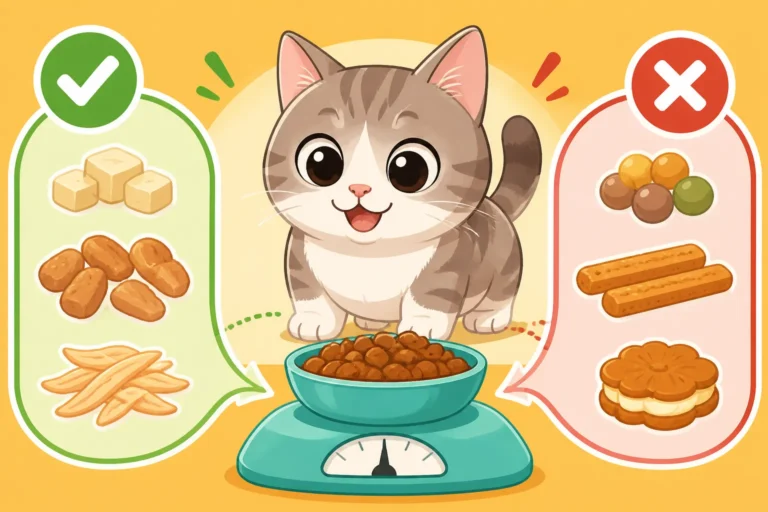
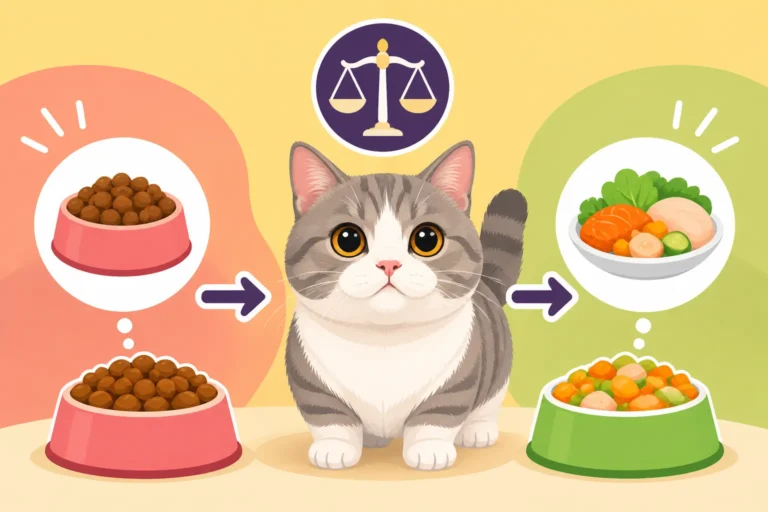
Precision in feeding is key. Instead of free-feeding or guessing, weigh your Munchkin's food portions using a digital kitchen scale. Consult your veterinarian to determine the ideal daily calorie intake for your specific cat, taking into account their age, activity level, and current body condition. High-quality foods can be helpful for precise nutrition and portion control, ensuring they get all the necessary nutrients without unnecessary fillers or excess calories. Remember, every gram of food counts more for a Munchkin.
Encouraging Appropriate Exercise
While Munchkins might not be Olympic jumpers, they are often surprisingly agile and playful on the ground. Encourage plenty of floor-level play and interactive activities. Wand toys, laser pointers, and small rolling balls can keep them engaged and moving. Consider puzzle feeders to make mealtime an active mental and physical exercise, which you can find on Chewy or Amazon. These methods help burn calories and keep their muscles toned without putting undue stress on their joints.
Provide appropriate enrichment that caters to their abilities. Instead of tall, multi-level cat trees, opt for shorter, wider ones with close-set platforms or invest in sturdy ramps and steps that allow them to safely access elevated surfaces like sofas or window sills. This encourages natural exploration and movement without the high-impact stress of repeated strenuous jumps. Understanding How Much Floor Play Keeps a Munchkin's Weight Down is crucial for their overall health.
Monitoring Weight Changes and Seeking Vet Advice
Consistent monitoring is your best defense against weight issues. As mentioned, weekly or bi-weekly weigh-ins are ideal. Look for trends, not just individual numbers. A gradual upward creep in weight, even if only a few ounces over several weeks, warrants attention. If you notice a consistent increase, or if your tactile assessment indicates a higher BCS, it’s time to act.
Your veterinarian is your best partner in weight management. They can help you calculate exact caloric needs, recommend specific diets, and rule out any underlying health conditions contributing to weight gain or loss. Don't hesitate to schedule an appointment if you have concerns, especially given Why Weight Is More Dangerous on a Munchkin. Early intervention is always better, preventing small problems from escalating into larger health complications. They can also offer advice on joint supplements if needed, which can become more important as a Munchkin ages.
The Serious Consequences of Overweight Munchkins
While a little extra fluff might seem endearing, for a Munchkin, being overweight carries significant health risks that can profoundly impact their quality of life. Their unique skeletal structure makes them particularly vulnerable to the added strain of excess weight, turning what might be a minor issue for another breed into a major concern. It's more than just aesthetics; it's about safeguarding their comfort and mobility.
Increased Strain on Joints and Spine
This is arguably the most critical consequence of an overweight Munchkin. Their short legs and normally proportioned spine are not designed to carry extra pounds. Every additional ounce of weight places increased stress on their joints, particularly in their front legs and shoulders, which bear a disproportionate load during movement and jumping. This accelerated wear and tear can lead to earlier onset and more severe forms of osteoarthritis. Why a Munchkin's Spine Carries a Load a Normal Cat's Does Not becomes acutely relevant here, as the added burden can exacerbate any predisposition to spinal issues, such as lordosis, making them more painful and debilitating.
Furthermore, the impact of jumps, even small ones, is magnified when a Munchkin is overweight. The joints absorb more shock, leading to inflammation and discomfort. This can create a vicious cycle: pain leads to reduced activity, which in turn leads to more weight gain and further joint deterioration. It’s imperative to manage their weight to protect their precious, unique anatomy from unnecessary strain. Understanding Why a Munchkin's Shoulders Wear First emphasizes this point.
Grooming Challenges and Skin Issues
An overweight Munchkin will find it increasingly difficult to reach and groom itself properly, especially its hindquarters and the underside of its belly. Their already limited reach, combined with a wider, heavier body, makes those areas almost impossible to clean effectively. This often leads to matting of the fur, especially in longhaired Munchkins, and accumulation of fecal matter around the anus.
Mattled fur not only pulls on the skin, causing discomfort and pain, but it also creates a warm, moist environment where skin infections, parasites, and hot spots can easily develop. Owners often notice a distinctive smell or skin irritation before realizing the extent of the grooming problem. What a Munchkin Cannot Reach to Groom becomes a serious health hazard when weight is added to the equation, necessitating frequent intervention from the owner or a professional groomer to prevent painful skin conditions. You might find yourself needing special brushes or even ordering grooming scissors from Amazon to manage these areas.
General Health Risks
Beyond orthopedic and grooming concerns, an overweight Munchkin faces many of the same general health risks as any other overweight cat, but potentially with amplified consequences. These include an increased likelihood of developing diabetes, heart disease, respiratory problems, and certain types of cancer. The reduced mobility associated with obesity can also affect their digestive system, potentially leading to constipation or other gastrointestinal issues.
Anesthesia, which is sometimes necessary for dental cleanings or other procedures, can also be riskier for an overweight cat. Their organs are under more strain, and their body's ability to process medications can be altered. Ultimately, maintaining a healthy weight is not just about extending their lifespan, but about ensuring that those years are filled with comfort, mobility, and the joyful playfulness that Munchkins are known for. Every extra pound matters, and for a Munchkin, Why Every Extra Pound Matters More on a Munchkin is a truth that simply cannot be ignored.
Disclaimer
This article is for general informational purposes only and does not constitute professional advice. Laws, prices and regulations vary by location and change over time. Consult a qualified professional for guidance on your specific situation.