Whether a Munchkin Needs a Hygiene Trim
It's a familiar scene for many Munchkin cat parents: you notice a little something clinging to their fluffy behind after a litter box visit, or perhaps their low-slung belly fur seems a bit… damp. Their adorable short legs, while endearing, unfortunately mean they can't always reach all the crucial spots to keep themselves pristine. This guide is here to walk you through whether a hygiene trim is the right call for your Munchkin, explain what it involves, and help you decide if it's a task you can tackle at home or if professional help is best.
Understanding the Unique Grooming Challenges of Munchkins
Munchkin cats are truly special, known for their playful personalities and, of course, their distinctive short legs. But these very attributes, while charming, can create some unique hurdles when it comes to maintaining their personal hygiene. It’s not that they don’t want to be clean; it’s simply a matter of physics and reach.
The Anatomy of a Munchkin's Grooming Struggle
Imagine trying to reach your lower back or hindquarters if your arms were significantly shorter than typical. That's essentially the dilemma many Munchkins face every single day. Their short legs and elongated, low-slung body structure mean that a good portion of their posterior and underbelly is simply out of reach for effective self-grooming. This isn't a sign of a lazy cat or a lack of personal care; it's a physical limitation that we, as their loving owners, need to understand and accommodate.
The primary area of concern is often the hindquarters. After a trip to the litter box, a normal-legged cat can twist and turn, using their flexible spine and longer limbs to meticulously clean away any traces of waste. A Munchkin, however, struggles immensely with this maneuver. The angle is awkward, the reach is insufficient, and as a result, fecal matter or urine can easily cling to the fur around their anus and inner thighs. This isn't just unsightly; it can lead to discomfort, skin irritation, and even infections if left unaddressed. It becomes a persistent challenge to keep them truly clean, especially in a multi-cat household where scents can become particularly important. We often have to step in and offer a helping hand – or rather, a helping wipe!
Beyond the rear, the belly area is another significant problem spot. Due to their low stature, a Munchkin's belly fur often brushes against various surfaces throughout the day, including the litter in their box. This means it's far more prone to picking up litter particles, dust, and even urine. Over time, this can lead to tangles and matting, particularly if the fur is longer or denser. Even dampness from urine can cause irritation or a lingering smell. It’s a constant battle to ensure that this area stays dry and free from debris, and it's one of the reasons that some owners find themselves needing to provide more active grooming than they might for a cat with standard leg length. Indeed, knowing What a Munchkin Cannot Reach to Groom is half the battle in proactive care.
It's also worth noting that other areas, such as the lower chest and the "armpit" regions, can become difficult for a Munchkin to reach for thorough cleaning. While not as prone to fecal contamination, these spots can still develop tangles or mild matting, especially in cats with thicker coats. These areas, though less critical than the sanitary zone, still require regular attention to ensure overall comfort and prevent the buildup of dead fur or minor skin issues.
The Impact of Coat Length on Munchkin Hygiene
While all Munchkins can face grooming challenges, the length and texture of their fur play a huge role in the extent of these issues. It's a spectrum of need, with long-haired varieties typically requiring more proactive intervention than their short-haired counterparts.
For long-haired Munchkins, the risk of hygiene-related problems is significantly higher. Their flowing, often silky fur around the hindquarters and belly acts like a natural net, easily trapping litter, fecal matter, and urine. This creates a perfect storm for matting, which can quickly become severe. A small tangle can escalate into a painful, solid mat in a matter of days, pulling at the skin and causing considerable discomfort. Owners of long-haired Munchkins often find that without regular grooming, including potentially a hygiene trim, they are constantly cleaning up messes or dealing with matted fur that their cat simply cannot manage on its own. This is a primary reason for Why a Munchkin's Hindquarters Get Matted, as the fur catches everything.
Even short-haired Munchkins aren't entirely immune to these concerns. While their shorter fur might not mat as easily or severely as a long-haired cat's, it can still become soiled around the sanitary areas. Urine can still cling to short fur and irritate the skin, leading to urine scalding or a persistent odor. Fecal matter can also get caught, particularly if the stool is soft. So, while the urgency might be less, the need for vigilance and occasional intervention remains. Don't assume that a short coat means no grooming worries; it just means slightly different worries.
The density and texture of the individual cat's coat also contribute to the challenge. Some Munchkins have incredibly soft, fine fur that, regardless of length, seems determined to tangle and mat with minimal provocation. Others might have a coarser, more resilient coat that sheds debris more easily. This means that even within the "short-haired" or "long-haired" categories, there's a range of individual needs. A cat with a very dense undercoat, for instance, might be more prone to matting even if the guard hairs are relatively short. Understanding your specific Munchkin’s fur type is crucial for tailoring an effective grooming routine.
What Exactly Is a Hygiene Trim for Cats?
When we talk about a "hygiene trim" for a cat, we're not suggesting a fashionable haircut or a full-body shave. This is a very specific, practical grooming technique designed to solve practical problems related to a cat's ability to stay clean, particularly for breeds like the Munchkin.
Defining the "Sanitary Clip"
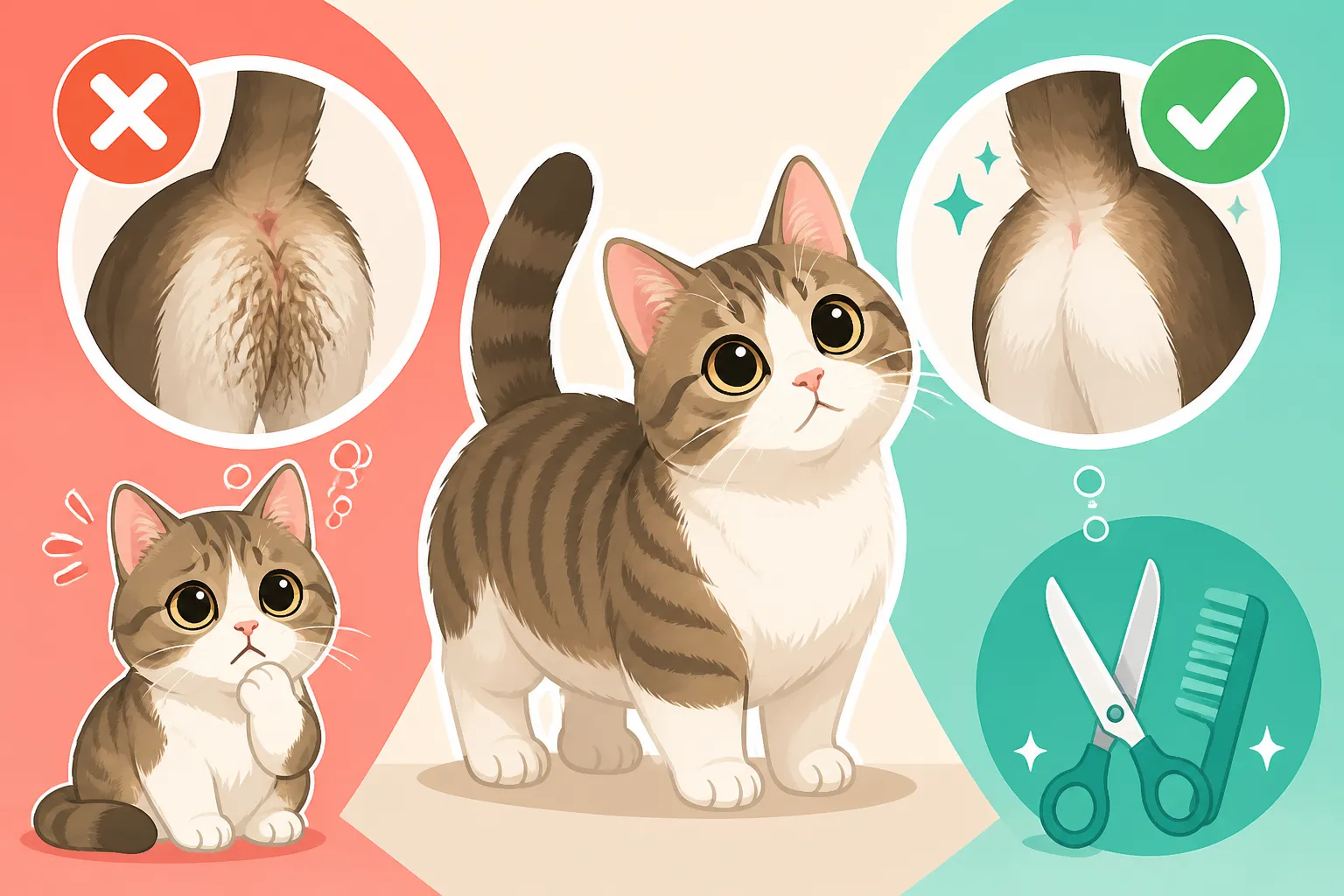
A hygiene trim, often referred to as a "sanitary clip," is a targeted grooming procedure focused on the fur around a cat's hindquarters. Specifically, it involves carefully trimming the hair shorter around the perineal area – that's the skin surrounding the anus and genitals. The fur on the inner thighs and sometimes the lower belly may also be included, depending on the cat's individual needs and coat length. It's a functional trim, not a cosmetic one, designed solely for cleanliness and comfort.
The primary goal of this clip is straightforward: to create a barrier-free zone where fecal matter and urine are less likely to stick to the fur. By shortening the hair in these critical areas, you significantly reduce the surface area available for waste to cling to, allowing it to pass cleanly and directly into the litter box. This drastically minimizes the chances of "cling-ons" or urine stains, which can otherwise make a mess of your cat's fur and, by extension, your home. Think of it as clearing a path for smooth sailing.
For Munchkins, due to their unique body structure, this trim often extends slightly further than it might for a regular-legged cat. Their low bellies and short legs mean that fur on their inner thighs and undercarriage can also easily become soiled or matted. Therefore, a comprehensive hygiene trim for a Munchkin often includes these additional areas to ensure full effectiveness and prevent any lingering hygiene issues that their short stature might contribute to. It's about providing enough clearance so that their low-slung body isn't a magnet for litter or waste.
It's vital to differentiate a hygiene trim from a full body clip or lion cut. While those services might be offered by groomers for various reasons, a hygiene trim is very localized. It doesn't impact the overall appearance of your cat's coat, nor does it affect their ability to regulate body temperature across their main body. It’s simply about keeping one specific, problematic area clean and manageable, making life more comfortable for your feline friend and less messy for you.
Why It's More Than Just Aesthetics
While a hygiene trim certainly helps keep your Munchkin looking tidier, its benefits extend far beyond aesthetics. This procedure is deeply rooted in promoting your cat's health, comfort, and overall well-being, directly addressing the physical limitations imposed by their short legs. It’s about preventing problems before they start.
Perhaps the most significant benefit is the drastic reduction in the risk of skin infections and urinary tract issues. When urine or fecal matter is allowed to sit on a cat's fur and skin, it creates a warm, moist environment ripe for bacterial growth. This can lead to painful skin irritation, dermatitis, or even more serious infections. For female cats, urine scalding can also increase the risk of urinary tract infections. By keeping the area clean and dry, a hygiene trim acts as a crucial preventative measure, safeguarding your Munchkin from these unpleasant and potentially serious health concerns. It helps avoid a situation where Whether Matting Becomes a Health Problem in a Munchkin due to accumulated waste.
Furthermore, being unable to properly groom themselves can be a significant source of stress for a cat. Cats are naturally fastidious creatures, and an inability to maintain their own cleanliness can lead to frustration and anxiety. A hygiene trim empowers them to feel cleaner and more comfortable in their own skin, reducing this psychological burden. It allows them to maintain a level of personal care that their physical build might otherwise prevent, thereby contributing positively to their mental well-being and overall happiness. They feel more "like a cat" when they are not constantly struggling with soiled fur.
Finally, a hygiene trim makes it considerably easier for you, as an owner, to perform routine health checks and spot any potential issues early. Dense or matted fur can easily hide a multitude of problems, from skin rashes, lumps, and bumps to parasites like fleas or ticks, or even changes in stool consistency that might indicate digestive upset. With the fur trimmed short, these areas are easily visible, allowing for prompt detection and veterinary attention if needed. This early identification can be critical for many health concerns, turning a small problem into an easily treatable one before it escalates.
When a Hygiene Trim Becomes Essential for Your Munchkin
Deciding when a hygiene trim is necessary for your Munchkin involves a bit of observation and understanding of their unique needs. Sometimes it’s about responding to existing problems, and other times it’s about proactive prevention, especially with certain coat types.
Signs Your Munchkin Needs a Trim
Your Munchkin will often give you clues that they're struggling with their hygiene, even if they can't explicitly tell you. Learning to recognize these signs is key to providing them with the care they need. One of the most common indicators is their behavior immediately after using the litter box. You might notice them spending an unusually long time trying to contort themselves into impossible positions, desperately attempting to reach their hindquarters. Despite their efforts, you might still see visible residue, like small pieces of litter or dried fecal matter, clinging to the fur around their anus or on their inner thighs. This shows that their self-grooming attempts are simply not effective enough.
Another undeniable sign is the presence of actual fecal matter or urine stains. This isn't just about spotting a stray piece of litter; it's about seeing dried bits of stool, a sticky brown residue, or yellowish urine stains on the fur itself. These are particularly common on the underside of the tail, around the perianal area, and along the inner thighs and lower belly. Such stains can lead to a persistent, unpleasant odor that permeates their fur and can even start to affect your home. If you're constantly noticing your Munchkin smells a bit "off" despite their best efforts to clean, a hygiene trim is likely overdue. Regularly checking their Why a Munchkin's Belly Needs Checking Weekly will also help you identify issues early.
Matting in these sensitive areas is perhaps the most urgent signal that a trim is required. Mats are more than just tangles; they are dense, felted clumps of fur that pull painfully on the skin. Even small mats can quickly grow, becoming extremely uncomfortable and difficult to remove without professional tools. They can also trap moisture and debris against the skin, leading to severe irritation, infections, and even open sores. If you feel any hard, dense clumps of fur around their rear, belly, or inner thighs, it's a clear indication that a hygiene trim is essential, and potentially an emergency professional grooming appointment.
Finally, observing changes in your Munchkin's gait or behavior related to their rear can be a telling sign. If your cat starts scooting its rear end across the floor, rug, or furniture, it's often an attempt to relieve itchiness, irritation, or discomfort caused by uncleanliness or matted fur. While scooting can sometimes indicate anal gland issues, ruling out hygiene problems with a trim is a good first step. Any reluctance to be touched around their hindquarters or an increase in unusual grooming behaviors (like excessive licking or biting at their rear) could also point to a need for a hygiene trim.
Preventative Trimming for Long-Haired Munchkins
For owners of long-haired Munchkins, the question isn't usually if a hygiene trim is needed, but when and how often. Proactive trimming is almost always recommended for these cats to prevent issues before they even have a chance to develop. It’s far less stressful and safer to prevent matting and messes than to deal with them once they've taken hold.
Establishing a routine preventative trim means you’re staying ahead of the fur growth and the inevitable accumulation of debris. Instead of waiting for visible signs of soiling or matting, you schedule regular trims, much like you might schedule nail trims or brushing sessions. This approach ensures your Munchkin remains consistently clean and comfortable, avoiding the discomfort and potential health risks associated with a soiled or matted coat. It takes the guesswork out of grooming and turns it into a predictable part of your cat care schedule.
It's also highly beneficial to introduce preventative trimming at a young age, especially for Munchkin kittens with long coats. Getting them accustomed to the clippers, the sound, the sensation, and the handling from an early age can make a world of difference. Kittens are generally more adaptable and less fearful, making the process smoother and less traumatic for future trims. Discussing this strategy with your breeder and veterinarian when your kitten is still small can set you up for success and ensure your Munchkin grows up comfortable with this necessary grooming.
The frequency of preventative trims will depend on several factors, including the individual cat’s coat growth rate, fur texture, and even their personal level of cleanliness. Some long-haired Munchkins might benefit from a trim every 4-6 weeks, while others might only need it every 8-10 weeks. The key is to monitor their fur growth and adjust the schedule accordingly. By maintaining a regular trimming routine, you ensure consistent hygiene and comfort, making the process a normal, stress-free part of their life rather than an occasional, emergency intervention.
How to Perform a Safe and Effective Hygiene Trim at Home
If you're considering tackling a hygiene trim yourself, it's certainly doable for many patient owners and calm cats. However, safety is paramount, and having the right tools and a gentle technique will make all the difference for both you and your Munchkin.
Essential Tools for a DIY Trim
Before you even think about starting, gather all your equipment. Rushing around to find things mid-trim will only add to your cat's anxiety (and yours!). The absolute most crucial item you'll need is a good quality pair of cat grooming clippers. These are specifically designed for pet use, meaning they are quieter, vibrate less, and, most importantly, have safety features like rounded blades or guards to minimize the risk of accidentally cutting your cat's delicate skin. Avoid using human scissors for this task – they are far too sharp and unwieldy, making accidental nicks almost inevitable, especially on a squirming cat. You can find excellent, quiet, and cordless clippers specifically for cats from reputable online retailers like Amazon or Chewy. Look for models that are well-reviewed for their low noise level, as this can be a major factor in a cat's acceptance of the process.
Next, a fine-tooth comb is indispensable. Before you even touch the clippers, you'll need to gently comb through the area to identify any existing mats or tangles and to lift the fur away from the skin, making it easier and safer to clip. A comb also helps you gauge how much fur you're working with. While clippers are the main tool, a small pair of blunt-nosed scissors can be useful for very precise, tiny snips in extremely delicate areas or for shaping after the main clip, but these should always be used with extreme caution and only by experienced hands, pulling the skin taut underneath the fur.
Beyond the cutting tools, think about comfort and safety. Have antiseptic wipes or a pet-safe antiseptic spray on hand in case of any accidental nicks, no matter how careful you are. A soft, absorbent towel can be useful to help secure your Munchkin gently, especially if they are a bit wriggly. And perhaps most importantly, have a generous supply of your Munchkin's favorite treats readily available. Positive reinforcement is key to making this a less stressful, or even enjoyable, experience. Finally, consider placing a non-slip mat on your grooming surface. This provides stability for your cat and makes them feel more secure, preventing sudden movements that could lead to accidents.
Step-by-Step Guide to a Gentle Trim
Once you have your tools, it's time to approach the actual trim. Remember, patience and a gentle touch are your best friends here.
1. Preparation is Key (and Patience is a Virtue): Choose a time when your Munchkin is naturally calm and relaxed – perhaps after a meal or a good play session when they're a bit sleepy. Avoid trying to trim when they're overstimulated or agitated. Gather all your tools within easy reach before you even bring your cat over. Ensure you have good, bright lighting so you can clearly see what you're doing. If your cat is particularly anxious or new to grooming, having a second person to gently hold and reassure them can be incredibly helpful. This ensures your hands are free to operate the clippers safely.
2. Positioning Your Munchkin for Comfort: You want your cat to be as comfortable and secure as possible. You can try laying them gently on their side on a soft towel on your lap, or have them stand comfortably on a non-slip surface at a comfortable working height for you. The goal is to expose the hindquarters without putting undue strain on their body. Gently lift their tail straight up and out of the way to fully expose the perineal area. Throughout this, speak in a soothing, calm voice, offering continuous praise and reassurance. If your cat starts to get agitated, take a break.
3. Mastering the Clipping Technique: This is where precision matters. With one hand, gently pull the skin around the area you're trimming taut and flat. This helps to create an even surface and significantly reduces the risk of skin folds getting caught in the clipper blades. Now, with your clippers, start slowly. You can glide the clippers with the direction of hair growth for a slightly longer, more natural look, or gently against the growth for a closer cut. For hygiene purposes, a closer cut is often preferred in the immediate sanitary area. Work in small, controlled sections. Focus on the area directly around the anus, under the tail, and then extend to the inner thighs. The goal is to remove enough hair so that waste cannot cling, but not so short that you cause razor burn or irritation. Leave a little bit of length if you’re unsure; you can always trim more, but you can’t put hair back.
4. Post-Trim Care and Positive Reinforcement: Once you’ve completed the trim, gently brush away any loose hairs. Take a moment to inspect the trimmed area carefully for any signs of irritation, redness, or accidental nicks. If you do notice a small nick, clean it gently with an antiseptic wipe designed for pets. The most important step here, however, is to reward your Munchkin immediately and lavishly with their favorite treats, praise, and gentle petting. This creates a strong positive association with the grooming experience, making future trims much easier. Remember, slow and steady wins the race, and a positive experience is more valuable than a perfectly even trim on the first try.
Professional Grooming vs. DIY Hygiene Trims
Deciding whether to take on your Munchkin's hygiene trim yourself or entrust it to a professional groomer is a common dilemma. Both options have their merits and drawbacks, and the best choice often depends on your comfort level, your cat's temperament, and the severity of their grooming needs.
The Benefits and Drawbacks of DIY Grooming
Taking on your Munchkin's hygiene trim at home offers a compelling list of benefits. Perhaps the most attractive aspect is the sheer convenience. You can perform the trim whenever it suits your schedule, without the need to book appointments, travel to a salon, or adhere to someone else's hours. This flexibility can be a huge relief for busy pet parents. Furthermore, a home environment is often much less stressful for a cat than a bustling grooming salon. Being in their familiar surroundings, with their trusted human, can significantly reduce anxiety and make the trimming process a more peaceful experience for some cats. It's also undoubtedly more cost-effective in the long run, as the initial investment in clippers and tools is a one-off expense, saving you recurring professional grooming fees.
However, DIY grooming also comes with its own set of challenges and potential drawbacks. It requires a significant amount of patience, a steady hand, and a willingness to learn. There's a definite learning curve involved in safely operating clippers around delicate areas, and without proper technique, the risk of accidental nicks or an uneven cut is higher, especially for beginners. It's important to know how to hold a Munchkin for a nail trim and how that applies to the hindquarters; proper positioning is crucial. If your Munchkin is particularly squirmy, anxious, or prone to aggression during handling, attempting a DIY trim can quickly become a stressful and potentially dangerous ordeal for both you and your cat.
Moreover, dealing with severe matting is another area where DIY grooming often falls short. Mats that are tight and close to the skin can be incredibly difficult and painful to remove safely without specialized tools and techniques. Trying to cut them out with scissors or clippers without experience can easily lead to cutting the skin underneath. In such cases, the potential for causing pain, injury, or severe stress to your cat far outweighs the benefits of doing it yourself.
When to Call in the Professionals
While DIY grooming has its place, there are definitely situations where calling in the professionals is not just a convenience, but a necessity for your Munchkin's safety and well-being. Professional groomers, especially those specializing in cats, possess a unique set of skills, specialized equipment, and extensive experience in handling all types of feline temperaments and coat conditions. Their expertise allows them to perform precise, efficient, and most importantly, safe trims, minimizing stress and risk of injury.
If your Munchkin becomes overly stressed, vocal, or even aggressive when you attempt to groom them, it's a clear signal that professional intervention is needed. Forcing a cat into a grooming session can damage your bond and make future attempts even more difficult. Professionals are adept at reading feline body language and employing gentle handling techniques to complete the task with minimal distress. They are also equipped to deal with truly challenging situations, such as severe matting that is too close to the skin to safely remove at home. They have the right tools to gently and effectively remove these painful clumps without injuring your cat.
Beyond just the trim itself, a professional groomer can offer invaluable holistic care and advice. They can provide an objective assessment of your Munchkin's overall coat and skin health, potentially identifying issues that you might have overlooked, such as underlying skin conditions, parasites, or even early signs of discomfort related to their physical structure. Many groomers also offer advice on suitable brushes, shampoos, and ongoing care routines tailored to your specific Munchkin's coat type and lifestyle. This expert guidance can empower you to maintain their hygiene more effectively between professional visits.
Ultimately, the choice comes down to a balance of skill, temperament, and the specific needs of your cat. If you're comfortable and your Munchkin tolerates it, a DIY trim can be effective. But if you encounter any resistance, severe matting, or feel unsure, don't hesitate to seek out a qualified cat groomer. Their specialized knowledge ensures your beloved Munchkin receives the best care possible.
| Feature | DIY at Home | Professional Groomer |
|---|---|---|
| Cost | Initial investment in clippers (~$50-150), then generally free per session | Recurring fee per session (~$40-100+ depending on location and services) |
| Convenience | On your schedule, no travel required, familiar environment for cat | Requires appointment booking, travel to salon |
| Stress Level | Potentially lower for familiar cats; higher for anxious/uncooperative ones | Varies by cat; can be lower with experienced, gentle groomer; higher if cat dislikes new people/places |
| Skill/Expertise | Requires practice, risks mistakes; learning curve for safe operation | Trained professional with experience in handling various cat temperaments and coat conditions |
| Tools | Owner responsible for purchasing, cleaning, and maintaining clippers/tools | Groomer provides all specialized tools and maintains them |
| Matting | Challenging and potentially dangerous for severe or tight mats | Equipped and skilled to handle severe matting safely |
| Monitoring Health | Good for ongoing daily/weekly checks; may miss subtle skin issues | Can spot subtle skin conditions, parasites, or changes you might miss |
| Results | May be less even or aesthetic initially; improves with practice | Typically clean, even, and professionally finished |
Maintaining Optimal Hygiene Beyond the Trim
A hygiene trim is a fantastic tool in your Munchkin's grooming arsenal, but it's just one piece of the puzzle. For truly optimal hygiene and comfort, it needs to be complemented by consistent daily care and thoughtful environmental considerations. Think of it as a comprehensive approach to keeping your short-legged friend pristine.
Daily Brushing and Spot Cleaning
Even with a hygiene trim, regular brushing remains a cornerstone of good grooming for any Munchkin, but especially those with longer fur. A daily or every-other-day brushing session, focusing particularly on the hindquarters, belly, and inner thighs, helps to prevent new mats from forming and removes loose hair before it can become a problem. This is a crucial step for how often a longhaired Munchkin's back half needs brushing. Use a soft-bristled brush or a comb appropriate for their coat type, making sure to be gentle, especially around the delicate skin of the belly. Brushing not only keeps their coat healthy but also serves as a bonding experience between you and your cat, helping them become more accustomed to being handled.
Beyond brushing, spot cleaning is absolutely vital, particularly after your Munchkin has used the litter box. A quick visual check and, if needed, a gentle wipe with a pet-safe, unscented cleansing wipe can prevent any lingering fecal matter or urine from drying onto the fur. This is especially important if your Munchkin has had a soft stool or if you notice their belly fur is damp from urine. Don't underestimate the power of these small, consistent actions; they can prevent minor issues from escalating into uncomfortable and unsanitary problems that might necessitate another full trim sooner than anticipated. This is also how to proactively learn How to Clean a Munchkin's Rear without needing a full bath.
You might also consider keeping a cat-safe waterless shampoo or grooming spray on hand for quick clean-ups of particularly stubborn spots. These products can help dissolve minor residues or freshen up the fur without the stress of a full bath. However, always ensure that any product you use is specifically formulated for cats and leaves no irritating residue that could be ingested during your Munchkin's self-grooming attempts. The key is to be proactive and address any potential messes as soon as you notice them, preventing them from becoming dried-on, matted, or irritating.
Choosing the Right Litter and Litter Box
Believe it or not, the type of litter you use and the design of your Munchkin's litter box can significantly impact their overall hygiene, particularly with their low-slung bodies. It’s all about minimizing contact with waste and making the process as clean as possible.
When it comes to litter, consider the texture. Fine, dusty, or very lightweight clumping litters tend to cling more readily to fur, especially the soft fur on a Munchkin's belly and paws. This means more tracking of litter throughout the house and a higher chance of it getting trapped in their fur. Opting for a coarser-grained, low-dust, or even pellet-style litter can make a surprising difference. These types of litters are less likely to adhere to fur, reducing the amount of debris your Munchkin carries out of the box and making it easier for them to stay clean. Experiment with different types to see what works best for your cat and their specific coat.
The design of the litter box itself is equally, if not more, critical for a Munchkin. Due to their short legs, they struggle to step over high edges. A standard litter box, with its typical 6-inch or higher rim, can be a significant obstacle, leading to them straining, awkwardly maneuvering, or even avoiding the box altogether. This is why a litter box with a how low a Munchkin litter box entry should be is essential. Look for designs specifically marketed as "senior" or "handicapped access" litter boxes, as these often feature a very low entry point, sometimes just 2-3 inches high, allowing your Munchkin to simply walk in and out without having to jump or step high. A senior cat box suits a Munchkin perfectly for this reason.
While covered litter boxes might seem appealing for containing odor, they can sometimes exacerbate hygiene issues for Munchkins. The enclosed space can trap humidity and odors, potentially making the environment less appealing for your cat and increasing the chance of bacteria growth. Furthermore, if the entry is high, it compounds the problem. An open, easily accessible litter box, kept scrupulously clean, is often the best choice for a Munchkin. Ensure you have enough litter boxes – ideally one per cat plus one extra – and scoop them at least twice daily. A clean box means less chance of your Munchkin's fur coming into contact with soiled litter. Pet supply retailers offer a great selection of suitable low-entry boxes and appropriate litter types to help maintain your Munchkin's pristine hygiene.
Disclaimer
This article is for general informational purposes only and does not constitute professional advice. Laws, prices and regulations vary by location and change over time. Consult a qualified professional for guidance on your specific situation.