Why a Senior Cat Box Suits a Munchkin
It's a common frustration for Munchkin cat owners: you bring home your adorable short-legged friend, only to realize that something as basic as a litter box can become a daily challenge. Standard litter boxes, with their tall sides and awkward entry points, simply aren't designed for a cat with a lower center of gravity and those endearing short legs. This guide will delve deep into why a senior cat litter box isn't just a convenience, but a crucial component of providing a comfortable, accessible, and hygienic environment for your beloved Munchkin, whether they're a kitten or a seasoned adult.
Understanding the Munchkin's Unique Physical Needs
Before we dive into the specifics of litter boxes, it's really important to get a handle on why a Munchkin moves differently and what challenges their unique physique presents. It's not just about looking cute; those short legs come with specific biomechanical considerations that impact everything from play to potty breaks.
The Impact of Short Legs on Mobility
Munchkins are known for their distinctive short legs, a characteristic stemming from a natural genetic mutation called pseudoachondroplasia. While their bodies are typically normal in length, their limbs are significantly shorter. This isn't just a cosmetic trait; it fundamentally alters how they navigate their world. They can run surprisingly fast on level ground and corner like champions due to their low center of gravity, but vertical movement is where they face their biggest hurdles. Why a Munchkin's Legs Are Short but Its Body Is Not is a good read if you want to understand the genetics behind this.
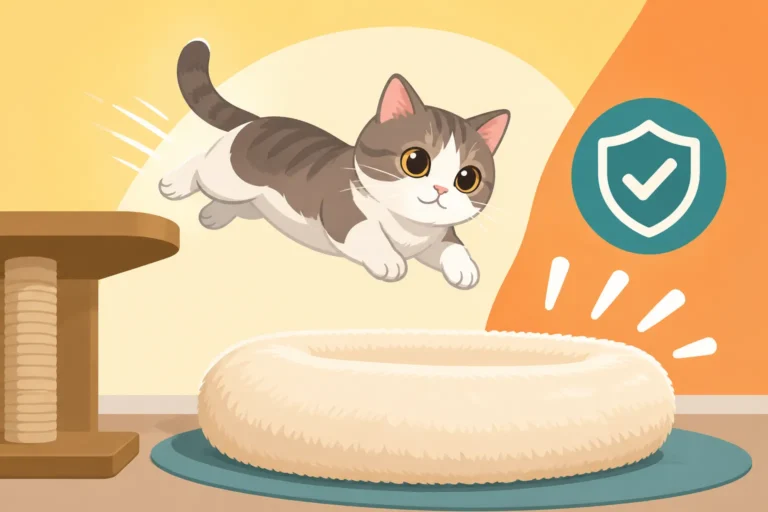
Imagine trying to climb into a bathtub if your legs were only half their normal length – that's often what a standard litter box feels like to a Munchkin. They can't spring upwards with the same power as a long-legged cat, making even a small lip a significant obstacle. This can lead to them struggling, straining, or even refusing to use a box that's too high, which no owner wants to see their precious companion do. The repetitive strain of attempting high jumps or climbs can also put undue pressure on their spine and joints over time, especially their shoulders and elbows, which already take a lot of impact from their playful antics.
Potential Spinal and Joint Considerations
While the Munchkin breed is generally considered healthy, their unique conformation does mean some areas warrant extra attention. The way their short legs meet a normal-length body means their spine can sometimes carry a load differently than a standard cat's. Conditions like lordosis, an excessive inward curvature of the spine, or pectus excavatum, a sunken chest, are sometimes discussed in relation to the breed, though their prevalence can be debated. Lordosis Is the Spinal Curve the Munchkin Argument Is About offers more details on this.
Even without these specific conditions, any added strain on their back from awkward climbing or jumping can contribute to discomfort or accelerate the onset of age-related joint issues like arthritis. When a cat has to contort itself or repeatedly jump into and out of a litter box, it's not just inconvenient; it can be actively detrimental to their long-term spinal and joint health. A litter box that allows for easy, natural entry and exit minimizes this kind of stress, supporting their physical well-being throughout their life.
Why a Senior Cat Litter Box Is the Perfect Solution
Given the Munchkin's unique physical makeup, it becomes clear that a standard litter box isn't always the best fit. This is precisely where senior cat litter boxes shine, offering features that naturally accommodate the needs of our short-legged friends.
Low Entry for Easy Access
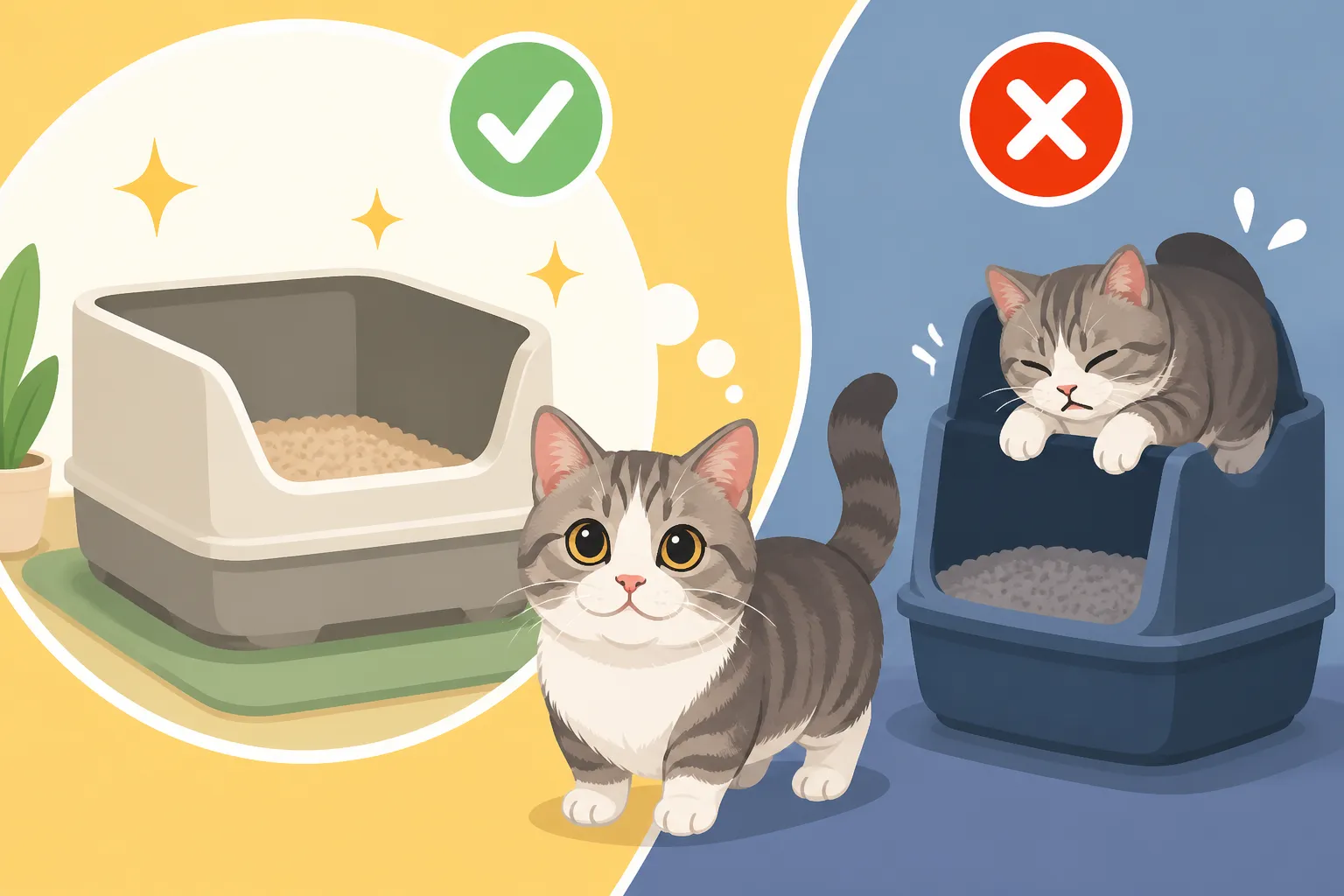
The defining feature of a senior cat litter box is its incredibly low entry point. These boxes are designed for cats with reduced mobility – whether due to age, injury, or, in the Munchkin's case, conformation – to step into with minimal effort. Instead of having a lip several inches high that requires a jump or a precarious climb, a senior cat box might have an entry point that's only an inch or two off the ground. For a Munchkin, this is a game-changer. How Low a Munchkin Litter Box Entry Should Be is critical to consider.
Imagine your Munchkin easily strolling into their litter box, rather than having to vault over a barrier. This not only reduces the physical strain on their short legs and spine but also dramatically lessens the chance of accidents outside the box. A cat that finds its litter box difficult to access might start looking for alternative, easier spots, like carpets or bath mats, which is a problem no one wants. By removing the barrier, you're not just providing a convenient amenity; you're reinforcing positive litter habits and protecting your home.
High Sides for Containing Mess
Now, you might be thinking, "Low entry? Won't that mean litter everywhere?" And that's a fair concern! But here's where senior cat boxes are cleverly designed: while they have a low entry, the other three sides are typically much higher. This offers the best of both worlds. Your Munchkin can step in effortlessly, but once inside, the elevated walls provide ample containment for digging, spraying, and general litter dispersal.
Cats naturally like to dig and bury their waste, and a Munchkin is no different in this regard. The high sides ensure that when they're enthusiastically excavating, litter stays where it belongs, rather than being kicked out onto your floor. This design also helps prevent "overshooting" for cats who may spray or stand to urinate. It’s about creating a functional and clean space for your cat while minimizing the clean-up for you. Brands available on platforms like Chewy or Amazon often feature these designs prominently, giving you a wide selection to choose from.
Comparison: Standard vs. Senior Litter Box for Munchkins
To really drive home the benefits, let's look at a side-by-side comparison of typical features:
| Feature | Standard Litter Box | Senior Cat Litter Box | Benefit for Munchkin Cat |
|---|---|---|---|
| Entry Height | 4-8 inches | 1-3 inches (low dip) | Effortless entry, prevents strain on short legs & spine. |
| Side Wall Height | Uniform, 4-8 inches | High (6-12 inches) on 3 sides | Contains litter kick-out and spraying, even with low entry. |
| Base Design | Flat | Sometimes slightly sloped towards low entry | Encourages easy egress and drainage if accidents occur. |
| Material | Standard plastic | Often heavier duty plastic, non-slip base | More stable, less likely to shift during entry/exit. |
| Mobility Impact | Requires jumping/climbing | Easy step-in access | Reduces risk of joint stress, falls, and out-of-box accidents. |
| Usability for Munchkin | Challenging, potential for refusal | Optimal, comfortable, encourages use | Promotes consistent litter box use and better hygiene. |
This table clearly illustrates why the design of a senior cat litter box directly addresses the specific challenges a Munchkin faces, transforming a potential struggle into a seamless experience.
Setting Up the Ideal Litter Box Environment
Having the right litter box is just the first step. To truly optimize your Munchkin's environment, you need to consider the full picture, from litter choice to placement and overall accessibility.
Choosing the Right Litter and Depth
The type and depth of litter you use can make a big difference for your Munchkin. With their low-slung bellies, certain litters can cling and cause discomfort, or even track more easily through the house. Fine-grained, soft litters are generally preferred as they are gentler on paws and less likely to irritate their underside. Avoid very dusty litters, which can be an issue for any cat's respiratory system, but especially important for a cat that sits lower to the ground. Which Litter Sticks to a Munchkin's Belly is something to be aware of.
When it comes to depth, a moderate amount is usually best – enough for them to comfortably dig and bury their waste, but not so much that it becomes cumbersome to navigate. Typically, 2-3 inches is a good starting point. Too shallow, and they might not feel they can properly cover their business; too deep, and it can be like wading through quicksand for their short legs. Observing your Munchkin's digging habits will help you fine-tune the ideal depth.
Strategic Placement for Accessibility
Where you place the litter box is almost as important as the box itself. For a Munchkin, accessibility is paramount. Think about their natural routes through your home. Litter boxes should be in quiet, easily accessible locations, but not so hidden that they require climbing or navigating difficult obstacles.
Avoid placing boxes at the top or bottom of a staircase if your Munchkin struggles with stairs. Instead, place them on each level of your home, ensuring at least one is on the main floor where your cat spends most of its time. If you have a multi-story home, considering a litter box on each floor is essential, especially as your Munchkin ages. Make sure the path to the box is clear of clutter and has good traction. Smooth, slippery floors like laminate or tile can be difficult for Munchkins to navigate quickly, so consider placing a non-slip mat or rug leading to the box. Why a Munchkin Should Not Climb Stairs Repeatedly reinforces this need.
Maintaining Hygiene and Comfort
Regular cleaning is crucial for any cat, but for a Munchkin, impeccable litter box hygiene is even more vital. Their low stature means they are more likely to come into contact with litter and waste on their underside. This makes daily scooping non-negotiable.
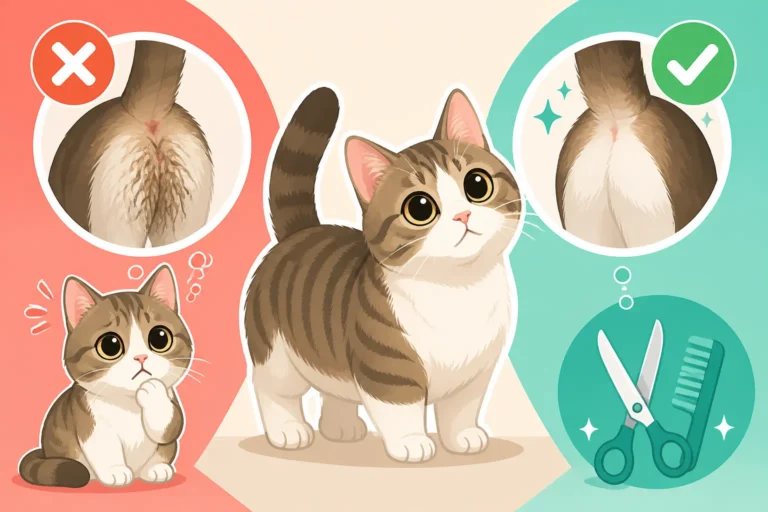
Additionally, a full litter change and thorough cleaning of the box itself should happen regularly, perhaps weekly or bi-weekly, depending on usage and the type of litter. This prevents odors and bacterial buildup, which can deter your cat from using the box and also contribute to skin irritation on their belly or hindquarters. Some Munchkin owners even find it helpful to perform regular hygiene trims around their cat's hindquarters to prevent matting and keep things clean. Whether a Munchkin Needs a Sanitary Clip is a topic many owners explore. Ensuring a clean, inviting litter box environment directly contributes to your Munchkin's comfort, health, and willingness to use it consistently.
Beyond the Box: Creating an Adapted Home
While the litter box is a key piece of the puzzle, a truly Munchkin-friendly home extends to all aspects of their daily life. Every item, from food bowls to sleeping spots, should be considered with their short stature in mind.
Ramps and Steps for Elevated Surfaces
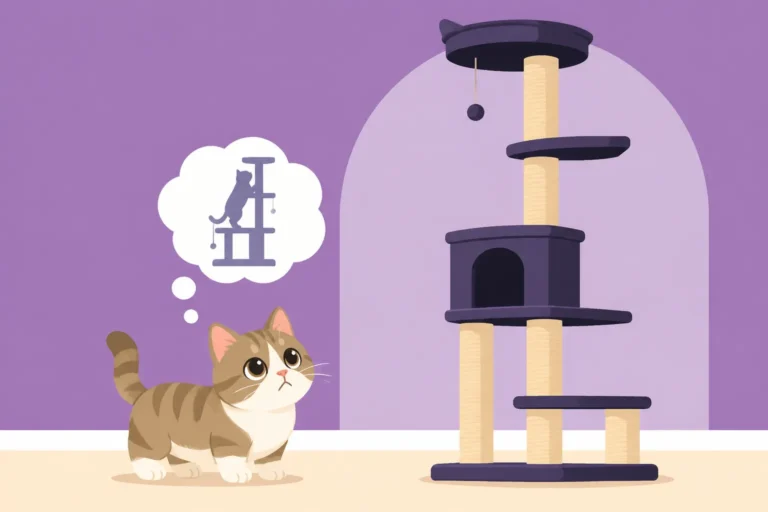
Munchkins may have short legs, but they still have a cat's innate desire to explore, climb (within their limits), and observe their surroundings from a vantage point. The problem is, they often can't reach those cherished high spots – sofas, beds, windowsills – without help. This is where strategically placed ramps and steps become indispensable. Think of them as tiny staircases designed specifically for your little explorer. How to Set Up Ramps Around a Munchkin's House is a great resource.
These ramps and steps allow your Munchkin to safely and comfortably access their favorite elevated spots without the strain of jumping. Look for ramps with a gentle slope and a non-slip surface to give them confidence. For steps, ensure they are wide enough and have a low rise between each platform. Placing them next to your bed, sofa, or a favorite window perch will empower your Munchkin to navigate their world more independently, reducing frustration for them and the need for you to constantly lift them up and down. You can find many suitable options on Chewy or Amazon, making it easy to adapt your home.
Food and Water at a Comfortable Height
Just like struggling to get into a tall litter box, bending down low to eat or drink from bowls on the floor can be uncomfortable for a Munchkin, especially over time. It can put strain on their neck and shoulders, potentially exacerbating any underlying spinal sensitivities.
Raised food and water bowls are a simple yet effective solution. These elevate the bowls a few inches off the floor, allowing your Munchkin to eat and drink in a more natural, comfortable posture without having to crouch extensively. This small adjustment can make a big difference in preventing neck strain and promoting better digestion. Look for sturdy, non-tip designs that are easy to clean. You can even find decorative raised feeders to match your home's aesthetic. Why a Raised Bowl Eases a Munchkin's Shoulders explains this in more detail.
Grooming Assistance for Hard-to-Reach Areas
Munchkins are cats, and like all cats, they are fastidious groomers. However, their short legs mean there are certain areas they simply cannot reach effectively themselves, particularly their hindquarters and the underside of their belly. This isn't just an aesthetic issue; it can lead to health problems.
Over time, these neglected areas can develop mats, especially in longhaired Munchkins, and accumulate litter or fecal matter, which can cause skin irritation or infections. Therefore, as their owner, you become an essential part of their grooming routine. Regular brushing, especially of their back half, is crucial. For some, a periodic "sanitary clip" by a professional groomer or even at home (if you're comfortable and your cat tolerates it) can be incredibly helpful in preventing mats and keeping them clean after litter box use. Learning How to Groom a Munchkin's Hindquarters is a valuable skill for any Munchkin owner. Incorporating grooming into your daily routine not only keeps your Munchkin clean and comfortable but also provides an excellent opportunity for bonding and checking for any lumps, bumps, or skin issues.
Long-Term Health and Well-being
Caring for a Munchkin is a long-term commitment that involves anticipating their needs as they grow and age. Proactive care, especially concerning mobility and weight, is paramount to their quality of life.
The Importance of Weight Management
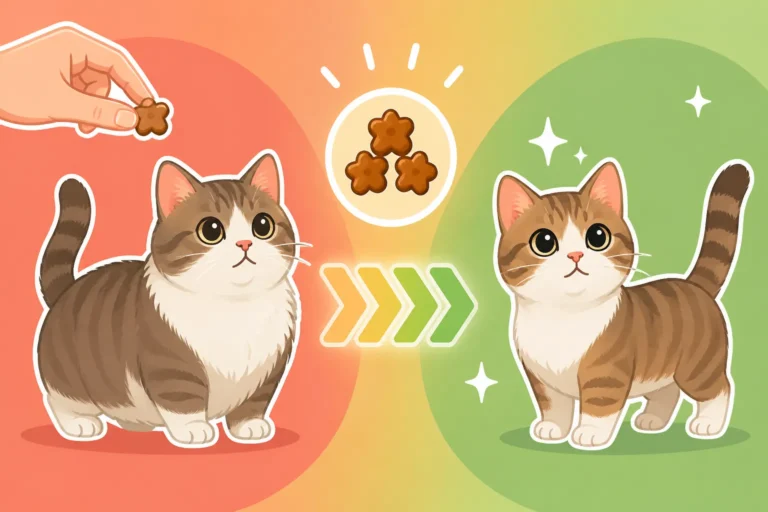
Weight management is perhaps one of the most critical aspects of a Munchkin's long-term care. Every extra pound a Munchkin carries places disproportionate stress on their short legs and spine. Imagine carrying a backpack full of bricks all day – that's what excessive weight can feel like for them. This increased load can accelerate the onset of arthritis in their joints, particularly in their shoulders and elbows, and exacerbate any spinal issues they might have. Why Weight Is More Dangerous on a Munchkin highlights this danger.
A lean Munchkin will experience significantly less strain on its musculoskeletal system, allowing for greater mobility and comfort throughout its life. Work closely with your vet to establish an ideal body condition score and a feeding plan. Since Munchkins often burn fewer calories than long-legged cats due to less vertical movement, careful portion control is essential. How Many Calories a Munchkin Needs to Stay Off Its Joints is a topic worth exploring. Even healthy, joint-supportive foods, such as those that might be offered by pet food companies, need to be carefully portioned. Regular weighing at home can help you monitor their progress and adjust their diet as needed.
Senior Years and Continued Adaptations
Just like humans, cats experience changes as they age, and for a Munchkin, these changes can be particularly noticeable in their mobility. As they enter their senior years, which typically begins around 8-10 years old, their joints may stiffen, and their energy levels might decrease. What was once an easy step onto a ramp might become a challenge. When a Munchkin Counts as Senior is a good milestone to be aware of.
This means that your already adapted home might need further adjustments. You might need to add more ramps or steps, make existing ramps even less steep, or ensure that all essential resources – food, water, and, critically, litter boxes – are on the same accessible level. Consider replacing any steps with ramps if they become too difficult to navigate. Ensure their favorite sleeping spots are easily reachable without any jumps. Caring for an Old Munchkin That Has Stopped Climbing offers practical advice. Regular vet check-ups become even more important to monitor for signs of arthritis or other age-related conditions, allowing for early intervention and pain management to keep your senior Munchkin as comfortable and mobile as possible.
Regular Veterinary Care and Monitoring
Consistent veterinary care is essential for all cats, but for Munchkins, it's an opportunity to proactively monitor their unique physical needs. Beyond routine vaccinations and parasite control, your vet can help assess your Munchkin's gait, palpate their spine, and check for any signs of discomfort or developing joint issues.
During annual check-ups, discuss your Munchkin's mobility with your vet. Mention any changes in their jumping habits, how they navigate stairs (if any), or if you notice them becoming less active. Your vet might recommend supplements to support joint health or, in older cats, suggest pain management options if arthritis starts to develop. Imaging, such as X-rays, might be recommended periodically to monitor the health of their spine and joints, especially if concerns arise. Whether a Munchkin Needs X Rays as It Ages is a relevant consideration. Early detection and intervention can significantly improve your Munchkin's quality of life and help them remain comfortable and happy throughout their many years.
Disclaimer
This article is for general informational purposes only and does not constitute professional advice. Laws, prices and regulations vary by location and change over time. Consult a qualified professional for guidance on your specific situation.