How Low a Munchkin’s Litter Box Front Must Be
It’s a frustration many Munchkin cat parents know all too well: you bring home your adorable, short-legged companion, only to realize that something as basic as a litter box can become a towering obstacle. Those standard boxes, with their relatively high sides, aren't just inconvenient; they can be a real source of stress, pain, and even lead to inappropriate elimination for your beloved cat. This guide is here to walk you through exactly why the right litter box height is so crucial for your Munchkin and how to find or create the perfect, accessible solution.
The Hidden Struggle: Why High-Sided Litter Boxes Are a Problem for Munchkins
When you have a cat with uniquely short legs, like a Munchkin, it's easy to overlook the everyday things that become monumental challenges for them. A standard litter box, designed for the average-sized domestic cat, simply doesn't account for the physical realities of a Munchkin. What seems like a small step for most cats can be a painful, awkward leap for your little one.
The Physical Limitations of Short Legs
Imagine trying to climb over a wall that comes up to your waist every time you need to use the restroom. That's a bit what it's like for a Munchkin facing a regular litter box. Their short legs mean they lack the leverage and reach of their long-legged cousins. Jumping into or out of a box with a front entry even a few inches high can put considerable strain on their joints, especially their shoulders and elbows. Over time, this repetitive stress isn't just uncomfortable; it can contribute to or exacerbate joint issues. Think about the wear and tear on your own body if you had to perform a mini-vault multiple times a day.
Furthermore, a Munchkin's spine, while generally of normal length, is designed to carry weight differently due to their low-slung body. Repeatedly arching and twisting to navigate a high entrance can put undue pressure on their back, making an already delicate area more vulnerable. It’s not just about getting in; getting out can be equally challenging. They might try to launch themselves over the side, leading to falls or clumsy landings that further stress their tiny frames. Why a Munchkin's Spine Carries a Load a Normal Cat's Does Not delves into more detail about these unique spinal considerations. This isn't just a matter of convenience; it's a matter of preventing discomfort and potential long-term health issues.
Behavioral Changes and Litter Box Aversion
Cats are creatures of habit, and they prefer their toileting areas to be easy to access, clean, and safe. When a litter box becomes a source of physical discomfort or difficulty, a Munchkin may start to develop an aversion to it. This can manifest in several ways, all of which are frustrating for both cat and owner. You might find your Munchkin hesitating at the box, taking longer to enter, or exhibiting signs of pain when using it. A very common outcome is that they start to "go" outside the box.
This isn't out of spite; it's a clear signal that something is wrong with their toileting setup. They might choose a spot right next to the box, indicating they understand where they're supposed to go but simply can't or won't use the designated facility. Or, they might find a more accessible, albeit inappropriate, spot elsewhere in the house—perhaps a rug, a pile of clothes, or a low-pile carpet. It's their way of telling you, "I need an easier way." Addressing the height of the litter box entrance is often the first and most effective step in resolving these behavioral issues and restoring your Munchkin's confidence in their bathroom routine. Why a Munchkin Will Go Outside a Box It Cannot Enter explores this problem in more detail.
Finding the Sweet Spot: Ideal Litter Box Entry Height for Your Munchkin
Determining the perfect litter box entry height isn't a one-size-fits-all situation, but there are definitely some general guidelines and ways to measure your individual cat to ensure maximum comfort and accessibility. The goal is to make entry and exit effortless, eliminating any jumping or straining.
Measuring Your Cat for Perfect Fit
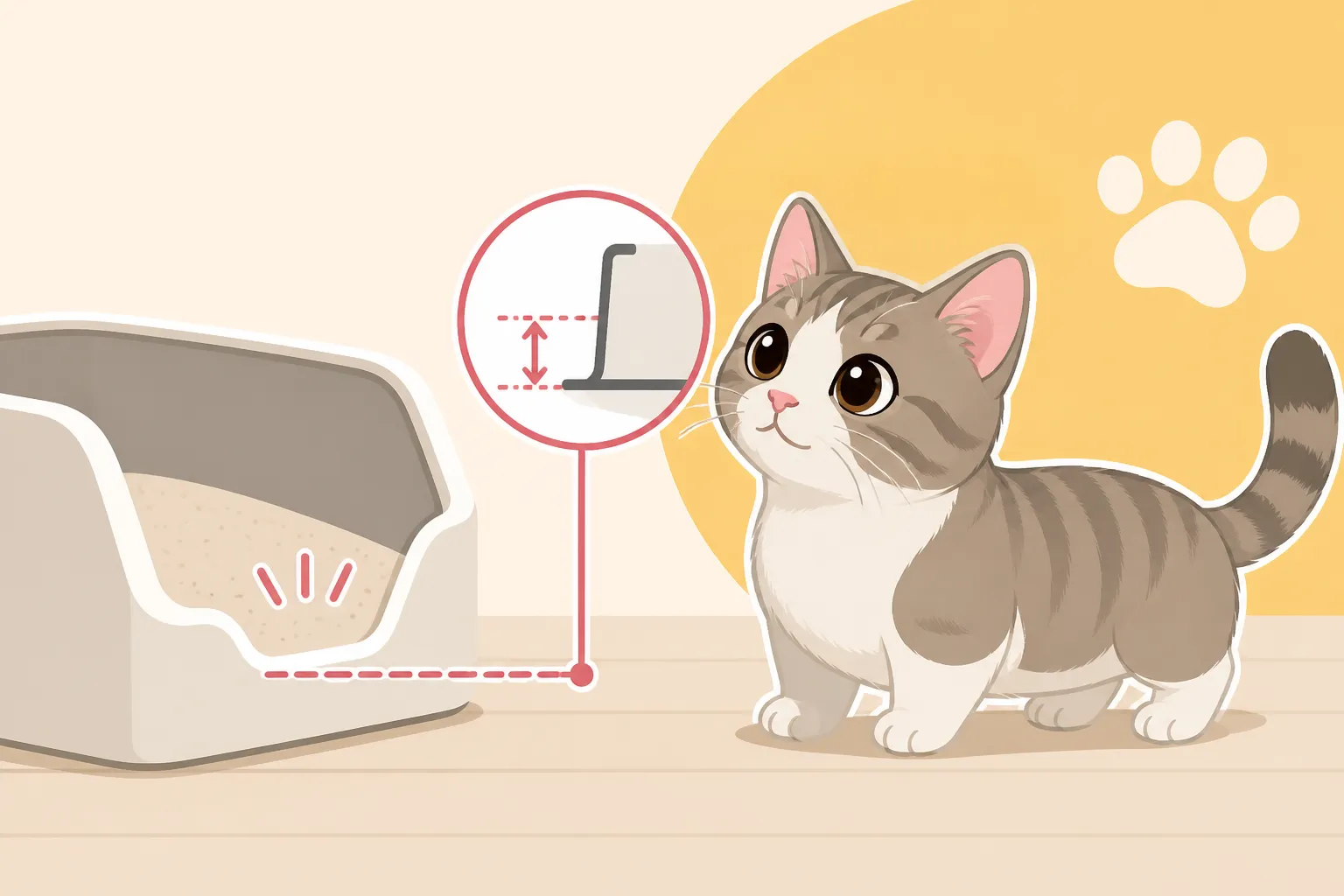
To truly understand what a "low entry" means for your Munchkin, you need to get down to their level – literally. Take a moment to observe your cat's natural stance. When they're standing on all fours, measure the distance from the floor to the bottom of their chest or belly, right where their front legs meet their body. This measurement will give you a good starting point for the maximum comfortable height their litter box entry should be. Ideally, the entrance should be no higher than this measurement, or even a little lower, so they can simply walk in without having to lift their paws much at all.
For some Munchkins, especially the "rug hugger" types with extremely short legs, this might mean an entry height of just 1 to 2 inches. For others, it might be closer to 3 inches. The key is to avoid any height that requires them to consciously lift their front paws significantly or push off with their hind legs to get over the lip. Watching them try to navigate a regular box will tell you a lot; if they hesitate, stretch, or look uncomfortable, that box is too high.
General Guidelines and What to Look For
While individual measurements are best, a general rule of thumb for Munchkin cats is that the front entry lip of their litter box should be no more than 2 to 3 inches high. Any higher than that, and you risk the issues discussed above. Think about senior cat litter boxes—these are often designed with similar mobility challenges in mind, making them a good reference point for what to look for.
Here’s a quick comparison of ideal litter box features for Munchkins:
| Feature | Standard Litter Box | Ideal Munchkin Litter Box |
|---|---|---|
| Entry Height | 4-6 inches (or more) | 1-3 inches |
| Entry Type | Often high lip | Walk-through, ramped, or very low cut-out |
| Overall Size | Varies | Larger footprint preferred to allow maneuvering |
| Litter Depth | Variable | Moderate (2-3 inches) to avoid belly dragging |
| Covered/Open | Both | Open preferred for visibility and ease of access |
When you're shopping, remember that the lowest point is what matters most. Some boxes might have high sides at the back or around the perimeter to contain litter, which is perfectly fine, as long as the primary entry point is low and accessible. How Low a Munchkin Litter Box Entry Should Be highlights the critical nature of this dimension.
Ready-Made Solutions: Commercial Low-Entry Litter Boxes
Thankfully, you don't always have to resort to DIY to find a suitable litter box for your Munchkin. The market has started to catch up with the needs of cats with mobility challenges, offering several excellent commercial options that can save you time and effort.
Senior and Mobility-Friendly Options
Many pet supply retailers now stock litter boxes specifically marketed for senior cats, kittens, or cats with mobility issues. These are fantastic choices for Munchkins because they prioritize easy access. You'll often find them with one side significantly lower than the others, or even a ramp leading into the box. These designs are a direct answer to the struggles your short-legged friend faces.
When browsing options on sites like Chewy or Amazon, search terms like "senior cat litter box," "low entry litter pan," or "handicap cat litter box." You'll see a variety of shapes and sizes. Look for those with a clearly defined low front that allows your Munchkin to simply step in. Some popular choices include shallow storage bins without lids, which are often surprisingly affordable and perfectly sized, or specialty senior litter pans with a dip in the front. These are designed to minimize the physical effort required, which in turn reduces stress and encourages proper litter box use. Which Commercial Boxes a Munchkin Can Step Into offers a deeper dive into specific models.
Exploring Different Designs and Features
Beyond just the low entry, commercial options come with various features that might appeal to you and your Munchkin. Some have slightly sloped entries, acting like a mini-ramp, which can be even gentler on their joints than a sharp step. Others boast wider footprints, giving your Munchkin more room to turn around and dig comfortably without feeling cramped. Remember, a larger box, even with a low entry, provides ample space for them to conduct their business without feeling confined.
You might also consider boxes made from specific materials. Some are heavy-duty plastic, while others might be more eco-friendly or designed for easier cleaning. While covered litter boxes are popular for odor control and privacy, for a Munchkin, an open-top box is generally preferable. The enclosed space of a hooded box can feel even more restrictive when coupled with an already challenging entry, making them feel trapped or uneasy. An open design allows for quick and easy access, better ventilation, and more visibility for your Munchkin, which can significantly improve their comfort and willingness to use the box.
DIY Adaptations: Making Your Existing Box Munchkin-Friendly
Sometimes, the perfect store-bought solution isn't available, or you simply want to make use of existing equipment. Don't worry, with a little creativity and some basic tools, you can easily adapt a standard litter box to be Munchkin-accessible. It's often much simpler than you might think!
Simple Cuts and Modifications
The most straightforward DIY modification is to cut down the front of a plastic litter box. Many standard litter pans are made of sturdy but manageable plastic that can be cut with the right tools. You'll need a utility knife, a small hand saw, or even a rotary tool (like a Dremel) for precision. First, measure and mark the desired entry height—remember, aim for 1 to 3 inches from the floor. Then, carefully cut a U-shaped or rectangular opening in one of the long sides of the box. Make sure the edges are smooth to prevent any scrapes or cuts to your cat. You can gently sand the cut edges or even apply some aquarium-safe silicone sealant to create a smooth, safe lip.
If you're using a large plastic storage bin as a litter box (a popular and often economical choice), these are usually quite easy to modify. Just select a bin with relatively straight sides. How to Cut Down a Litter Box for a Munchkin offers a step-by-step guide to this process. This method allows you to customize the entry height precisely to your cat's needs, often at a fraction of the cost of a specialty box. Just ensure that the remaining sides are still high enough to contain the litter and any enthusiastic digging!
Adding Ramps or Steps for Easier Access
If cutting isn't an option, or you want an even gentler incline, adding a small ramp or steps can be a game-changer. For a ramp, you can use a sturdy piece of wood or plastic, perhaps covered with carpet scraps for grip. The ramp should be wide enough for your Munchkin to walk comfortably and have a gentle slope. A steep ramp can be just as challenging as a high step, so ensure the incline is very gradual. You'll need to securely attach the ramp to the front of the litter box so it doesn't slide around, which could startle or injure your cat.
Alternatively, small pet steps, often sold for toy dogs or older pets to reach furniture, can be repurposed for a litter box. Look for steps that are stable, have a low rise between each step, and are covered in a non-slip material like carpet. You might only need one or two very low steps to bridge the gap from the floor to the litter box entry. Place these steps directly in front of the box, ensuring they are firmly in place. Introducing a new ramp or steps might take a little patience; some cats take to them immediately, while others need a few treats and gentle encouragement to understand their purpose.
Beyond Height: Other Crucial Litter Box Considerations
While the height of the entry is paramount for your Munchkin, it's not the only factor in creating a comfortable and accessible toileting environment. Several other aspects of the litter box setup can significantly impact your Munchkin's experience and overall well-being.
Litter Type and Depth for a Low Rider
For a short-legged cat, the type and depth of litter can make a surprising difference. With their bellies often closer to the ground, some litter types can stick to their fur more easily, becoming a hygiene issue. Finely textured litters, while soft on paws, sometimes adhere more readily to damp fur. You might find that a slightly coarser, dust-free litter works better to minimize tracking and sticking. Which Litter Sticks to a Munchkin's Belly highlights how common this problem can be.
The depth of the litter also matters. While some cats enjoy digging deep, for a Munchkin, excessive litter can create a new set of problems. Too much litter means they have to wade through it, potentially dragging their low belly through soiled areas, or making it harder to find a firm footing to relieve themselves. Aim for about 2-3 inches of litter. This provides enough material for digging and covering waste without being an overwhelming obstacle. You want them to be able to comfortably squat and cover their waste without feeling like they're sinking or getting their underside excessively dirty.
Placement and Number of Boxes
Even with the perfect low-entry box, poor placement can still lead to problems. Your Munchkin needs easy, unimpeded access to their litter boxes. This means placing them in quiet, easily reachable locations, away from high-traffic areas, noisy appliances, or their food and water bowls. For a Munchkin, who can't easily jump onto counters or hide up high, a sense of security during elimination is even more critical.
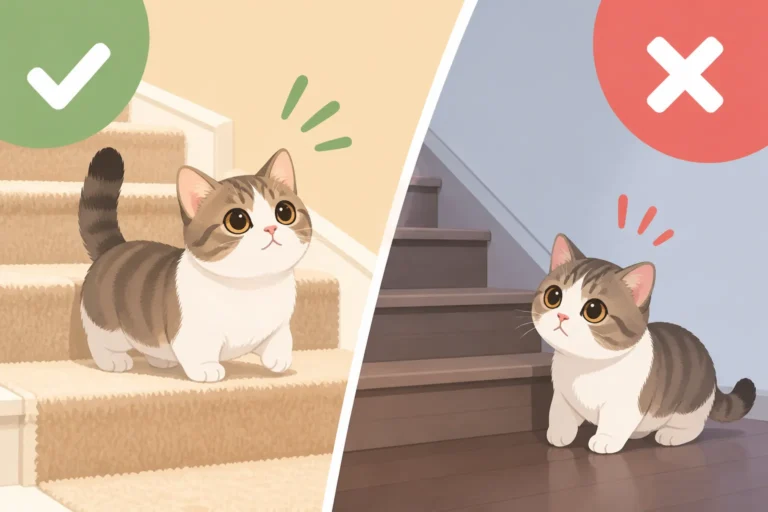
Consider your home layout: if you have multiple levels, you absolutely need a litter box on each floor. Asking a Munchkin to navigate stairs multiple times a day to reach a distant litter box is not fair and will inevitably lead to accidents. Even in a single-story home, having multiple boxes (the general rule of "one more box than you have cats") spread throughout the main living areas ensures that a box is always close by. This minimizes the distance they have to travel and reduces the chance of them holding it in or choosing an inappropriate spot when urgency strikes. Where to Put a Munchkin's Boxes in the House offers practical advice on strategic placement.
Keeping it Clean: Maintaining Hygiene with a Low-Entry Setup
A low-entry litter box is a fantastic step towards better accessibility for your Munchkin, but it can sometimes introduce new considerations for maintaining cleanliness. With their low stature, certain hygiene routines become even more critical to ensure your cat stays healthy and comfortable.
Preventing Litter Tracking on Short Legs
One common side effect of a low-entry box, especially if it's open-top, can be increased litter tracking. Your Munchkin's short legs mean they might step directly into the litter right near the exit, and their belly can brush against the litter as they exit. This can result in more litter being carried out of the box and onto your floors. This isn't just an aesthetic issue; litter clinging to their fur can cause skin irritation or be ingested during grooming.
To combat this, strategically place a good quality litter mat with deep grooves or a textured surface directly outside the low-entry side of the box. These mats are designed to catch and trap litter particles as your cat steps out, preventing them from spreading further. You might even consider a larger mat than you'd typically use to ensure maximum coverage for their low-slung body. Regular, perhaps even daily, sweeping or vacuuming around the litter box area will also be your friend in keeping things tidy.
Routine Cleaning and Odor Control
Regardless of the box type, routine cleaning is always essential. For a Munchkin with a low-entry box, it becomes even more important. Because their body is closer to the litter, they are more susceptible to picking up debris or having their fur come into contact with waste. Scooping the box at least twice a day, if not more frequently, is crucial to ensure they always have a clean place to go. This also prevents odors from building up.
Beyond daily scooping, a full litter change and scrubbing of the box should happen regularly—typically once a week, or more often if you notice strong odors or a build-up. Use a mild, pet-safe soap and hot water, and avoid harsh chemical cleaners or disinfectants, as their strong scents can deter cats from using the box. Ensuring a perpetually clean environment will encourage your Munchkin to use their accessible litter box consistently and prevent any discomfort from a soiled space. This commitment to cleanliness is a vital part of providing the best possible care for your unique feline friend. How Often to Brush a Munchkin's Back and Why a Munchkin's Belly Fur Needs Checking cover related hygiene topics that are often impacted by litter box setup.
Disclaimer
This article is for general informational purposes only and does not constitute professional advice. Laws, prices and regulations vary by location and change over time. Consult a qualified professional for guidance on your specific situation.