How to Dry a Munchkin Without Standing It Up
Bathing your Munchkin can feel like a feat in itself, but once the suds are rinsed, you're faced with the next big challenge: how do you get your little low-rider thoroughly dry without causing them stress or physical strain? It’s a common frustration for Munchkin parents, as their unique physique means standard drying methods just don't cut it. This guide will walk you through gentle, effective ways to dry your Munchkin, focusing on techniques that respect their body and keep them comfortable.
The Unique Drying Predicament of a Munchkin Cat
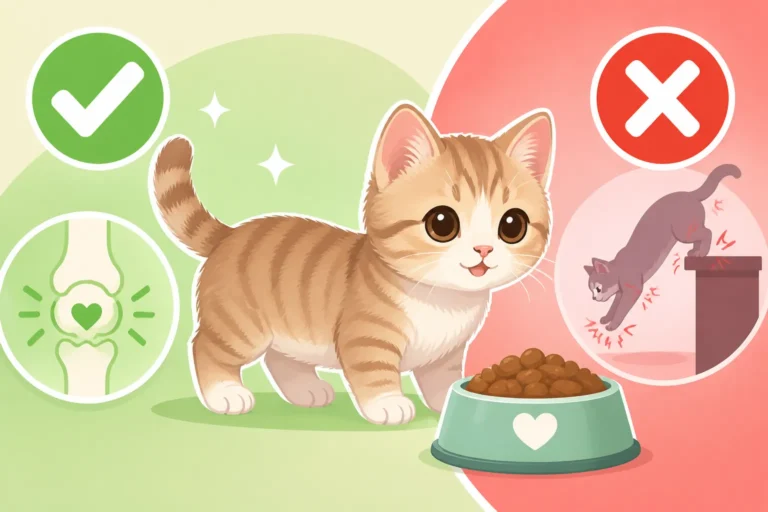
Anyone who shares their home with a Munchkin knows they're not like other cats. Their adorable short legs, while giving them that distinctive waddle and "ferret-like" run, also present some practical difficulties, especially when it comes to grooming. Drying is particularly tricky because they can't stand tall or stretch out in the same way a long-legged cat can. This isn't just about convenience; it's about their comfort and long-term health. Forcing a Munchkin to stand or stretch awkwardly during drying can put unnecessary pressure on their spine and joints, which is the last thing we want for our furry friends.
Why Standing is Not a Realistic Option for Thorough Drying
Imagine trying to dry your entire back while squatting low to the ground. That's a bit like what we're asking our Munchkins to do if we expect them to stand still and let us get to every damp nook and cranny. Their short legs mean they have a lower center of gravity, which helps them corner at speed, but it makes standing upright for extended periods less stable and more taxing. They simply aren't built for it. When they are damp, they might feel even more unsteady, leading to anxiety or attempts to wriggle away, increasing the risk of injury for both of you.
Moreover, their bodies are designed to carry weight differently. Their spine, while normal length, takes on a different kind of load due to the shorter limbs, as discussed in Why a Munchkin's Spine Carries a Load a Normal Cat's Does Not. Any position that makes them arch or strain their back excessively during drying should be avoided. We need methods that allow them to remain in a natural, relaxed posture, ideally lying down or sitting comfortably. This isn't just about their immediate comfort; it's about preventing potential discomfort or exacerbating any underlying spinal issues, such as lordosis, over time.
The Double Whammy: Cold Sensitivity and Matting Risks
Because Munchkins sit lower to the ground, their bellies and hindquarters are often the first parts to get wet and the last to dry. This proximity to the floor means they can also get colder quicker, especially if the air is chilly. A damp Munchkin can become quite uncomfortable, leading to shivering and a general state of unhappiness. This isn't just a minor inconvenience; prolonged dampness can also make them more susceptible to skin irritation or chills.
Beyond the chill, there's the very real danger of matting, particularly for long-haired Munchkins. Damp fur, especially in high-friction areas like the armpits, inner thighs, and around the tail, will quickly knot and mat if not dried properly. These mats aren't just unsightly; they can pull on the skin, causing pain and even skin infections. Matted fur can also make it difficult for your Munchkin to move comfortably, further stressing their joints. This is why thorough, yet gentle, drying is paramount. As we've explored in Whether Matting Becomes a Health Problem in a Munchkin, what might seem like a minor tangle can escalate into a significant health concern.
Essential Gear for a Smoother Drying Process
Preparing ahead of time is half the battle when it comes to drying a Munchkin. Having the right tools within arm's reach will make the process less stressful for both you and your cat. We're talking about items that maximize absorption and minimize discomfort, all while keeping that delicate Munchkin anatomy in mind.
Super Absorbent Towels and Wraps
Forget your old bath towels; for a Munchkin, you want something designed for maximum water absorption. Microfiber towels are a game-changer because they can soak up significantly more water than cotton, speeding up the initial drying phase. Look for large, plush microfiber towels that you can effectively wrap around your cat. Some pet-specific towels even come with hand pockets, which can make it easier to gently pat and squeeze moisture out. You might also consider absorbent pet wraps or robes, which can be secured around your Munchkin and left on for a few minutes to draw out even more water while your cat is relaxing. These are readily available on sites like Chewy or Amazon, often designed for dogs but perfectly suitable for a Munchkin.
Having several towels on hand is always a good idea. One for the initial blotting, and another or two for the subsequent pat-drying. The goal here is to remove as much surface water as possible before moving on to air drying or, if necessary, a very gentle blow-dry. Remember, the less water left in the fur, the quicker and safer the entire process will be, reducing the time your Munchkin needs to be handled while damp.
The Safe Use of a Pet Dryer: Low Heat is Key
While not every Munchkin will tolerate a blow dryer, for those that do, a pet-specific dryer can be incredibly helpful. The keyword here is "pet-specific." Never use a human hair dryer on your cat. Human hair dryers operate at much higher temperatures and noise levels, which can easily burn your cat's delicate skin and cause extreme distress. A good pet dryer will have multiple heat settings, including a "cool" or "low heat" option, and be designed to be much quieter.
When selecting a pet dryer, prioritize models with adjustable speeds and very low noise output. Brands like B-Air Fido or Flying One often get good reviews for being quieter and having appropriate heat settings. You can often find a good selection on Amazon. The aim is to dry, not cook, your cat. Introduce the dryer slowly, keeping it on the lowest, coolest setting. Start by letting the air blow from a distance, allowing your Munchkin to get used to the sound and sensation. Always keep the dryer moving, never focusing on one spot for too long, and ensure you're feeling the fur with your hand to make sure it's not getting too warm. Your cat's comfort and safety are paramount.
Gentle Drying Techniques, Step-by-Step
Now that you're armed with the right tools, let's talk technique. The key is to be methodical, patient, and above all, gentle. You want to make this as stress-free an experience as possible, minimizing the time your Munchkin is uncomfortable and maximizing their sense of security.
The Art of the Towel Wrap and Blotting
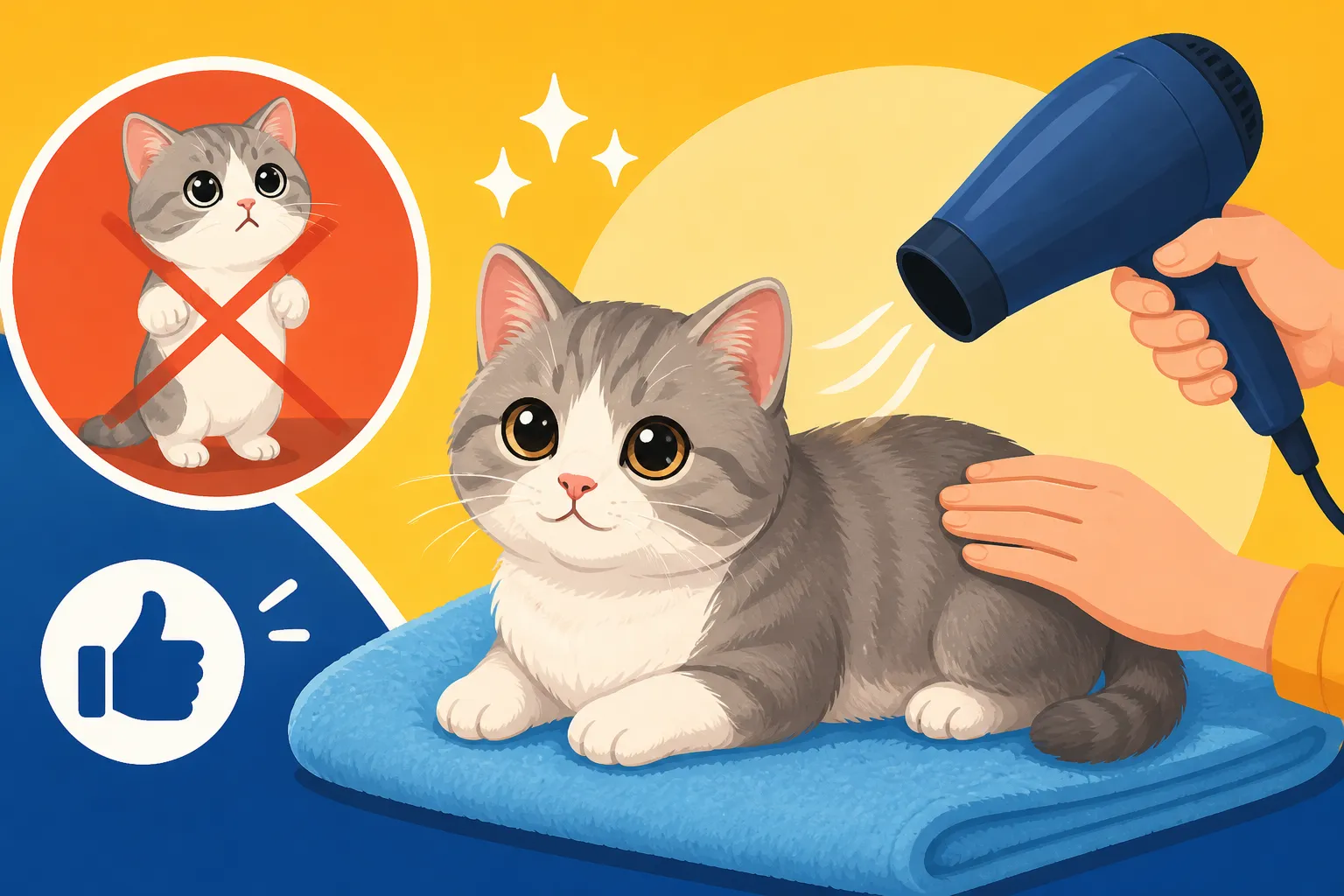
Once your Munchkin is out of the bath, the first step is critical: immediate, thorough towel drying. Don't rub vigorously, as this can tangle their fur and cause mats, especially in long-haired varieties. Instead, gently lift your cat and immediately wrap them in a large, absorbent microfiber towel. Create a snug "burrito" wrap, making sure to tuck their little legs in so they feel secure. This wrap helps them feel safe while the towel wicks away a significant amount of water.
Once wrapped, gently press and squeeze the towel against their body, rather than rubbing. Focus on blotting the water out of their fur. Pay particular attention to their belly, chest, and hindquarters, which often remain the wettest due to their low stature. You might even use a second dry towel to repeat this blotting process, as it will draw out even more moisture. Remember that gentle contact is best, working with their natural body contours without twisting or straining them. This initial towel dry should remove most of the dripping water, getting them to a damp, rather than soaking, state.
Strategic Low-Heat Air Drying (If Applicable)
If your Munchkin tolerates a pet dryer, this is where you can start to use it. As mentioned, always use the coolest, lowest setting and keep the dryer moving. Do not aim the airflow directly into their face or ears, as this can be alarming and uncomfortable. The goal is to gently encourage airflow through the fur to aid evaporation.
Start by targeting their back and sides, holding the dryer a safe distance away. As they get more comfortable, you can carefully lift their short front legs just enough to get to their chest and armpit areas, being mindful not to pull or strain. For the crucial belly and hindquarters, you might need to gently roll your Munchkin onto their side while they are lying on a soft towel, allowing you to direct the airflow without making them stand. This is where patience truly pays off. If your cat shows any signs of distress – flattened ears, tail tucked, trying to escape – stop immediately. Revert to towel drying or allow them to air dry in a warm, draft-free room. Remember, you want to get them used to being handled gently, as discussed in Getting a Munchkin Used to Being Groomed on Its Back, to make future grooming sessions easier.
| Drying Method | Pros | Cons | Best For Munchkins |
|---|---|---|---|
| Absorbent Towels | Gentle, non-stressful, portable, no noise | Slower, less effective on very thick/long fur | Initial water removal, cats sensitive to noise/blowers |
| Pet Drying Mitts | Hands-on control, gentle, helps detangle | Can be slower, requires constant user effort | Focused drying, cats who tolerate being held and stroked |
| Pet Drying Robes | Passive drying, comforting, can be left on | Only for damp (not soaking wet) cats, not thorough alone | Post-towel dry, keeping warm while air drying |
| Low-Heat Pet Dryer | Efficient, thorough, good for dense fur | Can be noisy (even low-noise), some cats dislike it | Speeding up drying, targeting hard-to-reach areas, long-haired cats |
Post-Drying Comfort and Continued Care
Once the main drying is done, the work isn't quite over. Ensuring your Munchkin is completely dry and comfortable is crucial for their well-being and to prevent any mats or chills. This final stage focuses on thoroughness and making sure they feel pampered after their bath.
Brushing Out Any Remaining Dampness and Preventing Mats
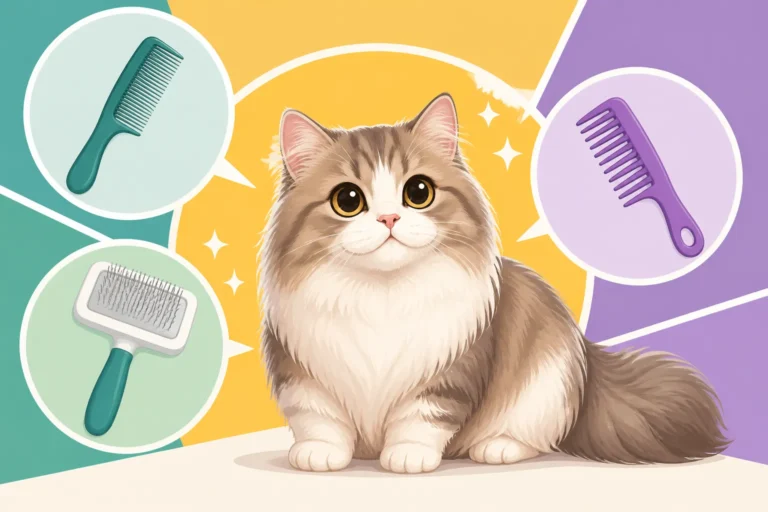
Even after towel drying and a gentle blow-dry, there might be lingering dampness deep within the fur, especially in thicker coats. This is where a good brushing session comes in handy. For short-haired Munchkins, a soft rubber curry brush or a fine-toothed comb can help lift the fur and allow air to circulate, aiding the final drying process. For long-haired Munchkins, a slicker brush followed by a wide-toothed comb is essential to ensure there are no hidden tangles forming as the fur dries. Remember to be exceptionally gentle, working in small sections, particularly around their hindquarters where matting is most common. This is a great opportunity to check areas like the "armpits" and groin for any developing knots that need careful attention. A regular brushing routine, as detailed in How Often to Brush a Munchkin's Back, is key to preventing mats from forming in the first place, but it's even more critical after a bath.
The act of brushing also serves as a gentle massage, which many cats enjoy, further settling them after the bath. It's about turning a potentially stressful event into a bonding moment, reinforcing trust. If you notice any signs of discomfort or resistance during brushing, ease up and try again later.
Ensuring Full Warmth and Monitoring for Comfort
After all that effort, the last thing you want is for your Munchkin to catch a chill. Make sure they are kept in a warm, draft-free room until their fur is absolutely bone dry. You can even offer them a cozy blanket or a favorite bed in a sunny spot to curl up in. Monitor them for any shivering or lethargy, which could indicate they are still too cold. Their low body means they are already closer to cooler floor temperatures, so extra warmth is always appreciated. As discussed in Whether a Munchkin Gets Cold on the Floor, their unique stature can make them more susceptible to temperature changes, so ensuring they are completely dry is paramount.
Offer them a special treat or some playtime to reward them for their patience. A positive reinforcement approach can make the next bathing and drying session a little easier. Observe their gait and behavior for the next few hours to ensure they are moving comfortably and haven't developed any stiffness from being handled.
The Critical Belly and Hindquarters Check
Before declaring your Munchkin fully dry, perform one last, crucial check of their belly, inner thighs, and the area around their tail. These areas are notoriously difficult to dry thoroughly because they are so close to the ground and often have denser fur. Gently lift your Munchkin (supporting their full body weight, never dangling by the legs) and feel along their underside. Pay special attention to the belly fur; as mentioned in Why a Munchkin's Belly Fur Needs Checking, this area can retain moisture and lead to skin issues or matting.
Use the back of your hand, which is more sensitive to subtle dampness, to feel for any cool spots. If you find any, use a small, dry towel to blot further or a quick pass with the pet dryer on its lowest, coolest setting. For long-haired Munchkins, you might even consider a sanitary trim around their rear to keep things cleaner and easier to dry in the future. This diligence now can save you a lot of trouble later on, preventing discomfort for your precious Munchkin.
Disclaimer
This article is for general informational purposes only and does not constitute professional advice. Laws, prices and regulations vary by location and change over time. Consult a qualified professional for guidance on your specific situation.