Where to Put a Munchkin’s Boxes in the House
One of the most common headaches for new Munchkin cat parents, or even experienced ones adopting a new little short-legged friend, is figuring out the ideal spot for their litter boxes. It's not just about finding a discreet corner; it's about understanding your Munchkin's unique physical needs and ensuring their bathroom facilities are genuinely accessible and comfortable to prevent accidents and unnecessary strain. This guide will walk you through everything you need to consider for perfect litter box placement for your cherished Munchkin.
Understanding the Munchkin's Mobility Limitations
It's easy to forget that while a Munchkin cat looks like any other cat from the waist up, their short legs profoundly impact how they navigate their world. What might be a simple hop for a long-legged feline can be a formidable obstacle course for a Munchkin. This difference is paramount when deciding where to place their litter boxes.
Why Standard Litter Box Placement Fails for Munchkins
When we think of cat litter boxes, our minds often go to out-of-the-way spots: a laundry room corner, a space under the stairs, or perhaps a utility closet. For many cats, these spots work just fine. But for a Munchkin, these seemingly innocuous locations can become significant barriers. If a box is placed in a tight, awkward space that requires twisting or extra maneuvers to enter, or if it's in a noisy, high-traffic area, a Munchkin might simply choose to relieve itself elsewhere.
The key frustration here is that an owner might assume their cat is just "being naughty" or "not litter-trained," when in reality, the cat is facing a physical limitation. Imagine trying to use a public restroom where the door is too heavy, the stall is too narrow, and you have to climb over something just to get in. You'd probably look for another option! This is often the reality for a Munchkin if their boxes aren't placed with their specific needs in mind. Their comfort and ease of access are paramount to preventing behavioral issues.
The Impact of Stairs and High Furniture on Access
Stairs are perhaps the biggest challenge in a multi-level home when it comes to Munchkin litter box placement. A single flight of stairs, especially steep ones, can be a daunting, even painful, climb for a short-legged cat, particularly as they age or if they develop joint issues. Expecting a Munchkin to repeatedly navigate stairs just to reach a litter box is a recipe for disaster. You'll often find they simply won't make the journey, preferring the nearest rug or a less strenuous spot instead. This is why you need to consider Why a Munchkin Should Not Climb Stairs to Its Box.
Similarly, placing a litter box on a high surface or behind furniture that requires a jump or climb to access is a definite no-go. Even if your Munchkin is a champion jumper in their youth, repeated jumps down from a height to use the box can put immense strain on their delicate spine and front joints. Over time, this can lead to discomfort, pain, and a complete avoidance of the box. Think about it – if it hurts to get there, they won't go there.
Recognizing a Munchkin's Reluctance to Reach Its Box
Sometimes, your Munchkin might not overtly refuse to go to the box, but you might notice subtle signs of reluctance. Maybe they're holding it for longer than usual, or they look hesitant before attempting to reach a box that's a bit too far or difficult to access. They might spend more time scoping out the path to the box, or you might hear frustrated little meows or grumbles.
It’s crucial to observe these nuances. A Munchkin might develop an aversion to a specific box location not because they dislike the box itself, but because the journey to it is becoming a burden. This is especially true if they are in a household with children or other pets, where the journey might involve navigating around boisterous play or potential confrontations without an easy escape route. Understanding these subtle cues can help you adjust placement before a full-blown accident situation arises.
Strategic Placement: Creating Accessible Litter Zones
The goal for litter box placement in a Munchkin household is to create multiple, easily accessible "litter zones" that cater to their unique physical structure. This isn't just about convenience; it's about minimizing stress, preventing accidents, and safeguarding their long-term health.
Ground Floor and Single-Level Living Considerations
If you live in a single-story home or an apartment, you have a distinct advantage. You don't have to worry about stairs! However, placement still matters. You'll want to ensure there are enough litter boxes – the general rule of thumb is one box per cat, plus one extra, though for Munchkins, accessibility often dictates more. These boxes should be spread out strategically, so no matter where your Munchkin is playing, eating, or napping, a litter box is always within an easy, flat walk. Consider placing them:
- Near common resting areas: If your Munchkin loves to nap in the living room, have a box nearby.
- Close to their food and water (but not right next to it): Cats generally don't like to eat where they eliminate, but having a box on the same floor level, a short distance away, makes sense.
- In quiet, private corners: While accessibility is key, privacy is also important for cats. A quiet corner in a spare room, a less-used hallway, or a bathroom can be ideal. Avoid placing boxes in the direct line of sight from a main doorway if possible.
When setting up these zones, always consider the journey. Is there anything they might have to climb over, squeeze through, or navigate around that would make it harder? Remember, How Far a Munchkin Should Have to Walk to a Box is a critical factor here; a shorter, unobstructed path is always better.
Multi-Story Homes: Solutions for Every Level
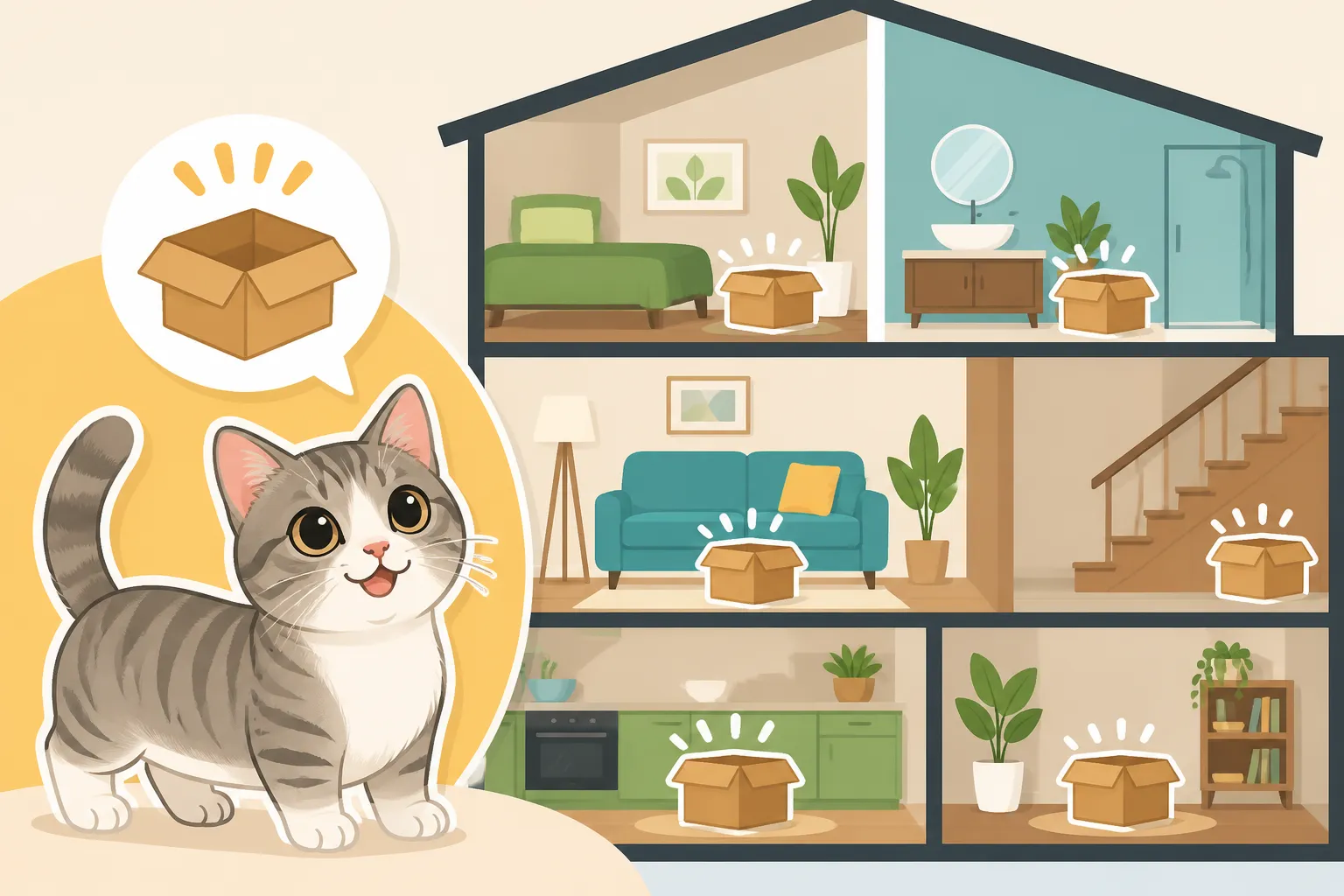
For those in multi-story homes, the primary directive is clear: there must be at least one litter box on every level your Munchkin regularly accesses. This is non-negotiable. Asking your Munchkin to climb stairs for their bathroom needs is like asking you to climb a ladder to reach your toilet – it's just not practical or fair, especially over time.
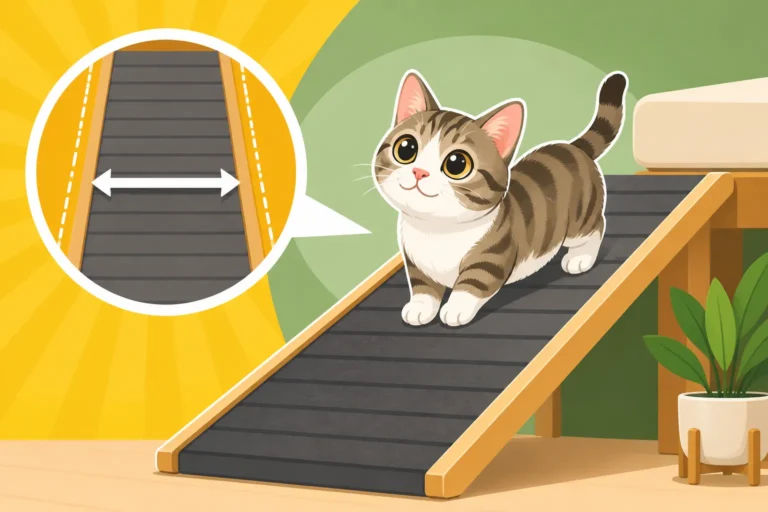
For levels that your Munchkin uses occasionally, or if they're particularly adventurous with stairs, consider adding a ramp or pet steps to assist their ascent and descent. How to Set Up Ramps Around a Munchkin's House can offer great ideas for making stairs manageable. Even with ramps, it's best to have a box on the top and bottom floor. If your Munchkin spends most of their time on one level, that level should host the majority of the boxes. Never assume they'll "figure out" the stairs if they're struggling. They'll just find an alternative, likely one you won't appreciate.
Avoiding High-Traffic and Stressful Locations
Even if a spot is physically accessible, it might not be ideal if it's in a high-traffic or stressful area. Cats, even outgoing Munchkins, prefer privacy when doing their business. Placing a litter box:
- In a busy hallway where people constantly walk by: This can make a cat feel vulnerable and rushed.
- Next to a noisy appliance like a washing machine or dryer: The sudden loud noises can startle them and create a negative association with the box.
- Near a dog's bed or a child's play area: This creates an environment where the Munchkin might feel threatened or unable to escape quickly if approached. A Munchkin cannot simply jump away from a dog or child, which can be very stressful for them if they feel trapped. This directly relates to What a Munchkin Does When It Cannot Get Away.
Instead, look for quieter corners, guest bathrooms, or spare rooms. If you have a cat enclosure (like a catio), consider a box there, but ensure it's easily reachable and still provides privacy. The goal is a peaceful, undisturbed experience for your little one.
| Placement Factor | Ideal for Munchkins | Less Ideal for Munchkins | Why |
|---|---|---|---|
| Location | Quiet, private corner on each accessible floor level | High-traffic areas, top of stairs, cluttered spaces | Reduces stress, ensures consistent access, prevents accidents |
| Distance | Short, unobstructed path from common areas | Long distances, requiring navigation through obstacles | Minimizes physical strain, encourages regular use, especially for older cats |
| Visibility | Somewhat out of direct line of sight | Center of a room, exposed to constant activity | Provides privacy, makes them feel secure, important for sensitive cats |
| Environment | Calm, temperature-controlled, away from noisy appliances | Loud, unpredictable, next to heat sources/vents | Prevents startling, encourages comfort, avoids aversion |
| Obstacles | No climbing, jumping, or tight squeezing required | Requires jumps, climbs, or squeezing into tight spots | Protects joints, spine, and prevents physical limitation-induced avoidance |
Optimizing the Environment Around the Litter Box
The physical box itself is only half the battle; the surrounding environment plays a huge role in whether your Munchkin will consistently use it. From the type of box to the accessories, every detail counts when you have a short-legged feline.
Ensuring Easy Entry and Exit from the Box Itself
This is where many well-meaning owners inadvertently make a mistake. Standard litter boxes, even open-top ones, often have a lip that's just a bit too high for a Munchkin to comfortably step over, especially if they are particularly short-legged or getting older. Repeatedly having to lift their short little legs to clear a high edge puts unnecessary strain on their shoulders and spine. This is why Why a Munchkin Needs a Litter Box It Can Walk Into is so critical.
Look for litter boxes designed with low entry points. Many senior cat litter boxes fit the bill perfectly, as they cater to reduced mobility. You can also find boxes specifically marketed as "low-entry" or "walk-through." If you can't find one that's low enough, some owners even get creative and cut a dip into the front of a plastic storage tub to create a custom low entry. Products available from retailers like Chewy or Amazon often include options like these. The key is ensuring your Munchkin can literally walk into the box without a noticeable step up.
Complementary Accessories for a Munchkin-Friendly Setup
Once you've nailed the box placement and type, consider accessories that enhance comfort and cleanliness.
- Ramps or Steps for Higher Beds/Sofas: While not directly for the litter box, these are crucial for a Munchkin to access other elevated surfaces without jumping. If their favorite nap spot is on the sofa, a ramp nearby means they can get up and down easily, reducing strain and making them less likely to have an accident if they can't get to their preferred sleeping spot quickly enough to then travel to the box. How to Teach a Munchkin to Use a Ramp can be very helpful here.
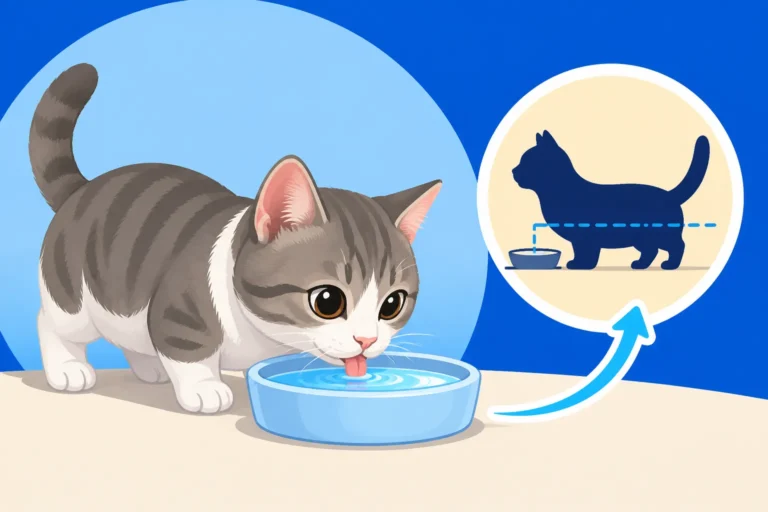
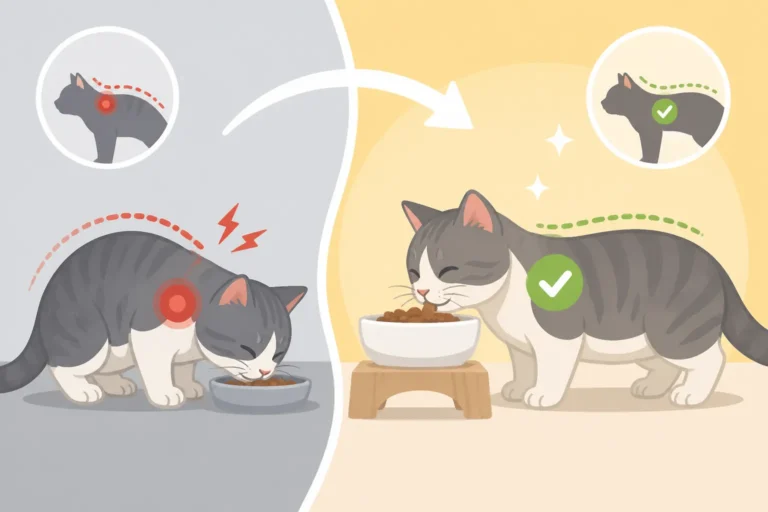
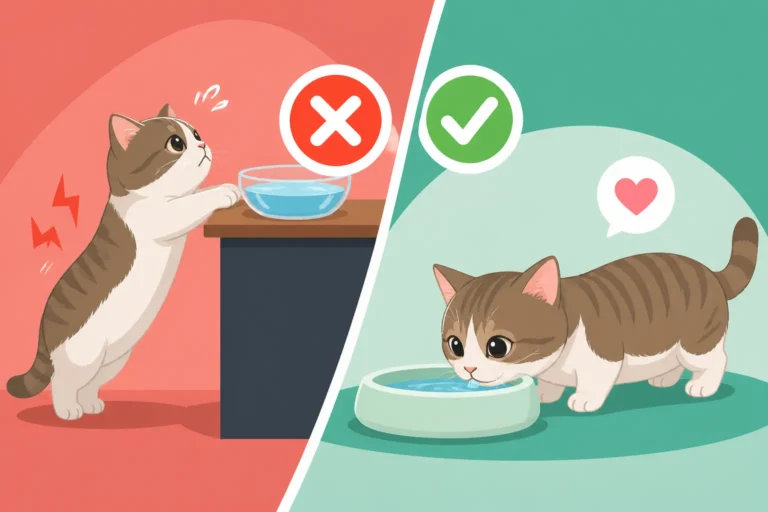
- Raised Food and Water Bowls: Again, not directly box-related, but important for overall comfort. A Munchkin doesn't have to strain their neck and shoulders to eat or drink if their bowls are slightly elevated. This reduces pressure on their spine.
- Non-Slip Mats: Around the litter box, a non-slip mat can provide better traction for your Munchkin, making entry and exit safer and less strenuous. This is particularly important if your cat tends to be a bit clumsy or if you have slick floors like tile or laminate. You might find your Munchkin struggles on certain surfaces, as discussed in Why a Munchkin Slips on Laminate.
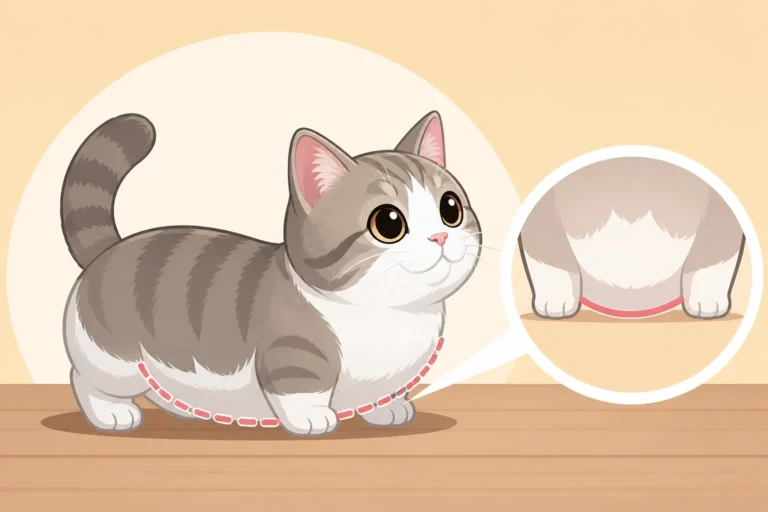
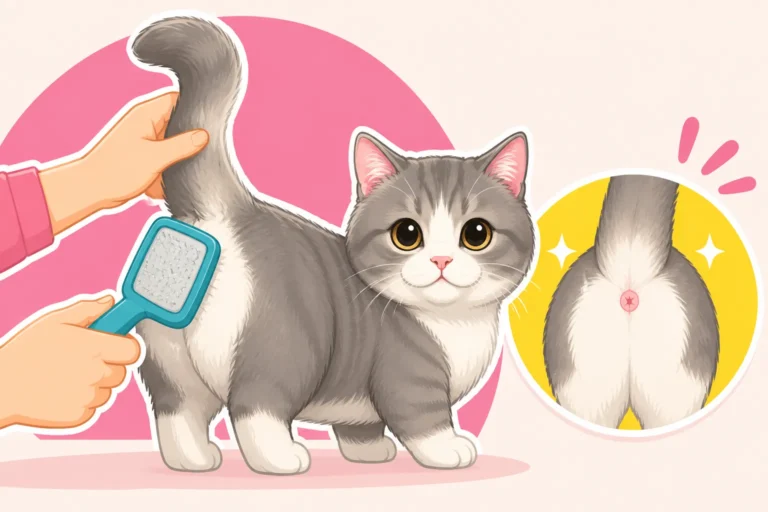
- Regular Grooming Tools: While not an accessory for the box, a Munchkin's short legs mean they can struggle to groom their hindquarters properly. This means they are more prone to getting litter or waste stuck in their fur, which can lead to mats and hygiene issues. Having a good brush and potentially a comb from a brand like Amazon can help you keep their "back half" clean and prevent them from avoiding the box due to discomfort from soiled fur.
Monitoring and Adapting to Your Munchkin's Needs
Finally, remember that litter box needs aren't static. Your Munchkin's mobility and preferences can change over time. A kitten might be spry and able to manage a slightly higher lip, but as they age, or if they develop conditions like arthritis (which can happen, as explored in Whether a Munchkin Gets Arthritis Earlier), what was once fine might become a challenge.
Regularly observe your Munchkin's behavior around their litter boxes. Are they using them consistently? Do they appear comfortable? Are there any accidents happening? These are all indicators that you might need to adjust your setup. Be prepared to add more boxes, lower entry points, or relocate existing ones as your cat's needs evolve. Flexibility and attentiveness are key to ensuring your short-legged companion lives a happy, comfortable, and accident-free life.
Choosing the right places for your Munchkin's litter boxes is more than just a chore; it's a vital part of their care that directly impacts their health, happiness, and your peace of mind. By considering their unique physical needs, strategically placing boxes on every accessible level, and optimizing the environment for easy entry and exit, you'll create a home that your short-legged friend can navigate with confidence and comfort.
Disclaimer
This article is for general informational purposes only and does not constitute professional advice. Laws, prices and regulations vary by location and change over time. Consult a qualified professional for guidance on your specific situation.