How Often a Shorthaired Munchkin Needs Brushing
One of the most common questions new Munchkin cat owners have is about grooming, especially when it comes to their shorthaired companions. It's easy to assume that a short coat means minimal effort, but the truth is, these adorable, low-slung felines have unique needs that require a thoughtful approach to brushing. You want to ensure your little friend is comfortable, healthy, and happy, and understanding their specific grooming routine is a huge part of that. This guide will walk you through everything you need to know about how often a shorthaired Munchkin needs brushing, the right tools to use, and how to make it a bonding experience for both of you.
Understanding the Shorthaired Munchkin's Coat
It's tempting to think all short-haired cats are created equal when it comes to grooming, but a Munchkin's unique physique adds a layer of complexity you might not initially consider. Their short legs mean they move differently, sometimes pick up more debris, and have particular areas that can be challenging for them to reach themselves.
The Basics of Shorthaired Cat Fur
A shorthaired cat's coat is generally less prone to tangles and mats than a longhaired one, which is fantastic for daily maintenance. Most shorthaired Munchkins have a dense, soft, and plush coat that lies close to their body. This type of fur is designed by nature to offer protection from the elements, insulation, and to be relatively easy for the cat to maintain on its own. It typically sheds year-round, with heavier shedding periods usually occurring in spring and fall as they adjust to seasonal temperature changes.
However, "easy to maintain" for a cat with standard leg length isn't always the same for a Munchkin. While their fur itself might be straightforward, their ability to thoroughly groom every inch of their body is often compromised. A standard cat can stretch, twist, and reach almost anywhere with their agile spine and long limbs, effectively cleaning themselves and removing loose fur. A Munchkin, as we'll explore, faces some physical limitations in this department.
How a Munchkin's Anatomy Impacts Grooming
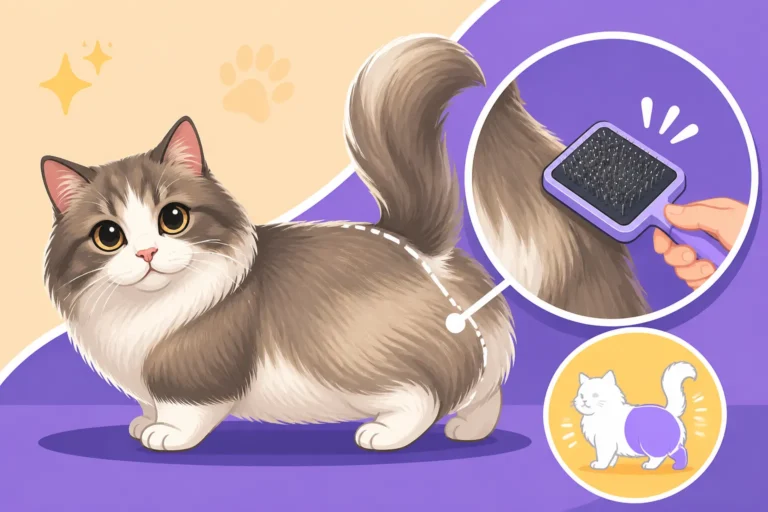
The defining characteristic of a Munchkin is, of course, their wonderfully short legs. While these legs are undeniably cute and give them their signature waddle and 'ferret-like' gait, they do present some challenges in the self-grooming department. Imagine trying to reach your lower back or hindquarters if your arms were significantly shorter – that's a bit like what a Munchkin experiences. Their standard-length body, combined with those abbreviated limbs, means certain areas become difficult, if not impossible, for them to properly clean.
The areas most commonly affected are their hindquarters, the underside of their belly, and sometimes their lower back near the tail. These are prime spots for loose fur to accumulate, especially during shedding season, and for dirt or litter to cling. If left unattended, this can quickly lead to painful mats, skin irritation, and even infections. This is precisely why we, as their human caregivers, need to step in and provide regular assistance. Understanding Which Parts of Itself a Munchkin Cannot Reach is key to a proactive grooming routine. It’s also important to remember that Why a Munchkin's Spine Carries a Load a Normal Cat's Does Not, which means careful handling during grooming is paramount to avoid discomfort or injury.
Establishing a Regular Brushing Routine
Knowing that your shorthaired Munchkin can't always do it all themselves is the first step. The next is to create a consistent brushing routine that works for both of you. This isn't just about aesthetics; it's about their health and comfort.
Why Frequency Matters for Shorthaired Munchkins
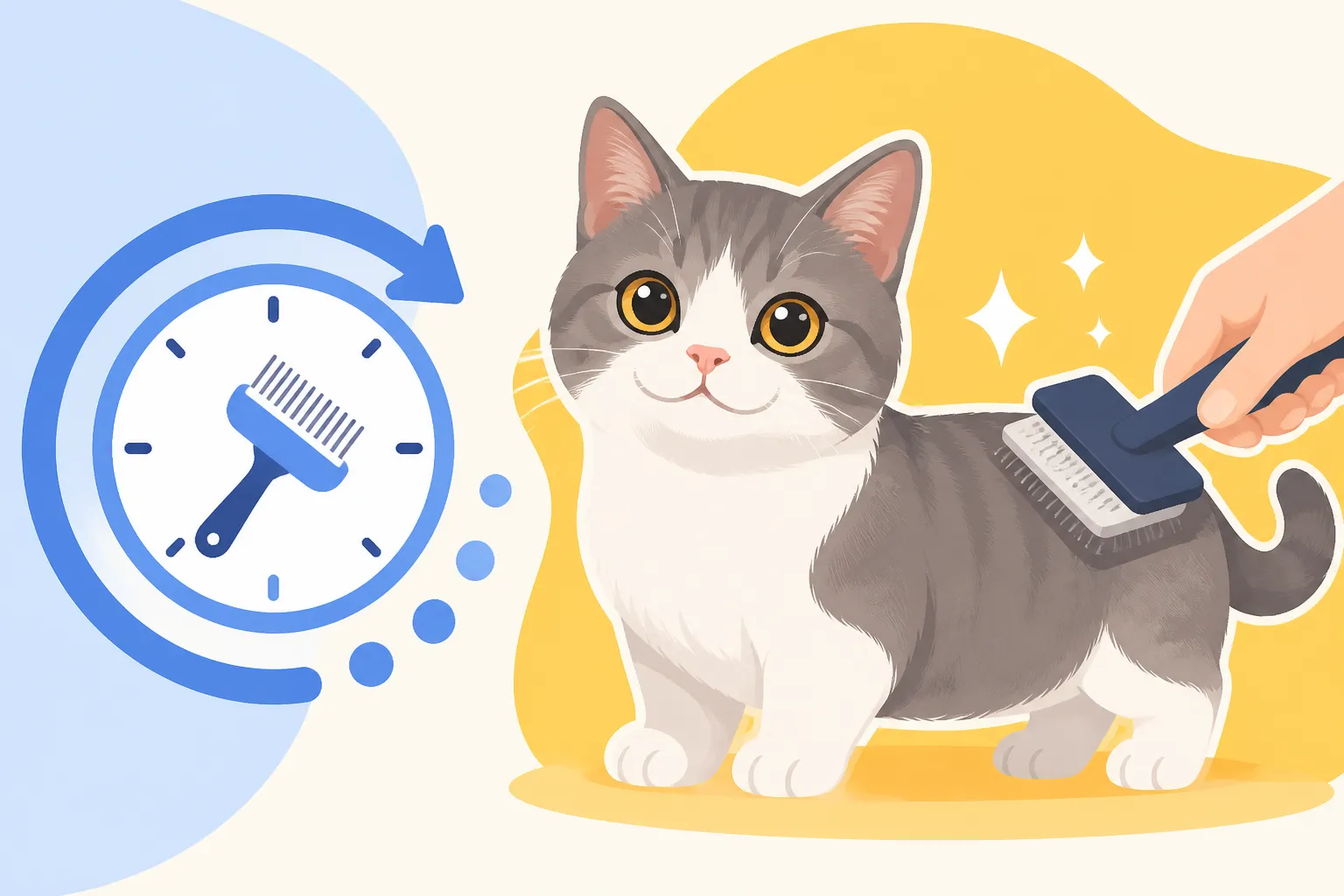
For most shorthaired cats, a weekly brushing session might be sufficient to keep their coat healthy and reduce shedding around the house. However, for a shorthaired Munchkin, I strongly recommend aiming for at least two to three times a week. During peak shedding seasons (typically spring and fall), you might even find daily brushing beneficial. This more frequent schedule directly addresses their anatomical limitations.
Regular brushing serves several critical purposes. Firstly, it helps remove loose and dead hair, preventing it from being ingested during attempted self-grooming, which can lead to hairballs. Secondly, it stimulates the skin, distributing natural oils and promoting a healthy, shiny coat. Thirdly, and most importantly for Munchkins, it tackles those hard-to-reach areas where mats and debris can accumulate. Think about the fur on their belly, especially near the ground when they walk; it's a magnet for litter particles and anything else they might brush against. A consistent routine prevents small issues from becoming larger, more painful problems. This proactive approach saves your Munchkin discomfort and can help [Prevent Matting in a Munchkin].
Recognizing When Your Munchkin Needs More Brushing
Even with a consistent schedule, there will be times when your Munchkin needs a little extra attention. Learning to read the signs your cat is giving you is crucial. If you notice an increase in shedding around the house, on furniture, or on your clothes, it's a clear indicator that their coat needs more frequent brushing. Similarly, if you start to feel small tangles or denser patches of fur, particularly around their hindquarters, under their armpits, or on their belly, it's time to increase the frequency.
Another less obvious sign is if your Munchkin seems to be spending more time futilely trying to groom those difficult-to-reach spots, or if they appear restless or itchy. Sometimes, if the fur starts to become heavy with loose undercoat, it can make them uncomfortable. Keep an eye out for changes in their normal behavior, as well as visible signs like a dull coat or flaky skin, which could also point to a need for more diligent grooming. Catching these cues early means you can adjust their routine before a minor build-up of fur turns into a full-blown mat requiring a trip to the groomer. This regular check-in also allows you to monitor How to Score a Munchkin's Body Condition, ensuring they stay at a healthy weight, which is particularly important for their unique build.
The Right Tools for the Job
Having the correct grooming tools makes all the difference, not just in effectiveness but also in making the experience pleasant for your Munchkin. Skimping on brushes can lead to frustration for both of you and might even cause pain if the wrong tools pull at their delicate skin.
Essential Brushes for a Shorthaired Munchkin
For a shorthaired Munchkin, you'll want a small arsenal of specific brushes to tackle their unique needs.
- Rubber Curry Brush (or grooming mitt): This is fantastic for daily or every-other-day use. The soft rubber bristles gently massage the skin, stimulate circulation, and are excellent at picking up loose fur, especially the fine, dead hair from the undercoat. Many cats find this type of brush very enjoyable, almost like a massage. It's gentle enough for their sensitive belly and can even be used during bath time. You can often find great options for these on sites like Amazon or Chewy.
- Slicker Brush: A slicker brush has fine, short wires packed closely together on a flat or curved head. It's superb for removing stubborn mats and tangles, though you'll need to use it with care, especially around sensitive areas. For shorthaired Munchkins, it's best used selectively, perhaps once a week, focusing on areas prone to density or small knots, like the fur around their hind legs or under their chin. Always choose one with coated tips to prevent scratching their skin.
- Fine-toothed Comb (or flea comb): While primarily used for checking for fleas, a fine-toothed metal comb can be surprisingly effective for a final pass through your Munchkin's coat, especially on the face and legs, to catch any lingering loose hairs and ensure there are no tiny tangles left behind. It’s also helpful for checking those difficult spots near the tail base where small mats might start to form.
Here's a quick comparison of essential brush types:
| Brush Type | Primary Use | Frequency for Shorthaired Munchkin | Notes |
|---|---|---|---|
| Rubber Curry Brush | Removing loose surface hair, massaging skin | Daily to every other day | Gentle, cats usually love it, great for sensitive areas like the belly. |
| Slicker Brush | Detangling, removing mats, deeper undercoat | Weekly, as needed for tangles | Use carefully, especially with shorthairs. Choose one with coated tips. |
| Fine-toothed Comb | Final de-shed, checking for fleas/tangles | Weekly, or after brushing | Excellent for delicate areas (face) and checking for small knots in hard-to-reach spots. |
Making Brushing a Positive Experience
Grooming shouldn't be a battle. It should be a calm, positive, and even enjoyable bonding experience for you and your Munchkin. The key is to start early, be patient, and use positive reinforcement. If you've just adopted a kitten, begin introducing the brush gently, even if it's just for a few seconds at a time. Let them sniff the brush, reward them with a favorite treat, and offer praise.
Always choose a quiet time when your Munchkin is relaxed, perhaps when they're sleepy or purring on your lap. Start with gentle strokes on areas they enjoy being touched, like their back or shoulders, before slowly moving to more sensitive spots. Keep sessions short, especially at first, perhaps just 5-10 minutes. If you encounter a tangle, don't pull! Gently work it out with your fingers first, then a wide-toothed comb, and only then with a slicker brush if necessary, always supporting the skin at the base of the mat. Always end on a positive note, with a treat, some playtime, or a comforting cuddle, so they associate brushing with good things. Remember, you're building trust, not just grooming a cat. Learning How to Get a Munchkin Used to Being Handled from a young age will make all grooming tasks much easier in the long run.
Beyond Brushing: Complementary Grooming for Shorthaired Munchkins
While brushing is paramount, a comprehensive grooming routine for your shorthaired Munchkin involves a few other considerations to ensure they stay perfectly clean and comfortable. Their unique body shape means some common issues can become more pronounced.
Dealing with Mats and Tangles Even in Shorthairs
It might seem counterintuitive to talk about mats and tangles for a shorthaired cat, but remember those hard-to-reach areas we discussed? Even with a short coat, these spots — primarily the hindquarters, armpits, and belly — can accumulate dead fur and debris that, if neglected, will compact into painful mats. When a Munchkin attempts to self-groom these areas, they might only succeed in pushing the loose fur further down, making the problem worse.
If you do find a mat, resist the urge to pull or cut it with scissors, which can easily injure your cat's delicate skin. Instead, try to gently tease it apart with your fingers or the fine end of a comb. If it's a tight mat, a detangling spray designed for cats can help lubricate the fur and make it easier to separate. For very stubborn mats, especially those close to the skin, it's always best to consult a professional groomer or your vet. They have specialized tools and techniques to remove mats safely without causing your cat pain or stress. Proactive brushing, as outlined earlier, is truly the best defense against these tricky situations. Neglecting Whether Matting Becomes a Health Problem in a Munchkin can lead to serious skin issues.
Keeping the Underside Clean
This is perhaps the most crucial complementary grooming task for a shorthaired Munchkin. Due to their low-slung bodies and short legs, their belly fur often brushes against the floor and, more significantly, they can struggle to clean themselves properly after using the litter box. This means their hindquarters and the fur around their rectum can become soiled with urine or feces.
Regular checks of their underside are non-negotiable. After your Munchkin uses the litter box, especially if you notice any clinging litter or mess, a quick wipe with a pet-safe grooming wipe can prevent build-up. For more persistent issues, or if their fur is frequently getting soiled, you might consider a "sanitary clip" around their hindquarters. This involves carefully trimming the fur short in that area to create a cleaner, more manageable zone. This is a task that some owners feel comfortable doing with specialized pet clippers, but many prefer to have a professional groomer handle it to ensure it's done safely and effectively. Keeping their belly fur neat also helps prevent dirt and dust from being tracked through your home, a small but important detail in Why a Munchkin's Belly Nearly Touches the Floor. Choosing Which Litter Suits a Munchkin's Low Belly can also make a significant difference in preventing this common issue.
By being consistent with brushing and attentive to their unique needs, you'll ensure your shorthaired Munchkin stays comfortable, clean, and healthy, allowing their wonderful personality to shine even brighter.
Disclaimer
This article is for general informational purposes only and does not constitute professional advice. Laws, prices and regulations vary by location and change over time. Consult a qualified professional for guidance on your specific situation.