Why a Bowl Left Down Is Dangerous for a Munchkin
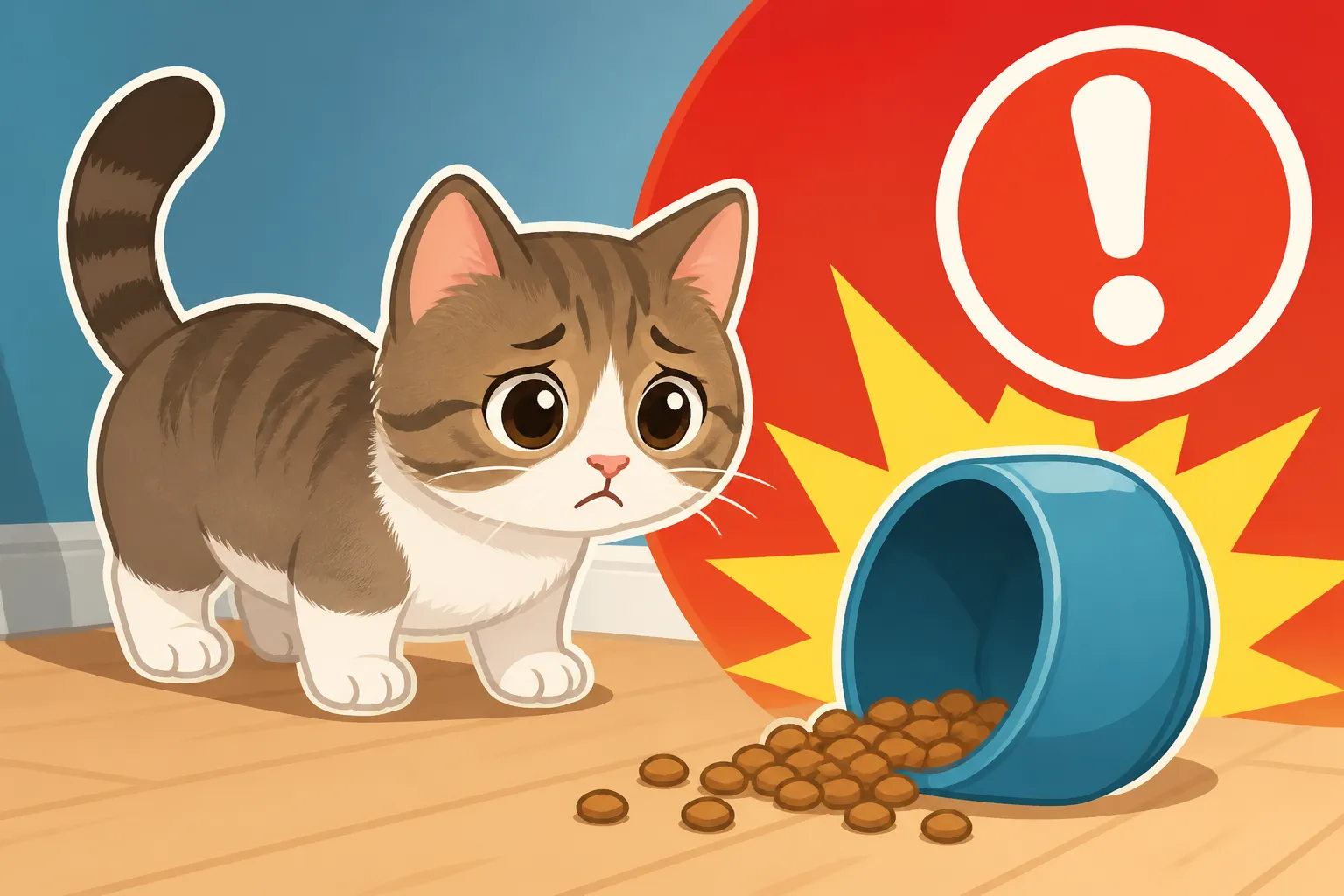
One of the most common habits many cat owners fall into is leaving a bowl of kibble out all day, assuming their feline friend will simply graze as needed. For most cats, it might just lead to a little extra fluff, but for our adorable Munchkins, a perpetually full food bowl can actually be downright dangerous, setting them up for a lifetime of pain and severely impacting their quality of life. This guide will explain exactly why free-feeding is a habit you need to break for your short-legged companion and how to safely manage their diet to protect their unique physique.
The Unique Vulnerabilities of the Munchkin Physique
Let's be honest, those short legs are what make a Munchkin so incredibly endearing. But beneath that cute exterior lies a skeletal structure that operates differently from a long-legged cat. This difference means they simply cannot handle excess weight in the same way, making careful dietary management paramount.
The Disproportionate Burden on Their Spine and Joints
Imagine carrying a backpack that feels heavy for a moment, then imagine carrying it all day, every day, with a spine that's already working harder than average. That's essentially what an overweight Munchkin experiences. Their naturally shorter limbs mean their body mass is carried closer to the ground, and any additional weight places an immense, undue strain on their spine, shoulders, elbows, and hips. While a long-legged cat might distribute extra pounds across a longer frame and more flexible joints, a Munchkin's compact structure has less room to maneuver. Each pound, or even a few ounces, becomes a disproportionate burden, compressing discs and grinding cartilage with every step, jump, and stretch. This constant strain can accelerate the onset and severity of joint problems. Why a Munchkin's Spine Carries a Load a Normal Cat's Does Not is a crucial read for understanding this mechanism.
Consider your Munchkin's daily movements: they're trotting, pouncing, attempting small jumps, and, of course, doing that adorable "prairie dog" sit. Every single one of these actions is compounded by excess weight. The joints in their short legs are engineered to support a lean, agile body. When that body becomes heavier, these joints, particularly in the shoulders and elbows, begin to wear down faster. It's not just about comfort; it's about preserving their mobility and preventing chronic pain that could otherwise be avoided with proper weight management.
Slower Metabolism and Lower Calorie Needs
Here's a truth bomb: Munchkins, despite their boundless energy and playful antics, generally have a slightly lower metabolic rate than their long-legged counterparts. They simply don't burn as many calories in their day-to-day lives because they're not engaging in the same high-impact, energy-intensive movements. They can't leap to the top of the fridge, launch themselves across rooms with quite the same powerful thrust, or even stretch to scratch a tall post with the same reach. These activities, which burn significant calories for other cats, are less frequent or less intense for a Munchkin.
This means that the "average" calorie recommendations you might see on a bag of cat food, or even for a domestic shorthair of similar weight, are often too high for a Munchkin. Giving them constant access to food, even a high-quality kibble, makes it incredibly easy for them to consume more calories than they actually expend. Their bodies are efficient little machines, and if you're not carefully monitoring their intake, those extra calories quickly translate into stored fat. Understanding How Many Calories a Munchkin Needs to Stay Off Its Joints is key to preventing weight gain. It's a subtle difference, but one that adds up quickly when food is always available.
The Exaggerated Impact of Even Small Weight Gains
For a typical 10-pound domestic cat, an extra pound might seem negligible. It might make them a bit rounder, maybe a little slower. For a Munchkin, however, that single pound can be the difference between comfortable mobility and the early onset of debilitating joint pain. Their frame is designed for leanness. When a Munchkin carries even a small amount of extra weight, it's amplified by their structure, much like how a small stone feels like a boulder in a shoe designed for running.
This exaggerated impact means that vigilant weight control isn't just a recommendation; it's a critical part of their basic care. Even slight weight fluctuations need to be taken seriously. A Munchkin that's just 10-15% over their ideal body weight is already at a significantly higher risk for accelerated joint degeneration, spinal issues, and discomfort. This is why Why Weight Is More Dangerous on a Munchkin is not an exaggeration – it's a physiological reality for the breed. Regular check-ins with your vet, and learning How to Score a Munchkin's Body Condition at home, become vital tools in keeping them healthy.
The Cascade of Health Problems from Overweight Munchkins
The danger of a constantly full food bowl isn't just about packing on a few extra pounds; it's about the domino effect these pounds have on your Munchkin's entire system, particularly their delicate skeletal structure.
Exacerbated Joint Pain and Arthritis
One of the most immediate and painful consequences of an overweight Munchkin is the exacerbation of joint issues, specifically arthritis. While all cats can develop arthritis as they age, Munchkins are predisposed to it due to the unique stress on their joints from their short legs. Add extra weight to this equation, and you're essentially putting them on the fast track to chronic pain. Their shoulders, elbows, and hocks bear the brunt of their movements, and with increased load, the cartilage cushioning these joints wears down faster.
You might notice your previously playful Munchkin becoming less inclined to jump (even their small jumps), struggling with steps they used to navigate, or showing stiffness after waking up. They might even display a reluctance to be touched in certain areas. This isn't just "getting older"; it's a sign that their joints are struggling under the strain. Early arthritis means less play, more discomfort, and a potentially shorter, less joyful life. Learning How Arthritis Shows in a Munchkin's Front Legs can help you spot the signs early, but preventing the weight gain that contributes to it is always the best approach. Over-the-counter joint supplements can help, and brands like Chewy offer a wide selection, but they are no substitute for maintaining a healthy weight.
Increased Risk of Spinal Issues like Lordosis
Another grave concern for overweight Munchkins is the increased risk or worsening of spinal conditions, particularly lordosis. Lordosis is a concave curvature of the spine, where the spine dips downward. While not unique to Munchkins, their short legs mean their body is carried lower, and any weakness in the spinal musculature or increased abdominal weight pulls the spine down even further. Lordosis Is the Spinal Curve the Munchkin Argument Is About precisely because it can be a serious issue.
Extra weight, especially around the belly, puts immense pressure on the lumbar spine. This isn't just uncomfortable; in severe cases, it can compress internal organs, impair breathing, and cause significant pain and neurological problems. An overweight Munchkin is far more likely to develop or see an existing mild lordosis worsen into a condition that severely impacts their quality of life. The muscles designed to support their spine struggle against the added mass, leading to fatigue, pain, and a vicious cycle where decreased activity due to discomfort leads to further weight gain. It’s a heartbreaking spiral that can often be avoided by strict weight management from kittenhood.
Grooming Challenges and Skin Issues
This might seem less critical than joint or spinal issues, but it's a significant quality-of-life problem that arises from excess weight, especially for a Munchkin. Cats are fastidious groomers, but their short legs limit their reach. An overweight Munchkin finds it even harder to twist, turn, and bend to reach all parts of its body, particularly the hindquarters, underbelly, and the base of the tail.
The result? Mats, dander buildup, and skin irritation. Matted fur can pull on the skin, causing pain and even open sores that can get infected. In severe cases, large mats can restrict movement. The underbelly, already closer to the ground, can become soiled, leading to skin infections or urine scald, especially if they have trouble cleaning themselves after using the litter box. What a Munchkin Cannot Reach to Groom becomes a much longer list when they're overweight. This means you, as the owner, have to step in with more frequent and thorough grooming, which can be stressful for both of you. It's an added chore that would be less necessary if the cat could maintain its own hygiene, which is significantly harder when they are carrying extra pounds.
Why Free-Feeding Undermines Dietary Control
The convenience of pouring a large bowl of kibble and walking away is tempting, but for a Munchkin, it completely sabotages any attempt at maintaining a healthy weight and addressing their unique dietary needs.
Inability to Monitor Individual Calorie Intake
With a perpetually full bowl, how do you truly know how much your Munchkin is eating? You don't. Maybe they eat a little here, a little there, throughout the day. Perhaps they gobble down a huge portion in one sitting. When the food is always available, there's no way to accurately measure their daily intake. This makes it impossible to adjust their diet if they start gaining weight, or to ensure they're getting enough if they're particularly active on a given day (which is less common for Munchkins, but still!).
This lack of control is the fundamental flaw of free-feeding for a breed where every calorie counts. Without knowing the exact intake, you're flying blind, and the scale eventually tells the story. For a Munchkin, this story is usually one of slow, steady, detrimental weight gain. It removes the ability to be proactive in their health management, forcing you to react to problems rather than prevent them.
Difficulty in Introducing Therapeutic Diets
What happens if your Munchkin develops a medical condition that requires a special diet? Perhaps they need a specific prescription food for kidney issues, or a joint-supportive diet to manage early arthritis. If a bowl of their old, regular food is always out, introducing a new, possibly less palatable therapeutic diet becomes a nightmare. They'll just graze on the familiar, less healthy option, defeating the purpose of the vet's recommendation.
Therapeutic diets are often expensive and meticulously formulated. For them to work, the cat must eat them consistently as their primary food source. Free-feeding makes this almost impossible, potentially jeopardizing their recovery or management of a chronic condition. It ties your hands and limits your ability to provide targeted nutritional support when your Munchkin needs it most. This challenge is far less pronounced with scheduled meals where you control what's offered and when.
Reinforcing Unhealthy Eating Habits
Cats are creatures of habit. If they learn that food is always available, they can develop a habit of "comfort eating" or simply over-consuming out of boredom or habit, rather than genuine hunger. This isn't just about calories; it also means they might not be motivated to eat when they should – during designated meal times – if they know they can always nibble later. This can mask health issues, as a sudden disinterest in food is a classic sign of illness, but it's much harder to spot if food is constantly present.
Furthermore, free-feeding can lead to resource guarding issues if you have multiple cats, even if your Munchkin is an only cat for now. The presence of food all the time removes the natural rhythm of mealtime, which can be a valuable bonding experience and an opportunity for you to observe your cat's appetite and behavior. Breaking these ingrained habits of constant grazing can be a challenge, but it's a necessary one for the long-term health and well-being of your short-legged friend.
Practical Strategies for Portion Control and Feeding
Okay, so we've established why free-feeding is a no-go for Munchkins. Now, let's talk about how to implement a healthy, controlled feeding regimen that protects their joints and spine.
Implementing Scheduled Meals
The single most effective strategy against the dangers of a constantly full bowl is switching to scheduled meals. This means offering food at specific times during the day and removing any uneaten portions after a set period (usually 15-30 minutes). Most adult cats do well with two meals a day, but some owners prefer three smaller meals, especially for kittens or older cats.
Here’s how to transition:
- Determine daily calorie needs: This is where your vet is your best friend. They can help you calculate the precise number of calories your Munchkin needs based on their age, activity level, and ideal body weight. Don't guess! Remember, Why a Munchkin Burns Less Than a Normal Legged Cat means their needs are unique.
- Choose a consistent schedule: Morning and evening mealtimes work well for most households. Consistency is key, as cats thrive on routine.
- Measure meticulously: Invest in a digital kitchen scale (easily found on Amazon) to weigh out your Munchkin's food. Scoops are notoriously inaccurate. Why a Munchkin's Portion Should Be Weighed because even small discrepancies add up.
- Gradual transition: If your Munchkin is used to free-feeding, don't go cold turkey. Gradually reduce the time the food bowl is available, slowly introducing fixed meal times over a week or two. They might complain, but they'll adjust.
- Ignore the begging: This is the hardest part! Your Munchkin will likely try to convince you they are starving. Hold firm. They will learn the new routine.
Scheduled meals ensure you know exactly how much they're eating, prevent overconsumption, and give you control to adjust their diet as needed. It also allows you to notice changes in appetite, which can be an early indicator of illness.
Choosing Appropriate Food and Measuring Portions
The type of food you choose and how you measure it are just as important as the feeding schedule.
- High-quality, appropriate food: Look for cat foods with high-quality animal protein as the primary ingredient. Consult your vet on specific dietary needs. There are many excellent brands available on Chewy that cater to different life stages and health concerns. Some foods are even formulated for joint health, which can be a beneficial choice for a Munchkin.
- Precision is paramount: As mentioned, a digital scale is your best friend. A quarter-cup scoop can vary wildly depending on how you scoop it, leading to significant calorie differences over time. Weighing ensures consistency.
- Consider wet food: Wet food often has higher moisture content and can be more filling with fewer calories per serving than kibble. This can be very helpful for weight management. Plus, the hydration is a bonus for overall cat health.
- Treats count: Remember that every treat is a calorie. Factor them into your Munchkin's daily caloric allowance. If you give a few treats, reduce their meal portion slightly.
| Feeding Strategy | Pros | Cons | Ideal For |
|---|---|---|---|
| Free-Feeding | Convenient for owner, less begging | High risk of obesity, no calorie control, masks illness | Not recommended for Munchkins |
| Scheduled Meals | Precise calorie control, easier to monitor, supports healthy weight | Requires owner consistency, initial begging | All Munchkins, especially those prone to weight gain |
| Puzzle Feeders | Mental enrichment, slows eating, promotes activity | Can be messy, not suitable for all food types | Munchkins needing mental stimulation or slower eating |
Smart Feeding Accessories and Enrichment
Beyond the food itself, consider how your Munchkin eats. Their short legs mean they might strain their neck or shoulders if their bowl is too low or too high.
- Raised Bowls: While it might seem counterintuitive to raise a bowl for a short-legged cat, a slightly raised bowl can actually help with neck and shoulder comfort, especially if they struggle to bend down for long periods. You want their head to be at a comfortable angle without excessive strain. Experiment to find the perfect height.
- Slow Feeder Bowls: If your Munchkin tends to gobble their food, a slow feeder bowl can help prevent them from eating too quickly, which aids digestion and makes them feel fuller longer.
- Puzzle Feeders: These are fantastic for enrichment and helping your Munchkin burn a few extra calories as they "hunt" for their food. They also slow down eating. Just be sure to choose puzzle feeders that your Munchkin can access without excessive jumping or stretching. Look for options designed for ground-level interaction. How to Set Up Floor Level Enrichment for a Munchkin can give you more ideas on this.
- Water Access: Always ensure fresh water is readily available, but again, consider your Munchkin's unique needs. A wide, shallow bowl on the floor is often best, or a pet fountain with accessible drinking spots. Why a Munchkin's Water Bowl Should Not Be a Stretch is something many owners overlook.
By proactively managing your Munchkin's diet with scheduled, portion-controlled meals and appropriate feeding accessories, you're not just preventing obesity; you're investing in their long-term health, mobility, and happiness. It's a small change in your routine that makes a monumental difference in their quality of life, allowing them to enjoy their unique charm for many comfortable years. The Twelve to Fifteen Years a Munchkin Usually Gets will be far more enjoyable if those years are spent moving comfortably.
Disclaimer
This article is for general informational purposes only and does not constitute professional advice. Laws, prices and regulations vary by location and change over time. Consult a qualified professional for guidance on your specific situation.