Whether a Munchkin Hybrid Is Registered as a Munchkin
It can be incredibly confusing when you're looking into Munchkin cats and then suddenly encounter terms like "Minuet," "Bambino," or "Kinkalow." You might see a cute, short-legged cat advertised and wonder if it's just a fancy name for a Munchkin, or if these are entirely different animals. The truth is, how these "Munchkin hybrids" are registered is a common point of misunderstanding, and it's vital for potential owners to grasp the distinctions. This guide will help you navigate the world of Munchkin genetics and feline registries, explaining exactly whether a Munchkin hybrid is considered a Munchkin in the eyes of the official cat world.
Understanding the True Munchkin and Its Genetic Foundation
First, let's clear up what truly defines a Munchkin cat according to recognized registries like The International Cat Association (TICA). A purebred Munchkin is a domestic cat characterized by its unique, naturally occurring genetic mutation that results in significantly shorter legs. This mutation, often referred to as "pseudoachondroplasia," affects the long bones of the legs, but the cat's body length and spine remain normal. This is crucial because it differentiates them from other forms of dwarfism. The short-leg gene is autosomal dominant, meaning only one copy of the gene is needed for a cat to display the short-legged trait.
When breeders talk about "Munchkins," they are specifically referring to cats whose lineage can be traced back to the original short-legged foundation cats found in Louisiana in the 1980s, and where the short-leg gene has been introduced through responsible outcrossing to non-pedigreed domestic cats. These outcrosses are essential for maintaining a broad and healthy gene pool, ensuring genetic diversity and preventing inbreeding-related health issues. Why the Munchkin Gene Pool Stays Wide They are not creating a new breed; they are bringing in fresh blood to the existing Munchkin breed.
The key takeaway here is that a purebred Munchkin is defined by its short legs and its accepted outcrosses. Its registration papers will clearly state "Munchkin," and its pedigree will reflect its lineage through other Munchkins and approved domestic outcrosses.
How Cat Registries Define and Handle Hybrid Breeds
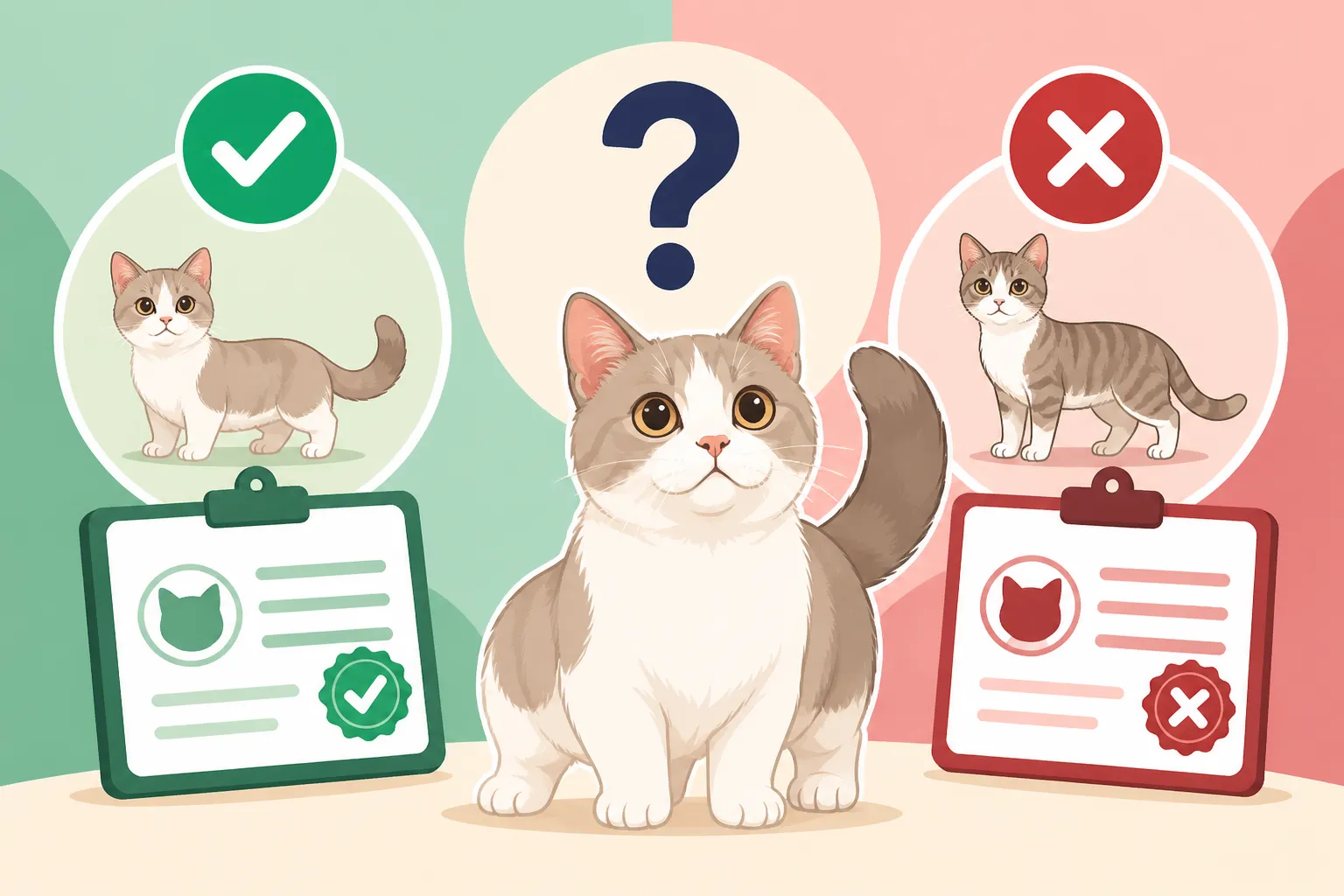
This is where the distinction between a "Munchkin" and a "Munchkin hybrid" becomes crystal clear. A Munchkin hybrid isn't just a Munchkin with a fancy coat or color. Instead, a Munchkin hybrid is a deliberate cross between a Munchkin and another recognized pedigreed cat breed, with the intention of creating an entirely new breed. The goal is to combine the short legs of the Munchkin with specific desirable traits of the other breed, such as the long hair of a Persian or the hairlessness of a Sphynx.
When these crosses are made, the offspring are not registered as Munchkins. Instead, if the hybrid breed has been formally recognized and is under development, they are registered under their own new breed name. For example:
- Minuet (formerly Napoleon): A cross between a Munchkin and a Persian (or related long-haired breed like a Himalayan or Exotic Shorthair). These cats are registered as Minuets.
- Bambino: A cross between a Munchkin and a Sphynx. These cats are registered as Bambinos.
- Lambkin: A cross between a Munchkin and a Selkirk Rex. These cats are registered as Lambkins.
- Kinkalow: A cross between a Munchkin and an American Curl. These cats are registered as Kinkalows.
Each of these hybrid breeds has its own specific TICA breed standard and its own path to championship status within the registry. What TICA Championship Status Gives a Munchkin They are distinct entities, even though they carry the Munchkin's signature short-leg gene. Think of it like this: a Labradoodle isn't registered as a Labrador or a Poodle; it's a Labradoodle. The same principle applies here.
Let's look at how TICA, the primary registry for Munchkins and most of these hybrid breeds, structures this:
| Cat Category | Defining Characteristic | Registration Status (TICA Example) | Primary Goal |
|---|---|---|---|
| Purebred Munchkin | Short legs (Munchkin gene) | Munchkin | Maintain breed standard, genetic diversity |
| Munchkin Outcross | Normal legs (but Munchkin parent) | Domestic Shorthair/Longhair | Used for breeding Munchkins, not a separate breed |
| Munchkin Hybrid | Short legs + traits of another pedigreed breed | Minuet, Bambino, Lambkin, etc. | Create a new distinct breed combining traits |
When you're looking at a kitten, asking for its full registration papers is crucial. These documents will clearly state the breed name, whether it's a purebred Munchkin or one of its recognized hybrid descendants.
Why This Registration Distinction Matters for Owners
Understanding whether a cat is a purebred Munchkin or a Munchkin hybrid isn't just a technicality for breeders; it has real implications for you as a potential owner.
Firstly, it affects your expectations regarding the cat's health and characteristics. While all short-legged cats from Munchkin lineage share the genetic basis for their short limbs, adding another breed can introduce a whole new set of considerations. For example, a Minuet will likely have the grooming needs of a Persian and the potential for polycystic kidney disease (PKD) if not properly screened, in addition to any considerations related to the Munchkin gene itself. Why a Munchkin From a Persian Cross Needs a PKD Test A Bambino might inherit the skin care needs of a Sphynx. Knowing the full breed composition helps you anticipate potential health predispositions and specific care requirements, influencing your choice of food and guiding your discussions with a vet and an insurer.
Secondly, it impacts the ethical considerations. The creation of hybrid breeds, especially those that combine multiple genetic mutations, is a contentious topic in the veterinary community and among some cat fanciers. Breeds like the Scottish Fold Munchkin, for instance, are widely criticized because they stack the Munchkin's short-leg gene with the Scottish Fold's cartilage defect, potentially leading to more severe skeletal issues (see Whether a Scottish Fold Munchkin Should Exist). Knowing if you're acquiring such a combination is vital for making an informed and responsible decision. A reputable breeder will always be transparent about the lineage and registration status of their kittens, allowing you to thoroughly review the cat's pedigree and understand what you are truly bringing into your home.
Finally, registration affects show eligibility and sometimes even perceived value. If you're interested in showing your cat, it must be registered as the correct breed with TICA. A Minuet cannot be shown in the Munchkin category, and vice versa. An unregistered cat, regardless of its appearance, holds no official breed status. How to Verify a Munchkin Is Registered at All
Common Munchkin Hybrid Breeds and Their Independent Registration
Let's delve a bit deeper into some of the more commonly encountered Munchkin hybrid breeds to solidify this concept. Each of these was created with a specific vision, combining the Munchkin's short stature with traits from another beloved cat breed, and each has its own unique path within the cat fancy.
The Minuet (Formerly Napoleon)
One of the most well-known Munchkin hybrids is the Minuet, which used to go by the name Napoleon. This charming breed is a cross between a Munchkin and a Persian, Himalayan, or Exotic Shorthair. The goal was to combine the Munchkin's short legs with the luxurious coat, round face, and sweet disposition of the Persian family. What a Minuet Is and How It Relates to the Munchkin
Minuets come in both short-legged and long-legged varieties (just like Munchkins have long-legged littermates). Crucially, a Minuet, regardless of its leg length, is registered as a Minuet with TICA, not as a Munchkin. Their breed standard focuses on a harmonious blend of both parent breeds' characteristics, emphasizing a sturdy, medium-sized body, a plush coat, and those endearing short legs. Owners often find these cats to be quite playful and affectionate, making them wonderful companions. Just like any cat, proper nutrition to support their coat and overall health is important.
The Bambino
For those captivated by the unique appearance of the Sphynx, the Bambino offers a fascinating combination. This breed results from crossing a Munchkin with a Sphynx, aiming for the hairless, wrinkled skin of the Sphynx combined with the Munchkin's distinctive short legs. What a Bambino Is and How It Relates to the Munchkin
Bambinos are also registered as their own distinct breed with TICA. They have specific care requirements due to their lack of fur, including regular bathing and protection from temperature extremes, which sets them apart significantly from a standard Munchkin. Their small size and unique look make them quite striking. Like the Sphynx, their skin needs special attention, and any potential health issues should be discussed with a vet, with comprehensive pet insurance like Healthy Paws being a wise consideration.
The Lambkin
The Lambkin is a relatively newer and rarer hybrid, created by crossing a Munchkin with a Selkirk Rex. The defining feature of the Selkirk Rex is its curly coat, which can range from loose waves to tight ringlets. The Lambkin aims to combine this soft, curly coat with the short legs of the Munchkin. How the Lambkin Was Made From a Munchkin
These cats are also registered as Lambkins, recognized as a distinct breed by TICA. Their care often involves specific grooming for their curly fur to prevent matting, much like some long-haired Munchkins, but with the added texture challenge of the Rex coat. The personality is generally sweet and docile, often described as very patient and loving.
The Kinkalow
The Kinkalow is another intriguing hybrid, resulting from a cross between a Munchkin and an American Curl. The American Curl is famous for its distinctively curled-back ears, which give them a unique and alert expression. The Kinkalow brings together these curled ears with the Munchkin's short legs. What a Kinkalow Is and How It Relates to the Munchkin
Registered as Kinkalows, these cats boast a charming appearance with their curled ears and low-slung bodies. Their ears require careful handling to avoid damage, a specific care point inherited from their American Curl lineage. Kinkalows are typically playful and intelligent, enjoying interactive toys and enrichment from places like Chewy.
In summary, while these hybrid breeds clearly owe a significant part of their appearance to the Munchkin, they are established as individual breeds with their own standards and names by TICA. It's crucial not to mistake them for simply "Munchkins" with additional traits, but rather to recognize them as separate, intentionally developed breeds, each with its own set of characteristics and care considerations.
Disclaimer
This article is for general informational purposes only and does not constitute professional advice. Laws, prices and regulations vary by location and change over time. Consult a qualified professional for guidance on your specific situation.