How Osteoarthritis Shows in a Munchkin’s Shoulders
It's incredibly disheartening when our beloved feline companions start to show signs of discomfort, especially when it affects their mobility and playful spirit. For Munchkin cat parents, the concern about their unique physical structure often leads to worries about joint health, and rightfully so. This comprehensive guide will walk you through how osteoarthritis, specifically in the shoulders, can manifest in your Munchkin, helping you recognize the subtle cues and ensure they get the care they need to live a comfortable and joyful life.
Understanding Osteoarthritis in Munchkin Cats
When we talk about joint problems in cats, osteoarthritis often comes up, but for Munchkins, it carries a slightly different nuance due to their distinctive build. It's not just an "old cat" disease; it's a chronic, progressive condition that can significantly impact their quality of life.
What is Osteoarthritis Anyway?
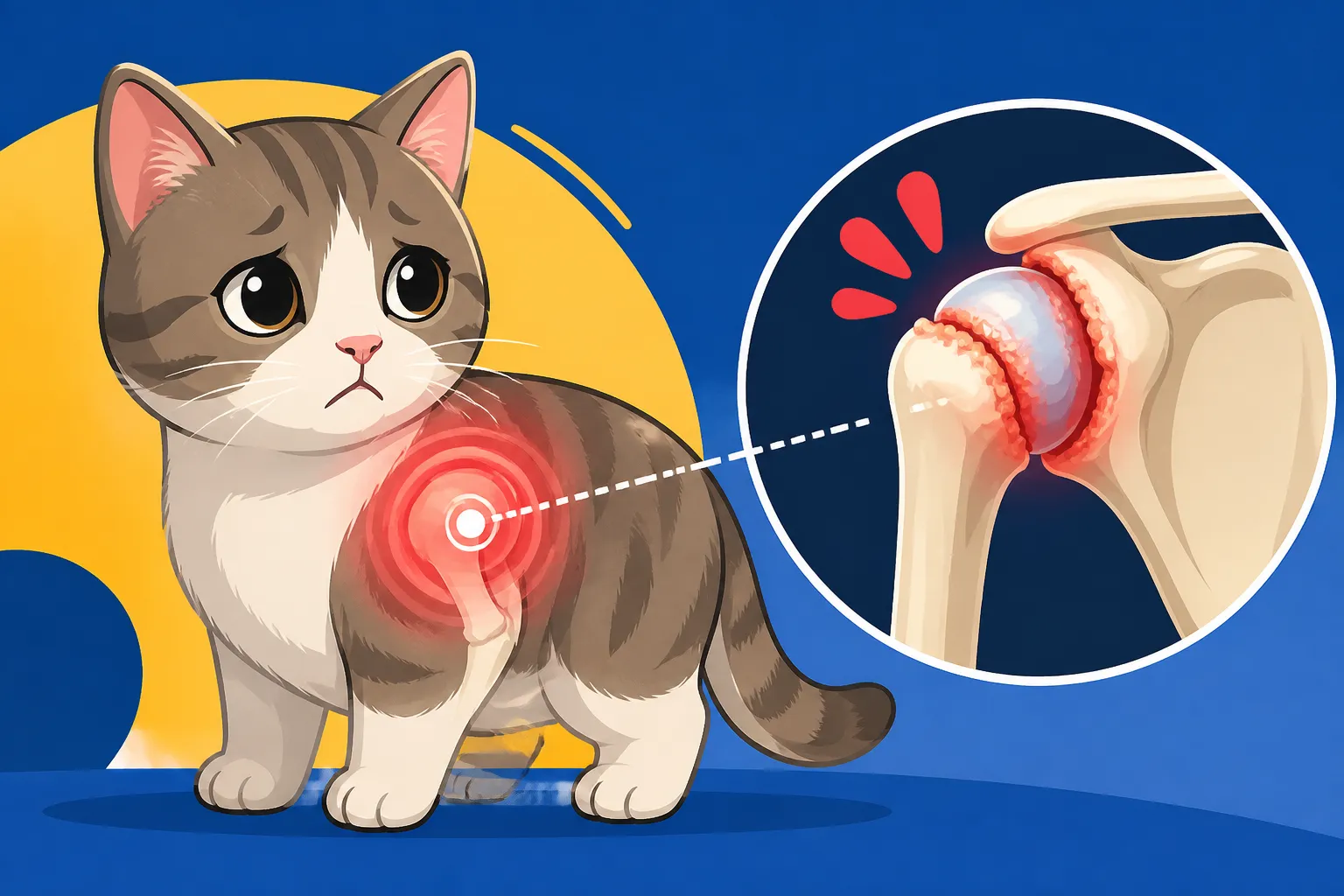
At its core, osteoarthritis, sometimes called degenerative joint disease (DJD), is the gradual breakdown of the cartilage that cushions the ends of bones within a joint. Think of cartilage as the body's natural shock absorber – it allows bones to glide smoothly over each other. When this cartilage wears thin, bones can start to rub directly, leading to pain, inflammation, and stiffness. The body tries to compensate by growing new bone, often in the form of bone spurs (osteophytes), which can further restrict movement and cause discomfort. It's a cruel cycle of wear and tear, and while it's more common in older animals, injuries, genetics, and conformation (like a Munchkin's short legs) can accelerate its onset. It’s a misconception that if your cat isn't crying out, they aren't in pain. Cats are masters of hiding discomfort, a survival instinct honed over millennia. They might just seem a little quieter, less playful, or more hesitant.
Why Munchkin Shoulders Are Vulnerable
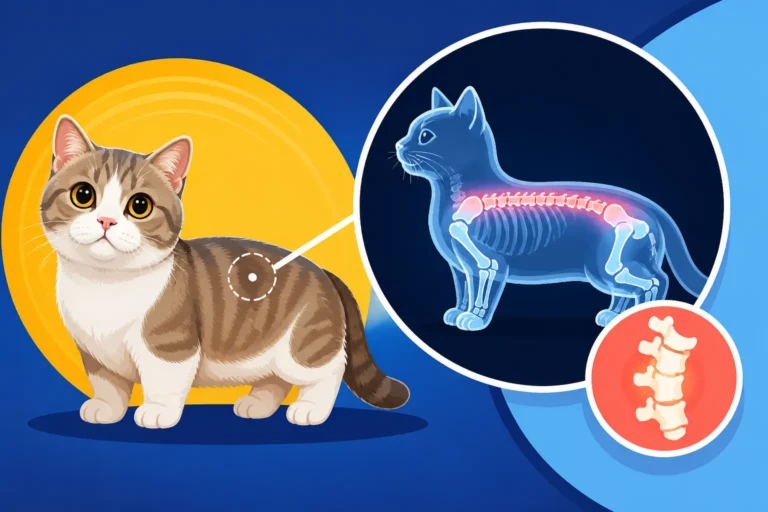
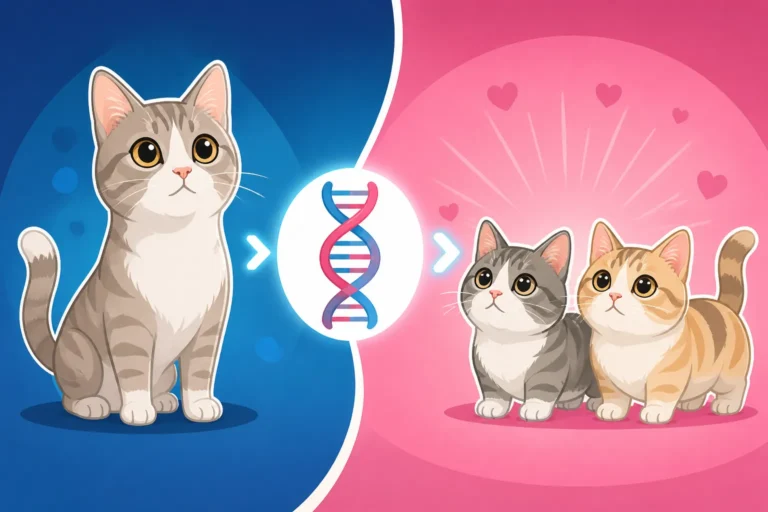
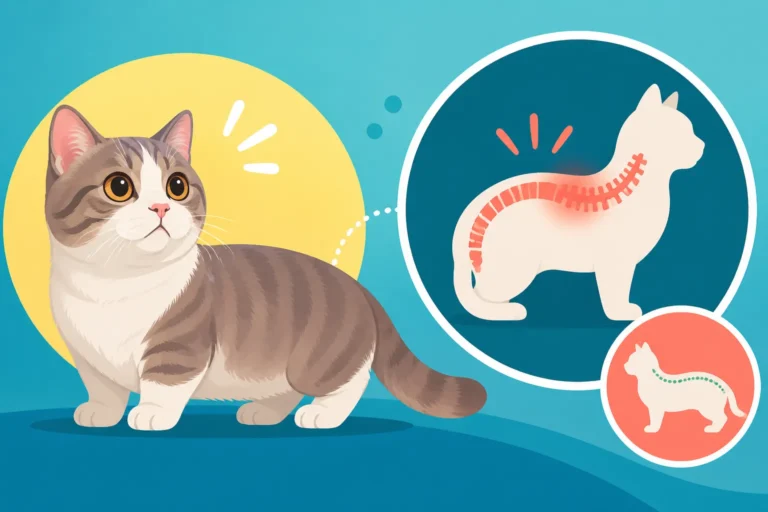
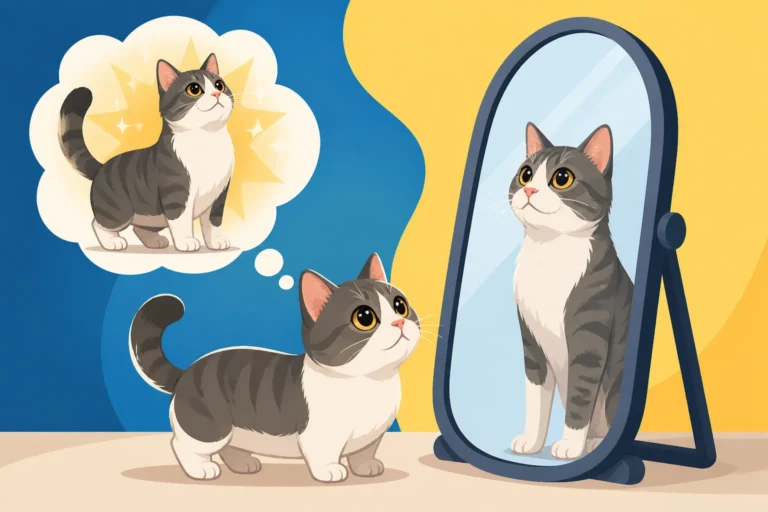
Munchkins are known for their adorably short legs and a body length that is otherwise quite normal for a cat. This unique genetic mutation, which gives them their characteristic appearance, inherently alters their biomechanics. Imagine having to perform all your daily tasks with proportionally shorter limbs – it means more strain on the joints that are doing the work. For Munchkin cats, their shoulders, along with their elbows, bear a disproportionate amount of weight and absorb more impact than a normal-legged cat's joints. Every jump, every landing, every run across the floor asks more of those front limbs.
Because their legs are shorter, a Munchkin's spine also carries a load a normal cat's does not, putting pressure on their entire skeletal system. When they navigate their environment, even simple movements like stepping on or off a low piece of furniture, involve a different set of forces on their shoulder joints. They can’t spring as high, but they still try to jump and climb, using their shoulders and front legs to compensate for their lack of height and leverage. This constant, repetitive stress and impact contribute to the premature wear and tear on the shoulder cartilage, making them particularly vulnerable to osteoarthritis. It's a bit like driving a car with smaller wheels – the engine has to work harder, and the suspension takes more of a beating.
Early Warning Signs of Shoulder Osteoarthritis
Recognizing the subtle hints that your Munchkin might be experiencing shoulder pain is paramount. Cats are famously stoic, so any change, no matter how minor, warrants attention. Don't wait for them to cry out in pain; by then, the condition is likely quite advanced.
Subtle Changes in Movement and Gait
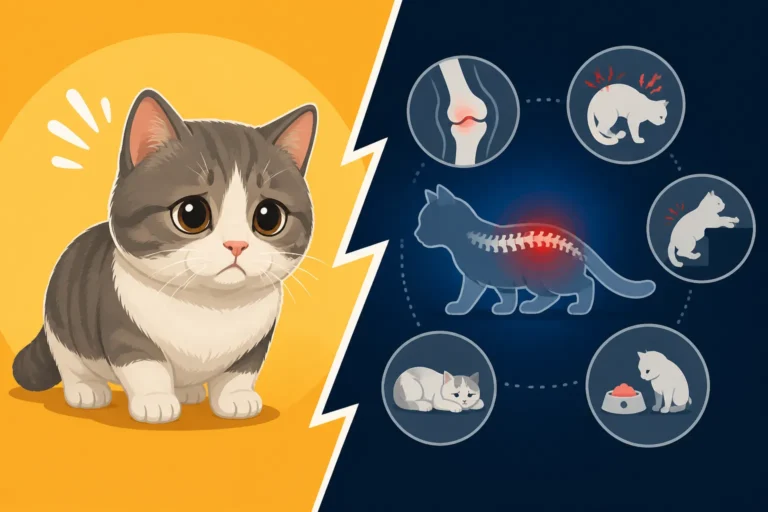
One of the first things you might notice is a change in how your Munchkin moves. Perhaps they seem a little stiffer, especially after a long nap. That initial stretch might look less fluid, or they might seem to "shake off" the stiffness before moving properly. You might see a slight reluctance to perform actions that once came easily. For example, if your Munchkin loves to sit up on their hind legs in that adorable "prairie dog" posture to survey their surroundings, you might notice them doing it less often, or holding the position for shorter periods, because balancing on their hindquarters puts additional strain on their front limbs when they eventually settle back down.
Observe their typical walking pattern. Do they have a subtle limp that seems to favor one front leg? Or perhaps their gait appears a bit more stilted or choppy than their usual ferret-like scamper? They might be less inclined to engage in their characteristic bursts of speed across the room, or they might seem to "think" about moving before they actually do it. Any hesitation before a jump onto a low sofa or a chair, especially if it was once a favored spot, could be a red flag. These are all signs that your beloved companion might be experiencing early arthritis, and it's worth considering whether a Munchkin gets arthritis earlier than other cat breeds due to their unique conformation.
Behavioral Shifts and Decreased Activity
Beyond physical movement, a Munchkin experiencing shoulder discomfort might display changes in their overall behavior and activity levels. If your typically playful Munchkin is suddenly spending more time sleeping or just quietly observing from a low vantage point, it could be a sign. They might retreat to secluded, easily accessible areas, avoiding higher perches or even the top of a low cat tree they once frequented. A once-beloved ramp or set of steps leading to a favorite sleeping spot might be ignored, not out of stubbornness, but because using it has become uncomfortable.
You might also notice a change in their interaction with you. A cat in pain may become more irritable or reactive when handled, particularly if you touch or lift them in a way that puts pressure on their shoulders. They might flinch, growl softly, or even try to nip if you accidentally exacerbate their pain. Furthermore, their meticulous grooming habits might suffer. Cats are fastidious creatures, but reaching certain spots, especially along their back or around their shoulders, can become difficult when those joints are stiff and sore. This could lead to a duller coat or matted fur in hard-to-reach areas. Recognizing these subtle shifts is crucial, as they are often the only clues our stoic felines offer when they are experiencing pain, much like how an old Munchkin stops being able to do certain things they once loved.
Recognizing Pain and Discomfort in Your Munchkin
Even if you’ve picked up on subtle changes, how do you know if it’s truly pain or just a phase? There are more definitive physical and behavioral indicators to look for, but remember, only a vet can make a definitive diagnosis.
Physical Indicators of Shoulder Pain
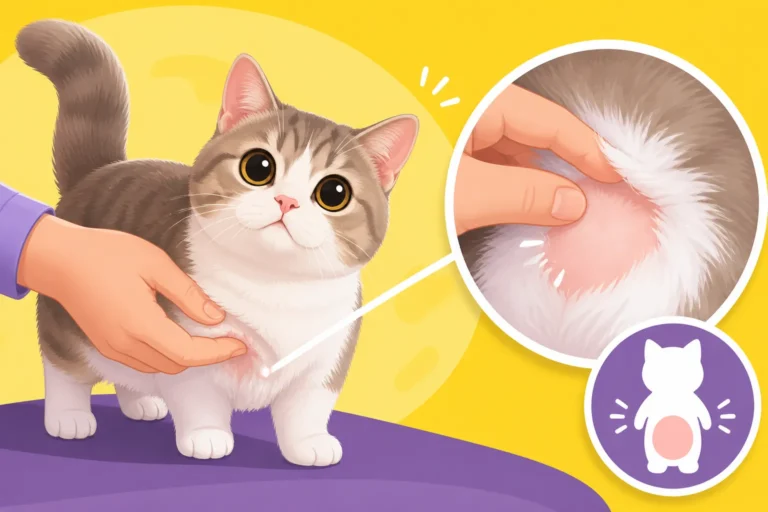
If you gently palpate (feel) around your Munchkin's shoulders, you might notice some physical changes that suggest osteoarthritis. The joint areas themselves might feel stiff or even slightly warm to the touch compared to surrounding tissues, indicating inflammation. Pay attention to their muscle mass: if your Munchkin has been avoiding using one or both front legs effectively due to pain, you might observe muscle atrophy, which is a noticeable wasting away of the muscle tissue in the affected limb. This can make the leg appear thinner or less defined compared to its healthy counterpart or how it used to look.
When your Munchkin is standing or resting, observe their posture. Are they holding one leg slightly differently, perhaps trying to shift their weight to offload pressure from a painful shoulder? They might appear to slump more or carry their head lower. If you attempt to extend or flex their front legs, you might detect a decreased range of motion, and they may resist the movement or vocalize their discomfort with a low growl, hiss, or a sharp meow. Any audible clicks or grinding sounds during movement, though less common, are also strong indicators of significant joint degeneration. These signs, coupled with changes in behavior, paint a clearer picture of your cat's potential distress.
How Pain Affects Daily Life
The cumulative effect of shoulder pain can significantly disrupt a Munchkin's daily routine, turning once-simple tasks into uncomfortable challenges. Imagine your Munchkin struggling to enter their litter box because the lip is too high, requiring a painful lift of their front legs. They might begin to hesitate, or even start eliminating outside the box in frustration or discomfort, seeking an easier, less painful spot. Similarly, reaching for food and water from bowls on the floor might become a strain, forcing them to adopt awkward postures that put more pressure on their shoulders and neck. Raised food bowls can alleviate this, allowing them to eat in a more natural, comfortable position without bending excessively.
Grooming, as mentioned earlier, is a critical part of a cat's self-care. With shoulder pain, reaching the hindquarters or even behind their ears can become difficult, leading to a scruffy, unkempt appearance or the development of mats. You might even find that your Munchkin is less eager to use their scratching post because the upward stretch and clawing action puts too much strain on their sore shoulders. Instead, they might seek out horizontal scratching surfaces. Even being picked up, a common interaction for many cats, can become a source of anxiety or pain for a Munchkin with arthritic shoulders. They might stiffen, try to evade your grasp, or vocalize their displeasure, especially if you inadvertently put pressure on their sensitive joints. These daily struggles are clear indicators that their quality of life is being affected.
Diagnosis and Management Strategies
If you suspect your Munchkin is struggling with shoulder pain, the next step is a trip to the veterinarian. Early and accurate diagnosis is key to developing an effective management plan and preserving your cat’s comfort.
The Veterinary Examination Process
When you bring your Munchkin to the vet with concerns about their mobility or discomfort, a thorough physical examination will be the first crucial step. Your vet will carefully palpate all joints, especially the shoulders, assessing for tenderness, swelling, reduced range of motion, and any grinding sensations (crepitus). They will also observe your cat's gait and posture, asking you detailed questions about the changes you've noticed at home. Don't hesitate to share videos you've taken of your cat exhibiting these behaviors, as cats often "perform" perfectly at the vet, masking their symptoms.
To confirm the diagnosis of osteoarthritis, radiographs (X-rays) are usually necessary. These images allow the vet to visualize the bone structure, look for signs of cartilage thinning, bone spurs, and any other abnormalities within the joint. Sometimes, more advanced imaging like an MRI or CT scan might be recommended, particularly in complex cases or if the initial X-rays are inconclusive. It's incredibly helpful to work with a veterinarian who has experience with Munchkin cats and understands their unique anatomy and potential predispositions. They will provide a tailored approach to ensure the best possible diagnostic outcome for your feline friend.
Supportive Care and Lifestyle Adjustments
Once osteoarthritis is diagnosed, a multi-modal approach to management is usually recommended, focusing on supportive care and lifestyle adjustments at home. One of the most critical aspects is weight management. Every extra pound your Munchkin carries puts additional stress on their already vulnerable joints, exacerbating pain and accelerating cartilage degeneration. This is why weight is more dangerous on a Munchkin. Your vet can help you determine the ideal weight for your cat and create a feeding plan.
Creating an accessible home environment is equally vital. This means providing ramps or steps for access to sofas, beds, and windowsills, as well as ensuring litter boxes have low entry points. Elevated food and water bowls can make eating and drinking more comfortable, reducing strain on the neck and shoulders. Gentle physical therapy, often involving controlled, low-impact exercises, can help maintain muscle strength and joint flexibility. Your vet might also recommend nutritional supplements containing ingredients like glucosamine, chondroitin, and omega-3 fatty acids, which can support joint health and reduce inflammation. Brands like Healthy Paws pet insurance often cover prescribed joint supplements, physical therapy, and other non-surgical treatments for chronic conditions like osteoarthritis, making long-term care more accessible. Always consult your vet before starting any supplements to ensure they are appropriate for your Munchkin.
Medical Interventions for Pain Relief
When supportive care and lifestyle adjustments aren't enough to manage your Munchkin's pain, your veterinarian may recommend medical interventions. The primary goal of medication in osteoarthritis is to reduce pain and inflammation, thereby improving your cat's comfort and mobility. Non-steroidal anti-inflammatory drugs (NSAIDs) are commonly prescribed for this purpose. However, it's crucial that these medications are given strictly under veterinary guidance, as cats are highly sensitive to many NSAIDs designed for humans or dogs, and incorrect dosage can be dangerous. Your vet will monitor your Munchkin's kidney and liver function, especially with long-term use.
Beyond NSAIDs, other pain medications might be used, either alone or in combination, depending on the severity of the pain. These can include gabapentin, tramadol, or amantadine, all aimed at different aspects of pain perception. Additionally, newer therapies are becoming available, such as Adequan injections (polysulfated glycosaminoglycan) which help protect cartilage and reduce inflammation, or Librela (frunevetmab), a monoclonal antibody injection that targets nerve growth factor, a key player in pain signaling. These innovative treatments can offer significant relief and are often covered by comprehensive pet insurance plans like Healthy Paws, which can be a huge help when managing the ongoing costs of chronic conditions. Your vet will work with you to find the most effective and safest medical protocol for your unique Munchkin cat.
Long-Term Outlook and Proactive Care
Living with a Munchkin cat diagnosed with osteoarthritis in their shoulders means a commitment to ongoing care, but with the right approach, your furry friend can still enjoy a wonderful quality of life. The focus shifts from curing the condition to managing it effectively and preventing further progression.
Living Comfortably with Osteoarthritis
The goal is always to maximize your Munchkin's comfort and maintain their zest for life for as long as possible. This means accepting that osteoarthritis is a progressive disease, but its progression can be slowed and its symptoms effectively managed. Regular veterinary check-ups are absolutely essential. These visits allow your vet to monitor the effectiveness of current treatments, make necessary adjustments, and catch any new issues early. They will likely want to assess your cat's mobility, body condition, and pain levels on an ongoing basis. It’s also important to remember that as a Munchkin ages, their needs will change, so understanding how often a healthy adult Munchkin needs checking is crucial for continuous optimal care.
One of the greatest financial challenges for pet parents dealing with chronic conditions like osteoarthritis is the ongoing cost of medication, supplements, special diets, and vet visits. This is where a robust pet insurance plan can be a lifesaver. Providers like Healthy Paws are known for their comprehensive coverage, often helping with the costs of diagnostics, prescriptions, specialty care, and even alternative therapies. Having that financial safety net can significantly reduce stress and ensure you can always provide the best possible care for your Munchkin without compromise. With consistent attention and proactive measures, your Munchkin can continue to be a happy, cherished member of your family.
Preventing Further Progression
While osteoarthritis can't be reversed, its progression can certainly be slowed, and the onset of severe symptoms delayed through diligent, proactive care. The cornerstone of this prevention strategy is maintaining a healthy weight. Regularly assessing how to score a Munchkin's body condition and ensuring they stay lean minimizes the load on their vulnerable shoulder joints. Even a slight increase in weight can significantly exacerbate pain and damage.
Consistent, gentle exercise is also crucial. Activities that encourage low-impact movement, like short play sessions with wand toys that keep the action at floor level, or exploring a modified cat tree with closely spaced, easily accessible platforms, can help maintain muscle strength and joint flexibility without overstressing the shoulders. It’s about engagement, not exertion. Continuously evaluating and modifying your home environment to ensure easy access to all essential resources – low-entry litter boxes, ramps to favorite resting spots, and raised food bowls – prevents your Munchkin from making painful jumps or stretches. Early intervention is key: at the first subtle sign of stiffness or reluctance to move, consult your vet. Don't wait until the pain becomes obvious. By being proactive and consistent with these care strategies, you can significantly contribute to your Munchkin's comfort and longevity, truly embodying what caring for a Munchkin past ten entails, and helping them thrive despite their genetic predisposition.
| Sign of Shoulder Osteoarthritis | What It Looks Like | Implication | Recommended Action |
|---|---|---|---|
| Changes in Gait | Subtle limp, hesitant movement, stiff walk, less smooth running. | Pain or discomfort in one or both front legs/shoulders. | Observe carefully, note which leg, when it occurs (e.g., after rest). Schedule a vet visit. |
| Reduced Jumping/Climbing | Hesitation before jumping onto low furniture, avoiding ramps or steps, struggling to reach previously accessible spots. | Difficulty with weight-bearing and impact on shoulder joints. | Provide ramps/steps to all elevated surfaces. Don't force jumps. Vet check. |
| Decreased Activity/Play | More sleeping, less interested in toys, hiding more, general lethargy. | Pain making movement uncomfortable, leading to reduced engagement. | Encourage gentle floor-level play. Note duration and intensity of play. Vet check. |
| Irritability/Vocalization | Hissing, growling, flinching, or crying when touched, especially near shoulders. | Direct pain response upon palpation or lifting. | Handle gently, supporting body fully. Avoid putting pressure on shoulders. Vet check immediately. |
| Grooming Changes | Dull coat, mats on back or hindquarters, inability to reach certain areas. | Stiffness or pain prevents full range of motion needed for self-grooming. | Assist with grooming. Regularly brush unreachable areas. Vet check. |
| Muscle Atrophy | Noticeably thinner front legs or shoulders compared to the other side or previous appearance. | Disuse of the limb due to pain. | Vet examination required for diagnosis and treatment plan. |
| Stiffness After Rest | Slow to get up, takes a moment to 'stretch out' after waking. | Joint inflammation and decreased lubrication after periods of inactivity. | Provide warm, soft sleeping areas. Encourage gentle movement. Vet check. |
| Altered Posture | Carrying head lower, slumping, shifting weight to avoid putting pressure on a painful shoulder. | Attempting to alleviate discomfort. | Observe resting and standing posture. Vet check. |
Disclaimer
The information provided in this article is for educational purposes only and should not be considered a substitute for professional veterinary advice. Always consult with a qualified veterinarian for any health concerns or before making any decisions about your pet's medical care.