How Many Steps a Munchkin Needs to Reach a Bed
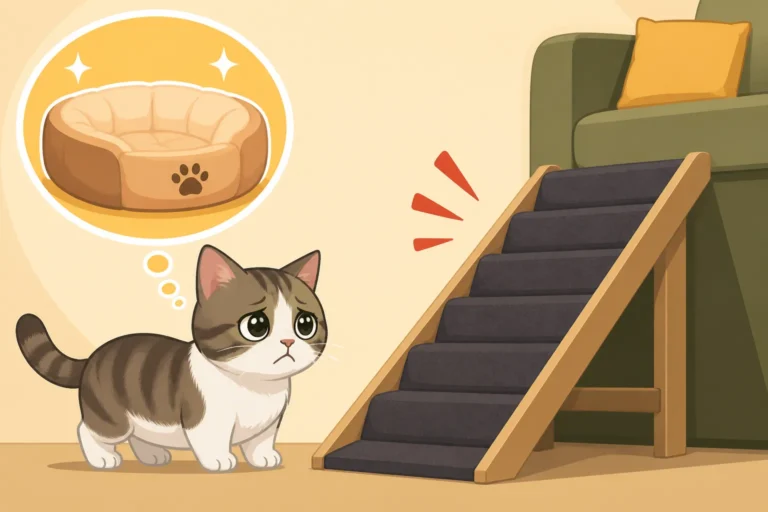
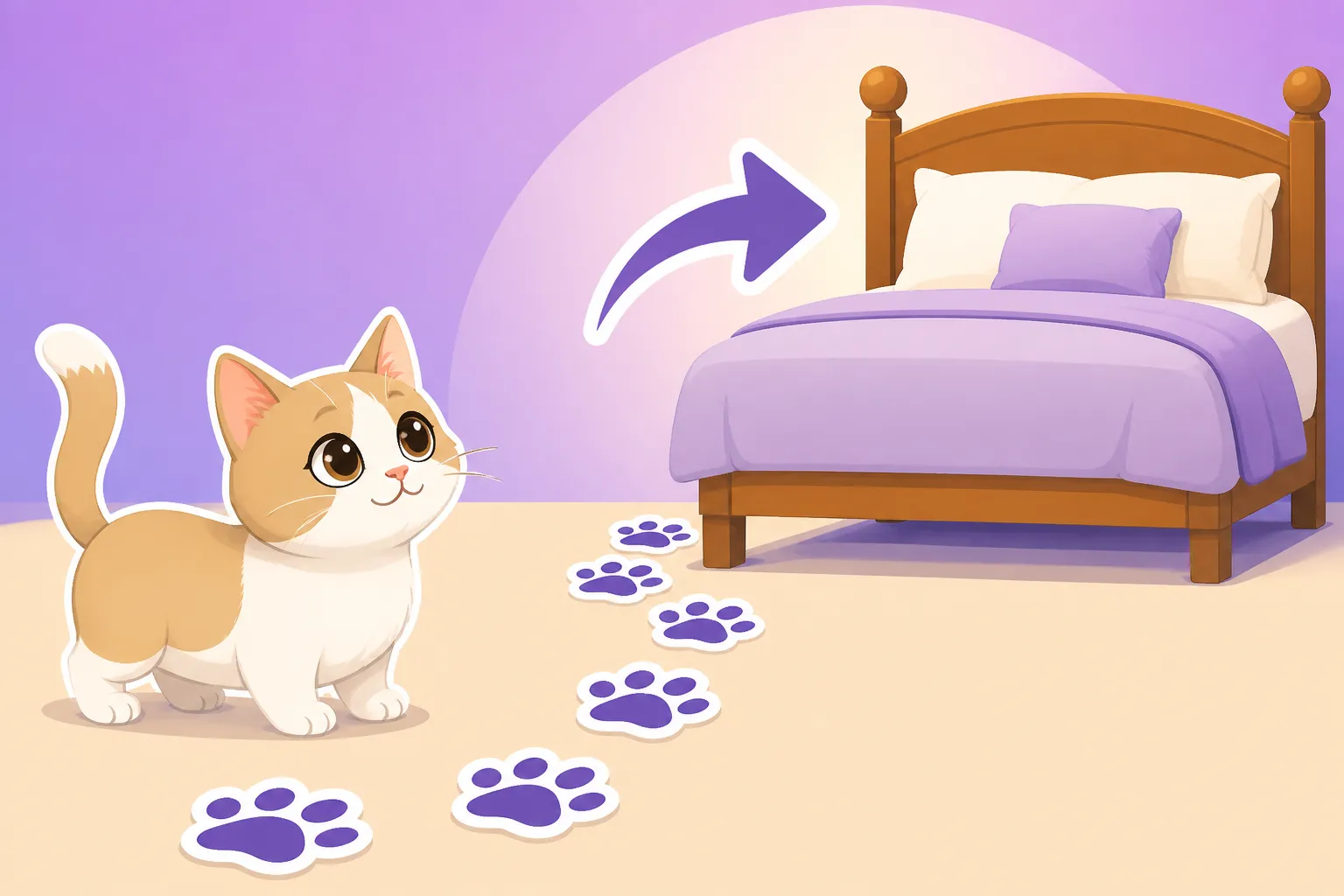
It’s a tale as old as time for many Munchkin cat parents: you’re snuggled up in bed, your adorable short-legged furball is looking up at you with those big, longing eyes, desperately wanting to join you, but the bed seems like Mount Everest to them. The struggle is real, both for their little legs and for your heart when you see them try (and fail) to make the leap. This guide is all about figuring out exactly how to build that safe, gentle path to your bed so your Munchkin can enjoy those cozy moments without risking their precious spine or joint health.
Understanding Your Munchkin's Vertical Limitations (and Desire!)
Let's be honest, Munchkins are just like any other cat in their spirit and their desires. They want to explore, they want to play, and oh, do they want to be right there with you, especially when you're in your favorite cozy spot, like the bed or sofa. The only significant difference is their unique physical structure, which, while endearing, puts some serious limits on their vertical reach. They simply cannot make the same jumps a long-legged cat can, which can be a source of real frustration for them and a concern for us.
Their short legs mean that gravity has a much stronger pull on them when it comes to jumping up. While a domestic shorthair might effortlessly spring onto a kitchen counter, a Munchkin will only get so high, and often with considerable effort. You'll notice they have a distinct way of getting around, often opting for creative climbing routes or simply staying grounded. This isn't laziness; it's pure physics. Understanding this fundamental difference is the first step in creating a safe and enriching environment for them. It’s also crucial to remember that while they can jump to some extent, repeated impacts, especially from landing, can put undue stress on their unique skeletal structure over time. We're aiming for prevention, not just immediate access.
The Physics of a Munchkin's Jump
Imagine trying to jump onto a tall object with very short legs. That's essentially what a Munchkin faces every time they eye your bed. Their short limbs mean they have less leverage and less power generation for an upward thrust. A typical cat uses the powerful extension of their long hind legs to propel themselves upwards, often reaching impressive heights. A Munchkin, on the other hand, might only manage a few inches off the ground, perhaps enough to get onto a low stool, but rarely more than that. The force required for even a modest jump, coupled with the impact of landing, is concentrated differently on their bodies.
This difference in biomechanics is why we, as responsible owners, need to be so mindful of their environment. Each jump, especially a misjudged one or a drop from a height, can transmit shock directly through their spine and joints. Unlike long-legged cats whose skeletal structure is designed to absorb and distribute these forces more effectively, a Munchkin's spine carries a unique load. This isn't to say they are fragile, but it does mean we need to take proactive steps to minimize unnecessary strain. The goal is to provide a lifestyle that allows them to move freely and happily without constantly challenging their physical limitations.
Why Your Munchkin Wants to Be on the Bed
Cats are creatures of comfort, routine, and companionship, and Munchkins are no exception. Your bed isn't just a soft surface; it's often the epicenter of warmth, security, and connection in your home. For a Munchkin, being on the bed means being close to their favorite human, soaking up your scent, and enjoying the elevated view (even if it's not quite a "bird's eye" view for them). It's a prime spot for naps, cuddles, and simply feeling safe and included in your daily life. They thrive on that social interaction, and when you're relaxing, they want to relax right alongside you.
Think about it from their perspective: they see you up there, looking cozy and content, and their natural instinct is to join the "pride." It’s also a warmer spot, away from floor drafts, and provides a sense of security against perceived threats at ground level – even if those "threats" are just dust bunnies or an enthusiastic Roomba. Denying them access can lead to feelings of exclusion or frustration. Our job is to bridge that gap, literally, allowing them to fulfill their feline desires without putting their physical health at risk. It’s about meeting them where they are, both physically and emotionally, and making their world as accessible and comfortable as possible.
Assessing Your Bed's Height and Your Munchkin's Abilities
Before you rush out and buy the first set of pet stairs you see, it’s really important to do a bit of homework. Not all beds are built the same way, and more importantly, not all Munchkins are the same! What works for one cat in one home might not be suitable for another. You need to consider your specific setup and, critically, your individual Munchkin's unique capabilities, age, and any existing health concerns. This isn't a one-size-fits-all situation; it's about tailoring the solution to your beloved pet and your living space. Taking the time to observe and measure now will save you a lot of hassle and potential worry down the line.
Factors like age can play a huge role. A spunky young Munchkin might still attempt small jumps, whereas an older cat might start to stiffen up. If you have an older Munchkin, you should be checking for signs of arthritis and observing At What Age a Munchkin Starts to Stiffen. Similarly, an overweight Munchkin will struggle more and put more strain on its joints. Knowing How to Score a Munchkin's Body Condition is vital for maintaining their overall health, which directly impacts their mobility.
Measuring Your Bed and Existing Furniture
The first step in planning is to get out your measuring tape. You need to know the exact height from your floor to the top of your mattress. Don't just eyeball it! Bed frames, mattress depths, and even mattress toppers can add significant inches. A few inches can mean the difference between two steps and three, or a gentle ramp versus one that's too steep. Start from the floor, measure to the top of the mattress. Write this number down.
Next, take a look around your bedroom. Are there any nightstands, ottomans, or even sturdy boxes that could serve as intermediate steps? Sometimes, a strategically placed piece of furniture can reduce the overall height difference your Munchkin needs to overcome with dedicated steps or a ramp. For instance, if your bed is 28 inches high, but you have a sturdy 14-inch tall ottoman next to it, you only need to bridge a 14-inch gap, which dramatically changes the number of steps required. Just ensure any existing furniture is stable and doesn't wobble when your cat jumps on or off it. We're looking for solutions that prioritize safety and comfort for their little legs.
Observing Your Munchkin's Current Jumping Habits
Your Munchkin can tell you a lot about their current capabilities and comfort level, if you just watch closely. Do they attempt to jump onto the bed already? If so, how successful are they? Do they make it cleanly, or do they struggle, often grabbing at the edge with their front paws and pulling themselves up? Pay attention to how they land as well. A heavy, awkward landing can indicate strain. Why a Munchkin Should Not Be Jumping Down Repeatedly is a crucial consideration, as the downward impact is often more damaging than the upward jump.
Also, look for any signs of hesitation, discomfort, or vocalization when they try to get on or off furniture. A cat that winces, moves stiffly, or seems reluctant after a jump might already be experiencing joint pain. Factors like their age and weight will also influence their agility. A young, lean Munchkin might manage small leaps with more ease than an older, slightly heavier one. Observing these behaviors will give you critical insight into how many steps or how gentle an incline your specific cat needs to feel confident and safe, rather than stressed. It's about empowering them, not pushing their limits.
Determining the Ideal Number and Design of Steps/Ramps
Once you know your bed's height and have a good sense of your Munchkin's current mobility, it's time to think about the actual solution. This isn't just about throwing a few steps down; it's about crafting a safe, comfortable, and intuitive pathway for your furry friend. The key here is gradual ascent and descent. We want to eliminate any stressful jumps and replace them with easy, deliberate movements. You'll find that the "ideal" solution combines the right number of steps with an appropriate height and depth, or a ramp with a gentle, non-slip incline.
The crucial question, of course, is "how many steps does a Munchkin need to reach a bed?" There's no single magic number because every bed and every cat is different, but we can establish some solid guidelines. The goal is always to minimize the individual vertical effort, making each "step" feel less like a jump and more like a simple walk up. This approach safeguards their unique skeletal structure and ensures they can enjoy their elevated spots for years to come.
The "Rule of Thumb" for Step Height
For Munchkin cats, the general rule of thumb for individual step height is to keep each rise no more than 4-6 inches. Any higher than this, and you're asking them to jump rather than simply step up, which defeats the purpose of providing stairs. For very short-legged or older Munchkins, even 4 inches might be ideal, aiming for more steps to spread out the vertical gain. Think about it: a 4-inch step is a manageable lift for their little legs, akin to a small curb. A 10-inch step is a challenge.
Let's put this into practice with some common bed heights:
- For a 15-inch high bed: You might need 3-4 steps, each around 4-5 inches high.
- For a 24-inch high bed: Aim for 4-6 steps, with each step offering a 4-6 inch rise.
- For a 30-inch high bed: This could require 5-7 steps, maintaining that gentle 4-6 inch rise per step.
The key is consistency. You want each step to be the same height to avoid confusion or missteps. Also consider the depth of each step – your Munchkin needs enough surface area to comfortably place all four paws before taking the next step. About 8-10 inches of depth is usually good. This thoughtful design minimizes strain and makes the process of getting onto the bed a simple, stress-free routine. The comfort and safety of How High a Munchkin's First Step Should Be and How Far Apart to Space a Munchkin's Steps are paramount.
Ramps: When and How to Use Them
While steps are great, ramps offer a continuous, joint-friendly incline that many cats, especially those with any stiffness or advanced age, might prefer. The absence of individual "jumps" can be a huge relief on their shoulders and spine. However, ramps come with their own set of considerations, primarily the angle of the incline and the surface material. A ramp that's too steep is just as unhelpful as steps that are too high, as your Munchkin will struggle to get traction and might slip or fall.
Ideally, a Munchkin ramp should have a very gentle slope, no more than 20-25 degrees. Think of a very long, gradual slope rather than a short, sharp climb. The surface is also incredibly important. It needs to be non-slip – carpeted, ribbed, or textured rubber are excellent choices. Smooth, slick surfaces like polished wood or plastic are an absolute no-go, as they offer no grip and can lead to dangerous slips. You also need to ensure the ramp is stable and securely anchored at both ends. It shouldn't wobble or shift when your cat uses it, which could scare them off or cause an injury. Many pet ramps available on sites like Chewy or Amazon come with non-slip surfaces and features to help keep them in place. Getting your Munchkin to accept a ramp might take a little patience, so it's good to know How to Teach a Munchkin to Use a Ramp and understand Why a Munchkin Refuses a Steep Ramp if it's too challenging.
Combining Steps and Ramps for Optimal Access
Sometimes, the perfect solution isn't just steps or just a ramp, but a clever combination of both. Imagine a situation where your bed is quite high, and a single, very long ramp might take up too much floor space in your bedroom. In such cases, you could consider a hybrid approach. For example, a shorter, gentle ramp leading up to a sturdy landing platform, followed by a couple of low steps to reach the final bed height. This can break up the ascent into manageable segments, making it less daunting for your Munchkin.
Custom solutions can also be fantastic, especially if you're a bit handy! You could build a small set of wooden steps with a carpeted surface, for example, or even adapt existing furniture. Foam pet steps are another popular option, often lightweight and easy to move, and many come with washable covers. The key is to think about the entire journey from the floor to the top of the bed. Is there a smooth, uninterrupted path? Are there any tricky gaps or unstable surfaces? By combining elements or thinking outside the box, you can create a truly tailored solution that perfectly fits your home and your Munchkin's needs.
Here's a quick guide to help you visualize:
| Bed Height (inches) | Recommended Single Step Height (inches) | Approximate Number of Steps | Recommended Access Type | Key Considerations |
|---|---|---|---|---|
| 15-20 | 4-5 | 3-4 | Steps or short, gentle ramp | Ensure stability and non-slip surface. Good for younger, agile Munchkins. |
| 21-25 | 4-5 | 4-5 | Steps or gentle ramp | Most common bed height range. Steps should have good depth (8-10 inches). |
| 26-30 | 4-5 | 5-7 | Gentle ramp or multiple steps with landing | Consider a longer ramp for older cats or those with early arthritis. Landing platform can break up the climb. |
| 30+ | 4-5 | 7+ | Long, very gentle ramp or multi-level steps | Custom solutions often work best here. A combination of a ramp leading to a small platform, then steps, can be ideal to manage length. Ensure ample space for the ramp's footprint. |
Practical Considerations and Placement
Once you've decided on the type of steps or ramp, the real work begins: setting it up in a way that’s safe, effective, and inviting for your Munchkin. It’s not enough to just buy the right equipment; you have to integrate it seamlessly into your home and your cat’s daily routine. Think about where your Munchkin naturally approaches the bed. Placing the ramp or steps there will make it much more likely they’ll use it. Also, ensuring stability is paramount – a wobbly set of steps is not only dangerous but will quickly deter your cat from using it. Finally, a little bit of patience and positive reinforcement can go a long way in training them to use their new pathway.
Remember, this is an investment in your Munchkin's long-term health and happiness. Taking the time to consider these practical elements will ensure that your chosen solution is a success. This isn't just about providing access; it's about providing safe access that they'll actually use and trust.
Strategic Placement and Stability
The placement of your steps or ramp is just as important as the design itself. Observe your Munchkin: from which side of the bed do they usually try to get up? That's your prime real estate for their new access point. Placing it where they naturally approach will make them much more likely to use it, rather than trying to find an alternative, more dangerous route. If your bed is against a wall, you might only have one or two viable sides, so choose the one that offers the most direct and unobstructed path.
Stability is non-negotiable. Wobbly pet stairs or a ramp that slides on a slick floor are not just annoying; they are a hazard. Look for models with a wide, solid base or rubberized feet to prevent slipping. If your floors are particularly slick (like hardwood or tile), consider placing a non-slip mat or rug underneath the steps or ramp for added grip. For ramps, the top edge should ideally hook or securely rest against the bed frame or mattress to prevent it from shifting while your cat is on it. Companies like Amazon and Chewy offer various options designed with stability in mind, often with anti-slip pads or carpeted surfaces. Ensuring How to Anchor a Ramp So a Munchkin Trusts It is critical for their confidence and safety.
Encouraging Use and Training
Don't expect your Munchkin to instantly understand or embrace their new pathway to the bed. Cats are creatures of habit and can be wary of new things. Patience and positive reinforcement are your best friends here. Start by simply placing the steps or ramp where you intend them to be and let your cat explore them on their own terms. Avoid forcing them onto the steps; this can create a negative association.
Instead, use enticing treats or their favorite toys to gently guide them up and down the steps. Place a small treat on the first step, then the next, and so on. Many cats are highly motivated by food, and a delicious freeze-dried salmon treat can be a powerful incentive. Praise them enthusiastically when they take a step or even just investigate the new structure. You can also place their favorite blanket or a toy on the bed near the top of the steps to make the destination more appealing. Consistency is key; make it part of your routine. Every time you invite them onto the bed, gently guide them to the steps. Eventually, they’ll associate the steps with reaching their cozy spot with you. Teaching them to respond to cues, like Teaching a Munchkin to Come When It Is Time to Be Lifted, can also be adapted to guide them to the ramp or steps.
Maintenance and Longevity of Your Solution
Just like any other piece of pet equipment, steps and ramps require a little bit of ongoing care to ensure they remain safe and functional. Regularly check the steps or ramp for any signs of wear and tear. Are the carpeted surfaces fraying? Is there any wobbling that has developed over time? Are the non-slip pads still effective? Addressing these issues promptly can prevent accidents and extend the life of your investment. For fabric-covered steps, ensure the covers are washable to keep them clean and hygienic, especially since Munchkins' lower bodies can pick up more from the floor and litter box.
As your Munchkin ages, their mobility might change. What was a perfectly manageable set of steps for a young cat might become too challenging for a senior kitty with arthritis. Caring for an Old Munchkin That Has Stopped Climbing means you might need to adjust your setup, perhaps opting for an even gentler ramp or adding more low-rise steps. Consider their evolving needs. This proactive approach ensures that your beloved Munchkin always has a safe and comfortable way to reach their favorite spots, staying happy and close to you throughout their life.
Disclaimer
This article is for general informational purposes only and does not constitute professional advice. Laws, prices and regulations vary by location and change over time. Consult a qualified professional for guidance on your specific situation.