When a Munchkin’s Low Belly Forces a Bath
It’s a scenario many Munchkin cat parents have faced: you’re going about your day, and suddenly you catch a whiff of something… not-so-fresh. You look down, and there’s your adorable short-legged companion, a bit grimy around the belly or hindquarters, perhaps even with some matted fur. Because of their unique physique, a Munchkin's low-slung body can often lead to hygiene challenges that necessitate more than just a quick wipe. This guide will walk you through understanding why their belly gets dirty, how to tell when a bath is truly needed, and how to safely navigate the process.
Understanding the Unique Challenge of a Munchkin's Low Belly
Living with a Munchkin cat is an absolute joy, filled with their quirky antics and loving personalities. But let's be real, their adorable short stature comes with a few practical considerations that regular-legged cats don't typically encounter. One of the biggest challenges often revolves around their hygiene, specifically how their low belly interacts with the world around them.
Why a Munchkin's Belly Sits So Close to the Ground
The defining characteristic of a Munchkin cat is, of course, their short legs. This isn't just a cute aesthetic; it's a direct result of a naturally occurring genetic mutation that affects the long bones of their limbs, making them significantly shorter than those of other domestic cats. While their spine and body length remain perfectly normal, those abbreviated legs mean their torso rides much lower to the ground. This creates a kind of "low-rider" effect, where their belly and chest are in constant proximity to whatever surface they're walking or lying on. It’s why you’ll often hear us talk about Why a Munchkin's Belly Nearly Touches the Floor – it’s not an exaggeration, it’s just their physical reality.
Think about it from their perspective. A standard cat has a good few inches of clearance, allowing their undercarriage to mostly avoid contact with the floor, litter, or outdoor elements. A Munchkin, however, has minimal clearance. Every step they take, every time they lie down, their belly, chest, and often their hindquarters are sweeping or rubbing against surfaces. This isn't just an occasional brush; it's a continuous, unavoidable interaction that sets the stage for unique grooming challenges.
Common Hygiene Issues Stemming from a Low-Slung Body
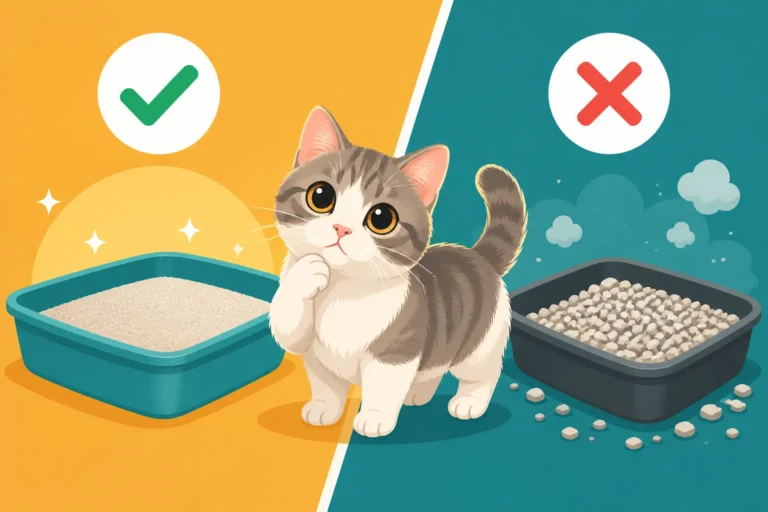
Given their low profile, it's not surprising that Munchkins tend to pick up more "souvenirs" on their underside than their long-legged cousins. The most frequent culprits are, unsurprisingly, litter and food. When they step out of the litter box, especially if it's a traditional high-sided one, tiny particles can cling to their fur, particularly around their hindquarters and lower belly. Even with a low-entry box, the act of squatting and covering can lead to some cling-ons. This is further exacerbated if the litter itself is a finer, dustier variety.
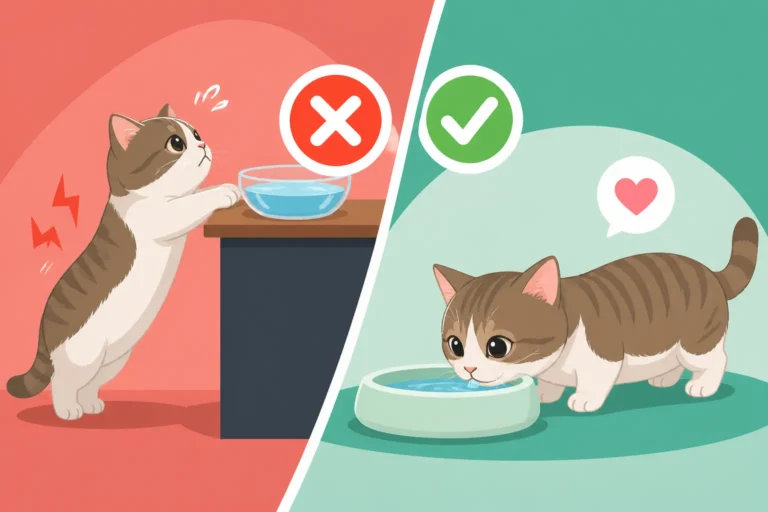
Beyond the litter box, mealtime can also be an adventure in mess. While a Munchkin’s food bowls can and should be raised to ease strain on their shoulders, sometimes they still manage to get food on their chest or chin, which then transfers to their front legs and belly as they move. Water can also be a culprit, leading to damp, stained fur. And let's not forget general household dust, dirt, or anything else that might be on your floors. These tiny particles become embedded in their fur, creating a grimy layer that's hard for them to reach.
This brings us to another critical point: a Munchkin's ability to self-groom is significantly hampered by their short legs. While they are meticulous groomers by nature, the simple physics of their body shape makes it almost impossible for them to properly clean their lower abdomen, perineal area, and the backs of their thighs. They can twist and turn all they want, but those short limbs just don't offer the reach needed to do a thorough job. It’s a frustrating reality for them, and for us, as we watch them try to clean Which Parts of Itself a Munchkin Cannot Reach. This inability to self-clean these crucial areas means that any accumulated grime, litter, or food debris tends to stick around, potentially leading to matting, skin irritation, and unpleasant odors.
Recognizing When a Bath Becomes Necessary
Knowing when your Munchkin truly needs a bath, rather than just a quick spot clean, is key. It’s not something most cats enjoy, so we want to be sure it’s a necessary intervention for their health and comfort. You’ll become quite attuned to the subtle (and sometimes not-so-subtle) cues your furry friend provides.
Signs Your Munchkin Needs More Than a Spot Clean
A spot clean, usually with a damp cloth or a pet wipe, is often sufficient for minor messes like a bit of litter dust or a small food smudge. However, there are definite indicators that the situation calls for a more thorough cleaning – a full bath.
One of the most obvious signs is a persistent, unpleasant odor emanating from their underside. This isn't just the natural cat smell; it's often a stronger, sour, or dirty scent that lingers even after wiping. This usually indicates that waste materials or food residues have accumulated and are starting to ferment or cause bacterial growth on the skin or fur.
Another clear sign is visible, stubborn grime that simply won't come off with brushing or wiping. We're talking about discolored fur, often yellowish or brownish, especially around the perineal area and the insides of the back legs. Sometimes, it’s a sticky residue from spilled food or something they’ve rolled in. If you can feel a greasy texture, or if the fur looks clumpy and dull, it’s likely too much for surface cleaning.
Matting is a significant concern for Munchkins, particularly in areas they can't reach, like their hindquarters, armpits, and belly. These mats can start as small tangles and quickly grow into dense, painful clumps that pull on the skin. How Skin Problems Start Under a Munchkin's Mats is a very real issue; mats trap moisture, dirt, and parasites, leading to skin irritation, infections, and even open sores. If you find multiple mats or large, tight ones, a bath might be necessary to help loosen them before careful removal, or to reveal irritated skin underneath that needs attention.
Finally, skin irritation or redness uncovered by diligent grooming can also be a cue. Sometimes, when a cat can’t clean itself properly, the constant contact with soiled fur can cause inflammation or even minor infections. If you notice your Munchkin scratching or licking excessively at their belly or rear, or if you part the fur and see red, angry skin, a bath with a soothing, veterinarian-approved shampoo might be recommended to clean the area thoroughly and prepare it for any topical treatments.
When to Consider Professional Grooming Versus a Home Bath
Deciding whether to tackle the bath yourself or enlist the help of a professional groomer can be a tough call, and it really depends on a few factors: the severity of the mess, your cat's temperament, and your own comfort level and experience.
For minor to moderate messes, or if your Munchkin is generally tolerant of being handled and isn't prone to extreme stress, a home bath is often manageable. You know your cat best – if they're typically calm and don't turn into a furry, clawed tornado at the sight of water, then giving them a bath at home might be the most comfortable option for them. It allows you to control the environment, use familiar scents, and keep the process as gentle as possible.
However, there are definite times when a professional groomer is the wiser choice. If your Munchkin has severe matting that you can't untangle with gentle brushing, trying to bathe them at home could make the mats even tighter and more painful. Professional groomers have specialized tools and techniques to safely remove mats, often requiring clipping. They're also skilled at handling fractious or anxious cats, minimizing stress for both you and your pet. It’s a specialized skill to know How Much a Groomer Charges to Clip a Munchkin's Rear for a reason – it takes expertise to do it safely.
Another instance for professional help is if your Munchkin is highly aggressive or extremely fearful of water or being handled. Forcing a bath on a cat that is terrified can be dangerous for both of you and can create a lasting negative association with grooming. A professional groomer might have a quiet, dedicated space, experience with calming techniques, or even access to vet-recommended sedatives in conjunction with a vet. If you have any concerns about your Munchkin's health, particularly if they have underlying conditions that might be exacerbated by stress or a bath, it’s always best to consult with your veterinarian before attempting a home bath. They can advise on the safest approach, whether it's a home bath, a professional groomer, or even a sedative if truly necessary.
| Sign of Needing a Bath | Routine Hygiene Maintenance |
|---|---|
| Persistent, foul odor from underside | Daily spot cleaning with pet wipes |
| Visible, sticky, or stubborn grime | Regular brushing of accessible areas |
| Matted fur on belly or hindquarters | Sanitary clips by owner or groomer |
| Redness or irritation on the skin | Low-entry litter boxes & clean litter |
| Dull, clumpy, or greasy looking fur | Raised food/water bowls |
| Excessive licking/scratching at rear | Managing diet and weight carefully |
Preparing for and Executing a Safe Munchkin Bath
Okay, so you've assessed the situation, and it's clear: your sweet Munchkin needs a bath. Don't panic! With a little preparation and the right approach, you can make the experience as calm and stress-free as possible for both of you. Remember, a calm owner often leads to a calmer cat.
Gathering the Right Supplies for a Stress-Free Bath
Preparation is half the battle when it comes to bathing a cat, especially a Munchkin with unique physical needs. You want everything within arm's reach before the water even starts running.
First and foremost, choose a cat-specific shampoo. Never use human shampoo, as it can be too harsh for a cat's delicate skin and fur, potentially causing irritation or allergic reactions. Look for gentle, hypoallergenic, or soothing formulas. Many pet supply stores, like Chewy, offer a wide selection of appropriate shampoos. You might even consider one that's specifically formulated for sensitive skin or to help with shedding, depending on your Munchkin's coat type.
Next, you'll need plenty of towels. Have at least two or three large, absorbent towels ready. One can go at the bottom of the sink or tub to provide a non-slip surface, which is crucial for making your Munchkin feel secure. The others will be for drying. Speaking of non-slip, a rubber mat or even a washcloth placed in the basin can make a huge difference in your cat's comfort and confidence.
Consider your bathing area. A utility sink, a large laundry sink, or even a small plastic basin within your bathtub can work well. The goal is to avoid filling a huge bathtub, which can be overwhelming. The water itself should be lukewarm, testing it on your wrist just as you would for a baby. It should be comfortable, not hot or cold.
Finally, think about safety and rewards. A treat stash is a must-have for after the ordeal, to create a positive association. You might also want a soft brush or comb for pre-bath detangling, and definitely a pair of grooming gloves for yourself to protect against scratches. If you have a longhaired Munchkin, a detangling spray can be helpful.
Step-by-Step Guide to Bathing Your Low-Bellied Munchkin
Once your supplies are gathered and your bathing station is set, it's time to gently introduce your Munchkin to the water.
- Pre-Bath Grooming: Before any water touches them, give your Munchkin a thorough brush. This helps to remove loose fur and, more importantly, can help loosen any minor mats. For longhaired Munchkins, this step is absolutely critical. If you encounter any tight mats that brushing can't handle, it's best to carefully snip them out with blunt-nosed scissors before the bath, or consider a professional groomer. Water will only make tight mats worse.
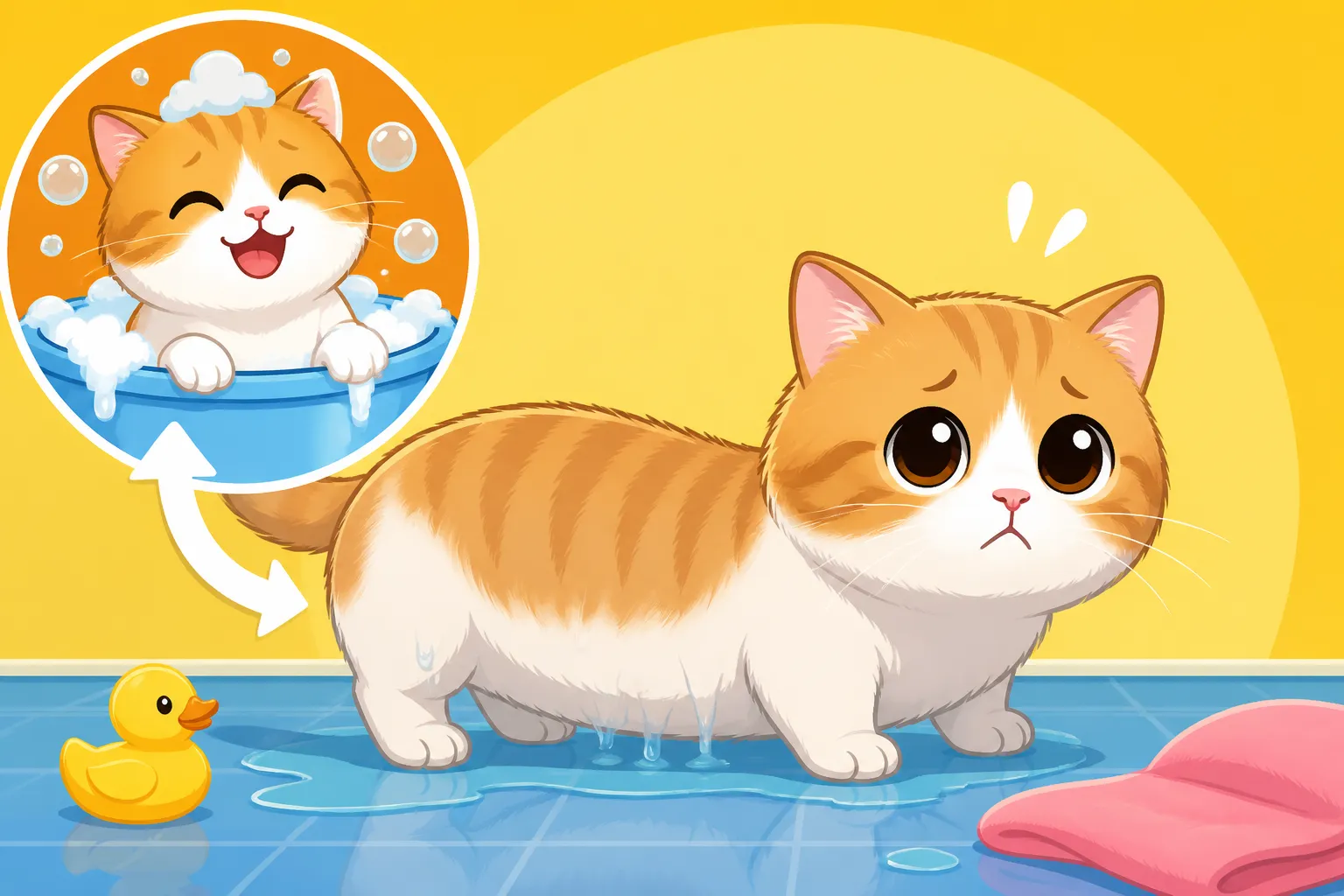
- The Gentle Introduction: Place your Munchkin into the prepared basin or sink. Start by gently wetting them using a small cup or a handheld shower attachment on a very low setting. Focus on their body, avoiding their face and ears. Remember that for a Munchkin, their low belly means you'll be focusing much of your attention here, as well as their hindquarters, which are often the dirtiest. Try to keep one hand on them at all times to reassure them and prevent any sudden jumps.
- Shampoo Application: Apply a small amount of cat shampoo, working it gently into a lather, particularly around their belly, chest, and hindquarters. Be mindful not to scrub aggressively; gentle massaging is all that's needed. Pay extra attention to any visibly dirty or smelly areas. Keep the shampoo away from their eyes, nose, and mouth.
- Thorough Rinsing: This is perhaps the most important part. Rinse, rinse, and rinse again! Any residual shampoo left on their skin can cause irritation or dry skin, which is the last thing you want. Use lukewarm water and continue until the water runs clear and you can no longer feel any slipperiness in their fur. Again, be very careful around their face and ears. You'll want to take care to ensure you are rinsing How to Bathe a Munchkin Without Straining Its Back – keeping them supported and in a natural position.
- Initial Drying: Once rinsed, gently lift your Munchkin out of the water and immediately wrap them in a clean, dry towel. Blot, don't rub, to absorb as much water as possible. Rubbing can create tangles and stress their delicate fur. They might shiver, which is normal, so getting them dry quickly is important.
- Full Drying and Warmth: After the initial towel dry, move to a warm, draft-free room. You can use a second dry towel to continue blotting. Some cats tolerate a low-heat, low-speed hairdryer, held at a safe distance, but many do not. If your Munchkin is not comfortable with a hairdryer, stick to towel drying. The goal is to get them as dry as possible to prevent chilling and potential skin issues from damp fur, especially in those hard-to-reach underbelly areas. Remember, you want to ensure you know How to Dry a Munchkin Without Standing It Up, keeping them comfortable and safe. Keep them warm and cozy until they are completely dry. Offer them those well-deserved treats!
Maintaining Hygiene Between Baths
While a bath is sometimes unavoidable, your goal should be to minimize its frequency. Consistent routine hygiene can drastically reduce the need for full dips.
Regular Brushing: This is your first line of defense. Daily or every-other-day brushing, even for shorthaired Munchkins, can prevent mats from forming and remove loose fur, dirt, and debris before it becomes embedded. For longhaired Munchkins, daily brushing is non-negotiable, with particular focus on their hindquarters and belly. How Often a Longhaired Munchkin's Back Half Needs Brushing really dictates how much you'll be fighting mats.
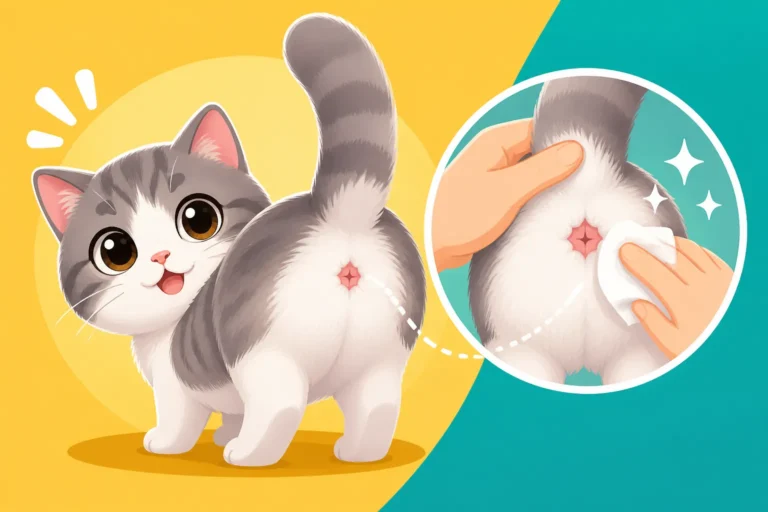
Spot Cleaning with Wipes: Keep a supply of pet-safe grooming wipes (available on Amazon) handy for quick clean-ups. These are excellent for wiping down their belly after they've been in the litter box, or cleaning up any food or water drips. Make this a positive experience with praise and occasional treats.
Sanitary Clips: This is a game-changer, especially for longhaired Munchkins or those prone to accumulating mess around their rear. A sanitary clip involves carefully trimming the fur around their perineal area and the backs of their thighs to a shorter length. This prevents feces and litter from clinging to the fur and greatly reduces matting. You can learn to do this carefully at home with blunt-nosed clippers, or have a professional groomer do it. Many owners find it an essential part of their routine, asking Whether a Munchkin Needs a Sanitary Clip.
By combining these proactive measures, you can keep your Munchkin's coat clean and healthy, making those occasional necessary baths much less frequent and hopefully, a bit less dramatic!
Important Considerations for a Munchkin's Long-Term Well-being
Beyond the immediate task of bathing, understanding the broader implications of a Munchkin's unique anatomy for their long-term health and hygiene is crucial. It’s not just about cleaning them when they're dirty, but about creating an environment and routine that supports their specific needs, minimizing the very situations that necessitate a bath.
Adapting Your Home Environment to Minimize Mess
The best defense against a dirty Munchkin belly is a proactive offense through environmental adaptation. Since their low stature is the root cause of many hygiene challenges, making their world more accessible and cleaner is paramount.
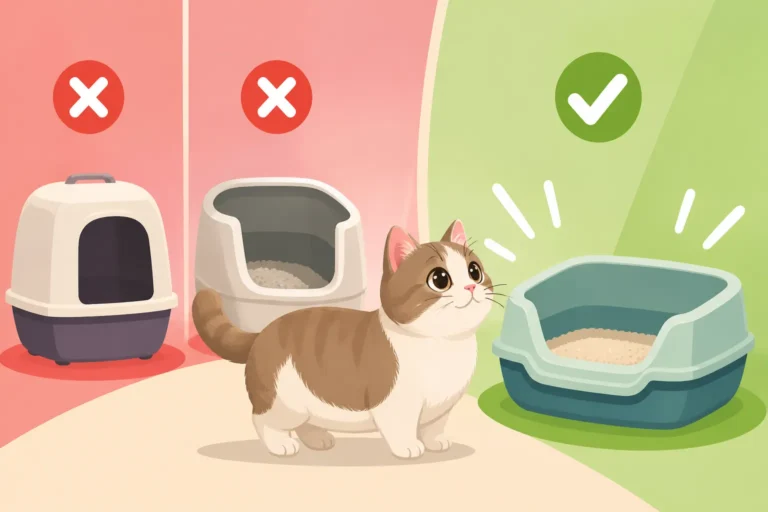
The single most impactful change you can make is to provide low-entry litter boxes. Traditional litter boxes often have high sides that a Munchkin has to "climb" over, dragging their belly and hindquarters across the rim and scattering litter as they go. A box with an entry point no more than a couple of inches high allows them to simply walk in and out, significantly reducing the amount of litter clinging to their fur. There are many commercially available senior cat litter boxes that are perfect for Munchkins, or you can even modify a plastic storage bin by cutting a low entrance. Ensuring your Munchkin can easily use Which Litter Box a Munchkin Can Actually Enter will save you countless clean-ups. You also want to consider the type of litter; a low-dust, larger granule litter might be less likely to cling to their fur than very fine, dusty varieties.
Next, consider their feeding and watering stations. While we often recommend raised bowls to ease strain on their shoulders while eating, you still need to be mindful of drips and spills. Placing a placemat or a silicone mat under their bowls can catch any stray kibble or water, preventing it from ending up on the floor for their belly to sweep up later. This ensures Why a Munchkin's Food and Water Belong at Floor Level or at an accessible height is also clean.
Finally, think about your flooring. While you don't need to rip up your entire house, understanding that carpet can trap dirt and debris more easily than hard floors, which are simpler to wipe clean, is helpful. If you have carpet, regular vacuuming is even more essential. For hard floors, consider adding rugs in high-traffic areas where your Munchkin spends a lot of time, not just for traction but also to provide a cleaner, softer surface for their low belly.
The Role of Diet and Weight Management in Hygiene
It might not seem immediately obvious, but your Munchkin's diet and weight play a surprisingly large role in their overall hygiene and the likelihood of needing a bath. This ties directly into their unique physical structure and the implications it has for their health.
An appropriate diet provides the right nutrients for healthy skin and coat. A shiny, healthy coat is less prone to matting and less likely to accumulate dirt than a dry, brittle one. High-quality cat food, whether it's dry kibble, wet food, or carefully formulated fresh food, can contribute to a robust coat that's easier to keep clean and less prone to attracting debris. Discussing diet with your vet to ensure it meets your Munchkin's specific needs, especially if they have sensitive skin or a tendency towards matting, is always a good idea.
More critically, weight management is absolutely vital for a Munchkin cat, arguably even more so than for a normal-legged cat. Because their legs are short, any excess weight they carry puts disproportionate strain on their spine and joints. But beyond that, an overweight Munchkin's belly will hang even lower, increasing the surface area that drags along the floor and making them even more prone to collecting grime. It also makes it even harder for them to reach those already inaccessible areas for grooming.
Overweight Munchkins struggle more with mobility, making it harder to get in and out of litter boxes cleanly, potentially leading to more accidents outside the box or persistent soiling. They also have less flexibility to twist and turn for self-grooming. This is why Why Weight Control Is the Whole Munchkin Care Plan for their general health also extends to their hygiene. Every extra gram truly lands on Why Every Extra Gram Lands on a Munchkin's Spine, but it also makes their bellies bigger, lower, and harder to keep clean. Regularly weighing your Munchkin and consulting with your vet about their ideal body condition score and diet are essential practices to ensure they stay nimble, healthy, and as self-sufficient in their grooming as their unique body allows.
Disclaimer
This article is for general informational purposes only and does not constitute professional advice. Laws, prices and regulations vary by location and change over time. Consult a qualified professional for guidance on your specific situation.