Which Clippers Suit a Munchkin’s Short Forelegs
If you're a proud Munchkin parent, you know that while their adorable short legs are incredibly charming, they can sometimes present a unique set of challenges in daily care. One of those common sticking points? Nail trimming. Trying to get a good angle, avoid twisting those precious little limbs, and ensure a clean, quick clip without causing stress to your furbaby (or yourself!) can feel like a genuine wrestling match. This guide is all about helping you navigate the world of Munchkin claw care, breaking down why certain clippers work better than others and how to make the experience as smooth as possible for both of you.
The Unique Challenges of Trimming a Munchkin's Claws
Let's be real, trimming a cat's claws isn't usually listed as "fun" on anyone's chore chart, but with a Munchkin, it often comes with an extra layer of difficulty. Their distinct anatomy, while endearing, means we need to approach routine tasks like nail care with a little more thought and consideration. It's not just about getting the job done; it's about doing it safely and comfortably for them.
Why Short Legs Make Nail Trimming Tricky
The most obvious hurdle, of course, is those short legs! A Munchkin's legs are shorter than an average cat's, but their body length is typically normal. This means when they lie down or sit, their paws are naturally closer to the ground and their legs are often held at different angles. This can make it surprisingly awkward to grasp a paw and extend a digit for a clean clip. You might find yourself bending at uncomfortable angles, trying to contort your own body to reach their nails without putting undue pressure on them. It’s like trying to get under a low-slung piece of furniture with a broom that’s just a tad too long – frustrating for everyone involved. The key is to find tools that accommodate this unique conformation. How Short a Munchkin's Legs Actually Are gives more insight into their unique dimensions.
The Risk of Incorrect Positioning and Spinal Strain
Beyond the sheer awkwardness, there's a real concern about your Munchkin's comfort and health. Incorrect positioning during nail trims can inadvertently put strain on their spine and joints, particularly their shoulders and elbows. Because their legs are short, their spine already carries a load that a normal cat's does not, and twisting or forcing them into unnatural positions can exacerbate this. Imagine trying to trim your own nails while someone holds your arm at a strange, uncomfortable angle – it’s stressful and potentially painful. When trimming your Munchkin’s nails, you want to avoid anything that causes them to stiffen or struggle because it might mean you're putting pressure on a sensitive area. This is especially true for their front legs, which bear a significant amount of weight and impact during their daily activities, as we explore in Why a Munchkin's Elbows Take the Landing. We want to make sure we're not adding to that burden during a routine trim.
Dealing with a Skittish Munchkin and Limited Reach
Some cats are naturally more tolerant of nail trims than others, but even a usually calm Munchkin can become stressed if they feel uncomfortable or constrained. When you're struggling to reach their nails properly, the process takes longer, and your cat picks up on your tension. A skittish Munchkin might pull away, try to bite, or simply refuse to cooperate, making the task even harder. Their limited reach, both for grooming themselves and for moving away from perceived threats, means they rely heavily on you for their comfort and safety. If they can’t easily adjust their position or get away from an uncomfortable hold, their anxiety can escalate quickly. It’s a delicate dance, and finding clippers that allow for quick, efficient, and gentle trimming can make all the difference in keeping the peace. It's worth remembering that How to Get a Munchkin Used to Being Handled can really help lay the groundwork for easier grooming sessions.
Essential Features for Munchkin-Friendly Clippers
When you head to the pet store or browse online, the sheer variety of cat nail clippers can be overwhelming. For Munchkin owners, it’s not just about grabbing the first pair you see. We need to be a bit more discerning. Thinking about the unique anatomy of your short-legged friend means prioritizing certain features that will make the job safer and less stressful for everyone involved.
Prioritizing Ergonomics and a Secure Grip
First and foremost, you need clippers that feel good in your hand. This might sound obvious, but when you're trying to precisely snip a tiny nail on a wriggling cat, hand fatigue or a clumsy grip can lead to mistakes. Look for clippers with ergonomic handles – soft, non-slip grips that fit comfortably in your palm. This allows for a steady, confident hold, which translates directly to more precise cuts. If your hand is slipping or cramping, you're more likely to hesitate or misjudge an angle. A secure grip also means you don't have to squeeze as hard, reducing strain on your own hands while giving you better control over the blades. Whether you're shopping on Chewy or browsing options on Amazon, pay close attention to reviews that mention ease of use and grip comfort, as these are often overlooked but crucial details.
Blade Type and Sharpness for Clean Cuts
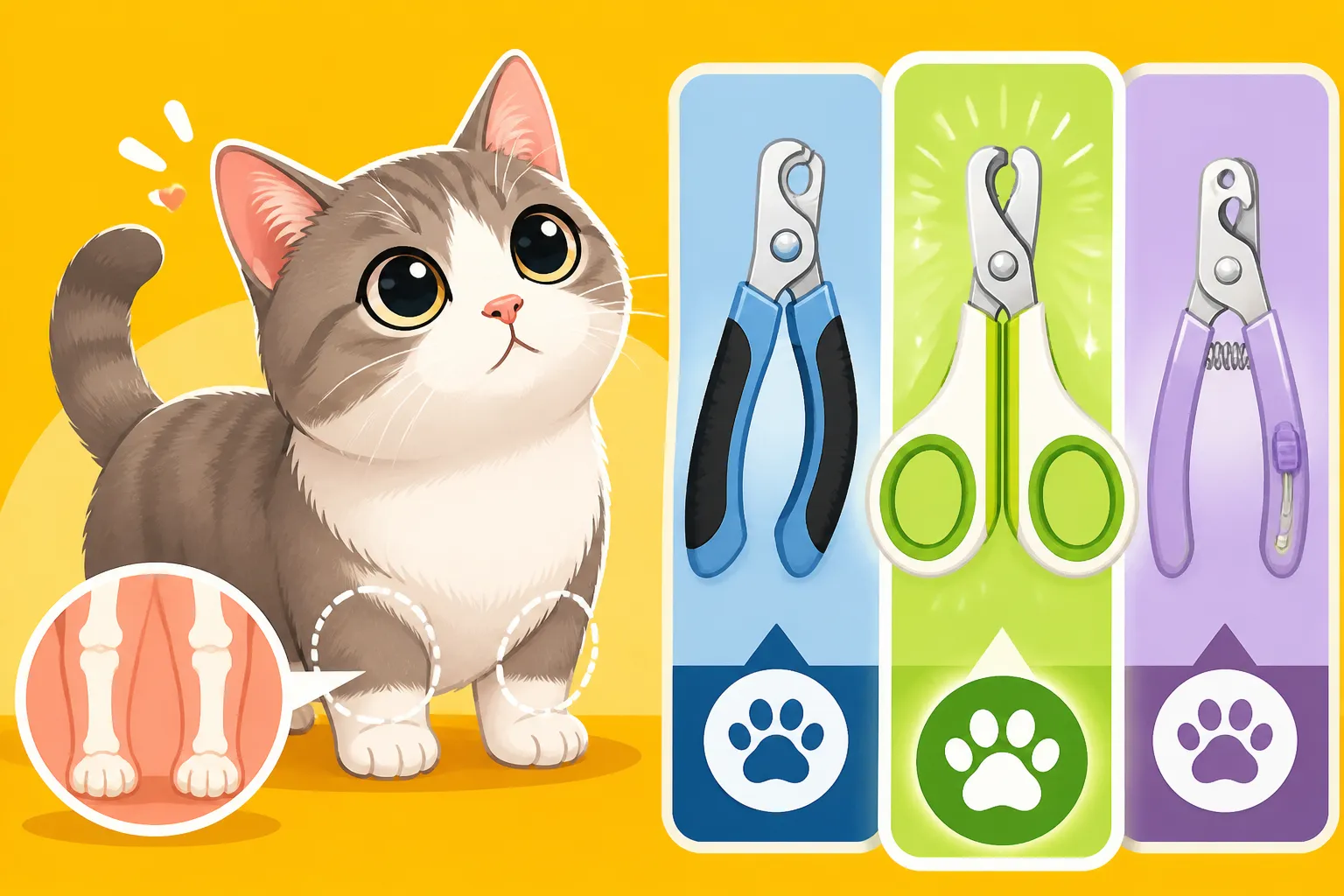
The blades are, of course, the heart of any clipper. For a Munchkin, you want blades that are razor-sharp and designed for a clean, swift cut. Dull blades will crush the nail rather than cut it, which can be painful, splinter the nail, and make your cat averse to future trims. There are generally two main blade styles for cat clippers: scissor-style and guillotine-style.
- Scissor-style clippers: These resemble small scissors with curved blades. They offer excellent visibility of the nail and the quick (the pink part containing nerves and blood vessels). This visibility is crucial when working with Munchkins, as their paws might be at awkward angles, making it harder to see precisely where you're cutting. They often allow for a more controlled, precise snipping motion.
- Guillotine-style clippers: These have a small hole you insert the nail into, then squeeze a handle to bring a blade down. While effective, they can sometimes obscure the view of the quick, which requires more caution. We'll talk more about these in the next section, but for precision and visibility, especially with a Munchkin's unique paw presentation, sharp scissor-style blades are often preferred.
Regardless of style, ensure the blades are made from high-quality stainless steel to maintain sharpness over time.
Safety Features to Prevent Over-Cutting
No one wants to hurt their cat during a nail trim. Over-cutting into the quick is painful and can cause bleeding, turning a necessary grooming task into a traumatic experience. Look for clippers that incorporate safety features:
- Quick guards: Some scissor-style clippers come with a small, adjustable guard that helps prevent you from cutting too far. While these can be helpful, remember they are not foolproof and you should always visually inspect the nail and quick before cutting.
- LED lights: Certain clippers feature a small LED light that illuminates the nail, making the quick more visible. This can be a game-changer, especially for cats with darker nails where the quick is harder to spot. When you're trying to trim a Munchkin's claw at an unusual angle, that extra bit of visibility can dramatically increase your confidence and the safety of the trim.
- Non-slip grip: As mentioned, a good grip isn't just for comfort; it prevents accidental slips that could lead to over-cutting.
Ultimately, the best safety feature is your careful attention and knowing how to properly Trimming a Munchkin's Claws Without Twisting Its Legs.
Types of Clippers Best Suited for Munchkins
So, with the challenges and essential features in mind, let's dive into the specific types of clippers you might consider for your Munchkin. Each has its pros and cons, and what works best can often come down to personal preference and your cat's temperament.
Scissor-Style Clippers for Precision
Scissor-style clippers are often the go-to recommendation for cats, and they're particularly well-suited for Munchkins. Think of them as miniature, heavy-duty scissors with curved or angled blades designed to fit the natural curve of a cat's nail.
Pros:
- Excellent Visibility: This is their biggest advantage. You can clearly see the nail and the quick as you position the blades, allowing for very precise control over how much nail you're removing. This is invaluable when dealing with a Munchkin whose paws might be held in a less-than-ideal position.
- Ease of Use: Many people find the scissor-like action intuitive and easy to control, similar to using regular scissors.
- Less Intimidating: For some cats (and owners!), the appearance of scissor-style clippers can feel less daunting than the guillotine type.
- Variety of Sizes: You can find these in various sizes, making it easier to select a pair that fits both your hand and your Munchkin's paw size. Brands like Safari and Shiny Pet offer popular, affordable options often found on Chewy or Amazon.
Cons:
- Requires Hand Strength: While generally easy to use, they do require a decent amount of hand strength for a clean, quick cut, especially if the blades aren't super sharp.
- Blade Alignment: Ensuring the blades are perfectly aligned with the nail for a straight cut can take a little practice.
Best for: Most Munchkin owners, especially those who prioritize visibility and control. They're excellent for routine trims and for cats who might be a bit squirmy, as you can get in and out quickly with accuracy.
Guillotine Clippers: A Cautious Approach
Guillotine clippers operate with a stationary ring that the nail passes through, and a moving blade that slices it off when the handles are squeezed. They have a loyal following among some cat owners, but for Munchkins, they require extra care.
Pros:
- Very Sharp Cut: When used correctly and with sharp blades, they provide a very clean and quick cut, often with less chance of splintering.
- Good for Thick Nails: If your Munchkin happens to have unusually thick nails (which isn't common but can occur), a guillotine clipper can sometimes handle them with less effort.
Cons:
- Limited Visibility: This is the major drawback, especially for Munchkins. The design means you insert the nail into a hole, which can obscure your view of the quick. This significantly increases the risk of cutting too far if you're not absolutely confident in your angle and placement.
- Awkward Angles: Trying to maneuver a Munchkin's paw and get the nail into the small hole of a guillotine clipper can be more challenging due to their short legs and how their paws naturally rest.
- Can Be Intimidating: For some cats, the "snapping" action can be more startling than the scissor-style.
Best for: Experienced owners who are very comfortable with their Munchkin's nails and know exactly where the quick is, or for cats that are exceptionally calm and allow for perfect positioning without fuss. For many Munchkin parents, the lack of visibility makes them a less ideal choice for the forelegs.
Rotary Grinders: A Gentler Alternative
Nail grinders, or rotary tools, don't clip the nail but rather file it down using a rotating abrasive head. These can be an excellent alternative, particularly if your Munchkin is extremely averse to traditional clippers or you're nervous about cutting the quick.
Pros:
- No Risk of Cutting the Quick: This is the biggest draw. You slowly file the nail down, giving you full control and eliminating the risk of accidental over-cutting.
- Smooth Finish: Grinders leave a very smooth nail edge, which can be nicer for you (less scratching!) and your cat.
- Less Stressful for Some Cats: The vibration and sound can be startling at first, but many cats eventually tolerate grinding better than clipping, especially if introduced gently.
- Good for Dark Nails: Excellent for cats with dark nails where the quick is hard to see, as you can take off tiny amounts at a time.
Cons:
- Noise and Vibration: The whirring sound and vibration can be intimidating for some cats, requiring a slow, patient introduction.
- Takes Longer: Grinding takes significantly more time than clipping, which can be challenging if your Munchkin has a short attention span or gets antsy.
- Generates Dust: Fine nail dust is created, which you'll want to brush away.
- Cost: Grinders are typically more expensive than manual clippers. Brands like Dremel (with their pet-specific models) and Casfuy are popular and available on Chewy or Amazon.
Best for: Munchkins who are highly stressed by clippers, cats with dark nails, or owners who are very nervous about accidental quick cuts. It requires patience and positive reinforcement to introduce, but can become a very peaceful grooming method.
Here's a quick comparison table to help you decide:
| Clipper Type | Pros | Cons | Best For |
|---|---|---|---|
| Scissor-Style | Excellent visibility, intuitive, precise control | Requires hand strength, careful blade alignment | Most Munchkin owners, routine trims, squirmy cats |
| Guillotine | Very sharp cut, good for thick nails | Limited visibility, can be awkward for short legs | Experienced owners, very calm cats, less ideal for Munchkins |
| Rotary Grinder | No quick cutting risk, smooth finish, less stress | Noise/vibration, takes longer, generates dust | Clipper-averse Munchkins, dark nails, nervous owners, requires patience |
Mastering the Art of Munchkin Claw Trimming
Even with the perfect clippers, the act of trimming a Munchkin's nails still requires a calm approach and a bit of technique. Remember, the goal is not just to get the nails trimmed, but to make it a positive or at least neutral experience that doesn't cause undue stress or aversion. How to Hold a Munchkin for a Nail Trim is an invaluable resource for this process.
Setting Up a Stress-Free Environment
Before you even bring out the clippers, think about your environment. Choose a quiet time and place where you won't be interrupted. A cozy blanket on your lap, or a stable surface with good lighting where your Munchkin feels secure, can make a world of difference. Ensure you have everything you need within reach: clippers, styptic powder (just in case you cut too far – it happens!), and some delicious treats. Having a bag of their favorite salmon bits from Chewy ready can be a great motivator! If your cat associates nail trims with positive things, like snuggles and yummy snacks, they're much more likely to cooperate. Think of it as creating a spa experience, not a battlefield.
Gentle Handling and Proper Positioning
This is crucial for your Munchkin's comfort and spinal health. Avoid holding them in a way that forces their short legs into awkward positions or puts strain on their back. Many owners find it easiest to:
- Cradle them gently: Sit on the floor or a low chair and have your Munchkin on your lap, facing away from you or nestled into your arm. This allows their body to be supported.
- Support their body: Don't let their hindquarters dangle. Ensure their full body is supported, minimizing any spinal torque.
- Extend one paw at a time: Gently extend one paw, holding it firmly but not tightly. Use your thumb to push down slightly on the top of the paw and your index finger to push up on the pad, exposing the nail. This is where those ergonomic clippers really shine, allowing you to work one-handed with precision.
- Work quickly and calmly: The faster and smoother you are, the less time your Munchkin has to get stressed. Even if you only manage one paw, or even one nail, consider it a win and try again later. It's better to do a few nails over several short sessions than to force a full trim and create a negative association.
Remember that Why a Munchkin's Spine Carries a Load a Normal Cat's Does Not means extra care is needed during handling.
Step-by-Step Trimming Technique
Once your Munchkin is positioned and you have your preferred clippers ready, here’s a basic technique:
- Identify the quick: Look for the pinkish part within the nail. On clear or light-colored nails, it’s usually easy to see. On darker nails, it can be harder. If in doubt, only snip the very tip, where the nail starts to curve, or consider a grinder.
- Angle the cut: Cut the nail straight across, or at a slight angle that mimics the natural curve of the nail. Avoid cutting at a steep angle that could splinter the nail.
- Snip, don't saw: With sharp clippers, it should be a quick, decisive snip. Hesitating or using dull blades will just crush the nail.
- Reward immediately: As soon as you finish a nail (or a paw, or the entire trim!), offer a high-value treat and praise. Make it a celebration!
- Stop if your cat gets stressed: If your Munchkin starts struggling excessively, growling, or showing clear signs of distress, stop. You can always try again later. Forcing it will only make the next session harder. This is a marathon, not a sprint. What a Munchkin Kitten's First Exam Should Cover might include a discussion about early grooming habits.
- Regularity is key: The more frequently you trim your Munchkin's nails, the easier it becomes. Shorter, more frequent trims also help keep the quick from growing too long, making future trims simpler and safer. Aim for every 2-4 weeks.
By combining the right tools with a gentle, patient approach, you can turn nail trimming from a dreaded chore into a manageable part of your Munchkin's routine care. Your short-legged friend deserves all the comfort and care in the world, and with a little practice, you'll be a pro in no time!
Disclaimer
This article is for general informational purposes only and does not constitute professional advice. Laws, prices and regulations vary by location and change over time. Consult a qualified professional for guidance on your specific situation.