How to Brush Behind a Munchkin’s Ears
If you're a proud Munchkin parent, you know that while their short legs are incredibly endearing, they also present some unique quirks when it comes to daily care. One common struggle many of us face is reaching those tricky spots for grooming, especially behind their adorable ears. It's not just about aesthetics; neglected fur behind the ears can quickly become a matted mess, leading to discomfort or even skin issues for your little one. This guide will walk you through exactly how to tackle this often-overlooked area, ensuring your Munchkin stays happy, healthy, and tangle-free.
Understanding the Challenge of Grooming a Munchkin's Ears
Let's be honest, cats aren't always thrilled about being groomed, and when you add a Munchkin's unique physicality into the mix, it can feel like you're trying to perform acrobatics with a furry, uncooperative noodle. The area behind their ears is particularly prone to tangles and mats, and it's also a sensitive spot that many cats don't appreciate being handled.
Why the Munchkin's Anatomy Makes Ear Grooming Tricky
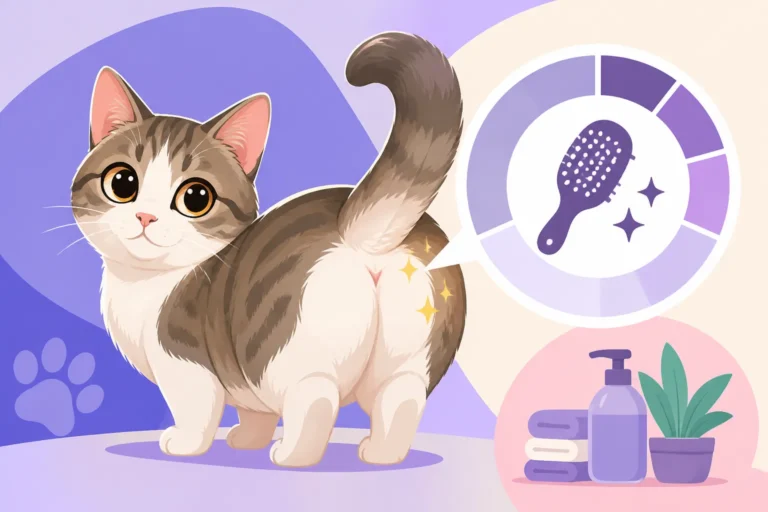
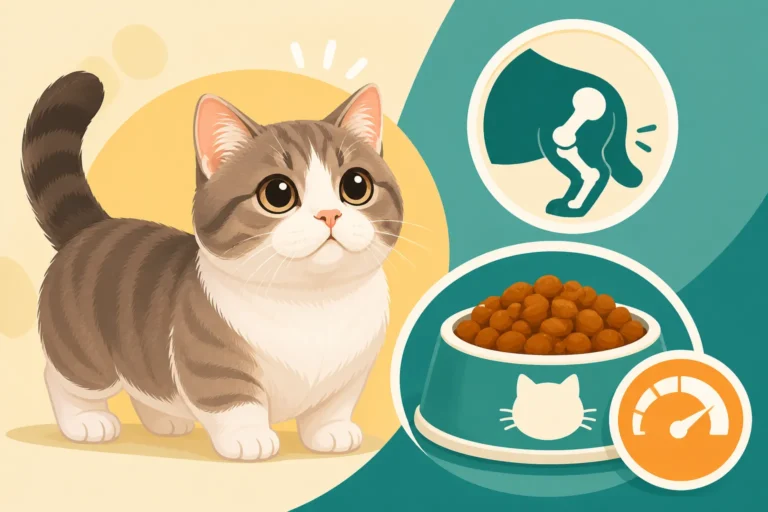
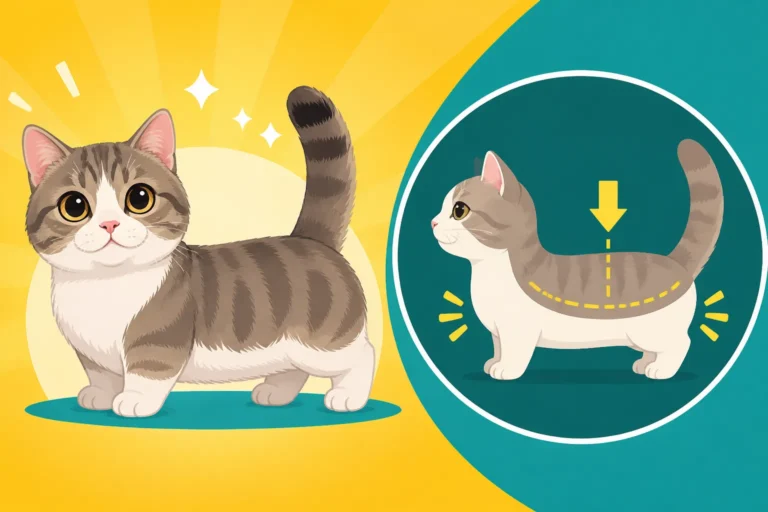
A Munchkin's defining characteristic is, of course, their short legs, a trait that directly impacts their ability to reach and groom certain parts of their own body. While their body length is generally proportional to a regular cat, their reduced height means certain areas become blind spots for self-grooming. Behind the ears is one such spot. A normal-legged cat can easily stretch, twist, and use a hind leg to scratch and smooth the fur around their ears. Your Munchkin, however, might find this a much more significant physical challenge. Their front legs, designed for locomotion, aren't as adept at reaching those specific angles for a thorough scratch or lick. This means that dead hair, dander, and small bits of debris can accumulate here, especially if your Munchkin has longer fur. It’s not that they don't want to be clean; it's simply a physical limitation. You'll also notice similar challenges when it comes to What a Munchkin Cannot Reach to Groom, particularly around their hindquarters.
Beyond the length of their legs, the way a Munchkin carries themselves can also play a role. They often sit or lie in positions that can compress their fur, making mats form more easily in tucked-away spots like behind the ears. Imagine trying to untangle a knot in your hair that you can barely see or reach – that's often what your Munchkin is dealing with, unknowingly. It's a prime example of why, with a Munchkin, the human caregiver's role in proactive grooming is even more critical than with a typical cat.
Common Issues When the Ears Are Neglected
Ignoring the fur behind your Munchkin's ears, even for a short period, can lead to a cascade of problems. The most immediate and visible issue is matting. Mats start as small tangles, often unnoticed, but they can quickly grow into dense, painful clumps that pull on the skin. This isn't just uncomfortable; it can be downright painful, restricting movement and causing irritation. The skin underneath a mat can become red, inflamed, and even develop sores or infections because it can't breathe properly and may trap moisture. If you’ve ever had a small knot in your hair that grew into a big, painful tangle, you can empathize with how unpleasant this is for your cat.
Furthermore, neglected ears can mask other health concerns. If the fur is constantly matted, you might miss early signs of ear mites, infections, or other dermatological issues that would otherwise be visible on healthy skin. These problems can then escalate, requiring more intensive veterinary intervention. It's also a spot where parasites like fleas or ticks might hide, going undetected until a full-blown infestation occurs. The good news is, a consistent, gentle grooming routine can prevent most of these issues entirely, keeping your Munchkin feeling fantastic. You also need to be mindful of How Skin Problems Start Under a Munchkin's Mats in other hard-to-reach areas.
Essential Tools for Effective Ear Grooming
Before you even think about approaching your Munchkin with a brush, you need to make sure you have the right tools for the job. Using the wrong type of brush or comb can turn a pleasant grooming session into a wrestling match, or worse, cause pain and a negative association with grooming. The goal is always to be gentle and efficient, making it as stress-free as possible for your feline friend.
Choosing the Right Brush or Comb
For the delicate area behind a Munchkin's ears, you'll want tools that are specifically designed for fine, sensitive work and that won't pull on the fur. A good quality, fine-toothed metal comb is invaluable here. Look for one with both wide and narrow teeth sections. The narrow teeth are perfect for gently working through smaller tangles, while the wider teeth can help smooth the fur once the knots are removed. Remember, you're not trying to yank out mats; you're detangling them.
A soft slicker brush or a rubber grooming mitt can also be very useful. A slicker brush has fine, wire bristles that are slightly bent at the tips, making them excellent for removing loose fur and preventing mats without being too harsh. Just ensure the bristles aren't too stiff, especially for a sensitive area like behind the ears. A rubber grooming mitt, on the other hand, is wonderful for short-haired Munchkins or for an initial gentle pass to remove loose fur and stimulate circulation, which many cats find quite enjoyable. You can find a fantastic selection of these grooming tools on Amazon or Chewy, often with customer reviews that can guide your choice. For long-haired Munchkins, you'll also want to consider Which Comb Suits a Longhaired Munchkin for their main coat.
Here’s a quick comparison of popular tools:
| Tool Type | Best For | Benefits | Considerations |
|---|---|---|---|
| Fine-Toothed Comb | Detangling small mats, removing dander | Precision, effective on various coat lengths, gets close to skin | Can pull if not used gently, requires patience |
| Soft Slicker Brush | Removing loose fur, preventing new tangles | Gentle on skin, good for initial passes, stimulates circulation | Bristles can be too stiff if not chosen carefully |
| Rubber Grooming Mitt | Short-haired Munchkins, sensitive cats | Gentle massage, removes loose fur, good for bonding, less intimidating | Less effective on severe mats, only for surface grooming |
Supplementary Grooming Aids
Beyond the basic brush and comb, a few extra items can make your grooming sessions much smoother. Firstly, a good detangling spray or conditioning spray specifically formulated for cats can be a game-changer. A light mist on a tricky tangle can help the comb glide through the fur more easily, reducing pulling and discomfort. Always choose a cat-safe product, as your Munchkin will inevitably lick their fur.
Secondly, a stash of delicious, high-value treats is your secret weapon. Positive reinforcement is key to making grooming a positive experience. Treats can provide a welcome distraction and reward for good behavior. Offer a small treat before you start, during pauses, and definitely at the end of the session.
Finally, have some soft, damp cloths or cat-specific grooming wipes on hand. These are great for a quick clean-up if you dislodge any dirt or ear wax during brushing, or to wipe away any excess product. Ensure they are unscented and hypoallergenic to avoid irritating your cat's sensitive skin. Having everything organized and within reach before you start means you won't have to scramble mid-groom, which can easily scare off a nervous cat.
Step-by-Step Guide to Brushing Behind Your Munchkin's Ears
Now that you're armed with the right tools, let's get down to the actual brushing. Patience and a gentle touch are paramount here. Remember, your Munchkin relies on you to make this experience as pleasant as possible, building trust for future sessions.
Creating a Calm and Comfortable Environment
Before you even touch your Munchkin with a brush, create a serene atmosphere. Choose a quiet time when your cat is relaxed, perhaps after a nap or a meal. Avoid times when they're overly playful or stressed. Find a comfortable, elevated surface that's easy for you to access but also feels secure for your cat – a sturdy table covered with a non-slip mat or towel often works well. Alternatively, some cats prefer to be groomed while sitting on your lap on the floor.
Speak to your Munchkin in a soft, reassuring voice. Let them sniff the brush and comb before you use them. A few gentle strokes on their favorite spots, like their head or back, can help them relax before you move to the more sensitive ear area. Keep the sessions short, especially at first. Five minutes of positive interaction is far more valuable than twenty minutes of struggling. If your cat shows signs of stress – tail twitching, flattened ears, growling, or attempting to bite – stop immediately and try again later. It's better to end on a good note than to force the issue and build a negative association.
The Gentle Grooming Technique
Once your Munchkin is calm and settled, you can begin. Here's how to approach the task:
- Positioning: Gently hold your Munchkin so they are secure but not restrained tightly. You might need one hand to lightly support their head or body, especially if they are squirmy. Try to hold their head slightly to the side, exposing the area behind the ear.
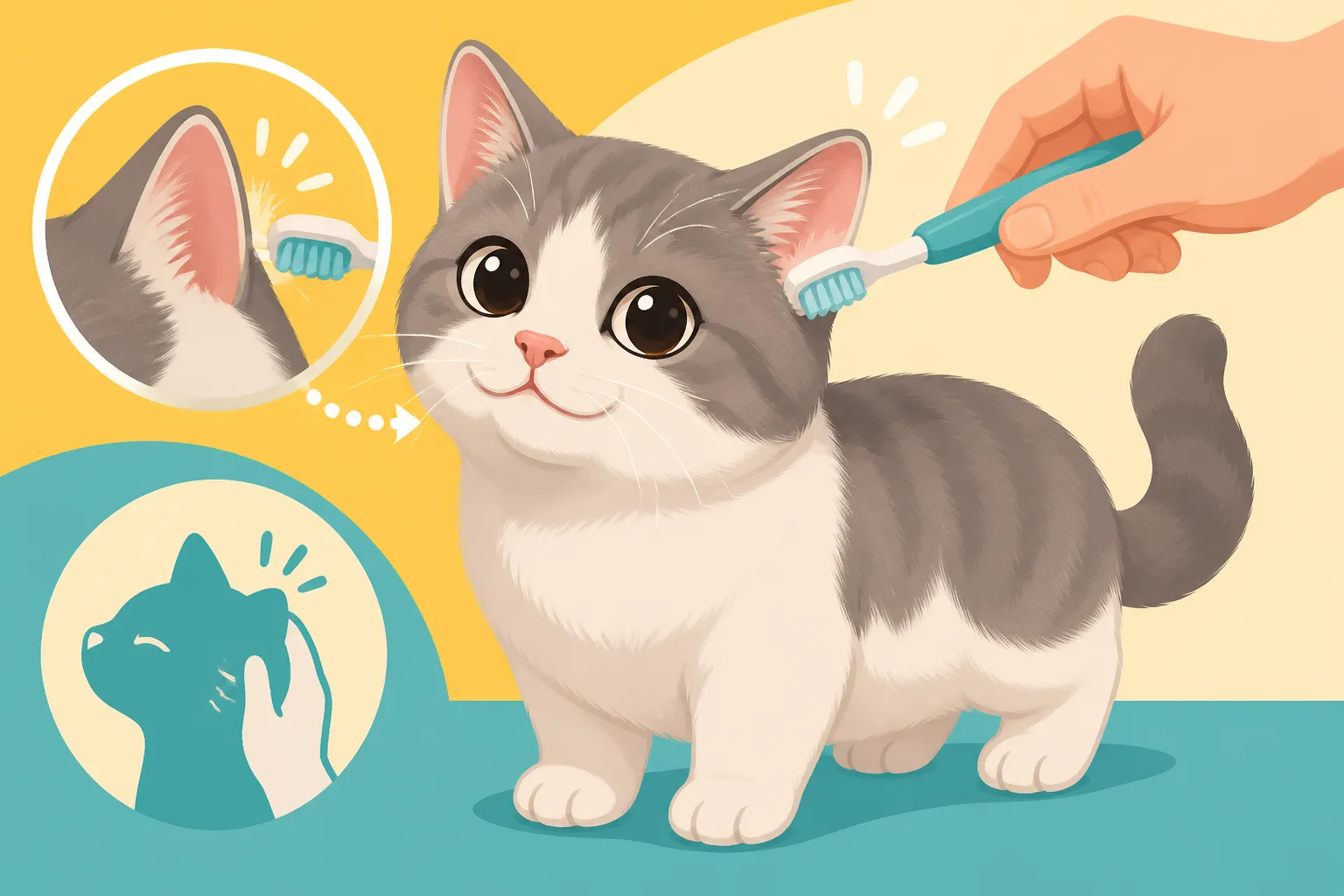
- Isolate the Area: With your non-brushing hand, gently lift the ear flap slightly to expose the fur directly behind it. This helps you see what you're doing and prevents accidental pulling on the sensitive ear skin.
- Start with Your Fingers: Before bringing in the comb, use your fingertips to feel for any small knots or tangles. If you find one, try to gently tease it apart with your fingers first. This makes the comb's job easier and less painful.
- Use the Comb: Take your fine-toothed comb and, starting from the tips of the fur, gently work your way down towards the skin. Use very short, light strokes. Never try to yank a comb through a mat. If you encounter a tangle, hold the fur closest to the skin with your fingers to prevent pulling on your Munchkin's skin, and then use the comb to gradually work the knot out, strand by tiny strand. This is where a detangling spray can really help.
- Brush to Finish: Once the area is free of tangles, use a soft slicker brush or rubber mitt (depending on your Munchkin's coat type) to smooth out the fur and remove any remaining loose hairs. This also feels good for your cat and helps stimulate circulation.
- Check Both Sides: Don't forget to repeat the process on the other ear! It's easy to focus on one side and forget the other.
- Be Observant: As you groom, look for any redness, bumps, scabs, or signs of parasites. If you notice excessive ear wax or a foul odor, that's a signal to consult your vet.
Rewarding Positive Behavior
Every successful grooming session should end with positive reinforcement. This helps your Munchkin associate grooming with good things, making future sessions easier. As soon as you finish, even if it was just for a minute or two, offer a generous portion of those high-value treats you prepared earlier. Soft treats are perfect for quick rewards. Play with their favorite toy for a few minutes, or give them some affectionate petting in their preferred spots.
The key is consistency. Make grooming behind the ears a regular part of your routine – daily for long-haired Munchkins, and a few times a week for short-haired ones. This prevents small tangles from becoming big problems and reinforces the idea that grooming is a normal, non-threatening interaction. Remember, patience and positive reinforcement are your best tools in helping your Munchkin accept and even enjoy their grooming time.
Preventing Future Ear Grooming Headaches
Proactive care is always better than reactive solutions, especially when it comes to your Munchkin's well-being. By establishing a consistent routine and knowing what to look out for, you can keep those tricky ear areas healthy and happy without turning every grooming session into a struggle.
Establishing a Regular Grooming Routine
Consistency is truly king here. Don't wait until you see a mat forming to grab the brush. Incorporate ear-area grooming into your Munchkin's regular care schedule from a young age, if possible. For short-haired Munchkins, a quick check and brush behind the ears every other day, or at least three times a week, can be sufficient. For long-haired Munchkins, daily attention to this area is highly recommended. You'll find that their fur tends to mat more easily, and areas like behind the ears, armpits, and hindquarters are particularly vulnerable. Consider this part of How Often a Longhaired Munchkin's Back Half Needs Brushing.
The benefit of frequent, short sessions is that your cat gets used to the routine, and you catch any potential tangles before they become major mats. If you notice a tiny knot forming, it's far easier to gently comb out than a hardened, compacted mat. Make these sessions calm and predictable. Using the same tools, in the same quiet spot, with the same gentle approach, will help your Munchkin understand what to expect and reduce their anxiety. You might even find that they start to look forward to the gentle attention and the tasty treats that follow.
Recognizing Signs of Trouble and When to Seek Vet Help
Even with the most diligent grooming, it's important to be vigilant for signs that something more serious might be going on. Beyond external mats, your Munchkin's ears can experience internal issues. During your grooming, keep an eye out for:
- Excessive scratching or rubbing: If your Munchkin is constantly pawing at their ears, shaking their head, or rubbing their ears on furniture, it's a red flag.
- Redness or inflammation: The skin around and inside the ear should be a healthy pink color, not angry red or swollen.
- Unusual discharge: A small amount of dark ear wax is normal, but excessive dark, crumbly discharge (like coffee grounds) could indicate ear mites. Yellow, green, or foul-smelling discharge is a strong sign of infection.
- Odor: A healthy ear should not have a strong smell. A yeasty or putrid odor suggests an infection.
- Pain on touch: If your Munchkin flinches, cries out, or reacts aggressively when you touch their ears, they are likely in pain.
- Head tilt or loss of balance: In severe cases of inner ear infection, your cat might hold their head at an unusual angle or seem disoriented.
If you observe any of these symptoms, it's crucial to contact your veterinarian promptly. Attempting to self-diagnose or treat an ear infection with over-the-counter products can sometimes worsen the problem or delay proper treatment. Your vet can accurately diagnose the issue, whether it's ear mites, a bacterial infection, a yeast infection, or something else entirely, and prescribe the appropriate medication. Regular check-ups, especially as your Munchkin ages, are also important. Your vet will often examine your cat's ears as part of How Often a Healthy Adult Munchkin Needs Checking. Remember, early intervention is key to keeping your Munchkin comfortable and preventing more serious health complications.
Disclaimer
This article is for general informational purposes only and does not constitute professional advice. Laws, prices and regulations vary by location and change over time. Consult a qualified professional for guidance on your specific situation.