Which Comb Suits a Shorthaired Munchkin
One of the most common little struggles for Munchkin cat parents, even those with shorthaired kitties, is keeping their fur sleek and mat-free, especially in those awkward, hard-to-reach spots. You might think shorthaired means easy grooming, but their unique physique often means certain areas become neglected, leading to discomfort for your furry friend. This guide is here to walk you through choosing the best comb for your shorthaired Munchkin and mastering grooming techniques to keep them happy, healthy, and looking their absolute best.
Understanding Your Shorthaired Munchkin's Unique Grooming Needs
It's easy to assume that a shorthaired cat is practically self-maintaining when it comes to grooming. After all, they don't have those flowing locks that demand daily detangling like a Persian or a Maine Coon. But a Munchkin is not just any shorthaired cat. Their adorable, distinctive build, with those short legs and a surprisingly normal-length body, creates a whole different set of challenges that can leave them needing a little extra help, even with a short coat. Ignoring these specific needs can lead to issues you might not expect in a cat with short fur.
The Challenge of Short Legs and Normal Body Length
Imagine trying to reach your own lower back or the middle of your shoulder blades without your arms being long enough. That's essentially what a Munchkin experiences when trying to groom itself. Their short little legs, while perfect for their ferret-like dashes across the floor, simply don't offer the leverage or reach needed to properly access all parts of their body. Areas like their hindquarters, the underside of their belly, and even some spots along their back can become veritable no-go zones for their diligent tongue.
This physical limitation means that loose hair, dander, and even environmental debris can accumulate in these areas, especially as they get older and might become a little less flexible. It's not a sign of a lazy cat; it's a simple anatomical reality. As their human, stepping in to assist with grooming isn't just a nicety; it's a crucial part of their care. You'll quickly discover that these areas are precisely where mats and skin issues often start because they just can't keep them as clean as they'd like. Remember, your Munchkin relies on you to help with Which Parts of Itself a Munchkin Cannot Reach.
Why Matting Still Happens, Even with Short Hair
You might be thinking, "Mats? In a shorthaired cat? Impossible!" But trust me, it's not. While severe, tight mats common in longhaired breeds might be less frequent, shorthaired Munchkins are still susceptible to smaller, more insidious matting, particularly in those aforementioned hard-to-reach spots. The fur around their belly, armpits, inner thighs, and especially their hindquarters, where litter can sometimes stick, can quickly become tangled and form small, dense knots.
These aren't always obvious until they become problematic. A short coat can actually trap shed hair close to the skin, and if it's not brushed out regularly, it can bind together with natural oils and friction. Imagine a tiny ball of felt forming under their arm! These small mats aren't just unsightly; they can pull at the skin, causing discomfort, irritation, and even open sores if left untreated. They can also create a damp, warm environment perfect for skin infections or parasites to thrive. It’s important to understand Whether Matting Becomes a Health Problem in a Munchkin and to take preventative action with regular grooming.
The Importance of Regular Grooming for Overall Health
Beyond just aesthetics, regular grooming is a cornerstone of your Munchkin's overall health and well-being. It's not just about removing loose hair; it's a chance for you to perform a hands-on health check. As you comb through their fur, you're feeling for any lumps, bumps, or tender spots that might indicate an underlying issue. You can check their skin for redness, flakiness, or parasites like fleas and ticks. This proactive approach can help you catch potential health problems early, before they become more serious.
Grooming also helps distribute natural skin oils, promoting a healthy, shiny coat and preventing dry, irritated skin. For a Munchkin, whose belly often sits closer to the floor, this is particularly important to protect their skin from irritation. Moreover, these grooming sessions provide invaluable bonding time between you and your cat, strengthening your relationship and building trust. A cat that's accustomed to being handled and groomed will generally be less stressed during vet visits or other necessary procedures. It’s an investment in their physical and emotional health.
Essential Comb Types for Shorthaired Munchkins
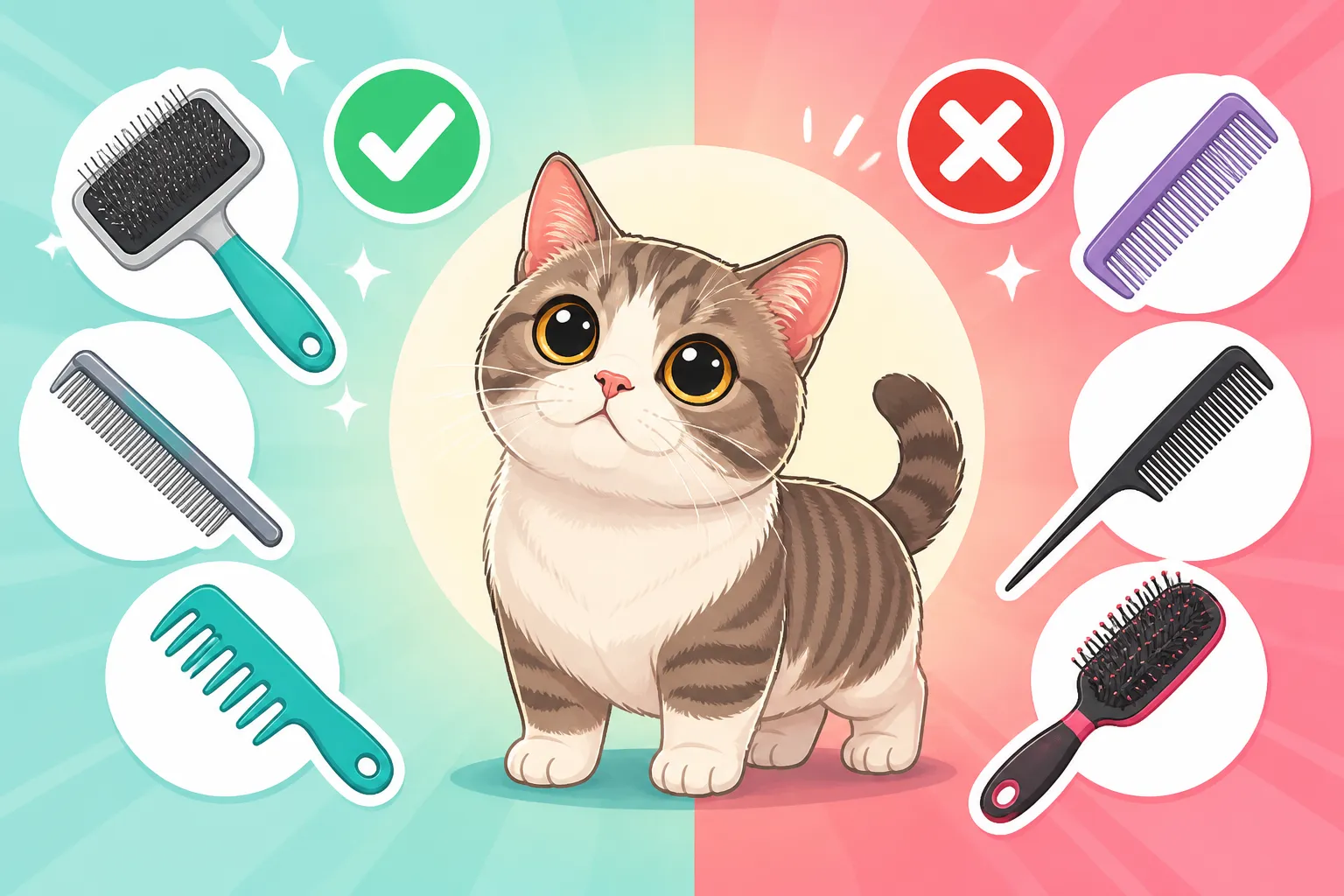
When you walk into a pet store or browse online, the sheer number of grooming tools can be overwhelming. For a shorthaired Munchkin, you don't need every single gadget, but having a few key tools in your arsenal will make all the difference. We’re looking for tools that can effectively remove loose hair, address any potential matting, and allow you to thoroughly check their skin, especially in those areas their little legs just can't manage.
The Deshedding Tool: Tackling Loose Undercoat
Even shorthaired cats have an undercoat, and it sheds. A lot. This is where a good deshedding tool comes into its own. These tools are designed with fine, closely spaced teeth that reach through the topcoat to gently pull out loose undercoat hairs without cutting the healthy guard hairs. For a shorthaired Munchkin, regular use of a deshedding tool can significantly reduce the amount of hair they shed around your home, meaning less fur on your furniture and clothes. More importantly, it prevents that shed hair from getting trapped in their coat and forming those pesky little mats that can cause discomfort.
When choosing one, look for a tool with a comfortable, ergonomic handle, as you'll be using it frequently. You want something that glides smoothly through their fur without snagging or pulling. Many reputable brands offer excellent deshedding tools that are suitable for cats. Using it once or twice a week, focusing on their back, sides, and those harder-to-reach hindquarters, will make a huge difference in their coat health and prevent issues down the line. It's a proactive measure that keeps their skin breathing and their fur light.
The Fine-toothed or Flea Comb: For Detail and Detection
The humble flea comb is an absolute must-have for any cat owner, but especially for a Munchkin. Its extremely fine, densely packed teeth are perfect for several crucial tasks. Firstly, it's invaluable for checking for external parasites like fleas or flea dirt. Run it through their fur, particularly around the neck, base of the tail, and belly, and if you see tiny black specks, that's usually flea dirt (digested blood), a clear sign that you need to take action.
Beyond parasite detection, a flea comb is fantastic for detail work. It can gently remove eye boogers, food debris around their mouth, and any tiny bits of litter or dander that might cling to their fur, especially in their hindquarters or around their sanitary areas. Because a Munchkin's belly can often nearly touch the floor, they can pick up small things. It's also excellent for gently working out small tangles or starting mats before they become a problem. Its precision allows you to target specific areas that a larger deshedding tool might miss. Always be gentle, especially in sensitive areas.
The Rubber Curry Brush: Gentle Massage and Hair Removal
Sometimes, your Munchkin might not be in the mood for a more intense deshedding session, or perhaps you just want a daily tool for a quick refresh and some bonding time. That's where a rubber curry brush shines. These brushes, often shaped like a mitt or with an ergonomic grip, have soft rubber nubs that are incredibly gentle on the skin. They're perfect for stimulating circulation, distributing natural skin oils throughout the coat, and collecting loose hair that's sitting on the surface.
The gentle massaging action is often very enjoyable for cats, making it a great tool to introduce grooming to a new kitten or to use for a quick daily session with a cat that enjoys being petted. For a shorthaired Munchkin, it's fantastic for areas like their chest and belly, where you want to be particularly gentle. It helps to loosen dirt and dander while also providing a lovely little massage. It might not remove as much undercoat as a dedicated deshedder, but it’s superb for daily maintenance and keeping the topcoat shiny and healthy.
How to Choose the Best Comb for Your Shorthaired Munchkin
Choosing the "best" comb isn't a one-size-fits-all situation, even within the realm of shorthaired Munchkins. What works perfectly for one cat might not be ideal for another. It really comes down to a combination of your individual cat's coat, their personality, and your comfort level as the groomer. Thinking about these factors will help you make a more informed decision and ensure you're setting yourself up for grooming success.
Considering Your Cat's Coat Density and Sensitivity
Not all shorthaired Munchkins have the exact same coat. Some might have a denser, thicker undercoat, while others have a finer, sparser one. If your Munchkin has a particularly dense coat, you'll likely get more mileage out of a robust deshedding tool. For finer coats, a soft bristle brush or a rubber curry might be sufficient for daily maintenance, with the deshedder used less frequently.
Beyond coat density, consider your individual cat's sensitivity. Some cats are incredibly sensitive to being brushed, especially over their spine or belly. If your Munchkin is particular, you might want to start with a softer rubber brush or a wide-toothed comb to gently introduce them to the process. You can gradually move to a deshedding tool as they become more comfortable. Pay close attention to their body language: flattened ears, a swishing tail, or tensing up are all signs they might be uncomfortable, and you should adjust your approach or tool.
Prioritizing Ergonomics and Ease of Use for the Owner
Let's be honest, a grooming tool is only effective if you actually use it. And if it's uncomfortable to hold, difficult to maneuver, or hurts your hand after a few minutes, you're less likely to stick with a regular grooming routine. When you're picking out a comb, hold it. Does it feel balanced in your hand? Is the grip comfortable? Does it allow for easy manipulation, especially when you're trying to reach under your Munchkin's belly or around their hindquarters?
Some combs have non-slip rubberized grips, which can be a lifesaver, especially if you have an active cat who might shift around during grooming. Consider the weight of the tool; a lighter comb can be easier to handle for longer periods. If you're struggling to reach certain spots, a comb with a slightly longer handle might give you the extra leverage you need without putting strain on your back or wrist. Ultimately, the best comb is the one that you and your Munchkin find comfortable and effective to use.
Where to Find Quality Grooming Tools
Once you know what kind of comb you're looking for, finding quality tools is the next step. You don't have to break the bank, but investing in durable, well-made items will save you money and frustration in the long run. Many general pet supply retailers offer a wide range of grooming products.
Online stores are often a fantastic resource, providing a vast selection and customer reviews that can help guide your choice. For instance, you can browse a huge variety of deshedding tools, flea combs, and curry brushes on platforms like Amazon or Chewy, often with detailed descriptions and photos. Brands like Furminator, Groomer's Best, and Hertzko are popular among cat owners and readily available. Just make sure to read reviews specific to cat grooming to ensure the tool is gentle enough for feline fur and skin. Sometimes, even your local independent pet store or a specialized online retailer might carry unique, high-quality options that perfectly fit your Munchkin's specific needs.
Grooming Techniques for Your Shorthaired Munchkin
Having the right tools is only half the battle; knowing how to use them effectively, especially with a Munchkin's particular physique, is crucial. Grooming should be a positive experience for both of you, not a wrestling match. Establishing a routine and focusing on those tricky areas will ensure your shorthaired Munchkin remains comfortable and healthy.
Establishing a Positive Grooming Routine
The key to successful grooming is starting early and making it a pleasant experience. If you have a kitten, begin introducing the comb gently for short periods, even just a minute or two, followed by praise and a tasty treat. The goal is for your Munchkin to associate grooming with positive rewards. If you have an adult cat that’s not used to grooming, go slow. Start by gently stroking them with your hand, then introduce the comb for a few strokes, immediately rewarding them.
Choose a quiet time when your cat is relaxed, perhaps when they're sleepy or purring on your lap. Avoid forcing them or chasing them around the house, as this will only create negative associations. Keep sessions short and sweet, gradually increasing the duration as your Munchkin becomes more accustomed to it. Consistency is more important than length; a few minutes every day or every other day is far better than one long, stressful session once a month. This builds trust and makes grooming a shared, enjoyable activity.
Focusing on Those Hard-to-Reach Areas
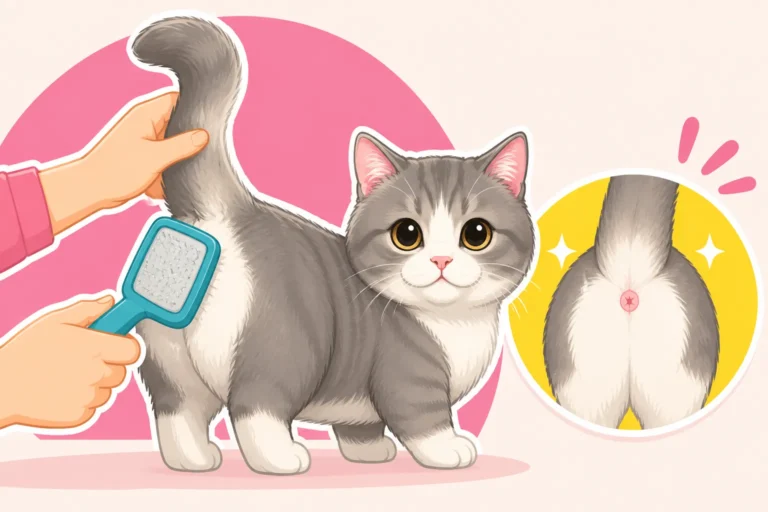
This is where your unique Munchkin care really comes into play. Due to their short legs, certain parts of their body are simply not getting the self-grooming attention they need. The hindquarters are a prime example; litter and debris can easily get caught in the fur around their rear. This is where your fine-toothed comb or even a damp cloth can be invaluable. Gently lift their tail and comb out any loose hair or residue. It’s critical for preventing mats and maintaining hygiene. For more detailed instructions, you can refer to How to Groom a Munchkin's Hindquarters.
The belly is another area that frequently gets neglected. Because they're so close to the ground, this area can also pick up debris and become matted if not regularly brushed. Gently roll your Munchkin onto their back (if they're comfortable with it) or support them while you gently comb through their belly fur. Be extra careful here, as the skin is delicate. Also, don't forget the armpits and inner thighs, which are high-friction areas prone to tangles. A rubber curry brush can be particularly good here, as it’s gentle while still effective at dislodging loose fur. Regular checks of Why a Munchkin's Belly Fur Needs Checking are vital.
When to Seek Professional Help
Even with the best intentions and the right tools, there might be times when professional help is necessary. If your shorthaired Munchkin develops significant matting that you can't safely remove with your combs, it’s always best to consult a professional groomer. Trying to cut out mats yourself can be dangerous, as cat skin is very thin and easily cut, especially when it's pulled tight by a mat. A professional groomer has the experience and specialized tools to safely and comfortably remove mats without injuring your cat.
Additionally, if your Munchkin becomes overly stressed or aggressive during grooming, a professional might be able to help. They have techniques and environments designed to minimize stress for reluctant groomers. Sometimes, a "sanitary clip" around the hindquarters can be beneficial for Munchkins, especially those with longer fur variants or those who struggle with keeping themselves clean after using the litter box. This is a task often best left to a professional groomer or even your vet. Remember, your vet can also advise on grooming if there are underlying skin conditions or pain that makes grooming difficult for your cat.
| Comb Type | Primary Use for Shorthaired Munchkin | Key Benefits | Considerations |
|---|---|---|---|
| Deshedding Tool | Removing loose undercoat from back, sides, and hindquarters | Reduces shedding, prevents matting, promotes healthy coat | Use gently to avoid skin irritation, don't overuse |
| Flea Comb | Checking for parasites, detail work around face/rear, small tangles | Detects fleas/debris, gentle on sensitive areas, precise for small mats | Teeth can be sharp if used aggressively |
| Rubber Curry Brush | Daily gentle grooming, massage, surface hair removal, belly | Stimulates circulation, distributes oils, relaxing for cats | Not as effective for deep undercoat removal or serious mats |
| Wide-Toothed Comb | Untangling surface knots, initial brush for sensitive cats | Gentle detangling, good for introducing grooming, less pulling | May not penetrate dense undercoat, less effective for shed |
Disclaimer
This article is for general informational purposes only and does not constitute professional advice. Laws, prices and regulations vary by location and change over time. Consult a qualified professional for guidance on your specific situation.